Trading down: Why some drivers are choosing smaller, cheaper cars again
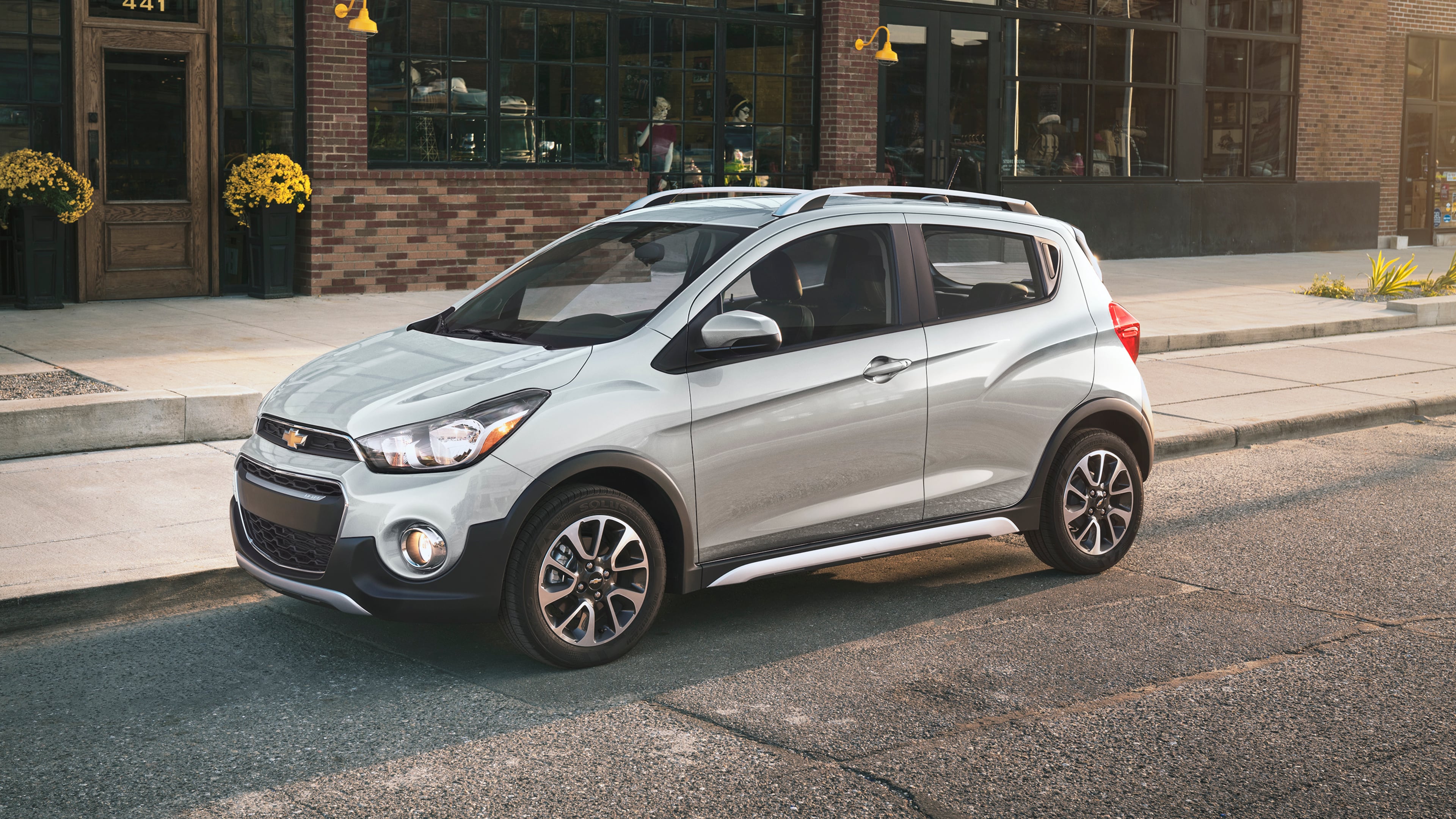
Everything is getting more expensive, and that includes automobiles. Vehicles have also gotten larger over time.
But bigger isn’t always better, and it certainly isn’t always cheaper, leading some buyers to return to smaller vehicles with lower price tags.
With new car prices averaging close to $50,000, the desire for a cheaper car is understandable. When broken down by segment, this usually means a smaller car is cheaper. According to Kelley Blue Book, a new compact car averaged $27,904 in July, while a midsize SUV averaged $50,144 — a difference of more than $22,000.

SUVs are currently the bestselling vehicle segment in the country. Compact and subcompact SUVs are among the smaller options available to shoppers. They offer the versatility and cargo space shoppers crave while maintaining a smaller size and, therefore, a lower average price. The average transaction price of a subcompact SUV was $31,052 in July, a few thousand dollars more than a traditional compact car but considerably less than a midsize SUV.
One sign Americans don’t always want the biggest vehicle available is the rise in demand for smaller trucks and SUVs. Recent sales data suggest shoppers are responding to the price difference. Cox Automotive reported subcompact SUV sales jumped more than 23% year over year in June, while small and midsize pickup sales rose about 12%. Full-size pickup sales increased just 2.5%.
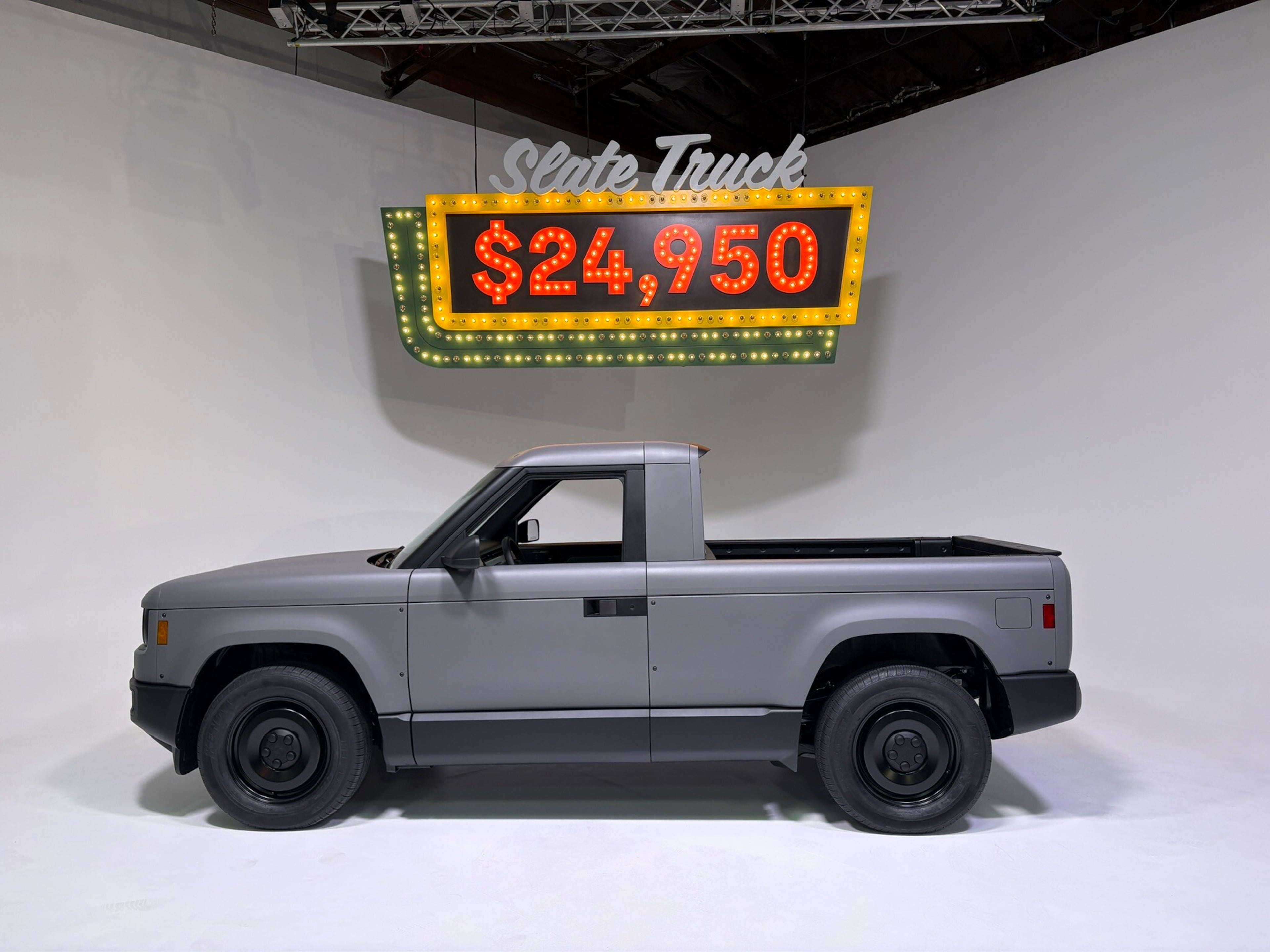
Brands like Slate and Ford are betting cheaper, smaller electric trucks can attract buyers priced out of larger pickups.
But price is more than the number on a sticker. Additional costs that factor into car ownership, such as loan interest, gas and insurance, can also push shoppers to think smaller. A lower purchase price means less money to finance and potentially less interest paid over the life of the loan. Smaller cars also generally use less fuel than larger vehicles, potentially lowering everyday driving costs.
A Practical Choice
For those living in dense urban areas, a smaller car can be a more practical choice, not just a cost-saving one. As neighborhoods become more crowded, smaller cars are easier to maneuver. Parking spaces aren’t getting bigger either, so smaller cars can be easier to park.
The same is true for many garages. A standard two-car garage can be as small as 20 feet by 20 feet, leaving little extra room once two modern vehicles are inside. A full-size pickup truck can stretch over 19 feet in length, making even a nominal two-car garage a tight fit once you account for vehicle width, mirrors, doors and storage.
The Pricing Problem
Data from Cox Automotive show Americans have increasingly chosen smaller vehicles since 2019. Compact SUVs became the country’s bestselling vehicle segment in 2020, while midsize trucks and even compact and subcompact cars have gained ground in recent years.
When the pandemic hit in 2020, shopping habits changed. Wealthier buyers with stronger credit were better able to remain in the new-car market, and automakers responded by dropping inexpensive models and adding more higher-priced offerings.
The problem is fewer affordable cars are available. In 2017, 36 models were priced at $25,000 or less. By 2022, there were only 10. Many of the once-popular subcompact options have disappeared, such as the Chevy Spark and the Hyundai Accent. This lack of choice pushed some buyers toward used cars to better fit their budgets.
Downsizing
With brands like Slate entering the market, automakers appear to be hearing the call for cheaper options. Ford has also announced plans for an electric truck priced around $30,000.
Other solutions are more unconventional.
Fiat, for example, introduced its first micromobility vehicle in the U.S. market in July.

While the Fiat Topolino micro car is initially intended for private communities, resorts and similar settings, it offers a more affordable option for those who don’t need to drive far. It starts at $13,995, runs on electricity and measures only about 8 feet long. Fiat plans to offer a kit allowing it to qualify as a low-speed vehicle for limited public-road use.
The U.S. has not traditionally embraced smaller vehicles the way Europe and Asia have. Low-speed vehicles are a step above a golf cart but fall short of the capabilities of conventional passenger cars. While these micro vehicles may not take over the streets, their arrival could signal a new way of thinking.
The Next Big Thing?
Back in December, President Donald Trump praised small Japanese “kei” cars, calling them “really cute.” A kei car is less than 11 feet long and 5 feet wide, about 2 feet shorter and narrower than a U.S. subcompact vehicle. Trump directed U.S. Transportation Secretary Sean Duffy to clear regulatory hurdles to allow similar small vehicles to be built and sold in the U.S.
While there haven’t been any developments in creating tiny, kei-like cars for the U.S. market yet, smaller, simpler versions of popular models like SUVs and trucks could be the way forward for now. Focusing on necessities and cutting back on everything else is not just a way to budget; it’s also a potential road map for automakers to meet the needs of today’s shopper. For consumers trying to bring a car payment back within reach, the lesson may be simple: Start your search one size smaller.
Beth Livesay is a Texas-based editor at Cox Automotive. Prior to her work writing about cars, she spent 12 years running print and digital magazines. She has written for HuffPost, The Tease, Revlon, Bloomingdale’s, and National Hardware, among other brands.
The Steering Column is a weekly consumer auto column from Cox Automotive. Cox Automotive and The Atlanta Journal-Constitution are owned by parent company, Atlanta-based Cox Enterprises.