What certified really means on used cars

Buying a new car has become an expensive proposition. With average sticker prices exceeding $52,000, Americans are looking for ways to get more vehicle for their money.
A growing number are finding an answer in certified pre-owned cars. Or at least they’re interested in them.
A new Cox Automotive study found that 74% of vehicle shoppers consider certified pre-owned vehicles appealing, nearly matching the 76% who find new cars appealing. Three years ago, new cars held a much larger advantage.
Many shoppers don’t know what it means to buy a certified pre-owned vehicle.
Among shoppers considering certified vehicles, fewer than one in three said they knew exactly how they differed from ordinary used cars. Roughly two-thirds weren’t even sure what the initials CPO stood for.
That’s a problem when certification can add hundreds or thousands of dollars to the price of a car.
So, what are you actually buying?
A used car with extra promises
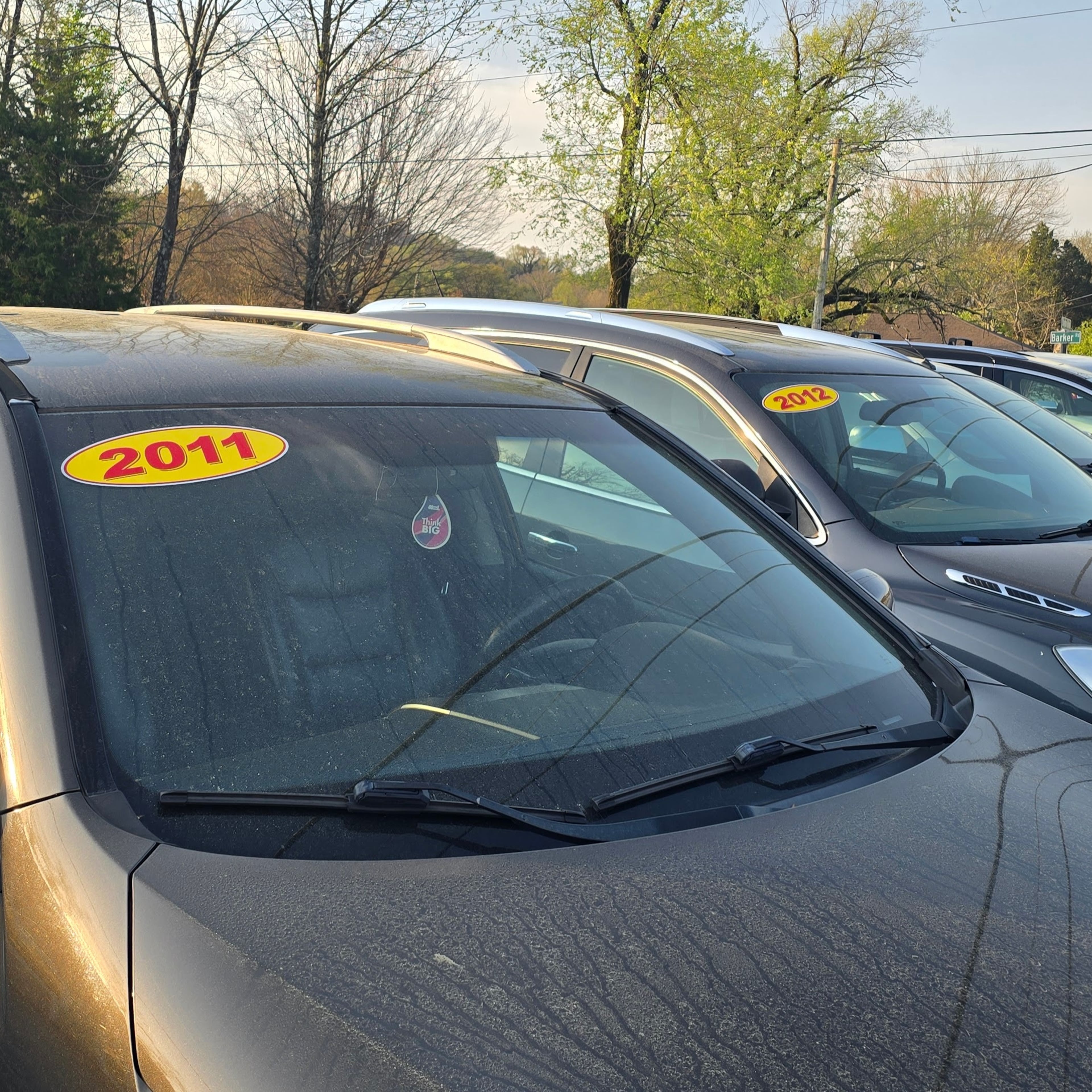
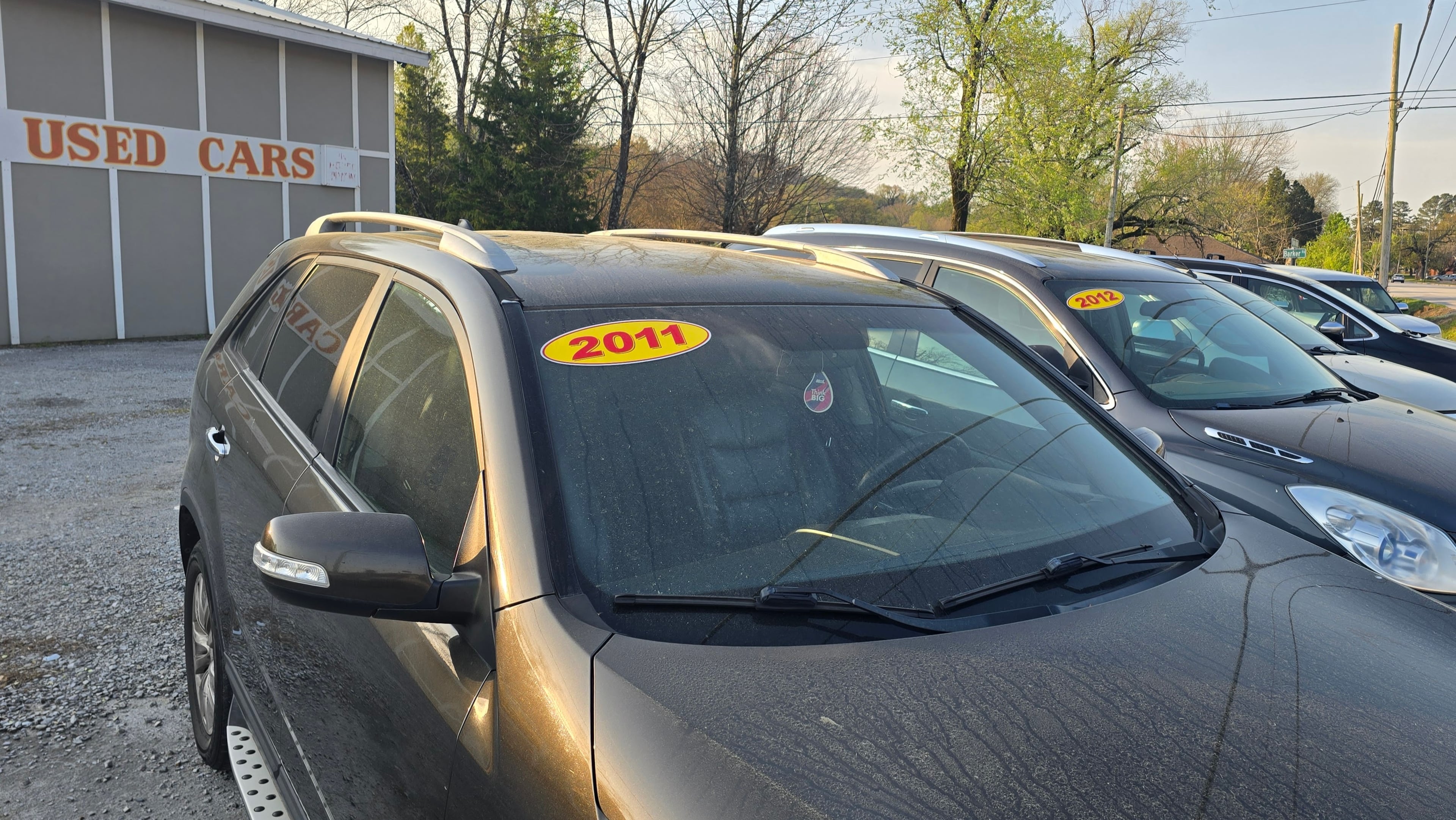
Every certified pre-owned vehicle is a used car. But not every used car qualifies for certification.
Automakers generally establish requirements for age, mileage, condition and vehicle history. Eligible vehicles undergo inspections and, when necessary, repairs or reconditioning before receiving certification.
Most manufacturer-backed programs also include warranty coverage beyond what an ordinary used car might offer. Some provide roadside assistance, rental car benefits or other perks.
The idea is straightforward: Give shoppers some of the confidence associated with buying new without the new car price.
Among new car shoppers open to CPO, 62% said a lower price than a new vehicle would make them much more interested in certification, according to the Cox Automotive study.
More than half said certification could put a preferred brand within reach. About four in 10 liked the prospect of buying a larger vehicle for their money.
Consider a shopper who wants a luxury SUV but can’t justify its new car price. A two- or three-year-old certified model might offer many of the same features, along with warranty protection, for substantially less.
That’s an attractive compromise.

Not all certifications are equal
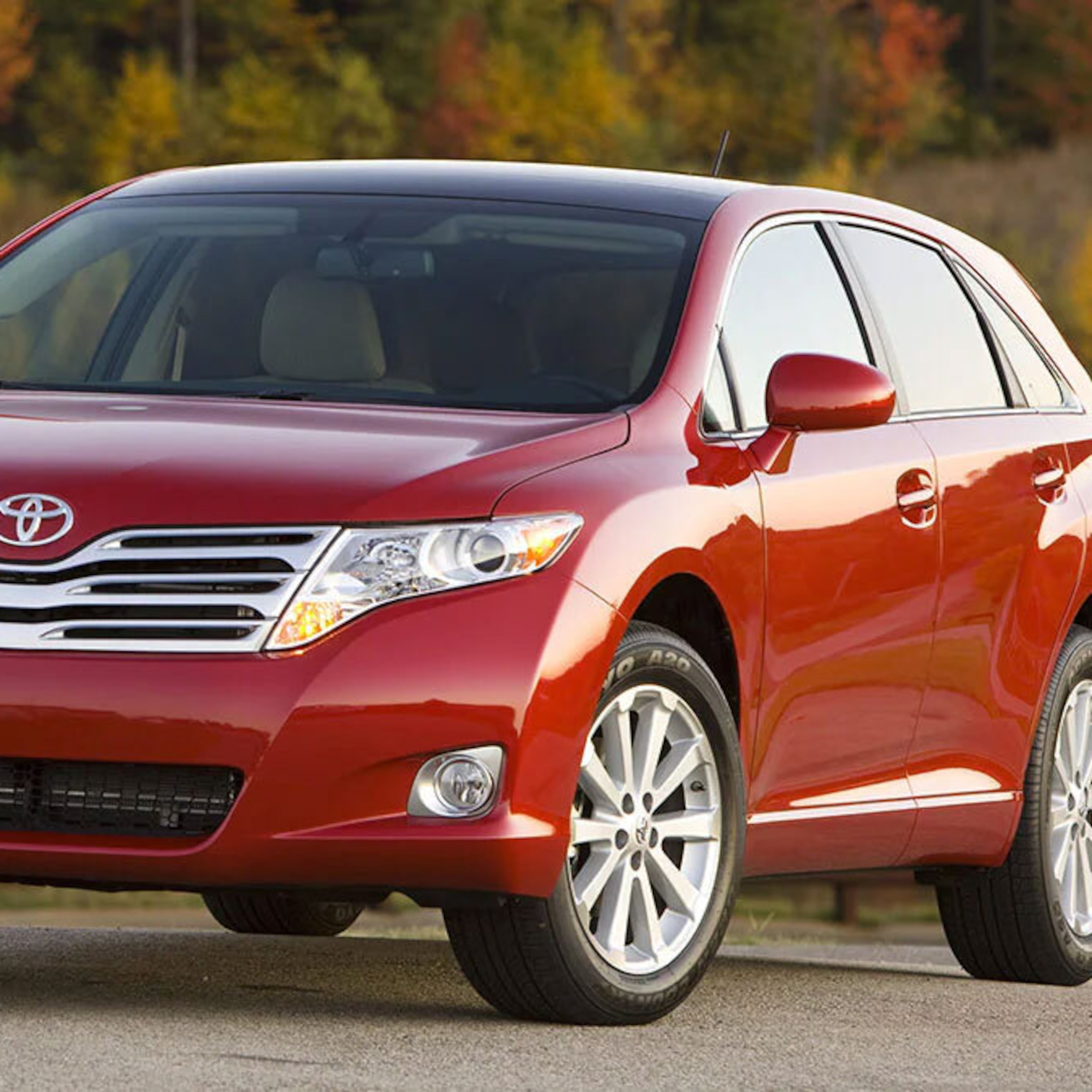
Traditionally, certified pre-owned meant a manufacturer-backed program offered through an authorized dealership. Toyota certified a Toyota. Honda certified a Honda.
Dealership groups and third-party programs also certify used vehicles, sometimes across multiple brands. The inspections, warranties and other benefits can differ considerably.
An automaker-backed program might offer warranty service through participating dealerships nationwide. Another program might use a third-party warranty administrator, limit covered repairs, or require service at particular locations.
Neither arrangement is automatically better. But shoppers should understand the differences before paying a premium.
Interestingly, the Cox Automotive study found that shoppers are becoming more open to alternatives. Among new car shoppers considering CPO, preference for manufacturer certification fell from 61% in 2023 to 48% this year.
The lesson for shoppers: Don’t buy the label. Buy the benefits.
Is certified worth the premium?
That depends on the vehicle, the warranty and how much more you’re paying.
A certified vehicle will generally cost more than a comparable non-certified used car.
But certified doesn’t automatically mean better value.
Suppose you’re considering two similar three-year-old SUVs. One is certified and costs $2,000 more. The other has comparable mileage, a clean vehicle history and maintenance records.
Is the certified model worth the difference?
Maybe.
If certification includes meaningful warranty coverage and repairs you would otherwise pay for, the premium could make sense.
But if the vehicle has little additional coverage, a substantial deductible or numerous exclusions, the extra money might be better spent elsewhere.
It’s also worth remembering that certification doesn’t make a used car new again. Parts still wear out. Technology ages. And even carefully inspected vehicles can develop problems.
A certified car can reduce some ownership risks. It cannot eliminate them.
Five things to check before you buy
Before paying extra for certification, ask the dealership a few questions.
- Who certifies the vehicle? Is the program backed by the manufacturer, the dealership or a third party?
- What does the warranty cover? Look at the covered components, exclusions, deductibles, mileage limits and expiration date.
- What did the inspection find? Request the completed inspection report and ask which repairs or replacements were performed.
- Where can you get repairs? Find out whether warranty service is available nationwide or only at certain facilities.
- What’s the price difference? Compare the certified vehicle against similar non-certified examples, accounting for mileage, condition, equipment and warranty coverage.
Even with certification, consider an independent pre-purchase inspection. A second opinion can identify concerns a certification checklist might miss.
A middle ground worth considering
The Cox Automotive study surveyed 825 consumers ages 18 to 64 who planned to purchase a vehicle within six months.
It found 72% of current CPO owners agreed that, after experiencing the benefits of certification, they wouldn’t return to buying ordinary used vehicles.
Some buyers may find a well-maintained, non-certified used car offers better value. Others may prefer a new vehicle with the latest features and a full factory warranty.
But for shoppers caught between new car prices and concerns about buying used, certified pre-owned deserves a serious look.
The real value lies in what the certification covers, what it costs and whether those benefits are worth paying for.
Chris Hardesty is a veteran news researcher and editor who provides advice on buying, owning and selling cars for Kelley Blue Book and Autotrader.
The Steering Column is a weekly consumer auto column from Cox Automotive. Cox Automotive and The Atlanta Journal-Constitution are owned by parent company, Atlanta-based Cox Enterprises.