Got THC gummies? Got kids? Be careful.

An increase in accidental THC poisonings among young children in Georgia has prompted state health officials to search for ways to combat the problem.
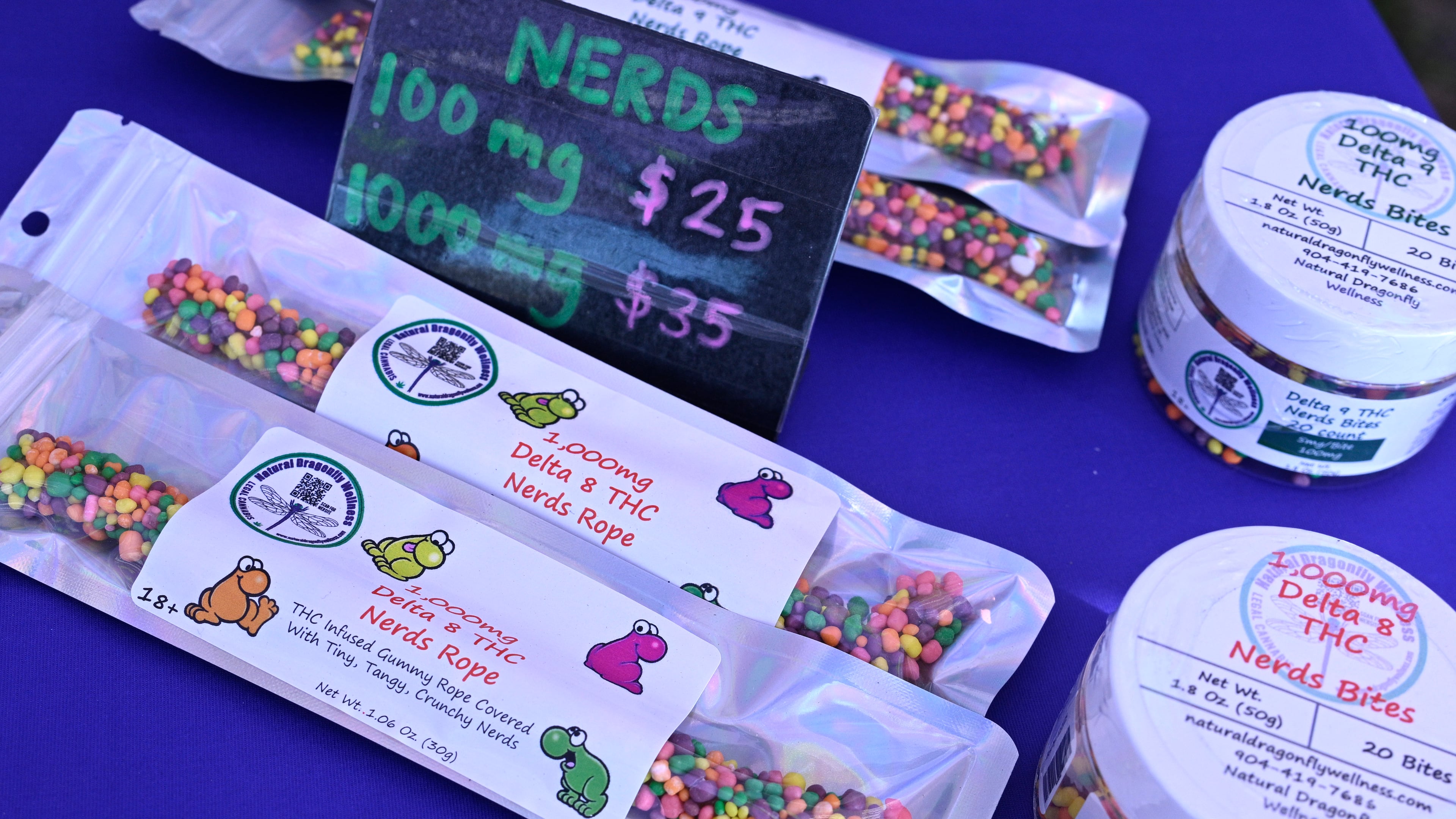
The vast majority of the poisonings involve gummies, other types of edibles or beverages that contain THC, a mind-altering compound that comes from cannabis plants.
Hundreds of children exposed to the products have ended up in hospitals, with some of the youngest having to be placed in critical care units, according to new data the Georgia Composite Medical Board collected to examine the problem.
Since 2022, the Georgia Poison Center has handled more than 2,400 cases related to THC exposure cases involving infants up to age 21. Nearly half the cases involved children under 6.
Children are drawn to the products for an obvious reason: they look like candy.
“These poisonings deserve our attention before another child ends up in an emergency department or intensive care unit,” said Dr. Kathryn Cheek, a pediatrician who serves on the Georgia Composite Medical Board. “Families need clear information about the dangers and how to prevent accidental exposures.”
Cases of THC exposure reported to the Georgia Poison Center nearly doubled from 2022 and 2024. Almost all of the THC cases involving young children were unintentional exposures, while teens usually intended to ingest the substances, the Georgia Poison Center data found.
The substances were most likely to cause drowsiness and confusion among toddlers and racing hearts and agitation among teens, according to data collected by the medical board. But respiratory depression and seizures also resulted from some of the poisonings.

The problem has grown across the country as certain cannabis products have been legalized and have grown in popularity, both for medical and recreational use. A federal farm bill legalized certain hemp-related products that has resulted in a proliferation of products containing THC, though certain products could be made illegal again under federal law as soon as Dec. 11.
Recreational marijuana use is still against the law in Georgia, but the state has opened the door in recent years for medical cannabis products.
A coalition of Georgia’s children’s hospitals brought the issue of THC poisonings to the attention of Georgia health officials after observing the increase in preventable incidents.
Hospital data compiled for the medical board identified 826 pediatric cannabis poisoning cases at five Georgia hospitals during 2025 and part of 2026, the medical board reported.
Adolescents made up most of the reported cases, but data from hospitals in Atlanta, Columbus and Savannah included 107 children age 7 or younger since 2025, the board said.

Among pediatric cases reported in Atlanta and Columbus, 1 in 3 required a hospital admission, intensive care or a transfer to a higher level of care.
The Georgia medical board said the seriousness of the problem means the public needs to be put on notice about the potential dangers.
The medical board is working with several state agencies, children’s hospitals and others to develop a program to help families prevent accidental exposures while also helping doctors recognize and address THC poisonings.
“When a hurricane threatens our coast, public service announcements help us understand the danger and prepare to protect our families,” Cheek said. “We need that same commitment to public awareness about THC products sold over the counter and the serious harm they can cause young children. Being available for purchase does not mean a product is safe for a child.”