How old is too old for a used car?
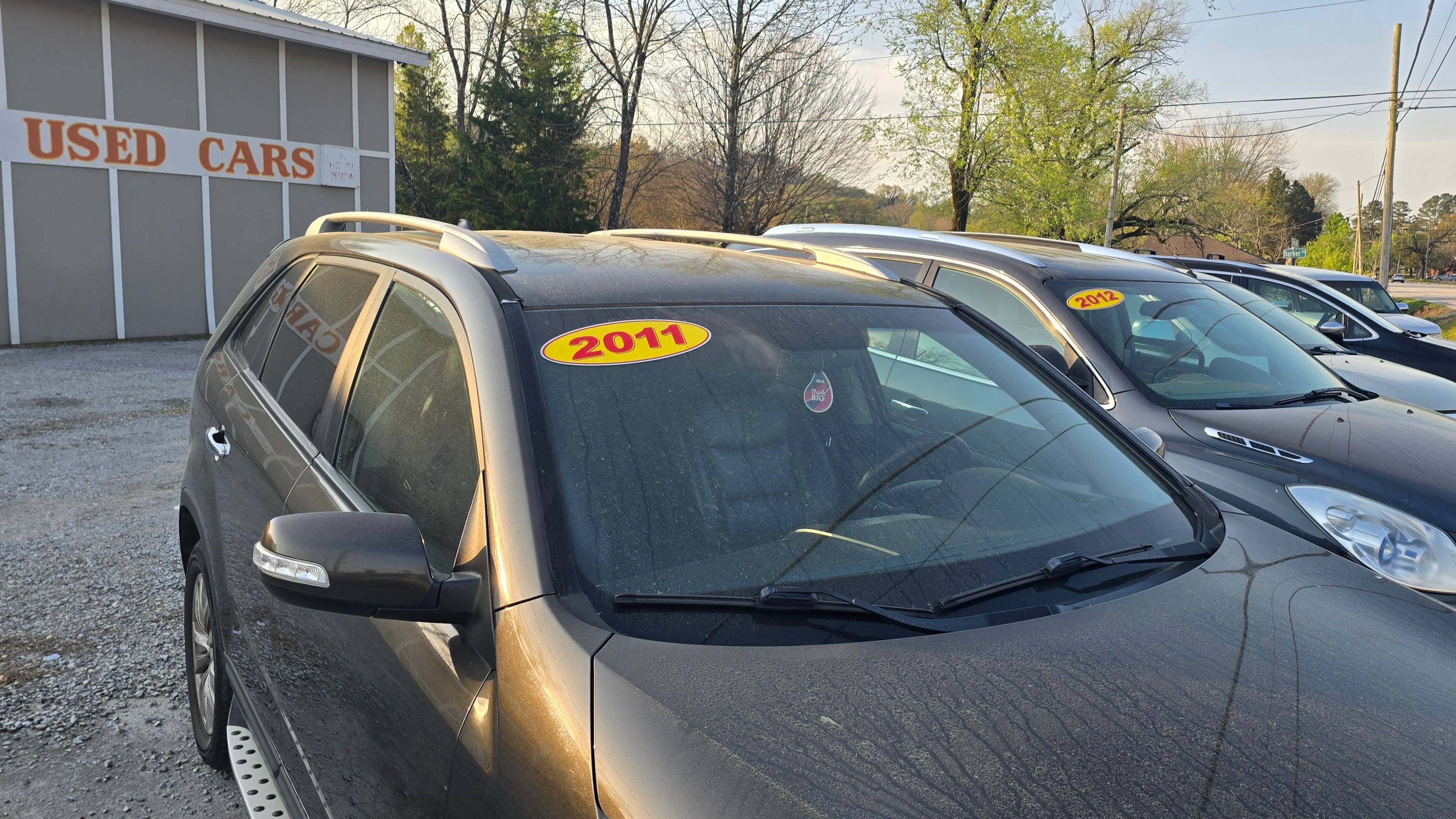
Used car shoppers love rules of thumb. Less than 100,000 miles is good. Fewer birthdays are better. Once a car reaches 10 or 15 years old, it must be too old to buy. Right?
Not necessarily.
Americans are keeping vehicles longer than ever. An S&P Global Mobility report in 2025 said the average age of light vehicles on U.S. roads is now 12.8 years.
Price is pushing many shoppers to consider older used cars. According to Cox Automotive data, the average new-vehicle transaction price is close to $50,000, while the average used-vehicle listing price is around $25,300.
A used car does not become a bad purchase simply because it reaches a certain age. Some older cars are dependable bargains with years of useful life left. Some newer ones are overpriced problems hiding neglect or expensive repairs to come.
The better question is not simply, “How old is too old?” It is, “Too old for what?” A vehicle that makes sense as a cheap second car may be the wrong choice for a daily commuter, a teen driver or a family that wants the newest safety features.
What age does to a car
Most shoppers understand that mileage creates wear. What they sometimes forget is that time does, too.
Rubber seals and hoses dry out. Tires age even if they still have tread. Plastic parts under the hood grow brittle after years of heat and cold. Suspension components wear down. Rust and corrosion can spread underneath a vehicle long before it’s obvious from the outside. Electronics and sensors also become less reliable with age.
That is why an older car with unusually low mileage is not always a hidden gem. A vehicle that has spent years sitting can develop problems. Fluids break down over time. Batteries weaken. Brake components corrode. The odometer may look appealing, but the calendar still counts.
None of this means an older car is automatically a bad idea. It means shoppers should stop treating age as just a number on paper.
Age also changes what you are getting
Even when an older vehicle is mechanically sound, it may be dated where it matters.
Many older cars still provide basic protection with air bags, anti-lock brakes and stability control. But newer models are far more likely to offer features such as automatic emergency braking, blind-spot monitoring and rear cross-traffic alert.
For some buyers, this is where age becomes a deal-breaker. An older used car may save money up front, but it may also require giving up safety features that can help prevent crashes.
When cheap turns expensive
The biggest mistake shoppers make is assuming an older car’s lower sticker price automatically makes it a better value.
An older vehicle can be cheap to buy and expensive to own. A test drive may go smoothly, only for the car to need tires, brakes, suspension work, a battery, an alternator or air-conditioning repairs within the first year. None of those repairs alone means the car was too old. But if several arrive at once, the savings can disappear fast.
Age can also complicate financing. Some lenders restrict loans based on a car’s model year or mileage. Insurance may be another reality check. An insurance company may value an older car so low that even a moderate collision leads to it being declared a total loss.
Parts availability matters, too. An older Toyota Camry or Honda Accord with plentiful replacement parts is one thing. An older luxury model or obscure vehicle with scarce or expensive parts is something else.
So, how old is too old?
There is no magic number. The cutoff depends on the car, its history and what you need it to do.
A 14-year-old sedan with complete service records, a clean history report and a strong prepurchase inspection may be a smart buy for someone who wants basic, low-cost transportation. The same car may be too old for a shopper who needs maximum dependability, minimal downtime or the latest safety technology.
That is the real answer. A used car is too old when its age creates risks, costs or compromises you cannot comfortably accept.
As a vehicle gets older, buyers should demand more, not less. They should insist on maintenance records. They should check tire age, not just tread depth. They should make sure financing and parts availability will not become problems. Most important, they should always pay for a prepurchase inspection from a qualified independent mechanic.
That inspection can reveal rust, leaks, worn suspension parts, aging tires and other trouble signs that a casual buyer would never spot.
In the end, a used car is not too old just because it has celebrated enough birthdays. It is too old when the money saved up front is likely to be outweighed by the repairs, limitations and uncertainty that come with those years.
Chris Hardesty is a veteran news researcher and editor who provides advice on buying, owning and selling cars for Kelley Blue Book and Autotrader.
The Steering Column is a weekly consumer auto column from Cox Automotive. Cox Automotive and The Atlanta Journal-Constitution are owned by parent company, Atlanta-based Cox Enterprises.