Car shopping? There are more choices than ever
I promise I’m not trying to sound like a salesperson when I say this, but there’s never been a better time to buy a car. At least, there’s never been a better time in the history of automobiles when it comes to choice.
Choice of body styles. Choice of how much — or how little — to spend. Even choice of powertrain.

Even if you’re a particular type of buyer with highly niche needs, there’s almost certainly a vehicle, be it new or used, to meet your demands. And if you’re the indecisive type, I recognize there’s a lot to wade through.
The days of only needing to decide whether a 4-door sedan, 2-door coupe, a pickup truck or perhaps a rough-and-tumble SUV was right for you are long gone.
Now you’ll be met with automotive amalgamations like the BMW X6 and the many rivals that have cropped up in the past decade. A high-riding SUV with the fastback body of a coupe, this type of blended body style has caught on with surprising results.
So many body styles
Of course, German luxury rival Mercedes-Benz makes competitors in “coupe” versions of the GLE and GLC, while Audi does the same with models like the Q5 and Q6 e-tron, calling them Sportback models. Even Buick has gotten in on the action with the Envista.
Have you seen it? It looks like a Lamborghini Urus except it has a 3-cylinder engine and costs roughly a tenth of the price. All of these examples trade some of the cargo space you’d get in a more traditional SUV for design, a decision that might leave your pragmatic grandparents scratching their heads.
SUVs aren’t the only ones to see such stylistic blending.
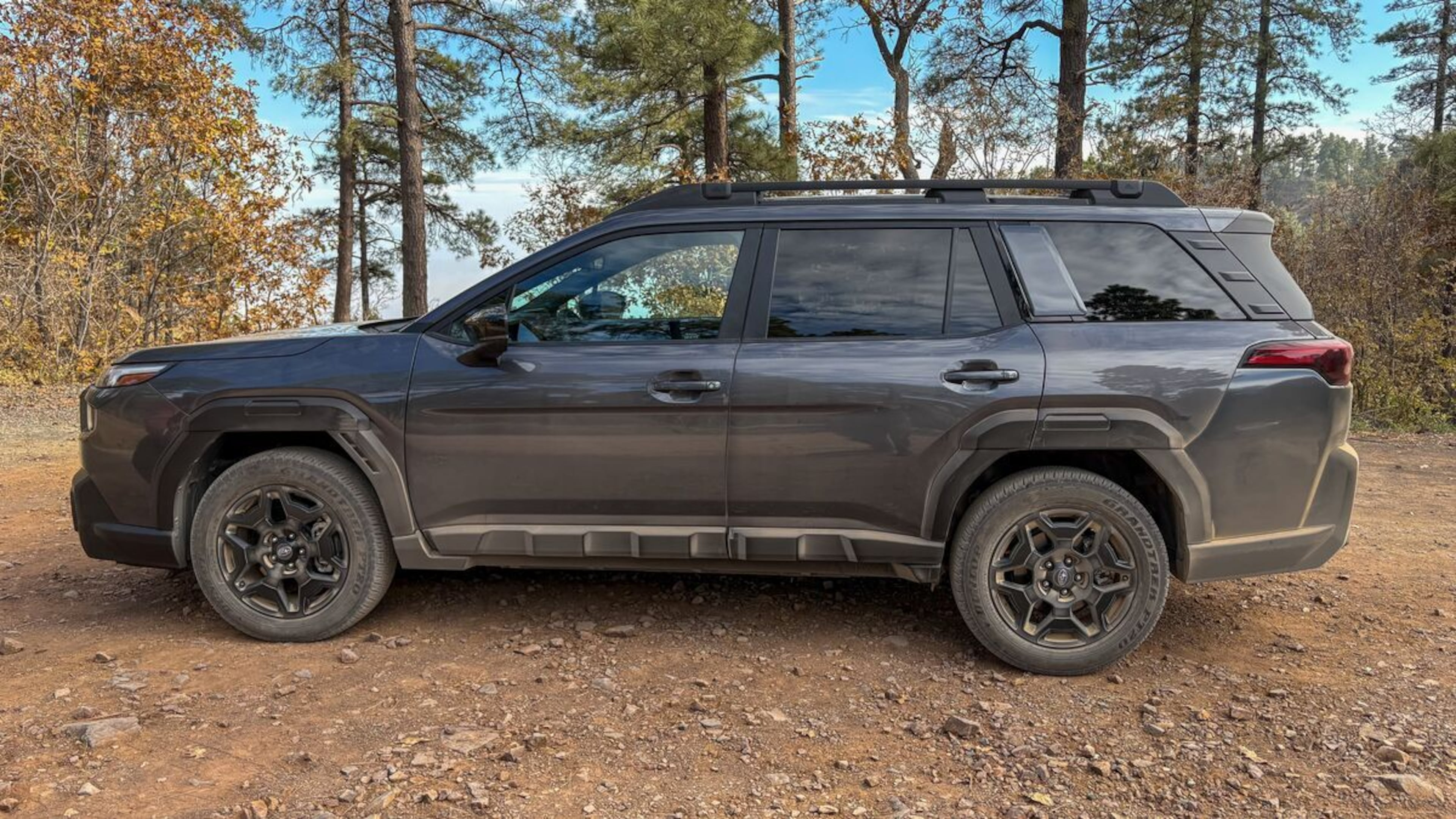
Until just recently we had station wagons getting lifted and ruggedized, with examples like the Volvo V60 Cross Country, Volkswagen Golf Alltrack and Subaru Outback standing on the shoulders of the Eagle models that came before them. The Outback has now transformed into the shape of a real SUV, leaving the Mercedes-Benz E-450 All-Terrain, Audi A6 allroad and V60 Cross Country as the last of the (semi)major players.
Even trucks aren’t immune. The Honda Ridgeline has always been an outlier among trucks, using an untrucklike unibody frame, similar to the Hyundai Santa Cruz. Somewhere from the other side, a rusty Ford Ranchero and Chevy El Camino smile.
And I must mention the really special ones whose existence is even more niche.
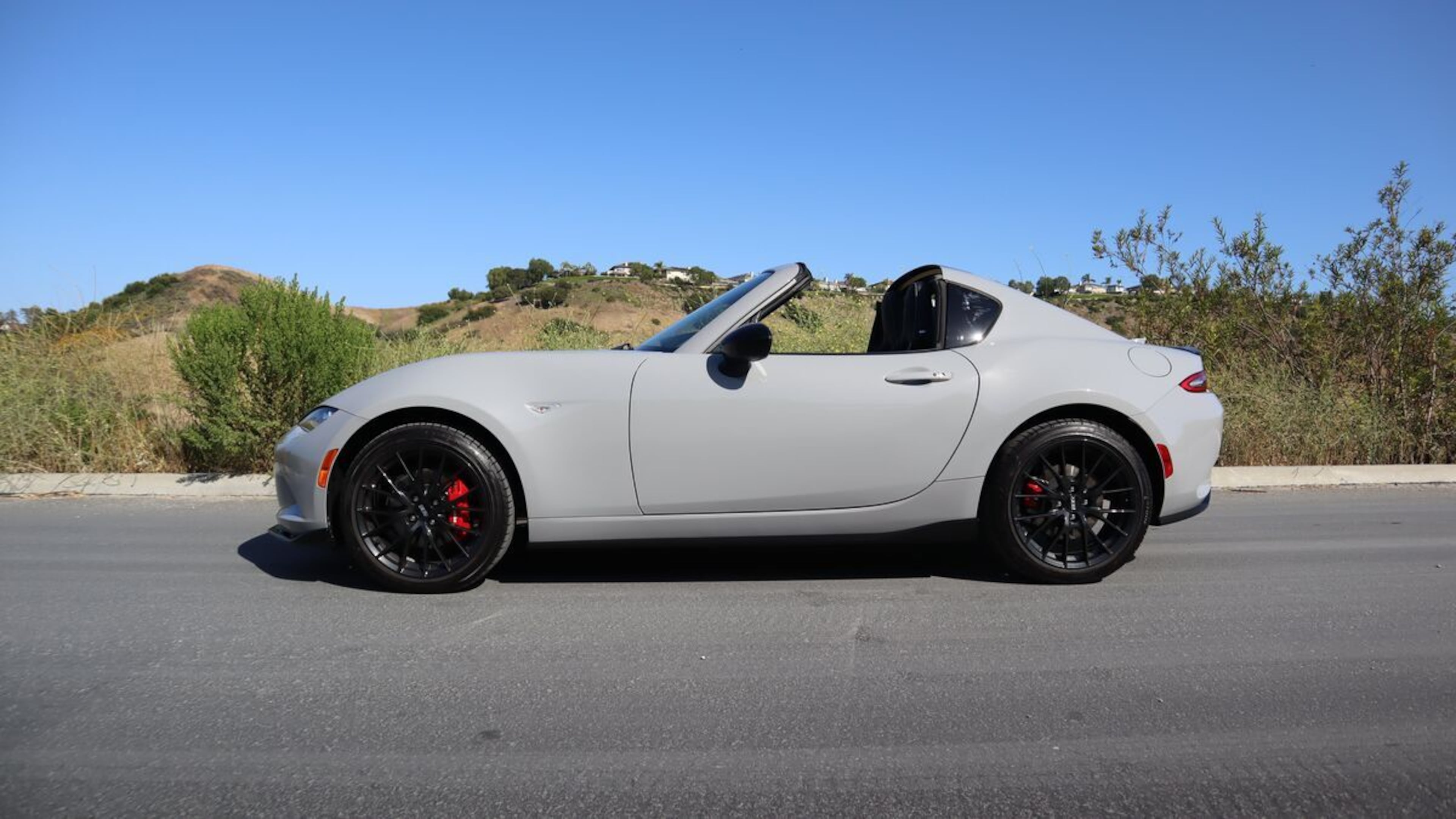
I’m talking about the Mazda MX-5 RF, a roadster with a retractable hardtop panel that is absolutely as joyous to drive and experience as you might think, and the Porsche 911 Targa, which does the same thing but on a totally different level and at a totally different price point.
Vast price range
Speaking of price, prepare for some surprises here, too. If you’re shopping for a new car, it will likely be more of a shock.
According to Kelley Blue Book, the average new car price hit $49,461 in April. I’ll give you a moment to let that sink in: If you’re shopping for a new car, $50,000 is now the norm.
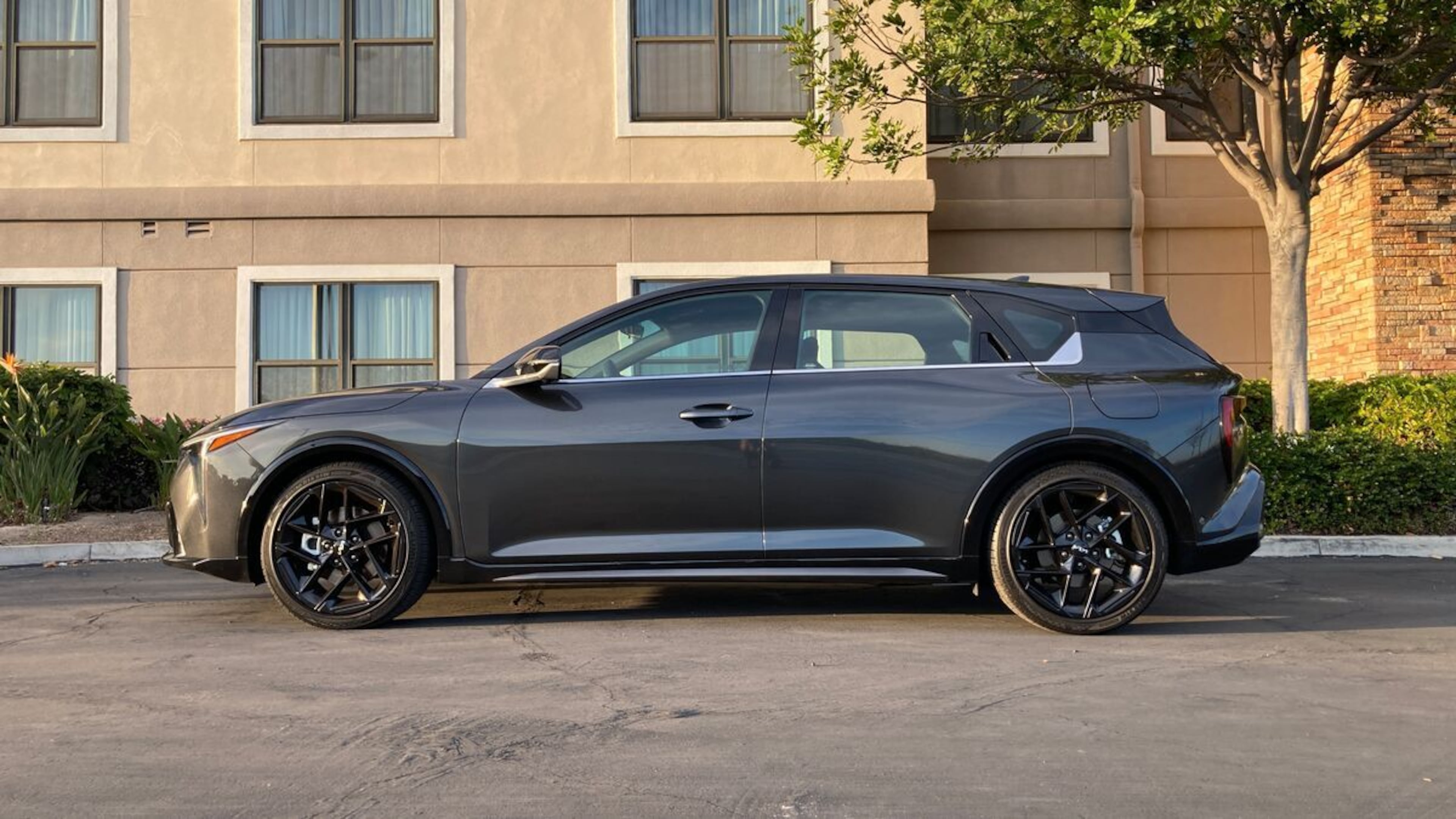
Thankfully, that’s not a requirement. You can still get a few, and I mean just a few, new cars under $25,000 — compact and subcompact vehicles, such as the Hyundai Venue and Elantra, Kia K4, Nissan Kicks and Chevrolet Trax.
There’s far more variety if you don’t have to have that new-car smell. The average used car listed for $26,342 last month, according to Kelley Blue Book, almost 50% less than new cars.
My advice to friends who want the best of both worlds — a new(ish) vehicle without the new-car price tag — is to check out certified preowned models. These are lower-mileage used cars that have been diligently inspected and backed by a warranty similar to a new car.
A certified preowned vehicle will usually cost a bit more than a comparable noncertified used vehicle, but I think the peace of mind is worth it.
Wide variety of powertrains
Finally, you have immense choice when it comes to the kind of engine you want — or if you want an engine at all.
As of this writing, you can buy a brand-new car that runs on batteries and has a range of over 500 miles (the Lucid Air), a luxury sport sedan with a supercharged V-8 engine and manual transmission (Cadillac CT5-V Blackwing), a diesel-powered half-ton truck or full-size SUV (Chevrolet Silverado/Tahoe/Suburban and GMC Sierra/Yukon) or — if you live in certain parts of California — a vehicle powered by hydrogen (Toyota Mirai).
In between all of these are vehicles with gasoline engines ranging in cylinder count from three to 12, and plug-in hybrid vehicles, which I still see as a great option if you can’t decide between a gas and all-electric vehicle.
Will we continue to have such a broad choice of vehicle types, prices and what powers them in the years ahead? Even those of us in the industry can’t tell you for certain. Just a few years ago, most major automakers were in lockstep toward an all-electric future.
That has changed of late, only to have those thirsty for big V-8 engines get bitten by scary-high gas prices.
So the automotive crystal ball is cloudy at best. But what I know for certain is that right now, you have a proverbial buffet when it comes to the choice of your next vehicle.
Matt Degen is a senior editor with Kelley Blue Book and Autotrader. He’s driven and reviewed practically every car model made in the past 15 years, all with the goal of helping shoppers find the right one for them.
The Steering Column is a weekly consumer auto column from Cox Automotive. Cox Automotive and The Atlanta Journal-Constitution are owned by parent company, Atlanta-based Cox Enterprises.