10 car names that returned in surprising new forms
Movie reboots have soared in popularity, with more than a few filmed in and around Atlanta. From last year’s versions of “The Naked Gun” and “Superman,” these films take a familiar name and apply it to something new.
Automakers do the same with cars. A lot.
It’s easy to see why: Brands spend millions developing a model, and nothing identifies it more than its name. But just because a model gets axed doesn’t mean it’s permanently gone.

Usually, revived models return as something similar, like the Acura NSX sports car or Ford Bronco SUV. In weirder cases, the name remains, but the body style, powertrain or both are vastly different.
Here are 10 examples of familiar car names returning in new forms.
1. Toyota C-HR
The first C-HR was an economical subcompact SUV that arrived in 2018. It had quirky styling, mustered a paltry 144 horsepower and offered only front-wheel drive. It disappeared after 2022.
The C-HR returned for 2026 as an all-electric SUV with great looks, standard all-wheel drive and 338 horsepower. It can zoom from zero to 60 mph in under five seconds. Starting at $38,450, including destination, the rebooted C-HR packs substantially more punch than its predecessor.
2. Toyota Venza
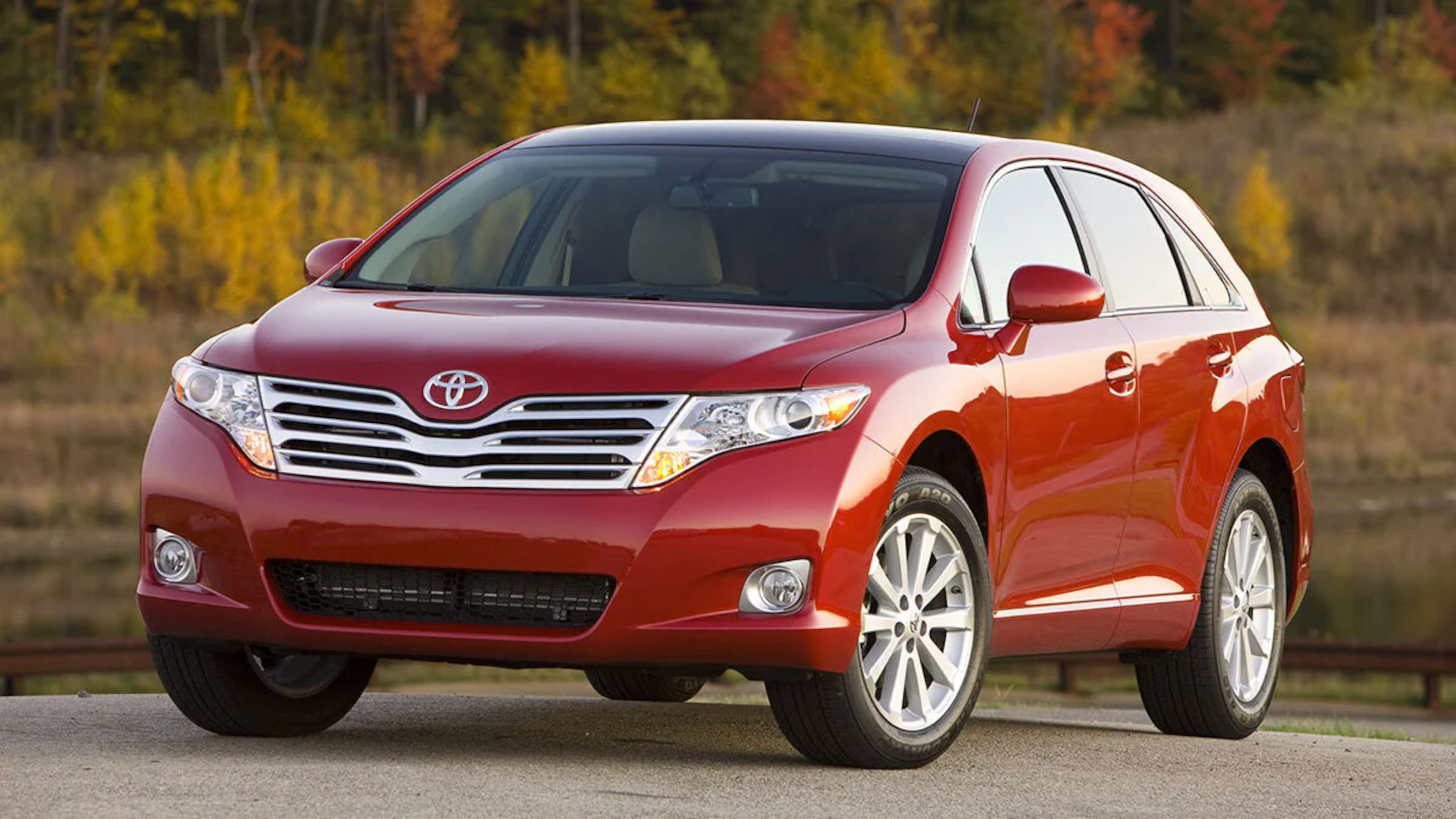
The first Venza arrived in 2009 and could be thought of as a Camry station wagon. It offered impressive cargo capacity, four- or six-cylinder power and optional all-wheel drive. It departed after 2015.
The Venza returned for 2021, this time more SUV than wagon and exclusively a gas-electric hybrid. It offered great fuel economy, standard all-wheel drive and Lexus levels of refinement. Yet the second coming of the Venza had an even shorter run than the first, bidding adieu after 2024.
3. Ford Maverick
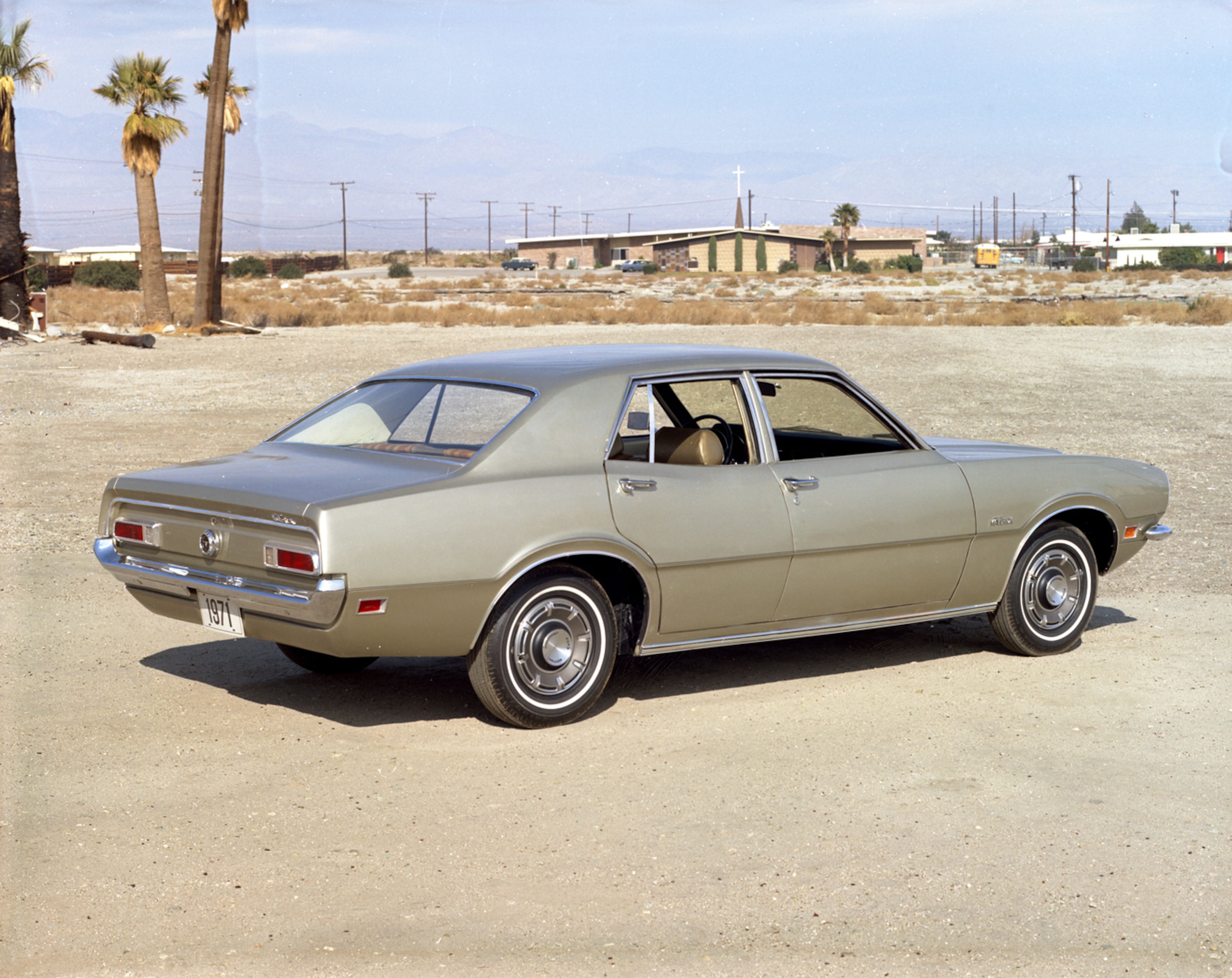
If you’re of a certain age, the Ford Maverick brings to mind an inexpensive compact coupe or sedan from the 1970s. It was meant to battle imports and sold over 500,000 units in its first year.
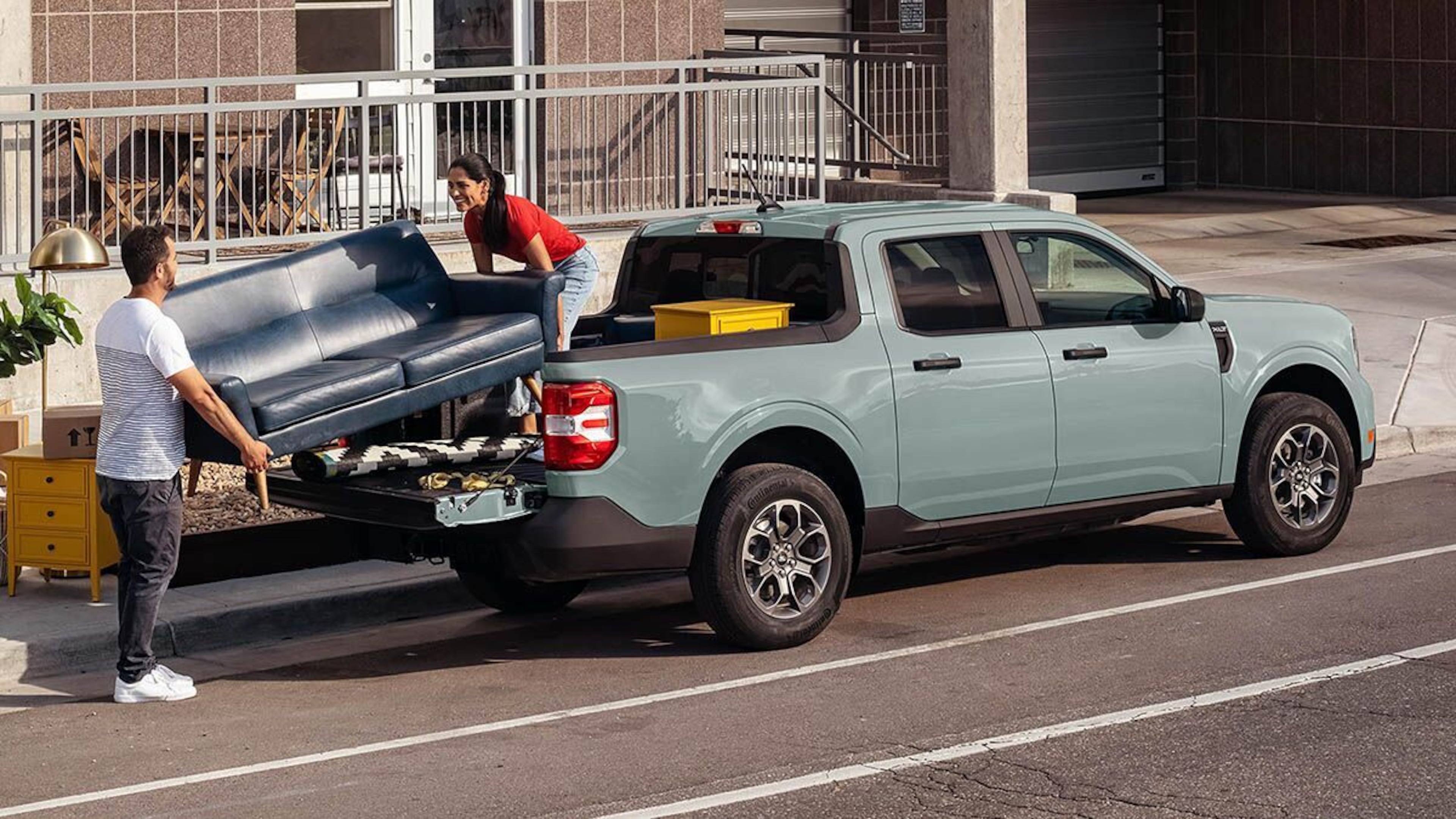
Ford rebooted the Maverick in 2022 as a four-door compact pickup. Though totally different from the original, it still served buyers on a budget. It made headlines with a sub-$20,000 price tag and hybrid powertrain delivering up to 42 mpg in the city. The 2026 Maverick starts around $30,000, still making it one of America’s least-expensive new pickups.
4. Ford Mustang Mach-E
You know the Ford Mustang. Everyone does. Maybe you owned one or knew someone who did. The iconic pony car debuted in 1964 and never went away.
Joining the Mustang club in 2021 was the Mach-E, an all-electric SUV. Yes, we know there were — and still are — eye rolls from those who can’t believe Ford put the Mustang name on an EV SUV.
But one drive in a ’Stang Mach-E and you’ll get it. It’s fast, looks great and is plenty practical. The Mustang helped usher in the pony-car era. The Mach-E brings some of that spirit to electric SUVs.
5. Mitsubishi Eclipse Cross
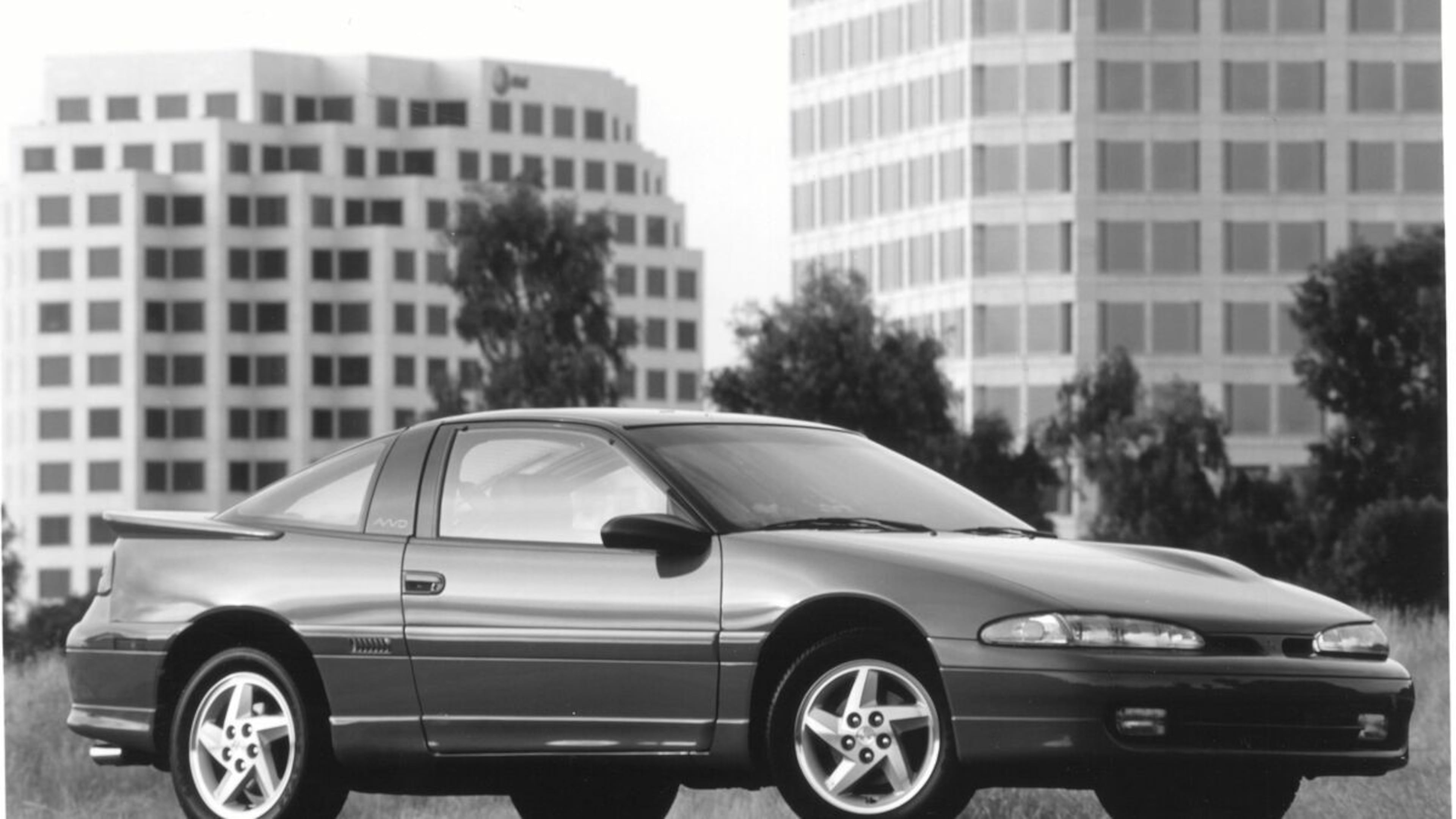
The original Mitsubishi Eclipse arrived in 1990 and became an icon in its own right. The sporty coupe and convertible lasted through 2012, long outliving its early stablemates, the Eagle Talon and Plymouth Laser. Heck, it outlasted those brands themselves.
In 2018, Mitsubishi resurrected the name for the Eclipse Cross compact SUV. It looks sporty and offers all-wheel drive, but trades the go-fast vibes of the original for everyday practicality.
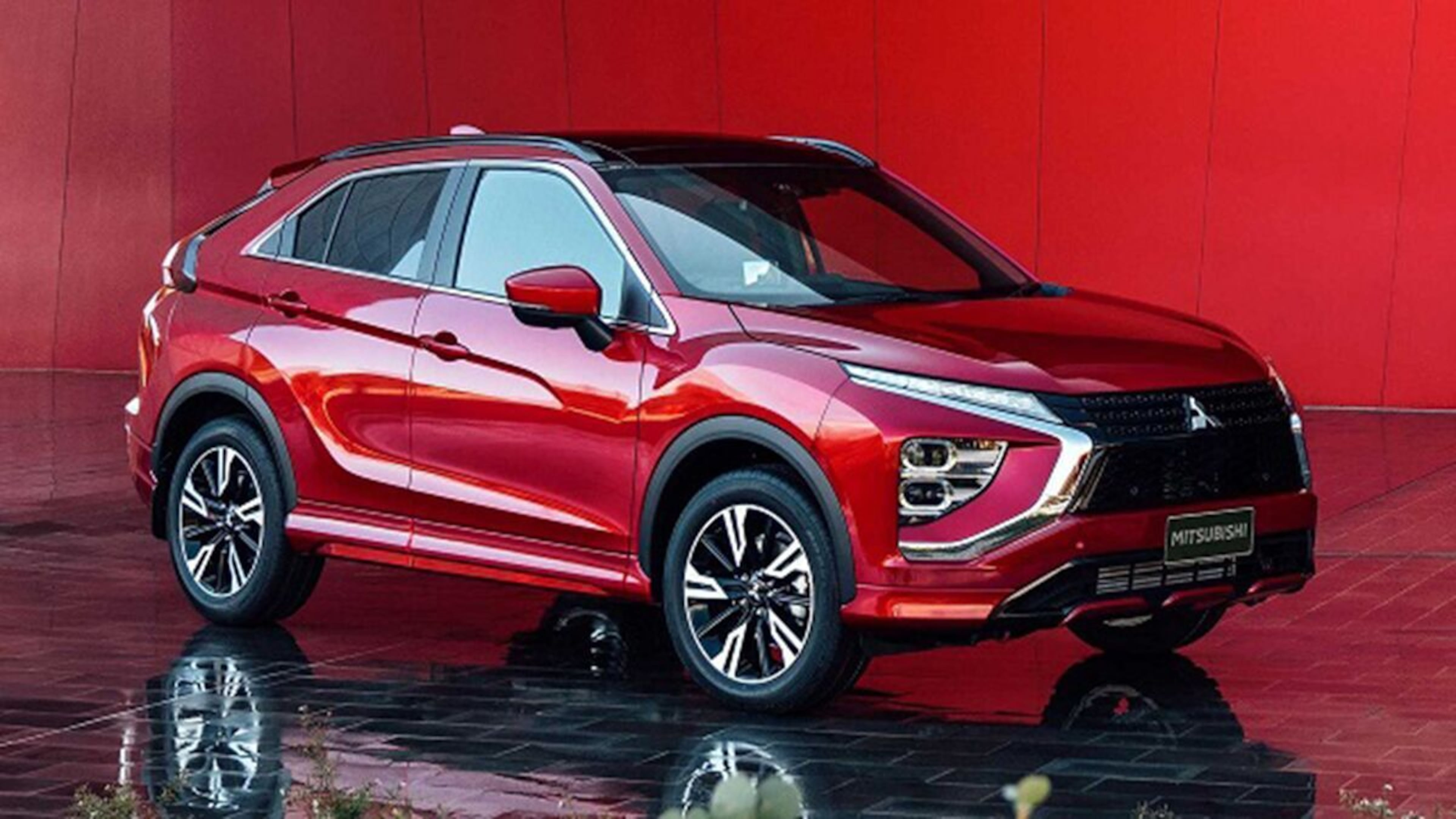
6. Mitsubishi Eclipse Sportback
Mitsubishi is again capitalizing on the Eclipse name, this time with the 2027 Eclipse Sportback, an all-electric subcompact SUV arriving in 2026. Essentially a Nissan Leaf in Mitsubishi clothes, it is being developed with its Japanese alliance partner. The original Eclipse’s sporty coupe personality has given way to electric crossover practicality.
7. Dodge Dart
The original Dart launched in 1960 and lasted through 1976. It took many forms, including sedans, wagons, coupes and convertibles.
Dodge resurrected the Dart name for 2013 as a compact sedan meant to rival stalwarts like the Honda Civic and Toyota Corolla. It tried but ultimately got axed after a few model years. This Dart never quite hit its target.
8. Dodge Charger
The OG Dodge Charger arrived in 1966 as a large two-door coupe, lasting through 1978. It resurfaced for 1982 as a two-door hatchback.
In 2006, the Charger stormed the market as a rubber-burning full-size sedan that gained muscle over the years, culminating in a 797-horsepower variant. That generation lasted until 2023.
The Charger returned yet again, initially as the all-electric Charger Daytona. The latest generation offers two- and four-door versions powered by either twin-turbocharged six-cylinder gasoline engines or electric motors.
9. Chrysler Pacifica
When the Pacifica debuted in 2004, it was arguably ahead of its time. It was a higher-riding wagon with available all-wheel drive and an emphasis on practicality. It rivaled the Subaru Outback until being axed after 2008.
The Pacifica resurfaced for 2017 in the form we know today: a minivan. The latest formula has clearly worked, making the Pacifica a mainstay of the segment.
10. Hummer
From the 1990s until the brand’s demise in 2010, you couldn’t miss a Hummer, literally. The original H1 came from military roots, while later models used GM truck and SUV underpinnings. These behemoth, gas-guzzling vehicles disappeared with the brand.
Hummer rose again in 2022, this time under GMC. Instead of massive gasoline engines, today’s Hummer pickup and SUV use gargantuan battery packs and electric motors.
One thing hasn’t changed: You still can’t miss them on the road. They are absolute beasts, albeit electric ones.
Matt Degen is a senior editor with Kelley Blue Book and Autotrader. He’s driven and reviewed practically every car model made in the past 15 years, all with the goal of helping shoppers find the right one for them.
The Steering Column is a weekly consumer auto column from Cox Automotive. Cox Automotive and The Atlanta Journal-Constitution are owned by parent company Atlanta-based Cox Enterprises.