Federal prosecutors, defenders ask Dickens to hold detainees in Atlanta jail
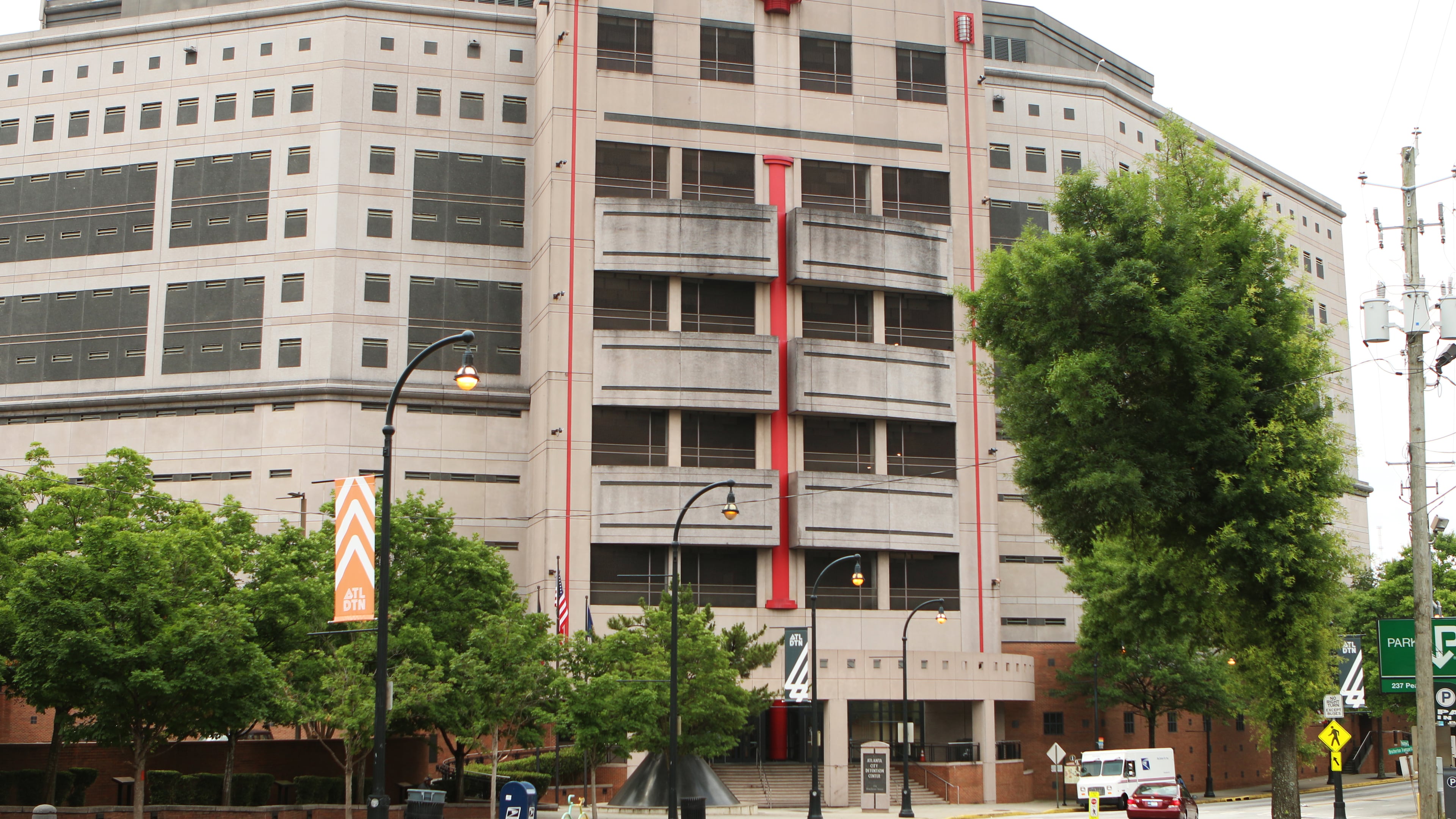


Defense attorneys and federal prosecutors, normally on opposing sides, have asked Atlanta Mayor Andre Dickens for the same thing: to fill vacancies in the city’s jail with hundreds of federal pretrial detainees who otherwise will be moved to a distant facility in Irwin County.
Natasha Perdew Silas, executive director of the Northern District of Georgia’s Federal Defender Program, appealed to Dickens in a letter on Saturday to use some of the hundreds of vacant beds in the Atlanta City Detention Center, located less than a mile from the federal courthouse, for the pretrial detainees. The defender program’s attorneys represent defendants who can’t afford a lawyer.
“These are members of our community who are presumed innocent,” Silas wrote in Saturday’s letter. “Moving them nearly 200 miles away will limit their access to counsel, including timely, confidential meetings needed to prepare their defense. Six hours of round-trip travel for each visit will also consume time needed to investigate cases and prepare for court.”
U.S. Attorney Theodore Hertzberg of the Northern District said he made a similar request of Dickens in August.
The new request comes as the City Council is considering a proposal to sell the jail facility to Fulton County for $68 million. On Monday, a spokesperson for the mayor said Dickens has discussed the issue of holding federal detainees at the ACDC, as the city’s detention center is known, with representatives of the U.S. Marshals Service. But the mayor’s focus remains on selling it to Fulton.
“Given the ongoing discussions surrounding the sale of the facility, we do not have additional details to share at this time,” the spokesperson said in an email.
In late September, the Marshals Service started a phased transfer of the pretrial detainees from the Robert A. Deyton Detention Facility in Lovejoy to the Irwin County Detention Center in Ocilla, both of which are privately run. The Marshals Service has given no public explanation for the move, which has drawn opposition from federal judges in Atlanta, along with prosecutors and defense lawyers.
Even the U.S. marshal for the Northern District of Georgia opposes the plan, but has been overruled by officials in Washington, D.C., according to Chief U.S. District Judge Leigh Martin May.
Fulton County has been housing detainees at the Peachtree Street facility for nearly four years, leasing bed space from the city as Sheriff Patrick Labat deals with staffing woes and a federal consent decree requiring improvements to poor conditions faced by inmates at the county’s Rice Street facility.
The city detention center has a total of about 1,300 beds, a majority of which are unoccupied, said Fulton County Superior Court Judge Robert McBurney, who co-chairs a justice board that seeks alternatives to incarceration in metro Atlanta.
Fulton leases 700 of those beds from the city under a contract that expires in December, but only 474 of those 700 were filled on Monday.
The facility’s other 600 beds remain unused except for a few dozen occupied periodically by city arrestees, McBurney said, adding the facility “unquestionably” has room for the federal detainees.
“The real obstacle is largely logistical: Who would staff the jail?” McBurney said Monday in an email to The Atlanta Journal-Constitution. “The County has leased 700 beds from the City but that contract includes beds only, not jail staff. We provide our own jailers for the beds we fill.”
The ongoing negotiations between the city and county over the sale of the detention center further complicate housing the federal detainees there, though they do not prevent it, the judge added.
“These detainees are going to remain in custody whether they move all the way to Irwin County or they stay here, closer to their families and their lawyers,” the judge said. “If the City wants to make the beds available, it can — but the Marshals Service would need the staff to secure those beds.”
Silas, of the Federal Defender Program, argues that holding the detainees in Ocilla, a six-hour round trip drive from Atlanta, would interfere with their Sixth Amendment right to effective assistance of counsel.
On Monday, U.S. Attorney Hertzberg said in a statement to the AJC he met with the mayor in August, along with representatives of the Marshals Service, to discuss using the city detention center.
“Although ACDC may need to hire staff to accommodate everyone, taking custody of one or two dozen detainees now would provide some immediate relief and provide the City with capital to support recruitment and build capacity for the future,” Hertzberg said.

“I share many of the concerns raised by the Court and defense bar,” he added. “I also know that keeping detainees close to the courthouse promotes prompt resolution of criminal cases — a particular concern of mine, given my push to increase the volume of federal prosecutions while avoiding all unnecessary delay.”
Longtime Atlanta City Council member Michael Julian Bond noted temporarily housing federal detainees for the U.S. Marshals Service was among the original purposes of the Atlanta City Detention Center.
But when then-Mayor Keisha Lance Bottoms’ administration announced in 2018 it would no longer hold ICE detainees, Bond said the jail’s relationship with the marshals was thrust into limbo.
Since then, he said he’s heard complaints from attorneys who say their clients keep getting pushed farther from the federal courthouse downtown.
“It’s hard on their families,” he said. “It’s hard on their lawyers.”