Plan to move detainees to South Georgia illogical, defense attorneys argue
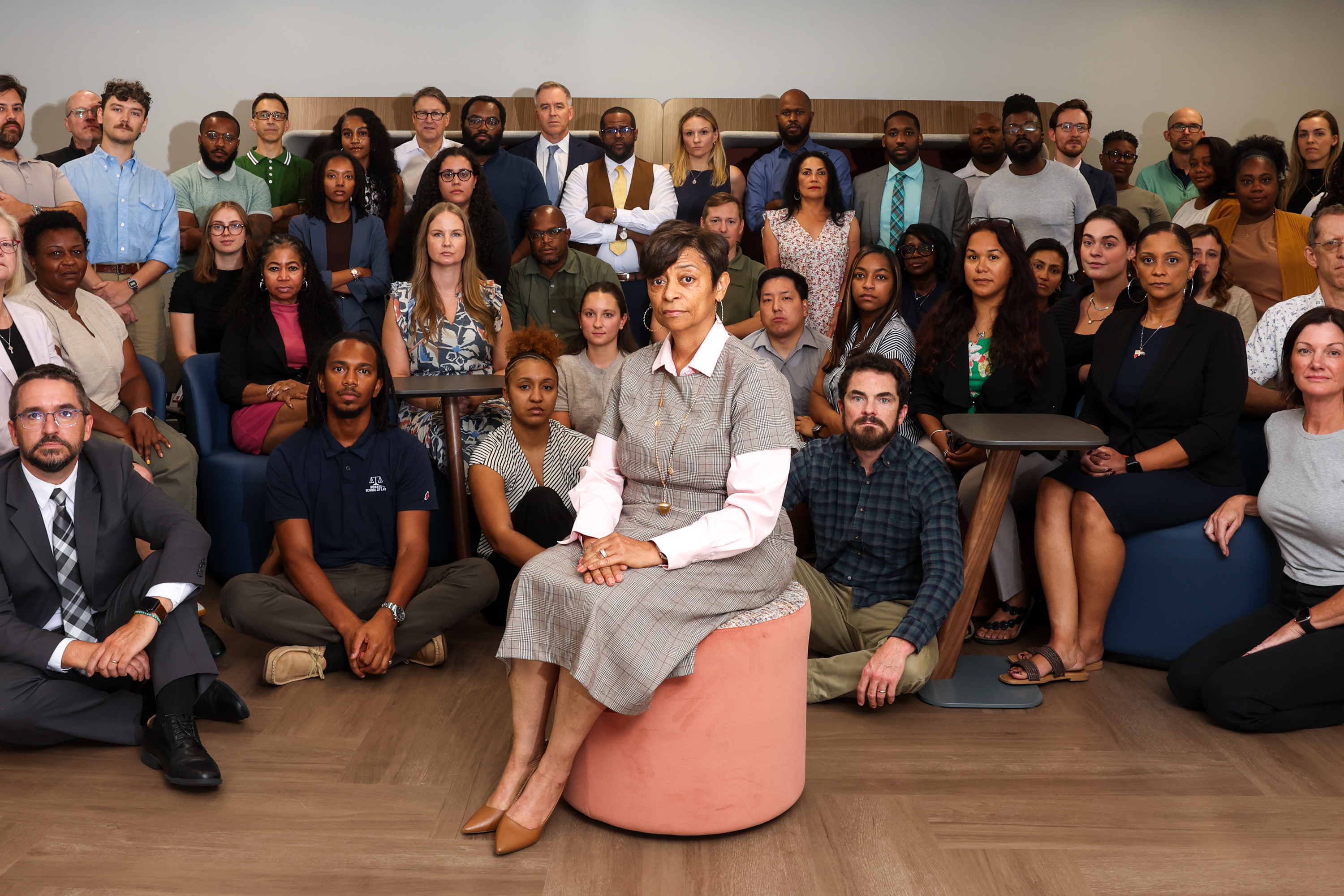
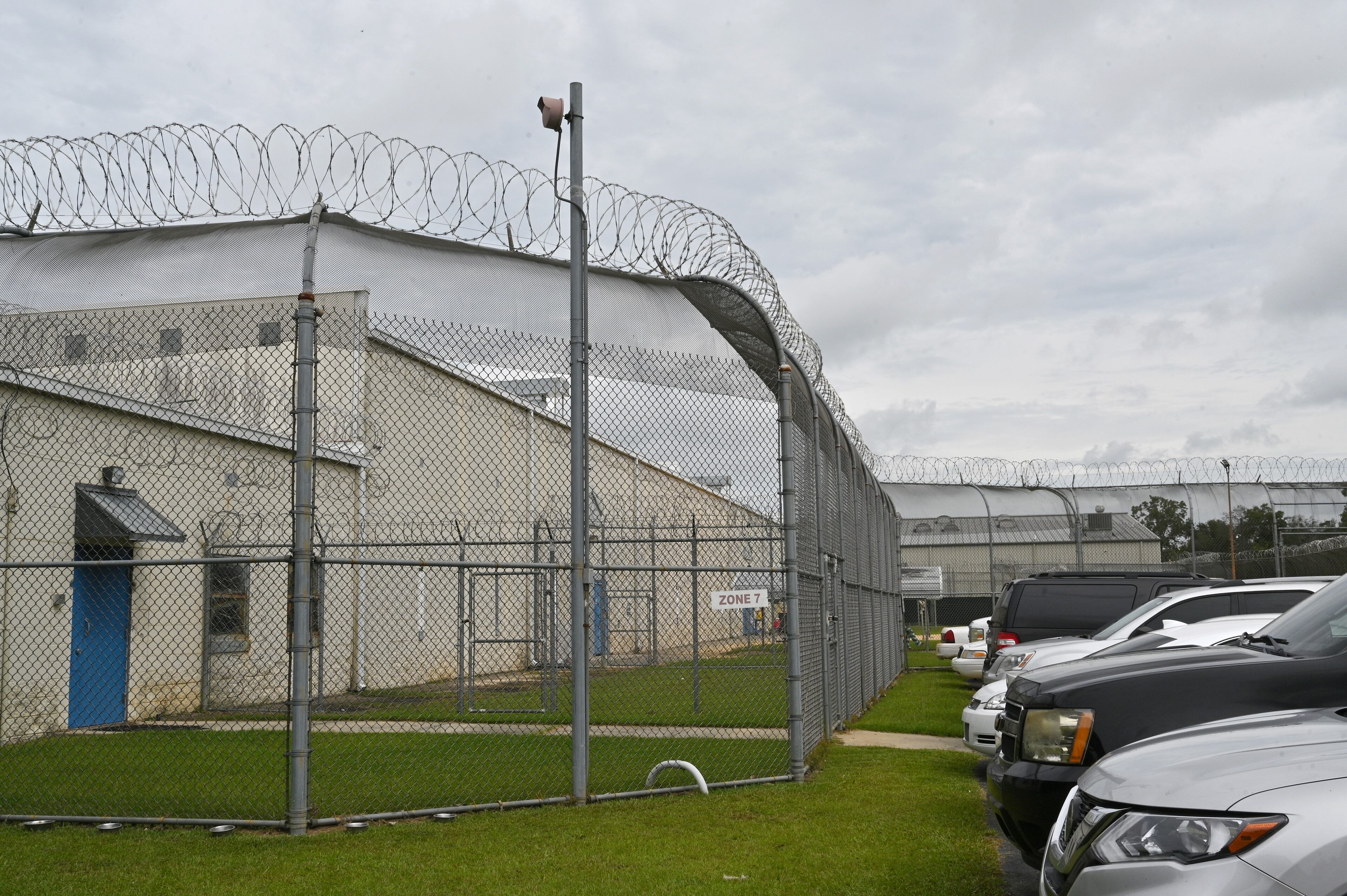
Defense attorneys are asking federal judges to block the U.S. Marshals Service from moving pretrial detainees from metro Atlanta to a facility in Irwin County, as the detainees and their families worry about the impacts of them being jailed nearly 190 miles from the federal courthouse in Atlanta.
Attorneys for the Northern District of Georgia’s Federal Defender Program, which represents more than half of roughly 400 detainees slated to be moved from a facility in Lovejoy to one in Ocilla, have filed motions on behalf of a handful of the detainees seeking to block the transfers.
The attorneys expect to file similar requests for dozens more clients in the future.
The Federal Defender Program argues the phased transfers, which began last week, will violate their clients’ constitutional rights to a speedy trial and effective assistance from counsel. The defense attorneys also say the Marshals Service has “swerved away” from a policy of trying to hold pretrial detainees within 50 miles of the courthouse where their cases will be heard.
“An arm of the federal government has unilaterally, illogically and without explanation chosen to move pretrial detainees hundreds of miles away from the courthouse and from their attorneys,” several of the motions state.
The U.S. Marshals Service declined to comment on its reasons for cancelling its contract with the privately-run Lovejoy facility and moving the inmates to Ocilla — a decision that faces opposition all over Atlanta’s legal community: from federal judges, prosecutors and defense attorneys.
Even the U.S. Marshal for the Northern District of Georgia opposes the plan, but has been overruled by officials in Washington, D.C., according to Chief U.S. District Judge Leigh Martin May.
In an August letter to a U.S. Department of Justice official, May said detainees could raise constitutional concerns about their ability to prepare an adequate defense because of the change. The move also will waste taxpayer dollars on travel costs and cause the delay or cancellation of court proceedings, the judge wrote.
Studies have found the detention of pretrial defendants negatively impacts their ability to assist in their defense, can lead to longer sentences and can make defendants more likely to commit future crimes. The negative effects are exacerbated when detainees are held far from the courthouse, said Sandra Mayson, a law professor at the University of Pennsylvania who has researched the effects of pretrial detention.
Brianna Stewart, a Fulton County resident, said her boyfriend is among those to be moved from the Robert A. Deyton Detention Facility in Lovejoy to the Irwin County Detention Center in Ocilla. She said the 30-year-old, who is accused of abetting an illegal gun purchase, will be too far away for her or his sister to visit.
“He’s worried because he doesn’t have anybody,” in South Georgia, Stewart said in an interview. “That’s a new territory for him.”
Another Fulton County resident, Shaketa Turner, said she worries about whether the Irwin County facility will be safe for her 20-year-old son, an Atlanta native facing a charge of conspiracy to sell firearms.
Turner, a single mother of 11 children, five of whom are under age 18, said she does not have a car and was only able to visit her son in Lovejoy when her oldest daughter could drive her to see him. Turner said the car probably can’t make the trip to Ocilla.
“Y’all are just up and moving them and nobody knows why,” Turner said of the U.S. Marshals Service. “They haven’t even been to court.”
The Federal Defender Program, which represents defendants who cannot afford to hire their own lawyer, has filed motions on behalf of at least six individual clients asking a judge to either block the transfer or release them on bond.
Judges gave federal prosecutors deadlines to respond to a few of the motions. In one case, Judge May denied the request to block the transfer of a detainee, calling it “premature,” though the defense can refile the motion to include more evidence. May also declined to revoke the same man’s detention order, ruling that “the alleged violation posed a serious danger” to the community.
The U.S. Attorney’s Office declined to comment on the six cases or on the Marshal Service’s plan to transfer the detainees.
A review of court records for the six detainees shows that federal prosecutors have accused two of racketeering and drug-related offenses for the street gang Sex Money Murder; one of unlawfully transporting firearms; a fourth of fraud; another of sex trafficking two minor victims and producing child sexual abuse material; and one of possession of a substance containing fentanyl with the intent to distribute.
Natasha Perdew Silas, executive director of the Federal Defender Program, said her staff will file such motions on behalf of any of their clients who object to being moved to Ocilla, which she expects to be dozens.

Silas said she believes the defender program represents at least 228 of the roughly 400 detainees. The vast majority of the others are represented by a panel of about 90 private attorneys who also represent indigent defendants, said Lynsey Barron, a criminal defense attorney who leads the panel.
Barron said the panel’s attorneys are also outraged by the plan, because it will limit how often the attorneys can meet with their clients, many of whom face minimum-mandatory prison sentences of 10 to 15 years.
The attorneys will spend six hours driving to see their clients, round trip, instead of spending that time working on their cases, Barron said.
Then there is the financial cost of all that travel.
“Taxpayers are going to be spending about $1,000 unnecessarily every time an attorney goes and visits their client,” Barron said. “It’s just a horrific and irresponsible use of taxpayer money.”