Citing unanswered questions, City Council delays vote to sell Atlanta’s lockup
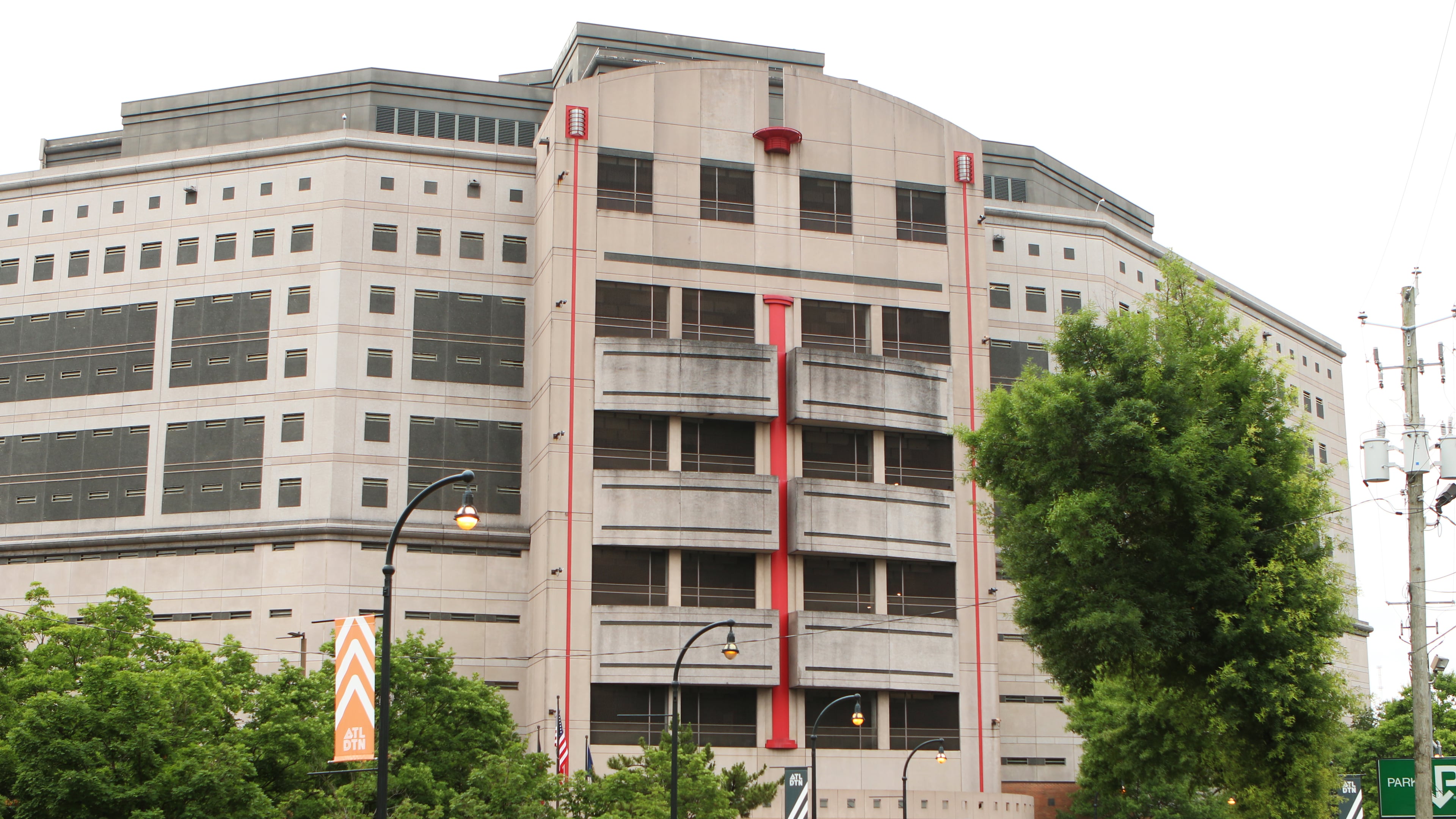

A proposal to sell the Atlanta City Detention Center to Fulton County for $68 million remains on hold for now, as City Council members work through the logistics of the deal.
The council’s Finance Committee delayed approving the measure, citing lingering questions about funding, proposed renovations and what might happen to the city’s 182 corrections employees if the sale is approved.
The city currently spends about $30 million a year on corrections, Atlanta’s Chief Financial Officer Mohamed Balla told council members Wednesday.
Negotiations with county officials are still underway, but city leaders would likely keep a reduced staff in place and continue housing Atlanta’s detainees at the facility if the sale goes through.
In a letter to City Council members outlining the terms of the proposal, Balla said the detention center currently operates “well below capacity.”
Under the proposed terms of the sale, he said Atlanta would retain space for its own detainees at the detention center while Fulton would assume operational responsibilities for the rest of it.
“This would substantially reduce the city’s annual cost,” he wrote, telling council members the city could reduce its corrections budget by as much as $20 million a year.
Additionally, he suggested council members could take the $68 million from the sale and put the proceeds toward one-time expenses. Examples he gave include things like affordable housing, new grocery stores, healthcare facilities or even infrastructure projects.
As for Atlanta’s corrections employees, Balla said none of the detention center staff would be dismissed. While some may choose to retire, he said each employee “would have a path to continued employment with either the city or Fulton County.”

“The administration has made a commitment that no employees will be impacted,” Balla told council members.
Elder Dancy, Atlanta’s chief of corrections, told council members a transition team is working with human resources to answer employees’ questions and identify “transferrable skills” for those who might need to find new positions.
“We’ll be able to drill down and make some decisions for those that are going to be staying, and those that may have to look for employment elsewhere,” Dancy said this week.
City leaders say selling the detention center would likely mean Atlanta is off the hook in terms of costly renovations at the facility. And since most Atlanta residents pay Fulton taxes, selling the detention center could also help offset some of the costs associated with the county’s $1.3 billion planned renovation of the main Rice Street jail.
Finance Committee Chairman Jason Winston said he and his colleagues still have questions about the terms of the proposal. That includes the number of employees that would be retained and exactly how much money the city stands to save annually.
“We need to be able to see those numbers in front of us to be able to lay out what that looks like financially,” Winston said, suggesting council “slow down a little bit” and make sure everyone is on the same page before rushing into the 50-year commitment.
The committee will take another look at the plan in two weeks.
Some of Winston’s colleagues have already announced their intent to vote against the sale. The most outspoken critic has been longtime City Council member Michael Julian Bond, who said he opposes selling city property in nearly every instance.
“This is not in the best long-term interest of the city,” he said at Monday’s Public Safety Committee meeting. “... I wouldn’t sell my house and then turn around and try to negotiate to rent a room out of the house that I just sold.”
But that is exactly what the mayor’s office is asking the city to do by selling the detention center, Bond said.
He also acknowledged that Atlanta is the “No. 1 contributor” to the large number of people arrested, incarcerated and tried by Fulton County.
Some council members have long said that Atlanta and Fulton could do a much better job diverting more of its criminal cases.

Council member Wayne Martin said, if the sale goes through, he would like any recurring savings to go toward diversion and mental health programs, “so that we can keep people out of jail.”
Local advocates have long urged Atlanta Mayor Andre Dickens and other city leaders to shutter the detention center entirely and repurpose the facility. It’s an idea Dickens himself supported during his time on the Atlanta City Council.
Fulton County has been housing detainees at the Peachtree Street facility for nearly four years, leasing bed space from the city as Sheriff Patrick Labat deals with staffing woes and a federal consent decree requiring improvements to the “abhorrent” conditions faced by detainees at the county’s Rice Street facility.
That detention center lease is set to expire Dec. 8.