Looking back: 30 years since the Olympics in Atlanta
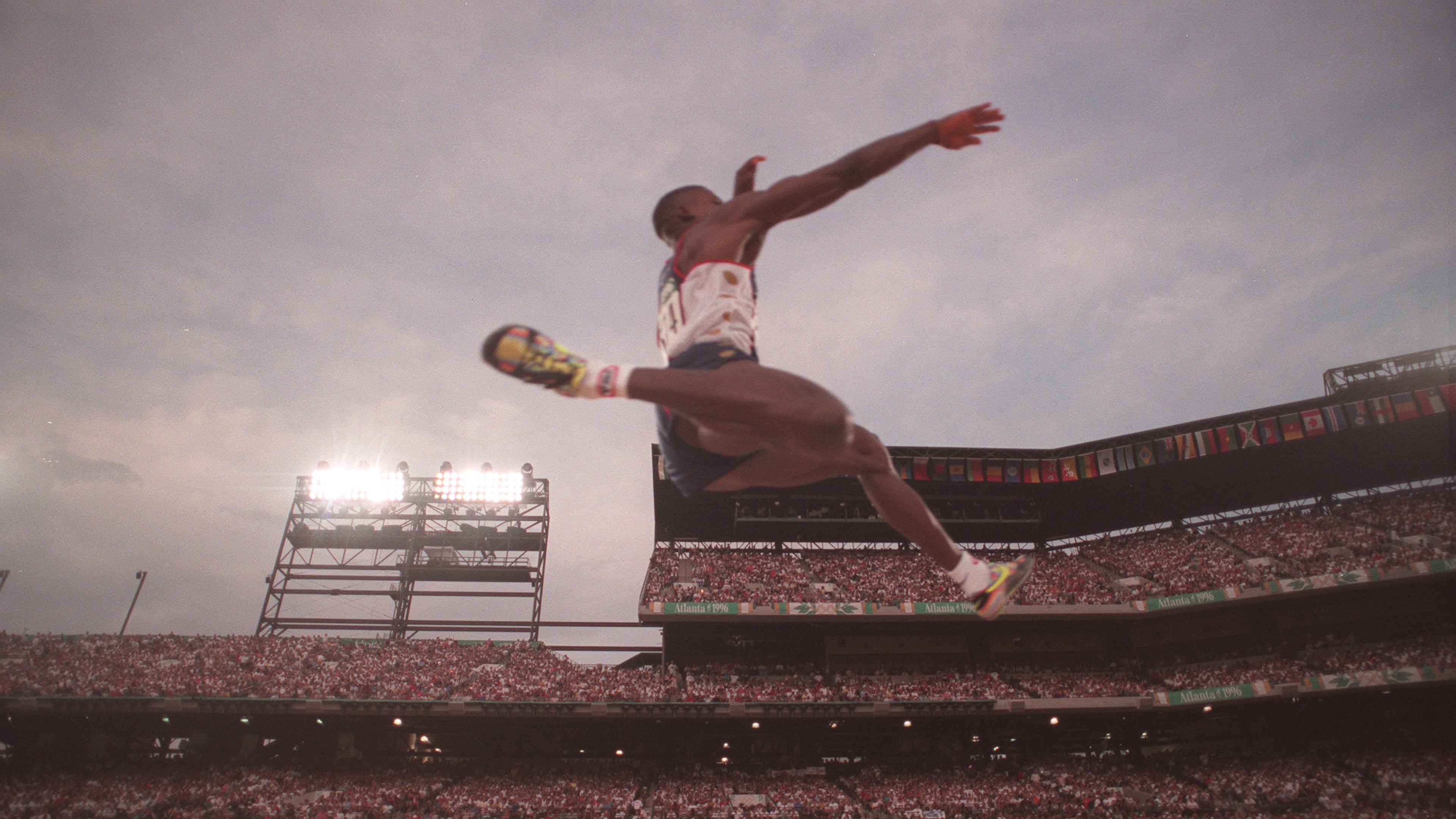
Thirty years ago, in the summer of 1996, the city of Atlanta played host to the Centennial Olympic Games. The event brought in millions of spectators and incredible athletes from around the world.
The Atlanta Journal-Constitution took a look through our photo archives to highlight some key moments from the Atlanta 1996 Olympic Games.
William Porter ‘Billy’ Payne
Atlanta real estate attorney William Porter “Billy” Payne was the visionary behind Atlanta’s Olympic bid and served as chief executive officer of the Atlanta Committee for the Olympic Games, or ACOG. Winning a bid to host the Games would be difficult, but winning the bid to host the Centennial Games would be an even greater challenge. This did not discourage Payne in the slightest. He spent years building support for Atlanta’s bid and advocating for the city’s vision with members of the International Olympic Committee. His hard work paid off when Atlanta was ultimately chosen to host one of the biggest sporting events in the world.

It’s Atlanta!
On Sept. 18, 1990, International Olympic Committee President Juan Antonio Samaranch announced that Atlanta had been selected to host the 1996 Games. This decision came as a surprise because many thought the Centennial Games would return to Athens, Greece, originator of the ancient Games and where the first modern Olympics had been held a century earlier, in 1896. Instead, the honor went to Atlanta. City leaders immediately began preparing and formed ACOG.

Preparing Atlanta for the Centennial Games
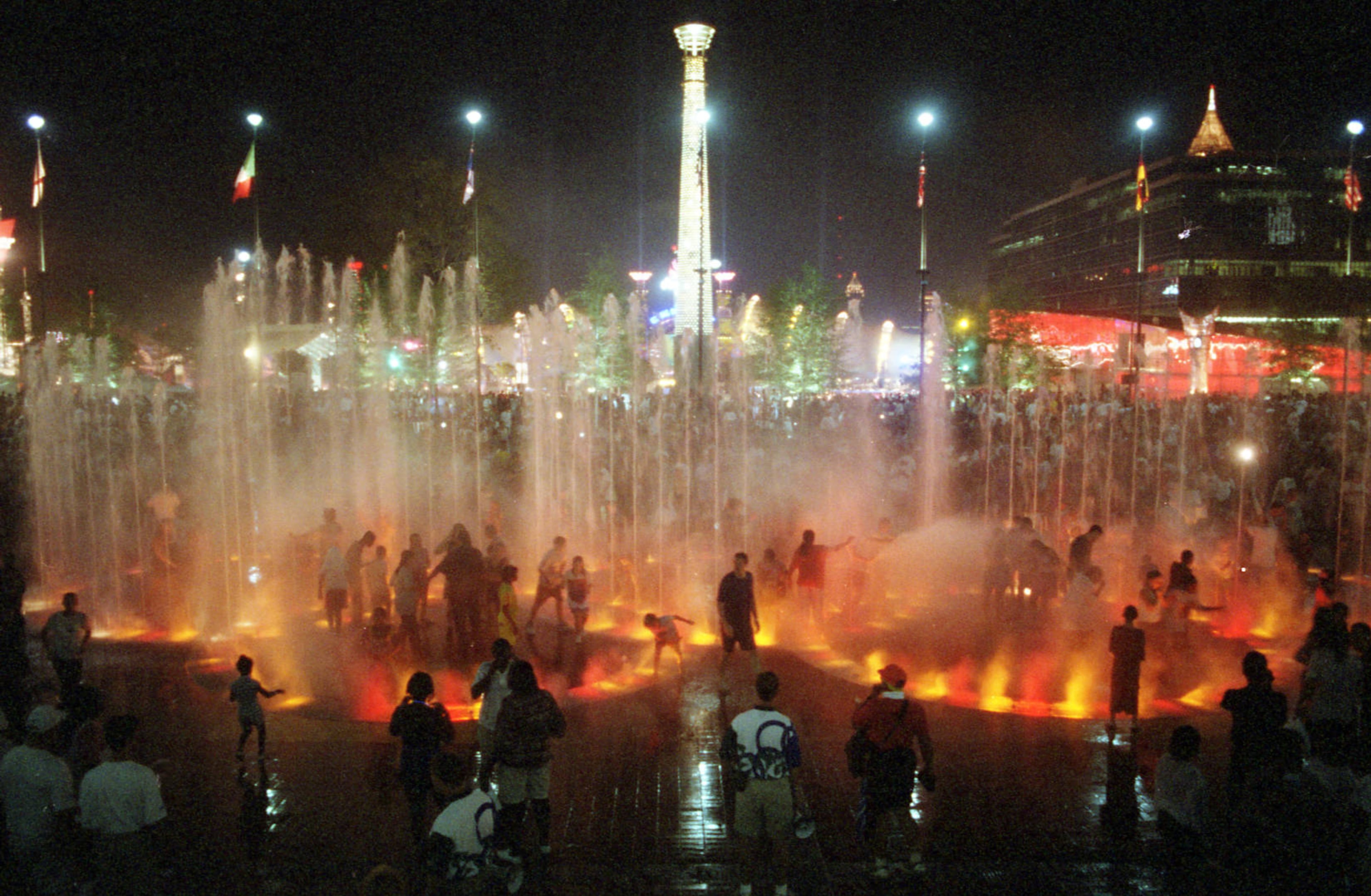
In preparation for the Games, Atlanta underwent a transformation that reshaped the city. New venues were built, existing structures were renovated, and public spaces were revamped. One of the major projects conducted was the construction of the Centennial Olympic Stadium, which held the opening and closing ceremonies and certain competitions. Later, the stadium was converted into Turner Field for the Atlanta Braves and now serves as Georgia State University’s football stadium. Additionally, the city built Centennial Olympic Park, covering more than 20 acres in downtown Atlanta, to serve as a gathering place for visitors. The Fountain of Rings remains a popular attraction, and the park was recently the home to FIFA Fan Fest during this summer’s World Cup.

Olympic Games opening ceremony
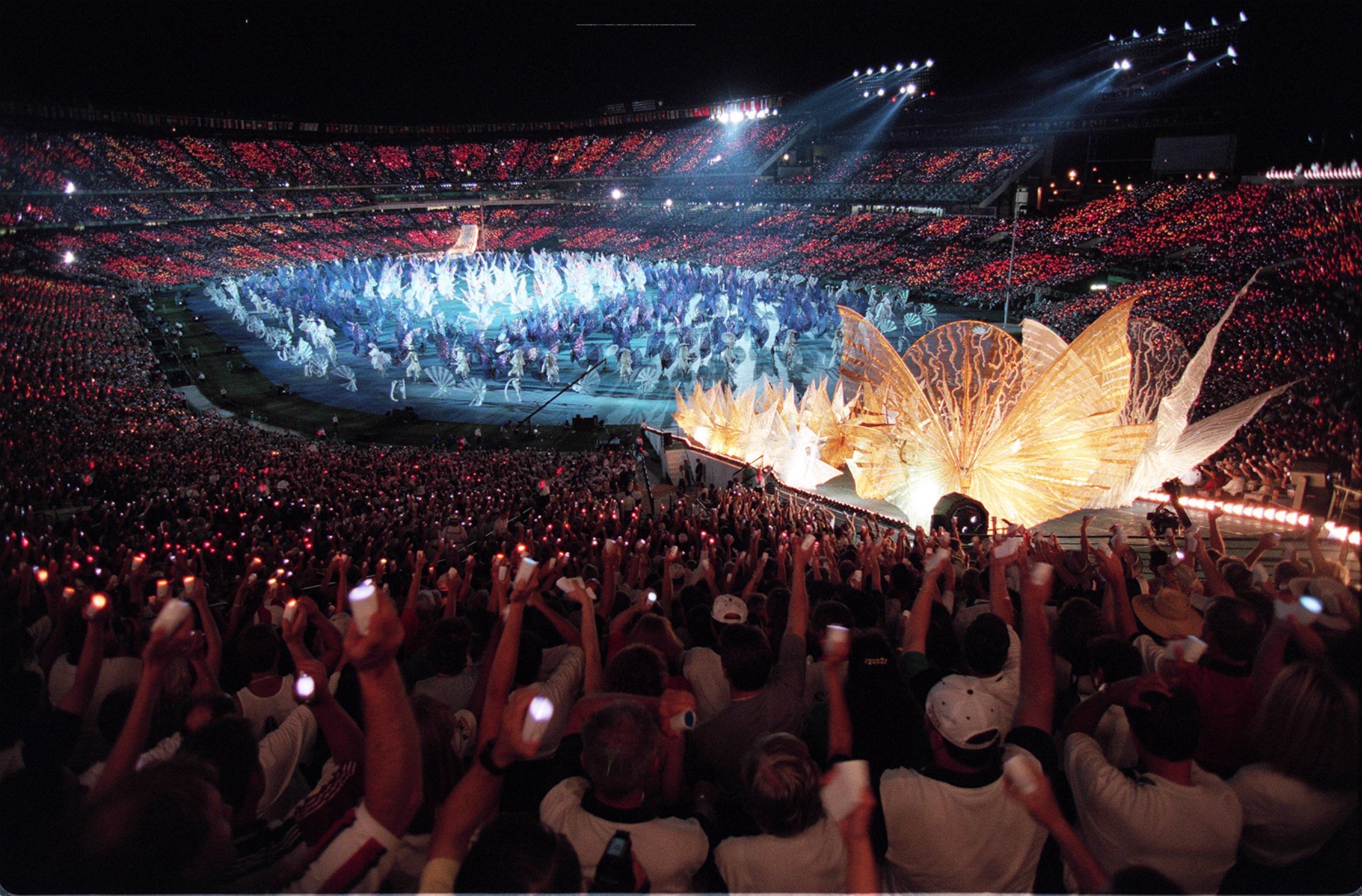
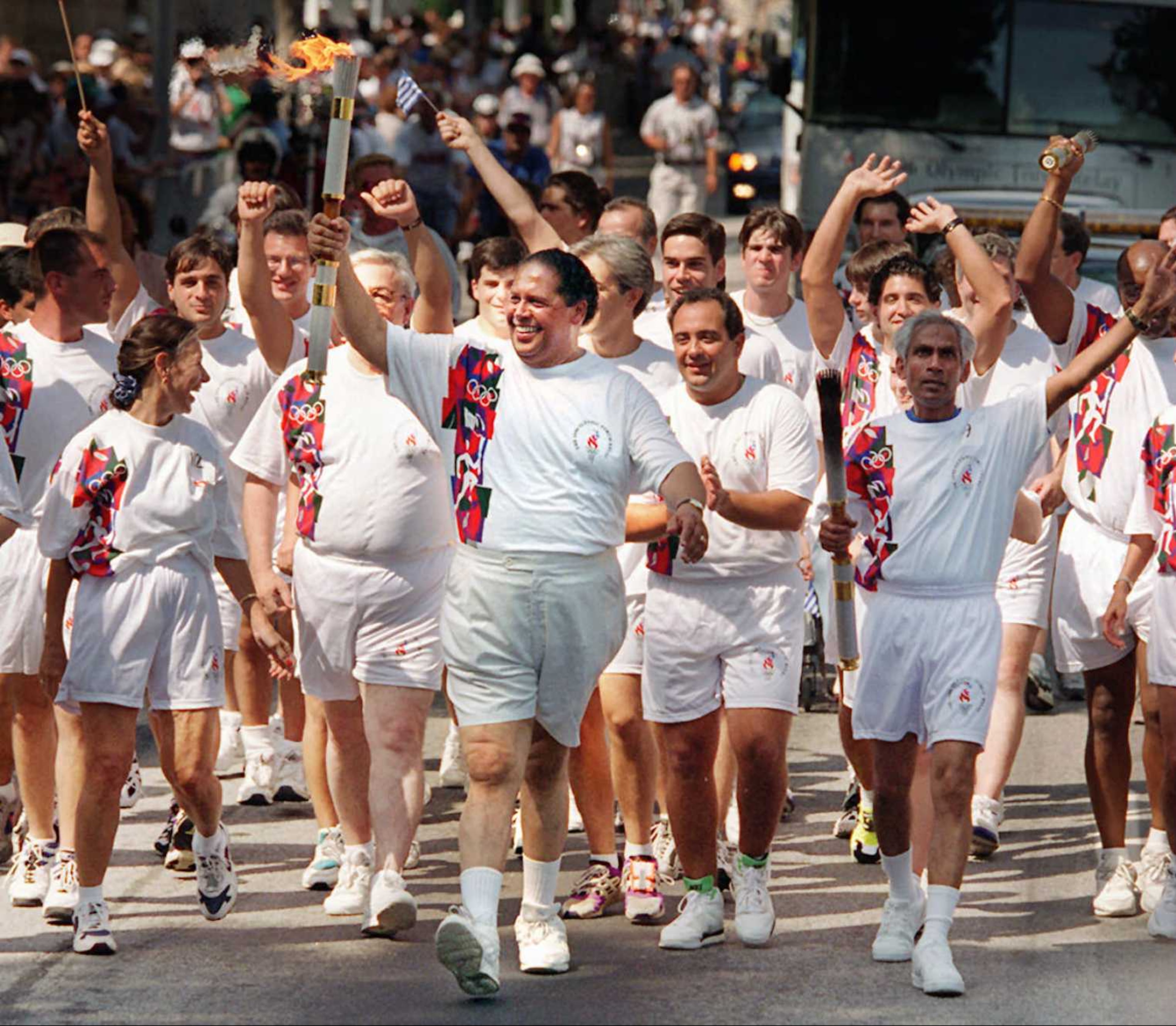
The opening ceremony of the Centennial Olympic Games took place on the evening July 19, 1996, at the Centennial Olympic Stadium. This celebration set the tone for the city for the following weeks. The opening ceremony included performances from Celine Dion, Gladys Knight and famed conductor John Williams, who arranged and produced an orchestral score that was performed by the Atlanta Symphony Orchestra. The lighting of the caldron was a spectacle in its own right, with U.S. swimmer Janet Evans bringing the torch into the stadium and handing it to Muhammad Ali, who won a gold medal in boxing at the 1960 Olympics in Rome. Ali’s role in the ceremony was not made public until viewed by thousands in the stadium and millions more watching around the world. This caldron lighting dignified the beginning of the Games, which were officially opened by President Bill Clinton.

Centennial Olympic Park bombing
During a concert on the night of July 27, 1996, a pipe bomb exploded in Centennial Olympic Park. The explosion resulted in the deaths of two people, Alice Hawthorne and Melih Uzunyol, and injured more than 100. Hawthorne was a spectator in the crowd, while Uzunyol was a Turkish journalist who raced to the scene after the explosion and suffered a heart attack. Before the bomb was detonated, an individual made two anonymous 911 calls to warn authorities that a bomb had been placed in the park. These warnings allowed some spectators to evacuate before the explosion. A yearslong search ultimately led to the arrest of and guilty plea from domestic terrorist Eric Robert Rudolph, who admitted to the park bombing and others in the Atlanta and Birmingham areas.

Michael Johnson
Michael Johnson is widely regarded as one of the greatest sprinters of all time. He is a three-time Olympian and four-time Olympic gold medalist. At the Atlanta Games, Johnson shocked the crowd winning gold at both the men’s 200-meter and 400-meter events. He became the first man in Olympic history to win both races at a single Games while setting world records in each event. Johnson, nicknamed the “World’s Fastest Man,” was named Sportsman of the Year in 1996 by the United States Olympic Committee. His achievements also earned him a spot in the National Track and Field Hall of Fame in 2004.


Kerri Strug
Kerri Strug was a member of the 1996 U.S. Women’s Olympic gymnastics team, also referred to as the “Magnificent Seven.” The team also included Shannon Miller, Dominique Dawes, Dominique Moceanu, Amanda Borden, Amy Chow, and Jaycie Phelps. At the 1996 Games, Strug became an iconic figure. Entering the final rotation of the competition, the U.S. had a high possibility of winning the gold with their lead over Russia. On the vault, the pressure fell on Strug. Her first vault pass ended in a painful landing, in which she had torn two ligaments in her ankle. During the defining moment for Team USA, Strug decided to vault again. Strug stuck the landing on one foot, securing Team USA’s first-ever women’s gymnastics team all-around gold medal.

Gail Devers
Gail Devers is considered one of the greatest track-and-field athletes in history. She is a three-time Olympic gold medalist and five-time Olympian. Early in her career, Devers was diagnosed with Graves’ disease and underwent radiation treatments. At the Atlanta Games, Devers successfully defended her Olympic title in the 100-meter dash, becoming the first woman since Wyomia Tyus to win consecutive Olympic gold metals in the event. Devers also earned a second gold medal in Atlanta as a member of the 4 x 100-meter relay team. Devers was inducted into the National Track & Field Hall of Fame in 2011.

Olympic Games closing ceremony
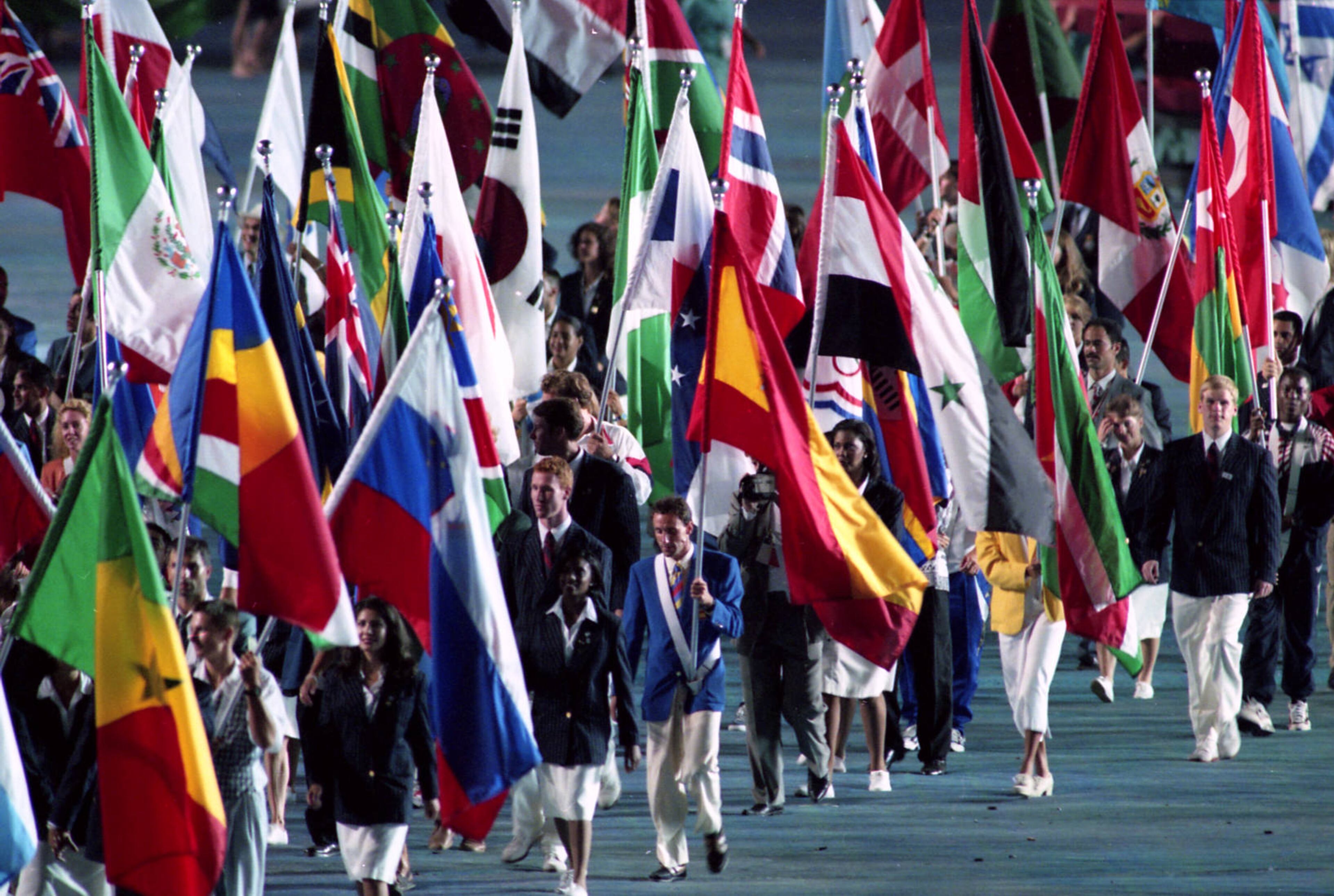
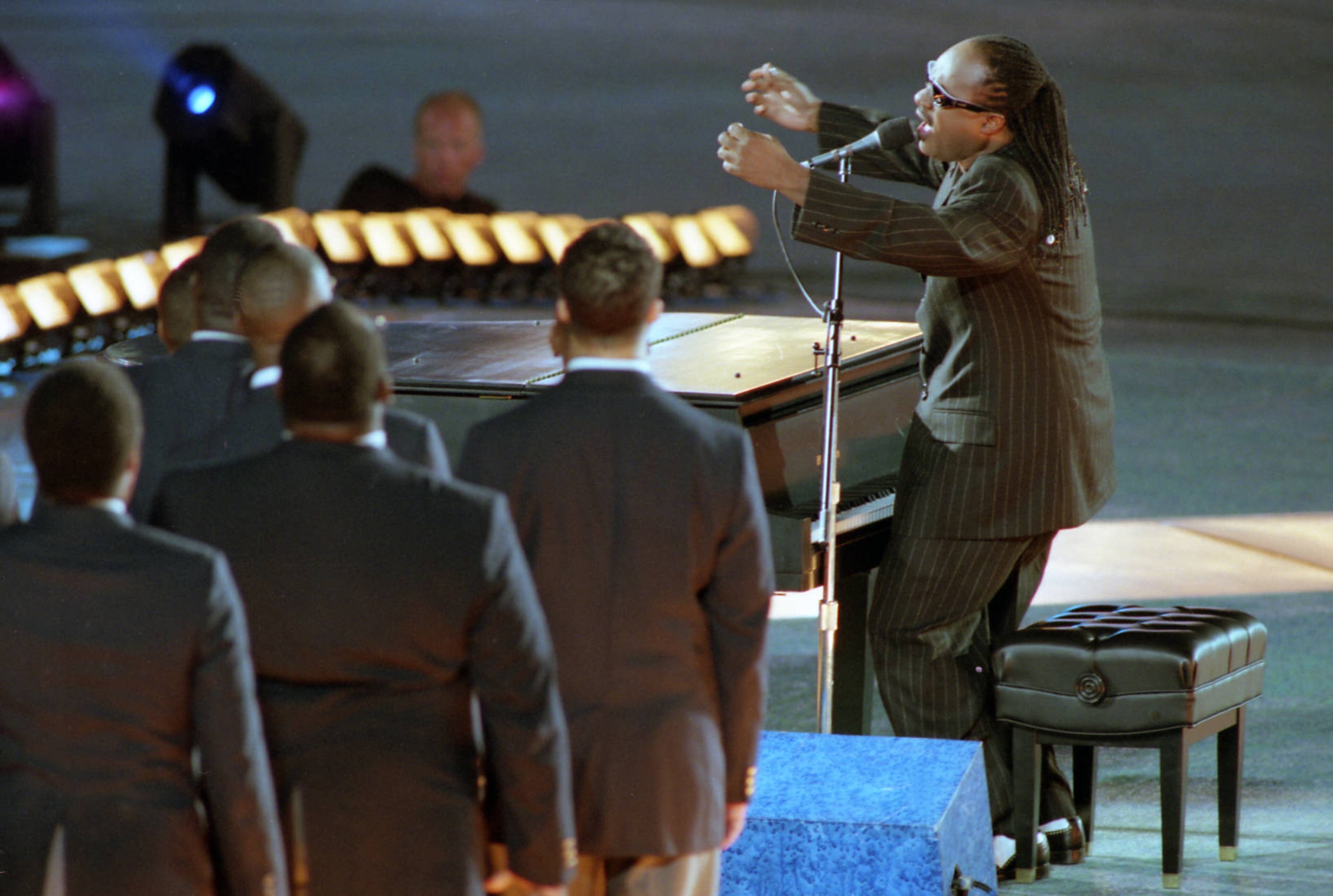
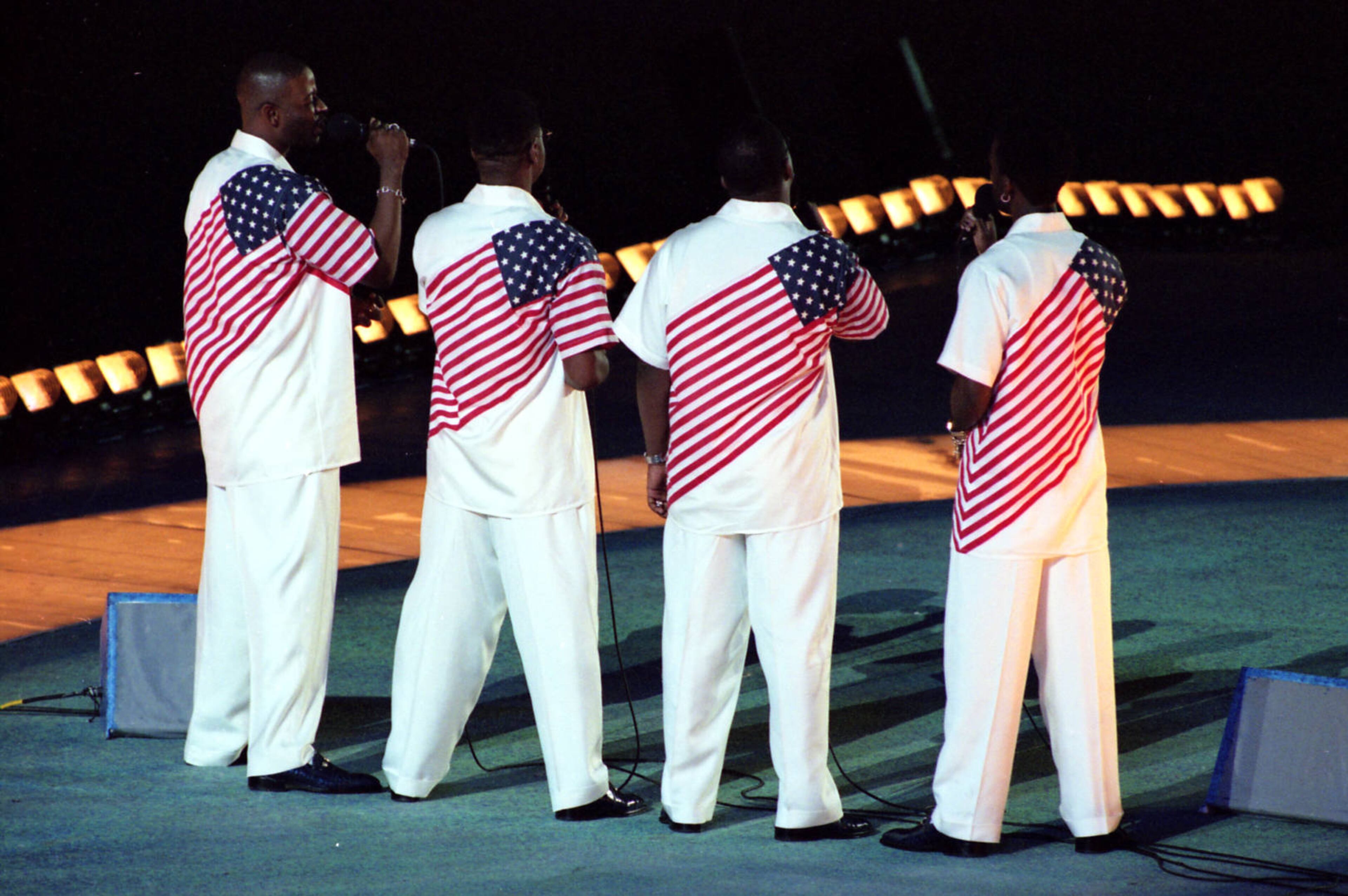
The closing ceremony of the Centennial Olympic Games took place on Aug. 4, 1996, at Centennial Olympic Stadium. The ceremony featured performances by Stevie Wonder and Little Richard. R&B group Boyz II Men performed the national anthem. Samaranch, the IOC president, called the Atlanta Games “most exceptional,” instead of labeling them as the best ever, which had been custom. It was widely viewed as a snub to Atlanta.
“From the perspective of the community that hosted the Games, the visitors who attended the Games, the athletes who performed at the Games, I think we have achieved our goal,” said Payne, the ACOG leader and Olympics visionary.



The effects of the Olympic Games on Atlanta
The 1996 Centennial Olympics will forever be remembered in Atlanta history. Former Mayor Kasim Reed said the Games boosted the local economy by $5 billion. The Games also helped Atlanta prioritize city fixes and upgrades. By hosting the Olympics, Atlanta had the opportunity to prove itself as a premier destination for future events, such as this past summer’s World Cup.