The Okefenokee is now a World Heritage site. Now comes the hard part.

BUSAN, South Korea — When the quest to add the Okefenokee National Wildlife Refuge to the World Heritage List began in 1982, no one could have predicted it would take more than four decades to complete.
But Saturday night, the long endeavor culminated in a celebration in a hotel ballroom overlooking one of Asia’s most popular beaches.
It was clear the Georgia contingent that traveled to South Korea to get the Okefenokee’s bid over the line felt that they — and the swamp — were finally where they were meant to be.
“After 44 years, the Okefenokee National Wildlife Refuge is where it belongs,” Kim Bednarek, the driving force behind the nomination, told a room of swamp lovers, scientists and board members of the nonprofit she leads, Okefenokee Swamp Park.

The World Heritage Committee added the Okefenokee to its distinguished list Saturday afternoon at its annual meeting in Busan, a city of more than 3 million on South Korea’s southeast coast.
In joining the list, the Okefenokee enters the rarified air of iconic places like the Galápagos Islands and the pyramids of Giza. The designation also gives Georgia its first World Heritage site and the U.S. its first natural site added in more than 30 years.
But those who pushed for the designation are not declaring “mission accomplished.”
They say their journey, both to protect the refuge and deliver on their vision of the swamp as a regional economic driver, is only just beginning.
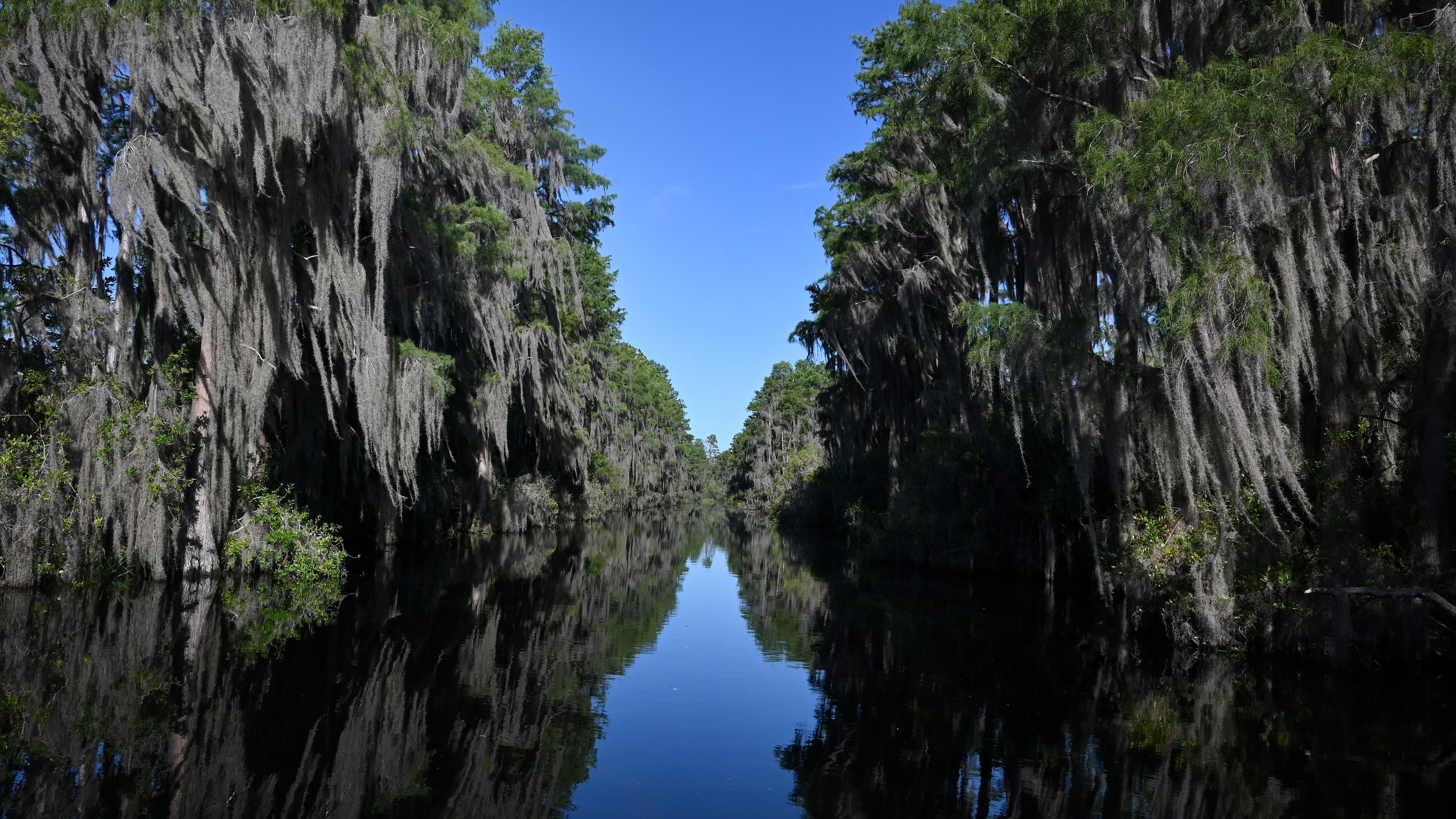
The Okefenokee is one of the best preserved wetland ecosystems on Earth, but it does not enjoy the name-brand recognition of many of its peers on the list — especially outside of Georgia and North Florida.
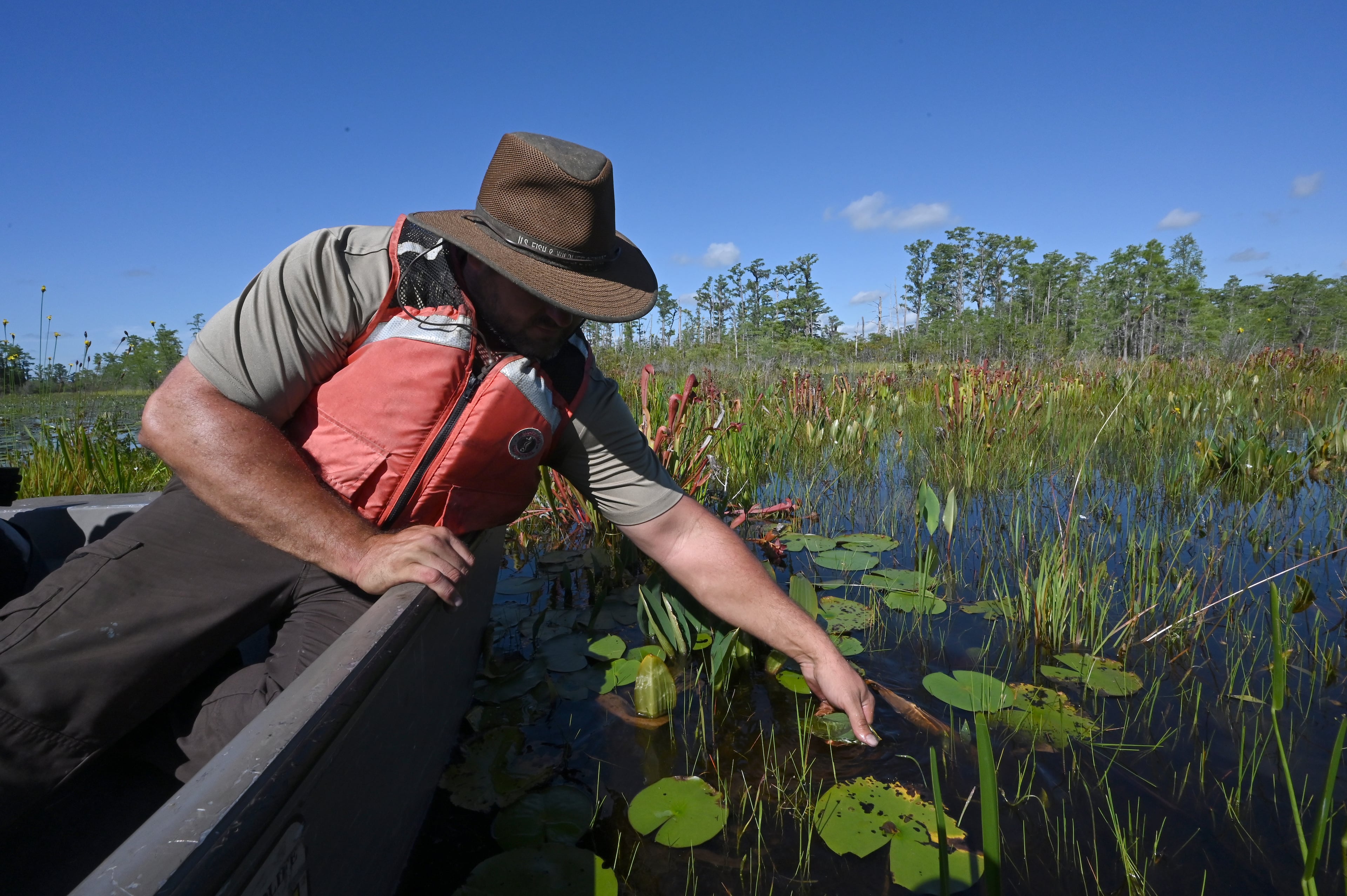
Advocates for World Heritage believe the swamp’s new status as one of the planet’s premier wildlife destinations can bring new visitors and dollars to a part of the state that badly needs both.
But accomplishing that goal, without compromising the pristine nature that draws people to the swamp in the first place, will require balancing economic and ecological interests, along with concerns of some local residents. And as they embark on their new quest, it’s also possible old foes — namely mines — could rear their heads once again.
Those with experience around other World Heritage sites say now is when the hard work begins.
“There’s an enormous amount to do and a real challenge to keep this place the way it is,” Cyril Kormos, a consultant on the Okefenokee’s nomination team, said in a speech at the celebration Saturday in Busan.
Aiming to bring prosperity
It’s no secret rural parts of the Peach State have faced economic headwinds. But few areas have struggled more in recent years than Charlton, Clinch and Ware counties, the three southeast Georgia counties that contain portions of the Okefenokee.
All three counties rank in the bottom third of the state for per capita income, according to an Atlanta Journal-Constitution analysis of the U.S. Census’ American Community Survey from 2024, the most recent year available.
At the same time, their populations have not grown like in other parts of the state. U.S. Census data shows that while Georgia’s population statewide grew 16% between 2009 and 2024, the three counties grew at a combined rate of just 1.2%.

The combination of lagging incomes and scant population growth is in part why some locals embraced a mine proposed on the Okefenokee’s doorstep. Before the land owned by an Alabama company behind the mining proposal was acquired last year, the project had promised to bring hundreds of full-time jobs to the area.
The leaders behind the World Heritage initiative also aim to bring prosperity to the region, but to do it far differently, through tourism and education with the Okefenokee at the center.
With its new World Heritage status, the the Conservation Fund nonprofit has projected the Okefenokee could see annual visitors rise to between 1.4 million and 1.6 million by 2035, up from about 800,000 a year today.
But getting there will not be easy.