What World Heritage honor will and won’t mean for Georgia’s Okefenokee Swamp
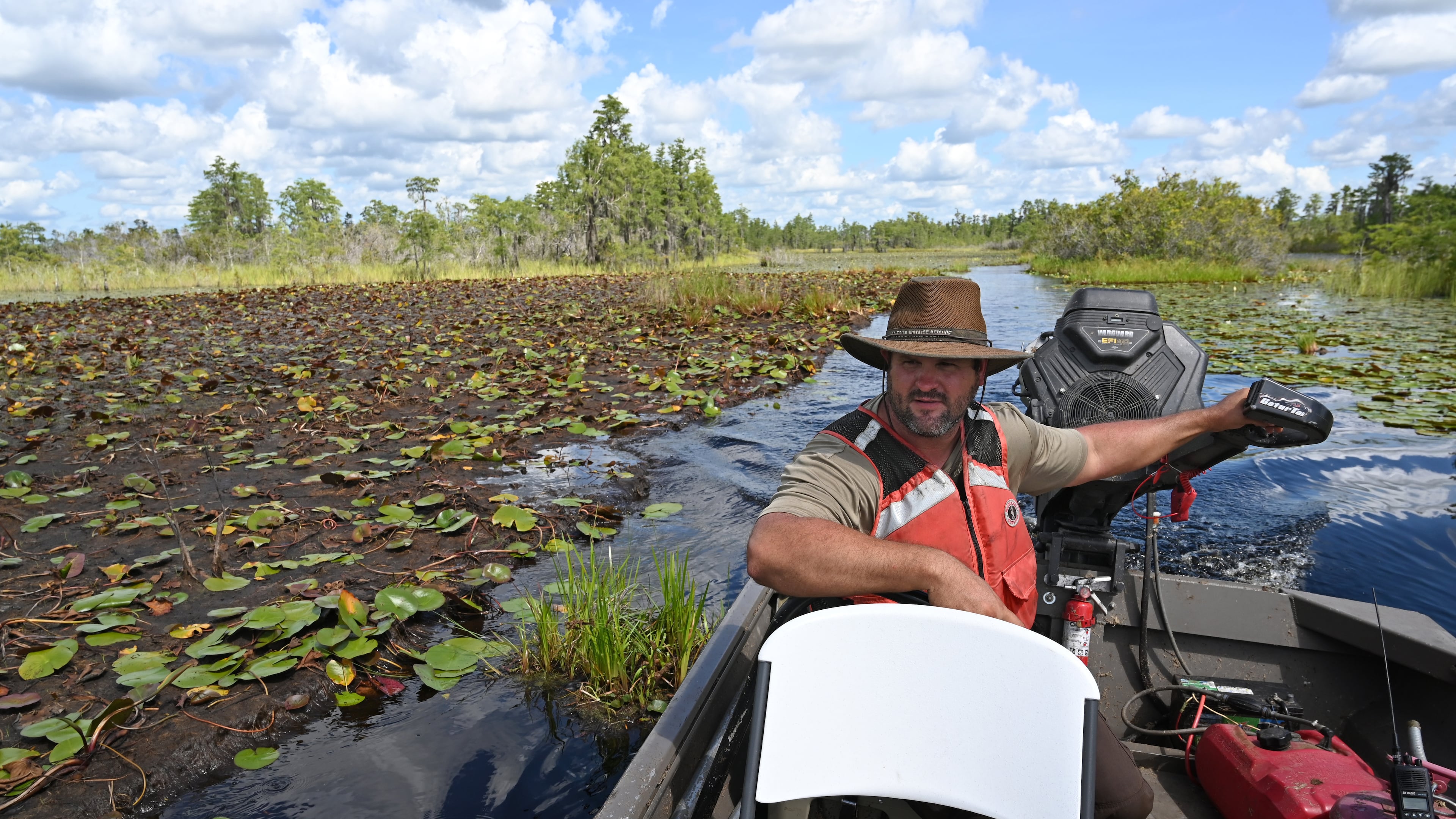

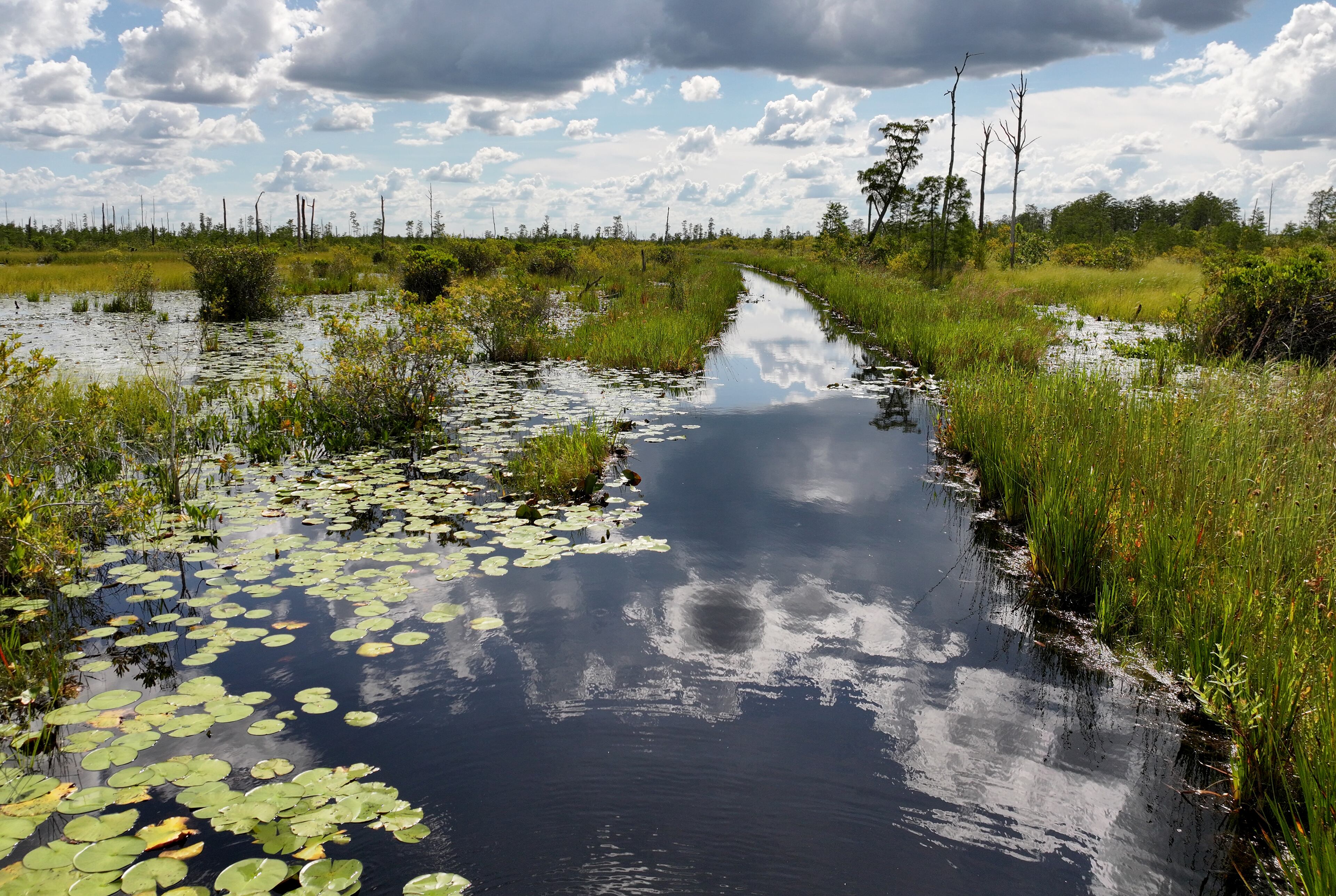
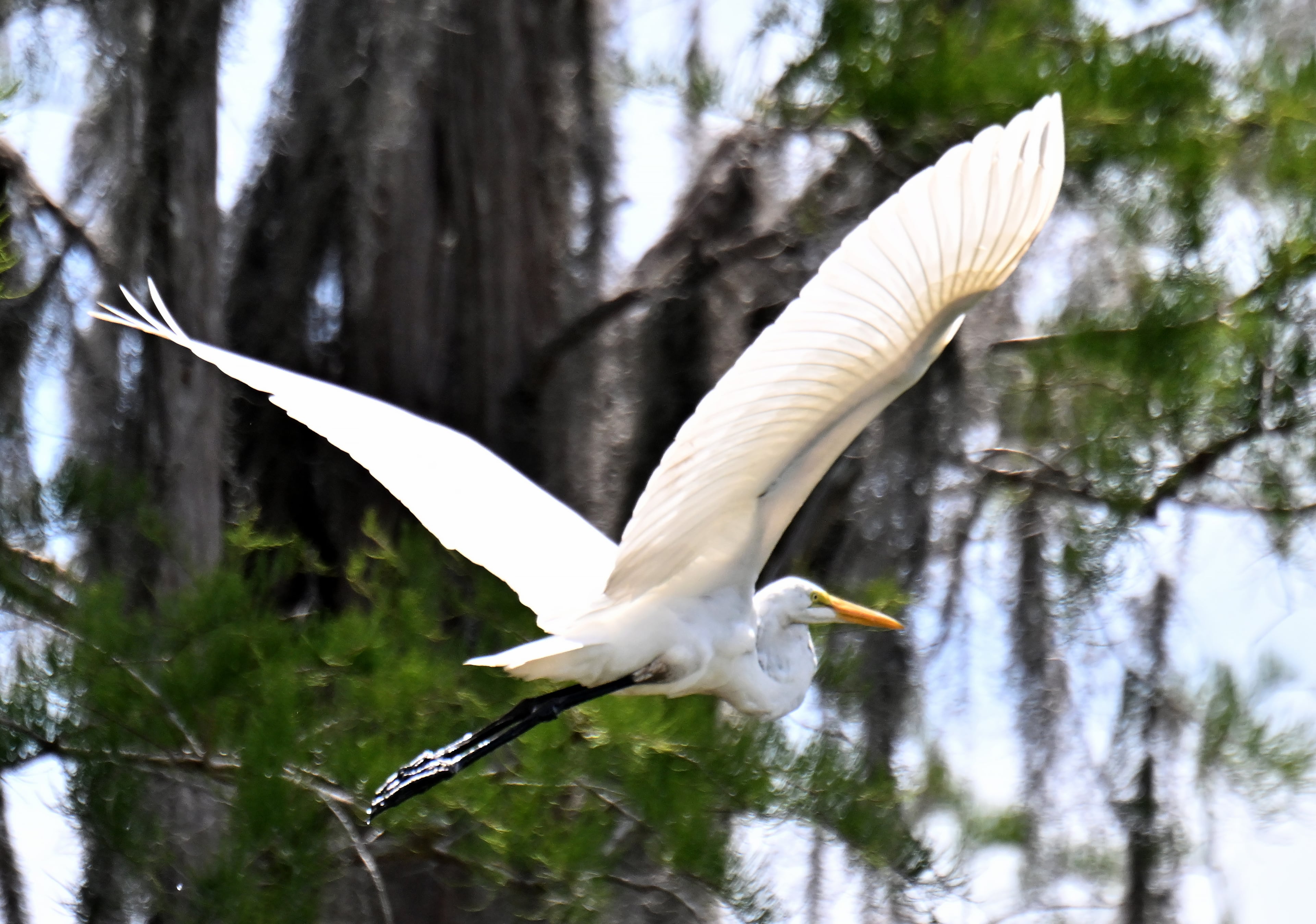
A home for threatened and endangered species. North America’s largest blackwater swamp. One of the largest intact wetland ecosystems left on Earth.
The Okefenokee National Wildlife Refuge already boasts an impressive résumé. But soon, the southeast Georgia swamp could add a new title that places it firmly among the planet’s most iconic locations: World Heritage site.
The UNESCO World Heritage Committee meets this month in Busan, South Korea, to decide if the Okefenokee belongs in the same company as places like Yellowstone National Park, the Taj Mahal and Machu Picchu.
Supporters of the Okefenokee’s bid see World Heritage status as a well-deserved and long-awaited acknowledgment of the swamp’s world-class ecosystems. Some believe inscription could lift the Okefenokee’s profile as a travel destination, bringing new visitors and tourist dollars to an economically challenged part of the state.
But will it quell long-standing fears about mines encroaching on the refuge? Experts say not necessarily.
Here’s what you need to know about World Heritage and the Okefenokee’s bid to join the list.
What is the World Heritage List?
One way to think about World Heritage is as a global manifestation of the U.S. National Park System, experts say.
The list was created after ratification of the 1972 World Heritage Convention, an international treaty that established a framework for protecting “irreplaceable” sites that are “part of the world heritage of mankind as a whole.”
The first 12 sites were inscribed in 1978, and today, there are 1,248 locations spread across 170 countries on the list. The U.S. has 26 World Heritage sites, ranging from places like Everglades National Park to the Statue of Liberty.
If selected, the Okefenokee would be the U.S.’s 27th World Heritage site and the first in Georgia.
How are sites evaluated?
The World Heritage Committee decides which sites join the list. It is made up of representatives from 21 countries who are parties to the treaty.
Each year the committee meets to evaluate new nominations and assess the conservation status of sites already on the list. They’ll decide whether the Okefenokee belongs on the list at their upcoming 48th session in Busan.
Both natural and cultural sites are eligible, but the Okefenokee is trying to join as a natural site. Globally, natural sites are outnumbered by cultural ones, 972 to 235. Another 41 properties are on the list as “mixed” sites.
To make the list, sites must prove they possess “outstanding universal value” and meet one of the committee’s 10 other selection criteria.
The Okefenokee’s case — laid out in an exhaustive, 266-page dossier — is that the swamp meets two of those 10 criteria as an example of “significant ongoing ecological and biological processes,” and a habitat with significant biodiversity, including threatened species.
What would World Heritage status mean?
World Heritage status is not just recognition of “outstanding universal value.”
Inclusion on the list is perhaps best viewed as “a commitment now to protect these sites for all of humanity, forever,” said Jonathan Putnam, who served as acting chief of the National Park Service’s Office of International Affairs before his retirement at the end of 2025. The office helps lead implementation of the World Heritage Convention in the U.S.
To ensure promises are kept, the World Heritage Committee depends on reporting from its members to monitor the conservation of sites.
On top of periodic updates World Heritage member countries are urged to submit, the committee can also request information on sites deemed “in danger” or facing new threats.
For those who live near the Okefenokee, World Heritage status could mean more visitors and an economic boost for surrounding counties.
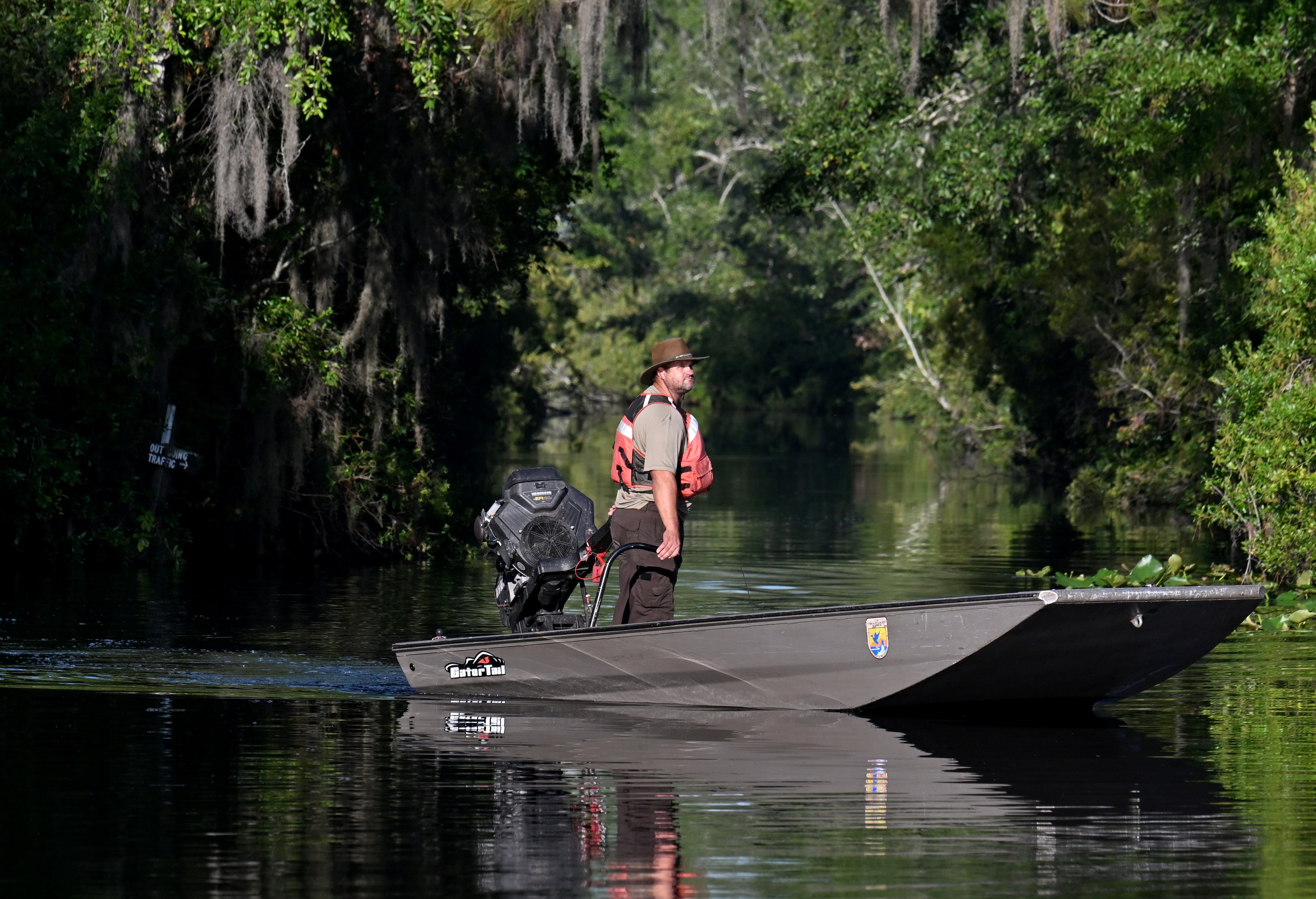
Today, the refuge receives about 800,000 visitors each year who pump an estimated $91.5 million into the local economy. With the increased visibility of World Heritage, the Okefenokee could see annual visitors climb to between 1.4 million and 1.6 million by 2035, according to economic impact projections produced by The Conservation Fund. The nonprofit has been a key supporter of the Okefenokee’s World Heritage bid and last year led the acquisition of thousands of acres next to the swamp from a company that had planned to mine there.
Ultimately, World Heritage is what you make of it, Putnam said.
“I won’t name names, but we’ve had sites in the U.S. and around the world that are glad to take the World Heritage plaque and put it somewhere, and then kind of leave it at that,” he said.
Others, meanwhile, have successfully capitalized on the designation to increase tourism and other economic opportunities.
“It is there for the taking,” Putnam said.
What does it not mean?
The Okefenokee had been in the news often in recent years because of a mineral sands mine that was planned on the doorstep of the refuge. Scientists and environmentalists feared it posed existential threats to the swamp.
The project was scuttled last year when The Conservation Fund inked a deal to buy all of the mining company’s land.
Still, the possibility that new mining proposals could emerge on privately owned land next to the refuge is an ongoing source of heartburn for conservationists.

Putnam, the retired National Park Service leader, said legally speaking, World Heritage status does not shield the swamp from mining nearby. It does, however, give the international community a chance to express their views on how a site is protected. If a site is degraded, the committee could ultimately remove it from the list, but that’s the extent of their authority, Putnam said.
“They can’t come in and say, ‘You have to do this’,” he said. “It’s simply giving them an opportunity to voice their opinion.”
What that also means is World Heritage doesn’t impose new restrictions on what private property owners near the swamp can do with their land.
Since the Okefenokee’s bid was announced, a contingent of residents living near the refuge have voiced concerns that World Heritage amounts to a forfeiture of their private property rights to the United Nations or other international interests.
That’s not so, according to the U.S. Fish and Wildlife Service, which manages the Okefenokee National Wildlife Refuge.
“Official recognition as a World Heritage Site does not impose legal restrictions on owners or neighbors of sites, nor does it give the United Nations any management authority or ownership rights in U.S. World Heritage Sites, which continue to be subject only to U.S. law,” according to the FWS.
The James M. Cox Foundation, the charitable arm of Cox Enterprises, is providing financial and logistical support for the Okefenokee National Wildlife Refuge’s UNESCO World Heritage bid. The foundation was also part of a group of philanthropic organizations that helped finance the acquisition of property owned by Twin Pines Minerals, which had planned to mine the eastern edge of the swamp. Cox Enterprises owns The Atlanta Journal-Constitution.
Does the Okefenokee have a shot?
Heading into the World Heritage Committee meeting, things look good for the Okefenokee.
Last month, the refuge received a key endorsement from the International Union for Conservation of Nature, which recommended it for inscription. The World Heritage Committee still has the final say, but the IUCN’s recommendation carries significant weight. The group is the official advisory body to the committee on natural sites.
Still, consideration of the Okefenokee’s bid comes at a time of geopolitical uncertainty.
There’s the ongoing conflict in the Middle East, which continues to roil global markets and supply chains and has inflamed tensions, even between the U.S. and its allies.
Then there’s the matter of President Donald Trump’s posture toward UNESCO. Just as he did during his first term, Trump announced last year he would pull the country out of UNESCO again. He’s not the first president to do so — President Ronald Reagan also yanked U.S. support for the organization.
During past breaks with UNESCO, U.S. nominations to the World Heritage list have still been eligible for consideration, because the country remains a party to the World Heritage Convention, which is a separate treaty.
Still, in a statement last year after Trump’s move, UNESCO Director-General Audrey Azoulay expressed “deep regret” about the exit and noted it could affect his organization’s partners in the U.S., including “communities seeking site inscription on the World Heritage List.”
Whether it will impact the Okefenokee’s chances remains to be seen.
The Okefenokee’s bid for UNESCO World Heritage status
This article is part of The Atlanta Journal-Constitution’s comprehensive coverage of Georgia’s Okefenokee Swamp and its bid for World Heritage status.
The case for Georgia’s Okefenokee Swamp to join the World Heritage List
What World Heritage honor will and won’t mean for Georgia’s Okefenokee Swamp
Things to know to visit the Okefenokee Swamp, from a Georgia wildlife expert
Okefenokee bid for World Heritage status gets key endorsement
Former Georgia governor urges Trump administration to support Okefenokee UNESCO bid
Okefenokee backers ‘cautiously optimistic’ ahead of World Heritage vote
Georgia’s Okefenokee Swamp is now a UNESCO World Heritage site