Okefenokee backers ‘cautiously optimistic’ ahead of World Heritage vote
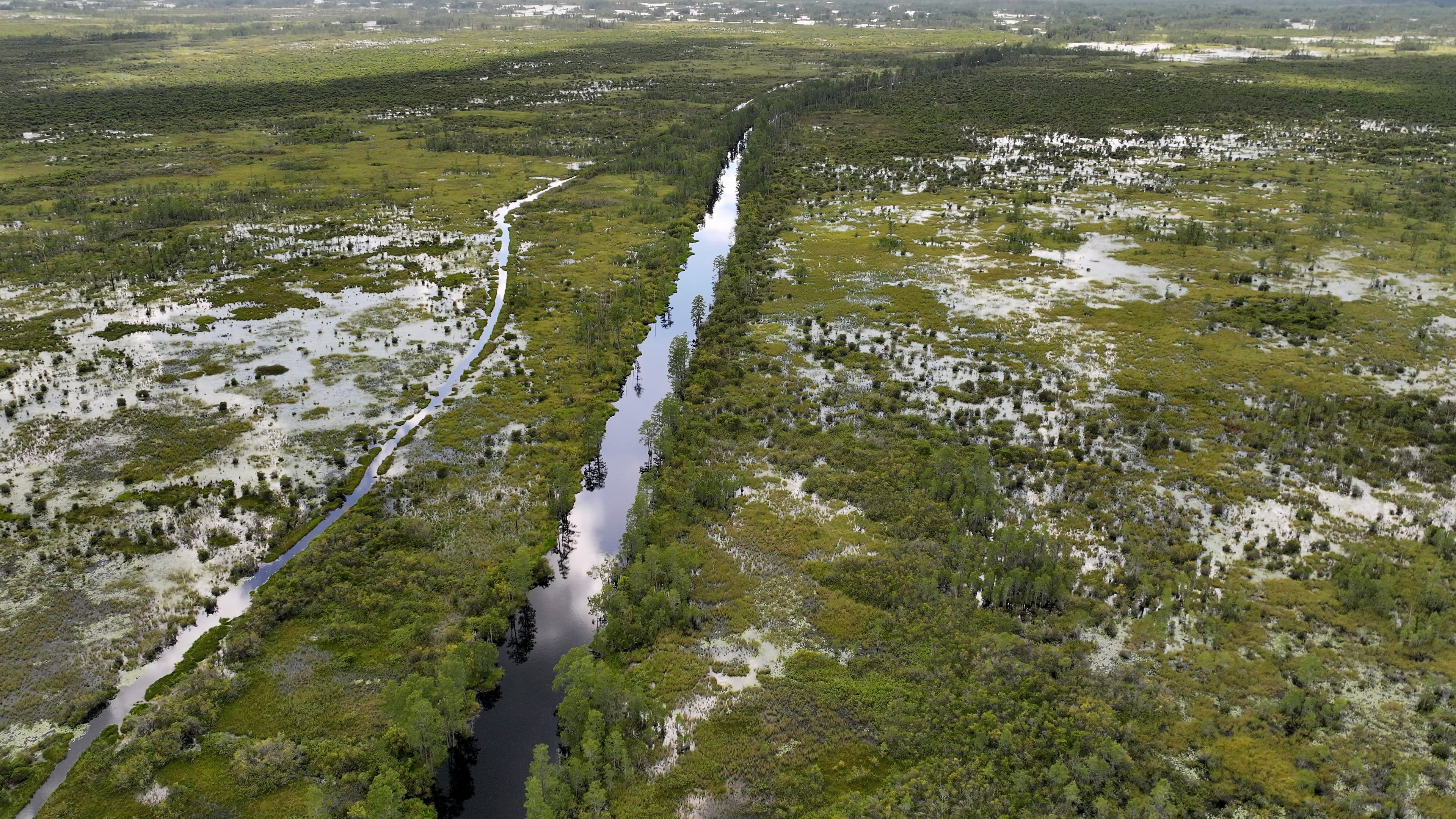

BUSAN, South Korea — Sara Aicher has spent much of her life around the Okefenokee National Wildlife Refuge.
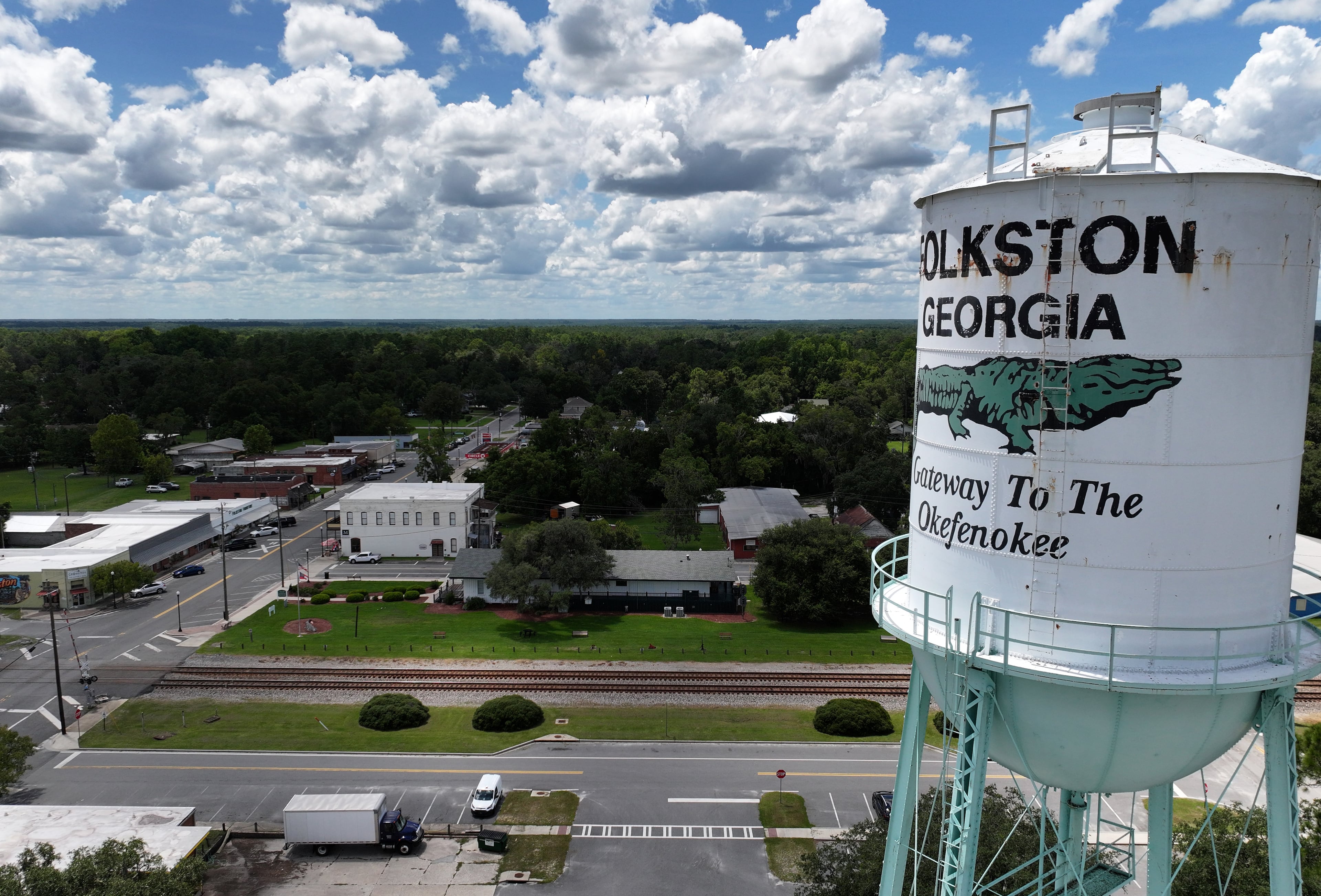
For 31 years, Aicher worked as the refuge’s wildlife biologist, keeping watch over the swamp’s plants and animals. Even when she retired in 2022, Aicher didn’t go far, choosing to stay in Folkston, a small town on the swamp’s eastern flank known as the “Gateway to the Okefenokee.”
This week, Aicher is once again working to protect the Okefenokee. And this time, she’s traveled halfway around the world to Busan, South Korea, to do it.
Aicher is part of a delegation of scientists, conservationists and swamp lovers who are in Busan to help make the case that the Okefenokee is worthy of joining the prestigious UNESCO World Heritage List.
The World Heritage Committee, which decides which sites make the cut, is meeting in the sprawling Busan Exhibition and Convention Center in this modern port city of more than 3 million residents. A decision on whether to add the Okefenokee is expected on Saturday.
If the swamp is added, it will give Georgia its first World Heritage site and the U.S. its first new natural site to be added to the list in more than 30 years.
“Being on this big international stage to hopefully finally see it get its due is special,” Aicher said.
The meeting itself is taking place over 10 days in one of the convention center’s cavernous exhibition halls, filled with representatives from dozens of countries.
So far, Aicher and other members of the Okefenokee delegation have been busy, ducking in and out of meetings to answer questions about the refuge and learn more about World Heritage. They’ve also shared a taste of the swamp with their international colleagues, in the form of 100 plush alligators they handed out at the start of the proceedings.

World Heritage is a global recognition of “outstanding universal value” that can boost a site’s visibility and potentially drive up visitation. However, it’s also important for what it says to the rest of the world, experts say. Placing a site on the list amounts to a promise to protect it forever.
But that doesn’t always happen, so on top of evaluating new World Heritage sites, the committee monitors sites that are threatened — by war, development, climate change and more.
To Kim Bednarek, one of the leaders of the swamp’s bid and the executive director of Okefenokee Swamp Park & Okefenokee Adventures, the degradation of other sites is a reminder of what makes the refuge special.
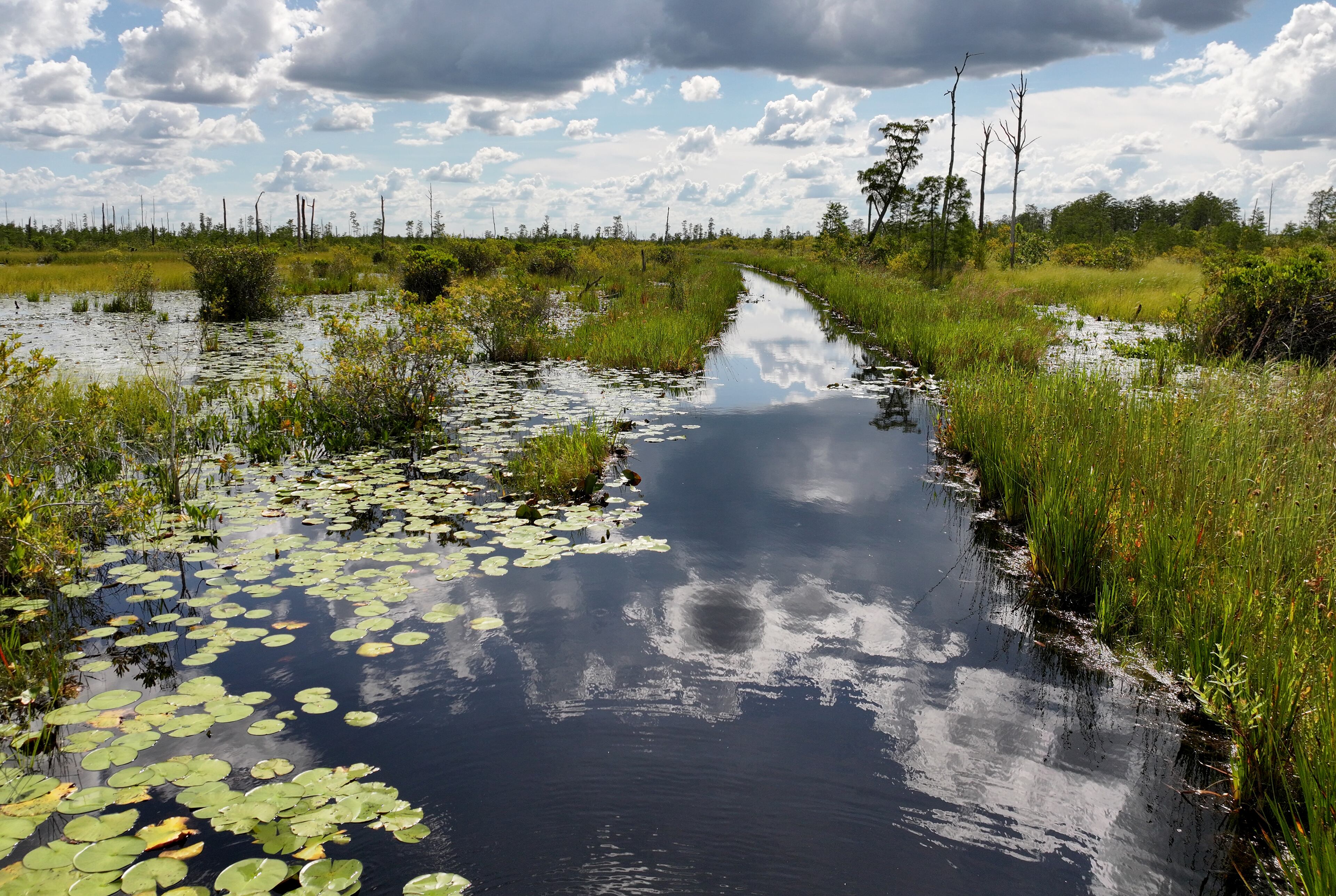
At more than 400,000 acres, the Okefenokee is one of the largest, intact wetland complexes left on the planet, and a home to endangered and threatened species.
“The integrity and size of the Okefenokee is why it’s being considered for inscription,” she said. “So our job, our commitment, our pledge once it’s inscribed is to keep it that way.”
International diplomacy can produce surprises, but ahead of the vote, Bednarek said she is “cautiously optimistic” about the Okefenokee’s chances to make the list.
Veterans of World Heritage proceedings agree the swamp has a strong case.
Cyril Kormos, a consultant on the Okefenokee’s nomination team, previously served on a panel at the International Union for Conservation of Nature, which advises the World Heritage Committee on natural sites. Last month, the IUCN recommended the Okefenokee be added to the World Heritage list.
Kormos said in his time involved in World Heritage proceedings, he’s never seen a site rejected by the committee after receiving an endorsement from IUCN.
“If you pass that hurdle, you’re in very, very good shape,” Kormos said.
If the Okefenokee does make the list, Aicher said it will make a nice bookend to her decades of work on the swamp. But in other ways, she says its just the start of a new journey to conserve this place for all of humanity.
“These natural areas are becoming so rare,” Aicher said. “We have a responsibility now to protect these areas.”
Editor’s note: The James M. Cox Foundation, the charitable arm of Cox Enterprises, is providing financial and logistical support for the Okefenokee National Wildlife Refuge’s UNESCO World Heritage bid. The foundation was also part of a group of philanthropic organizations that helped finance the acquisition of property owned by Twin Pines Minerals, which had planned to mine the eastern edge of the swamp. Cox Enterprises owns The Atlanta Journal-Constitution.