Permanent daylight saving time: Safer commutes or darker mornings?

My daughters boarded their school bus at 7:10 each morning last school year. On many winter mornings, it was still dark.
Under permanent daylight saving time, it would be darker still. Atlanta’s latest winter sunrise would move from about 7:43 to 8:43 a.m., leaving them waiting beside the road more than an hour and a half before sunrise.
That illustrates the central trade-off of permanent daylight saving time. It could improve visibility during the evening commute, but it would leave much of Atlanta’s winter morning commute in darkness. Whether that makes travel safer depends largely on who is on the road — and when.

The U.S. House of Representatives recently passed legislation that would establish daylight saving time year-round. The proposal would still need Senate approval — where it faces some opposition — and the president’s signature before anything changes.
The move in Congress comes after a bill aimed at putting Georgia in permanent daylight saving time passed the state Senate but failed to advance to a vote in the state House during the legislative session earlier this year.
Permanent daylight saving time would not create more sunshine. It would move an hour of daylight from the morning to the evening. Atlanta would gain more light after work and school, but winter sunrise would also arrive an hour later.
Darker morning drives
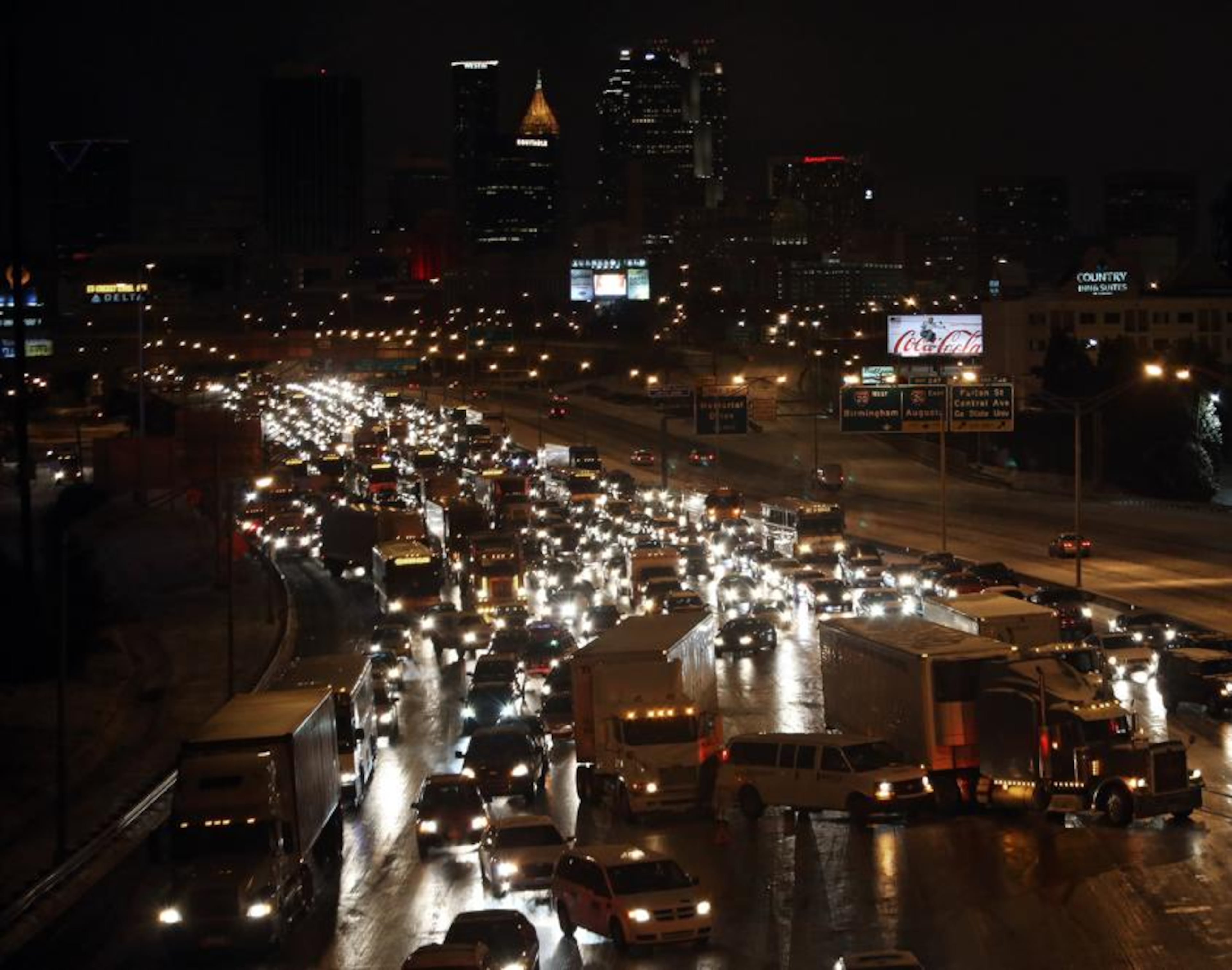
Much of Atlanta’s morning rush begins well before 8:43 a.m. Parents drive children to school, buses make their rounds, commuters head to work and early-shift employees are already on the road.
With daylight saving time year-round, many of those trips would take place before sunrise for weeks each winter.
Darkness reduces contrast and depth perception and makes pedestrians, cyclists, animals and roadside hazards harder to recognize. Glare from oncoming headlights can make conditions worse, particularly for older drivers and those with vision limitations.
School travel deserves special attention. Children are smaller, may wear dark winter clothing and sometimes stand close to the road or cross unexpectedly.
For my daughters, the change would be easy to understand. They might step off the school bus with more daylight left in the afternoon. But at 7:10 the next morning, they could be waiting beside the road in darkness that now belongs to an hour earlier.
Teen drivers would face similar challenges. Many leave home early for school, and darkness adds difficulty for inexperienced motorists who may already be tired or rushed.
The U.S. tried year-round daylight saving time during the 1974 energy crisis but reversed course within the year. Dark winter mornings and concerns about children traveling to school before sunrise helped turn public opinion against it.
School schedules have changed since then, but sunrise has not.
More light for the trip home
The benefits would become apparent later in the day.
More commuters would drive home in daylight. Children leaving practices and after-school activities could have more light, as would people walking from transit stops, running errands, exercising or cycling home.
That matters because pedestrians are harder to see at night, especially outside the brightest part of a vehicle’s headlight beam or while a driver is turning.
An extra hour of evening light could improve visibility during a busy period when drivers, cyclists and pedestrians share the road. It could also make people more comfortable walking or exercising after work.

For families, a winter sunset near 6:45 instead of 5:45 could feel like a meaningful improvement. My daughters might come home with more daylight for playing outside or attending activities.
The trade-off is that they would begin more school days in darkness.
Would roads be safer?
That is harder to answer.
Permanent daylight saving time would shift some trips from darkness into daylight and others in the opposite direction. The overall effect would depend on when people travel, when crashes occur and whether school and work schedules adjust.
Evening traffic is often heavier, supporting the case for more light after work. But morning travelers include schoolchildren, teen drivers, pedestrians, cyclists and workers who may be tired or hurried.
Ending the twice-yearly clock changes could reduce the temporary sleep disruption caused by moving the clocks. However, many sleep experts favor permanent standard time because morning light helps regulate sleep and wake cycles.
The question is not whether we want more daylight. Most of us do. It is whether that daylight would do more good on the trip home than the hour we would lose on the way to work and school.
Chris Hardesty is a veteran news researcher and editor who provides advice on buying, owning and selling cars for Kelley Blue Book and Autotrader.
Preparing for darker commutes
Drivers cannot control sunrise, but they can prepare for darkness.
• Keep the windshield clean because haze and streaks intensify glare. Check that headlights, taillights, and brake lights work, and use high beams when conditions allow.
• Dim dashboard and infotainment screens so your eyes can adjust to the road. Slow down near schools, bus stops, crosswalks and neighborhoods before sunrise.
• Look twice for pedestrians when turning. A person can disappear behind a windshield pillar or remain outside the strongest part of the headlight beam.
• Pedestrian-detection systems and automatic emergency braking can help, but they will not recognize every person in every condition.
The Steering Column is a weekly consumer auto column from Cox Automotive. Cox Automotive and The Atlanta Journal-Constitution are owned by parent company, Atlanta-based Cox Enterprises.