Oil giant BP ousts new chairman over 'conduct' and shares slide
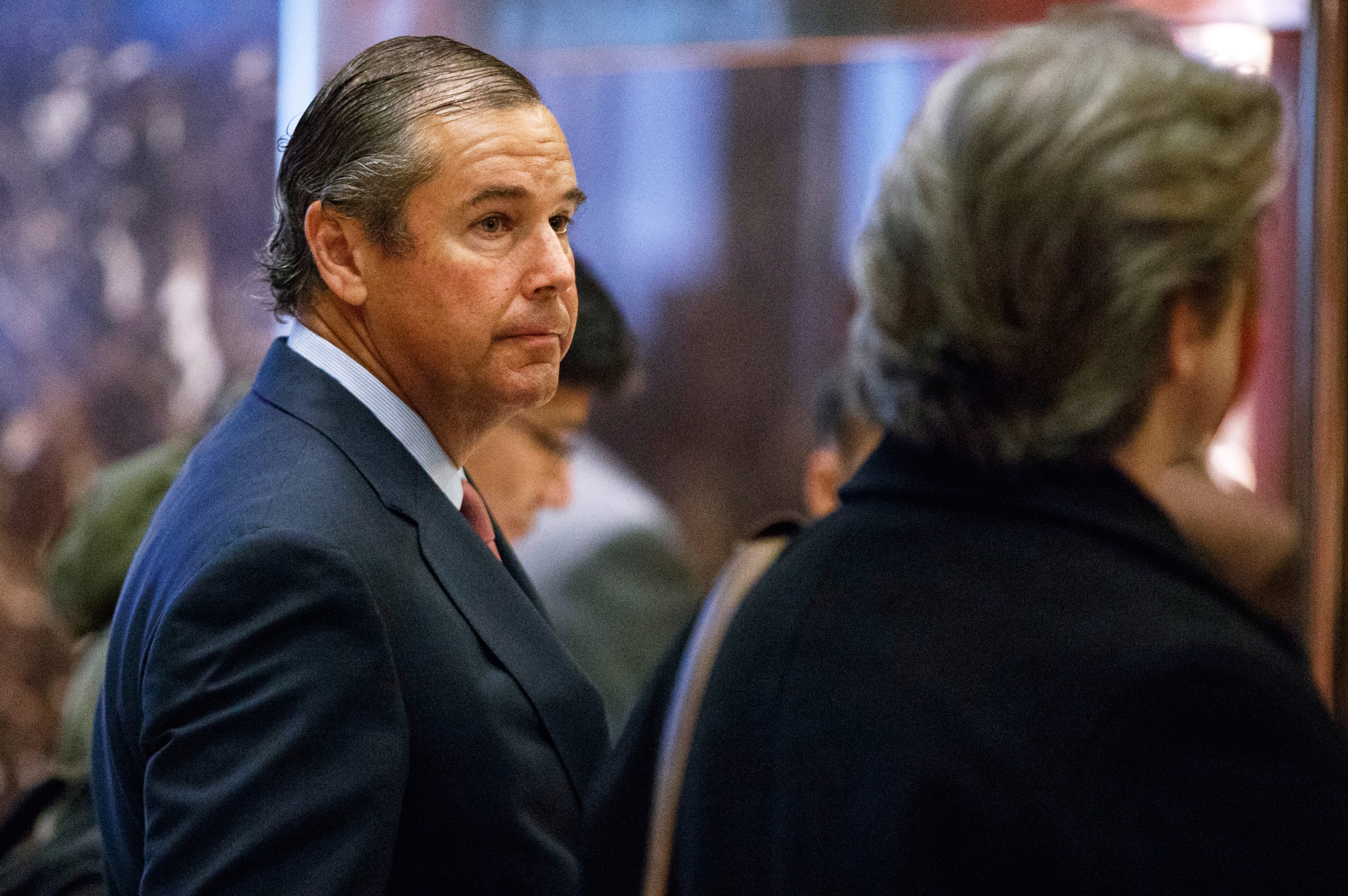
BP has ousted its chairman over what it called serious concerns related to “important governance standards, oversight and conduct.”
The departure was abrupt and unexpected, with Albert Manifold having been appointed to the position late last year.
“Albert has helped bring a welcome focus and pace to BP’s transformation," Amanda Blanc, senior independent director, said in a statement Tuesday. "However, the board has been surprised and disappointed to learn of governance oversight and conduct issues it deems unacceptable and has taken decisive action.”
BP's board named Ian Tyler as interim chair, effective immediately.
The search for a new chair is underway, BP said.
BP, based in London, is a “supermajor,” one of the five largest oil production and exploration companies in the world by when measured by revenue and profit.
The company maintains operations in about 60 countries.
Manifold, who had been the top executive at the global building materials company CRH, based in Dublin, for 10 years, became the chair at BP in October.
Last year there were media reports that British oil giant Shell was in talks to buy rival BP. Shell denied the reports at the time.
Industry analysts have suggested that BP would be an attractive takeover target after a plan to shift its focus to renewable energy, which was abandoned earlier last year.
The company recently did a hard reset and returned to its roots after it had shifted its focus to renewable energy in 2020. The decision has been criticized by some shareholders and environmentalists.
CEO Murray Auchincloss said last year that optimism over opportunities in renewable energy was misplaced, with the company moving “too far and too fast.”
Auchincloss stepped down in December, and the company named Meg O'Neill as his successor.
BP has also struggled to recover from the 2010 Deepwater Horizon tragedy, one of the worst environmental disasters in U.S. history. The explosion killed 11 workers and forced the company to pay billions of dollars for environmental damage in the Gulf of Mexico.
More recently, like other oil companies, BP has struggled with falling demand in recent years.
BP’s 2025 earnings fell 16% from a year earlier to $7.49 billion as the price of Brent crude, a benchmark for international oil prices, dropped 16.9%. The company’s preferred measure of earnings is underlying replacement cost profit, which adjusts for one-time items and fluctuations in the market value of inventories. Net income plunged 86% to $55 million.
Shares of BP Plc slid 4% before the opening bell on the NYSE.
____________
Danica Kirka in London contributed to this report.