Wall Street soars, oil plunges as China calls for comprehensive ceasefire in Iran-US war
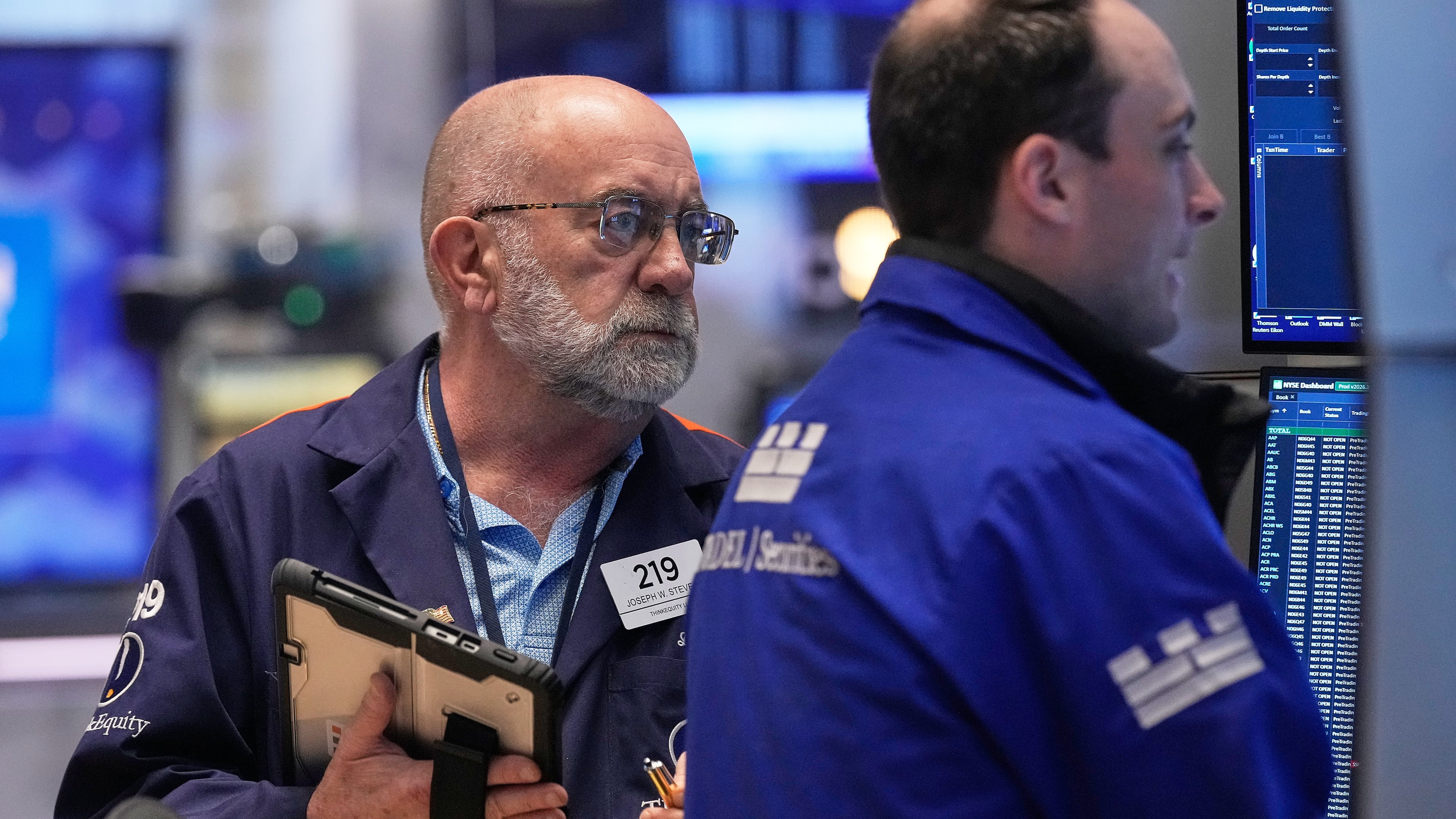
Markets on Wall Street soared overnight and U.S. crude prices plunged 13% after China’s foreign minister on Wednesday called for a comprehensive ceasefire in the Iran war, the latest spark of optimism that the two-month war could end soon.
Futures for the S&P 500 rose 1% before the opening bell, while futures for the Dow Jones Industrial Average climbed 1.2%. Nasdaq futures jumped 1.7%.
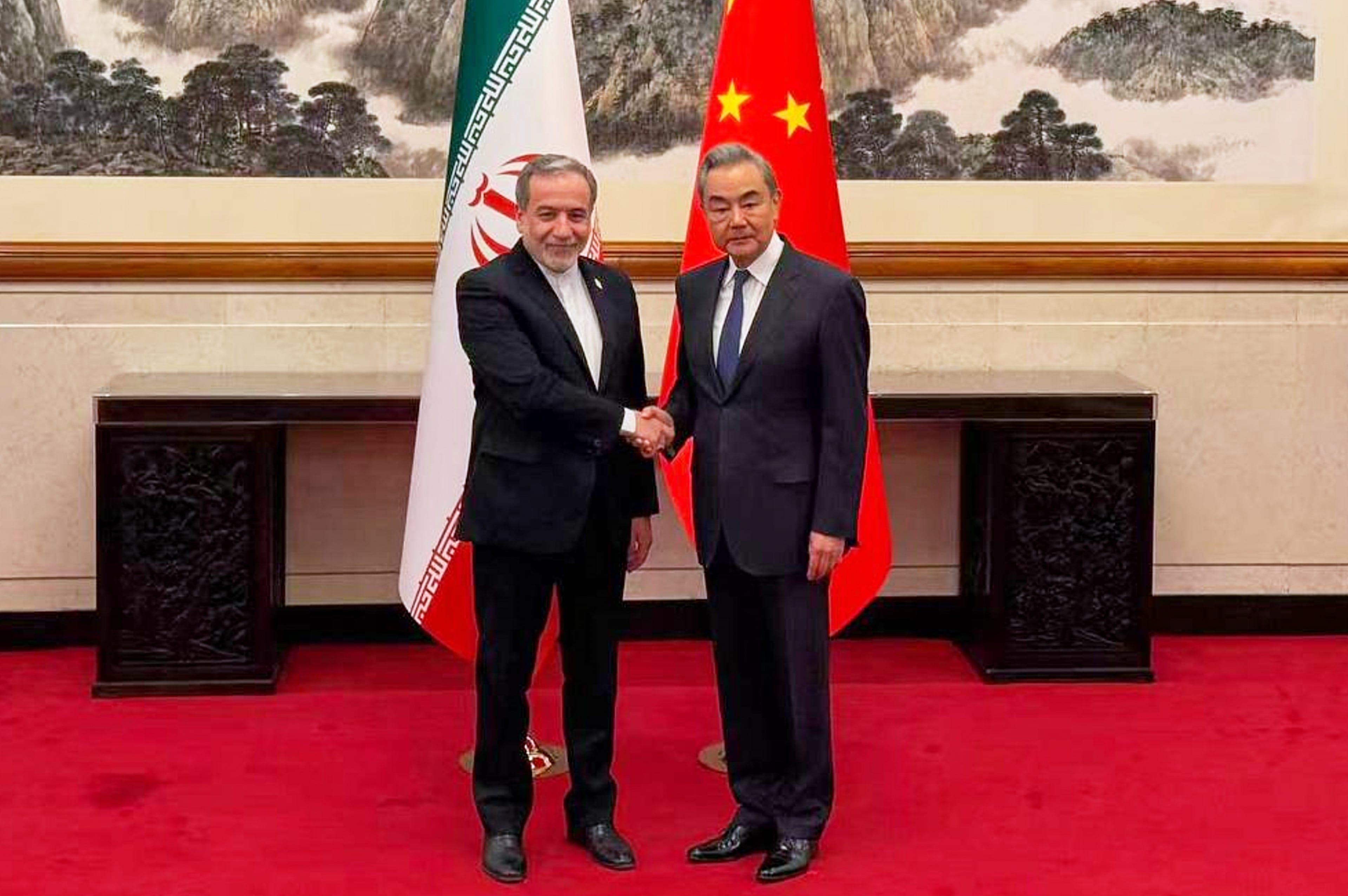
Wang Yi, speaking after meeting with Iranian Foreign Minister Abbas Araghchi, said China was “deeply distressed” by the conflict. Araghchi was visiting Beijing for the first time since the war with the U.S. and Israel started Feb. 28.
China’s close economic and political ties to Tehran give it a unique position of influence. The Trump administration is pressing China to use that relationship to urge the Islamic Republic to open the Strait of Hormuz.
News that Iranian officials were traveling to China ahead of a summit between U.S. President Donald Trump and Chinese leader Xi Jinping lifted market sentiment.
Oil prices spiraled soon after Wang's comments, with prices for a barrel of U.S. crude falling more than $13 to $88,88 per barrel. Brent crude, the international standard, retreated $12.66 to $97.21 a barrel, extending declines that erased big jumps earlier in the week. The prices still remain well above their roughly $70 price before the war with Iran began.
Sinking oil prices sent energy giants shares sliding overnight, with Chevron, Exxon Mobil and ConocoPhillips all seeing losses of close to 5%.
The prospect of lower jet fuel prices pushed major U.S. airlines up, with Delta, United and American all gaining more than 6% in premarket trading.
The Chinese minister’s comments followed an earlier statement by U.S. President Donald Trump that he was pausing his short-lived U.S. effort to guide stranded commercial vessels out of the Strait of Hormuz in hopes that a deal could be finalized. A shaky ceasefire has been largely holding, despite exchanges of fire during the U.S. push to reopen the strait on Monday.
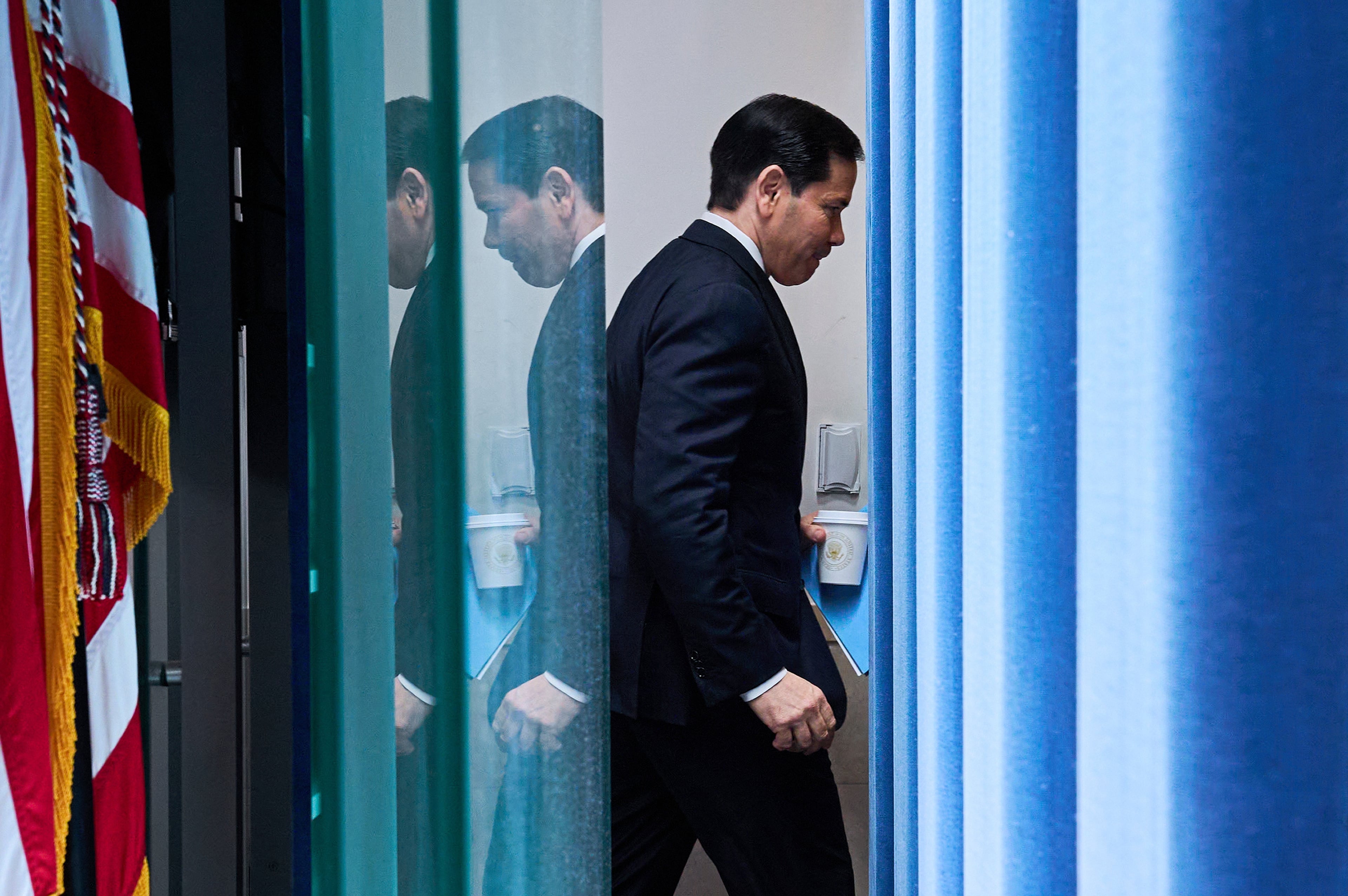
Also Tuesday night, Secretary of State Marco Rubio said the major U.S. military operation against Iran is over but stopped short of saying the conflict is over or cannot be restarted.
“We’re not cheering for an additional situation to occur,” he said. “We would prefer the path of peace.”
In order for that to happen, Iran must agree to Trump’s demands on its nuclear program and reopen the Strait of Hormuz, Rubio said.
Iran’s effective closure of the strait, a vital waterway through which major oil and gas supplies, fertilizer and other petroleum products passed before the war, has sent fuel prices skyrocketing, rattled the global economy and put enormous economic pressure on countries, including major powers like China.
Elsewhere, in Europe at midday, France's CAC 40 added 1.6%, while the Germany DAX rose 1.5%. Britain's FTSE 100 surged 1.9%.
In Asian trading, South Korea’s Kospi gained 6.5% to 7,384.56, surpassing the 7,000 level for the first time. Samsung Electronics' stock jumped 14% in a rally driven by expectations of strong growth in artificial intelligence.
Shares in SK Hynix, another major Korean computer chipmaker, shot up nearly 11%. Both Samsung and SK Hynix are major manufacturers of the memory chips vital for AI applications.
Tokyo trading was closed for a holiday.
Australia’s S&P/ASX 200 gained 1.3% to 8,793.60. Hong Kong’s Hang Seng gained 1.2% to 26,213.78, while the Shanghai Composite index rose 1.2% to 4,160.17.