Georgia’s recent drought, wildfires could impact wildlife for years
The severe drought gripping much of Georgia has fueled wildfires that have burned tens of thousands of wooded acres and destroyed scores of homes. Newly planted crops are withering in fields. Ponds and streams are drying up.
This week’s rain showers helped, but meteorologists say it’s not enough to overcome the intense dryness. Much more rain is needed.
A drought affects people, but wildlife also face harsh conditions. Georgia’s native flora and fauna have evolved over millennia to withstand the vicissitudes of weather, including moderate dry spells, but a prolonged drought can have serious negative effects that could extend well into next year.
Drought-fueled wildfires destroy critical nesting sites and habitats for birds, mammals and other creatures, causing immediate displacement and other disruptions that may be long term. Wild turkeys, rabbits, raccoons and other wild creatures may lose food sources, shelter and breeding grounds for years.
A severe spring drought, researchers say, is generally more ecologically damaging than a fall drought because it occurs at peak nesting time and during the critical, high-demand growing season. Spring droughts may limit plant growth, germination and water replenishment for the entire year.
It dries up tender, juicy vegetation for white-tailed deer, beavers, rabbits and other herbivores. A lack of food and water leads to malnutrition, reduced reproduction and higher mortality. White-tailed does frequently reduce their milk production during spring and summer droughts, which can result in poor survival of fawns.
Many animals — including bears and deer — often travel farther afield during droughts to find food and water, increasing the risk of collisions with vehicles and conflicts with humans.
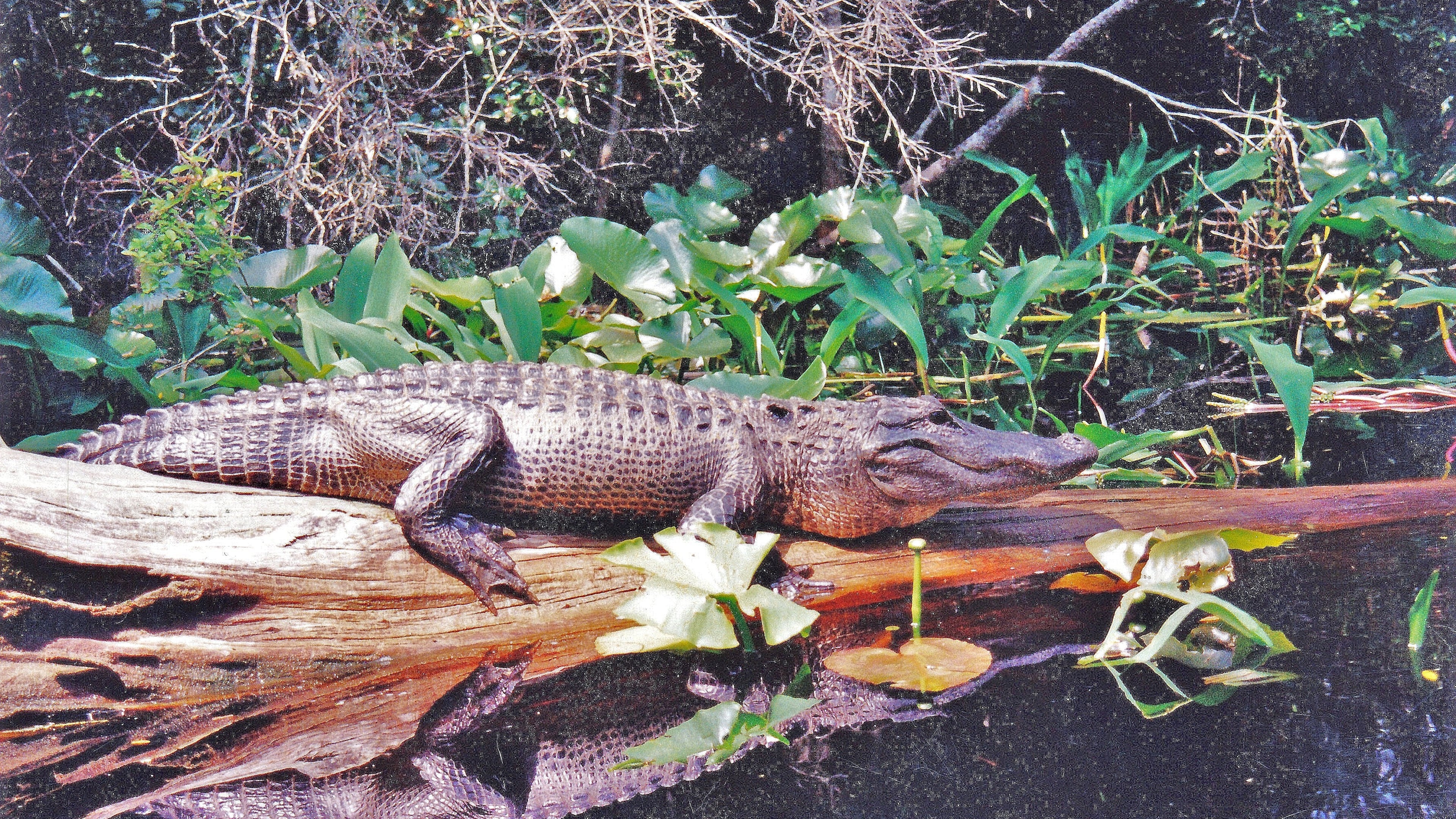
As ponds, streams, swamps and other wetlands dry up, it also spells trouble for fish, frogs, turtles, alligators and other creatures dependent on wetlands.
Alligators may be of some help. During severe drought, they dig deep holes to hold water. “Gator holes” mean survival not only for the alligator, but for many other plants and animals as well.
Spring drought is especially perilous for female freshwater turtles. May is when they leave ponds and streams to find moist, loose soil in which to lay their eggs. During droughts, they also may have to travel farther to find suitable nesting sites. Lack of moisture can cause eggs to die in the nest. Furthermore, hotter, drier weather favors female turtle births over male births, which could offset male-female sex ratios and stymie population growth.
May also is peak bird nesting time. Prolonged spring drought can cause insect populations to plummet — including caterpillars, which are vital food for nesting songbirds. A caterpillar shortage can lead to lower nesting success, nest abandonment and higher death rates for both baby and adult birds.
Drought-stressed trees may exhibit immediate symptoms like wilting, leaf scorch and premature leaf drop. However, severe drought also lowers a tree’s defenses, making it vulnerable to insects and diseases later in the year. Pine beetle infestations often follow droughts, killing large numbers of pines. Drought can affect the size of the acorn crop produced by native oaks. Acorns are a crucial food source for wildlife in fall, nourishing bears, deer and numerous small mammals and birds.
Despite this gloom and doom, however, I take heart in this: Droughts and wildfires have for eons been part of nature’s cycles. While many individual plants and animals perish during droughts, their species as a whole survive and produce new generations. The creatures have endured numerous droughts over the millennia, and they’ll rebound when the rains come back.
IN THE SKY: From David Dundee, retired Tellus Science Museum astronomer: The Eta Aquarid Meteor shower will peak Tuesday night at about 60 meteors per hour — in the southeast after dark and until dawn. The moon next week will “shrink” from full to last quarter by next weekend (May 9). Over the next two weeks, Venus is low in the west at sunset. Mars and Saturn are low in the east just before sunrise. Jupiter is high in the west at dark.
Charles Seabrook can be reached at charles.seabrook@yahoo.com.