Father charged in son’s Buckhead death released from jail months after shooting
For the past six months, Durante Rowe-Tolliver has been behind bars on charges of murder in connection with the death of his son.
Friday morning, he was released from the Fulton County Jail after a judge granted him bond earlier this week. Some sense of normalcy will return as he goes home for the first time since he was booked into jail — just hours after a barrage of gunfire interrupted a late October night in Buckhead.
Rowe-Tolliver, while under 24-hour house arrest and electronic monitoring, still will need to make it to the courthouse for any hearings and remains accused in the shooting of his 32-year-old son, Durante Schofield, legal documents show.
“Mr. Rowe-Tolliver is a man who is a stranger to the judicial system, has been a hardworking man, has been a single father and loves his children very much,” his attorney, Max Schardt, told The Atlanta Journal-Constitution during a Thursday phone interview. “This is a tragedy, and I’m just doing my best to help guide a good man through a very difficult situation.”
Fulton District Attorney spokesperson Jeff DiSantis said prosecutors opposed the man’s release at a Wednesday hearing but did not respond to specific questions about the bond decision.
According to Rowe-Tolliver‘s indictment in late January, he is accused of causing the death of Schofield “unlawfully and with malice aforethought.” An autopsy conducted by the Fulton Medical Examiner’s Office revealed Schofield had 18 gunshot entrance wounds.
Rowe-Tolliver, 54, was released after posting a $190,000 bond, records show. He faces charges of murder, felony murder, aggravated assault with a deadly weapon and possession of a firearm during the commission of a felony.
Schardt said his client’s strong community ties and clean record going back 30 years made Superior Court Judge Thomas Cox’s decision to grant bond unsurprising. A background search done by the AJC did not show any criminal history. Among his family members, Rowe-Tolliver is only allowed to have contact with his wife, bond conditions state.
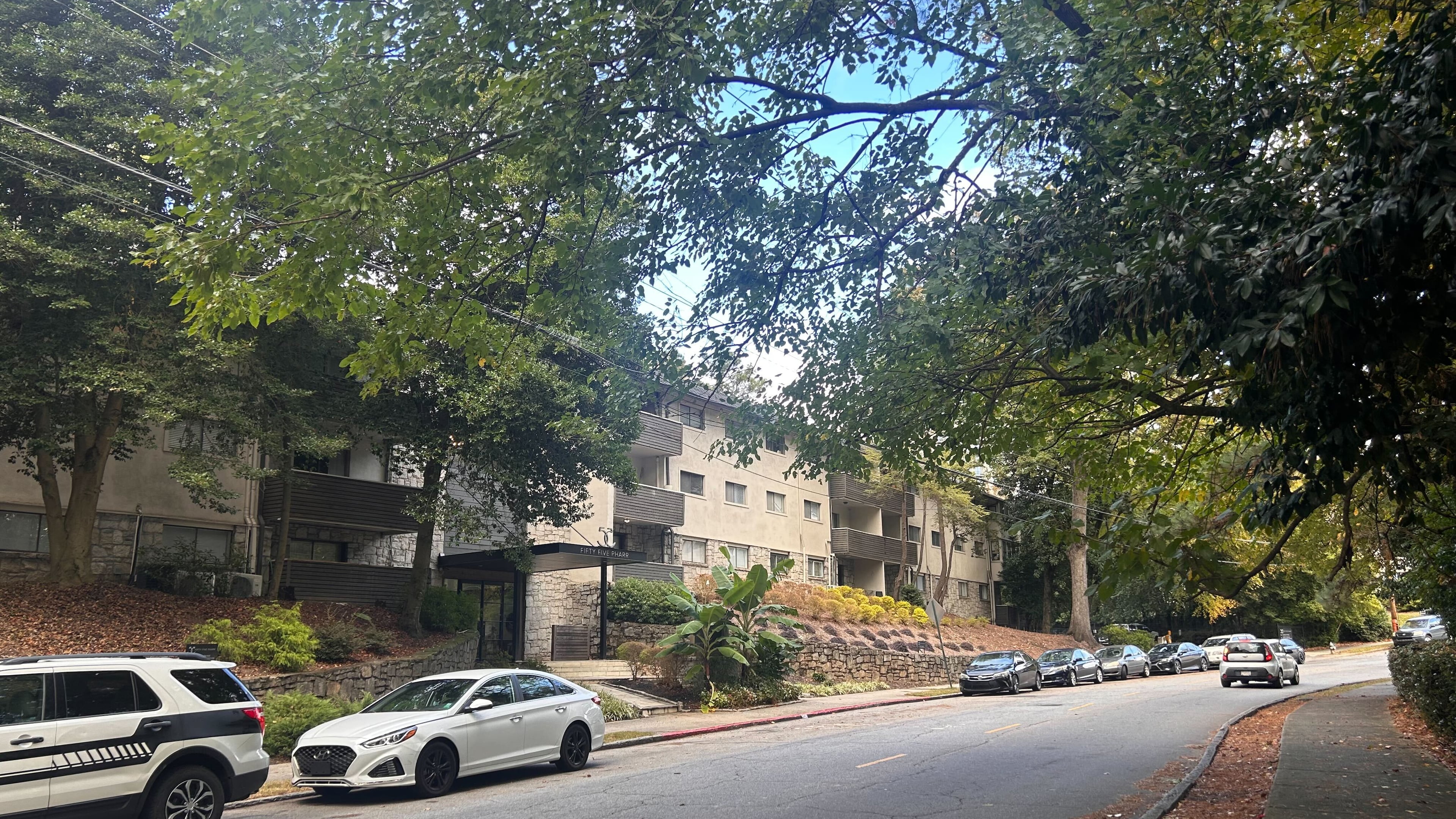
The incident that led to his arrest happened Oct. 30 in the parking lot of a Buckhead residential building where Schofield’s girlfriend lived. Police responded to the apartment complex, at the end of Pharr Road off Peachtree Road, after a report of a domestic disturbance between Schofield and his girlfriend. Officers had already allowed Schofield to leave the area with his father, whom he had called for help.
Moments later, while Atlanta police were still on the scene, several gunshots rang out in the parking lot of the complex. Rowe-Tolliver had fired several times at his son, arrest warrants detailed.
During an interview immediately following the shooting, Rowe-Tolliver told police his son “reached into his waistband,” causing him to believe Schofield ”was about to produce a firearm,” according to arrest warrants. Rowe-Tolliver said he pulled out his gun and shot approximately 12 times, arrest warrants stated.
Police have said Schofield did not have a gun.
Danny Porter said judges consider multiple factors when deciding to grant bond. When he was the Gwinnett County district attorney for nearly 30 years, Porter said it was “really rare” for a defendant charged with murder to be let out on bond.
He said the judge may have decided Rowe-Tolliver was “suffering having killed his son.”
According to the U.S. Department of Justice, defendants charged with murder were the least likely to be released before trial among felony defendants in state courts between 1990 and 2004 across 75 of the nation’s largest counties. Fewer than 1 in 5 defendants in murder cases were released, the federal agency found.
Porter said judges will consider a defendant’s criminal history, their likelihood of fleeing and if they pose a danger to the community. Usually, the circumstances of a murder case show the defendant intentionally caused the death of another, and Porter said that can create a presumption that the person is dangerous or could influence witnesses, which can decrease the chance of getting bond.
Schardt said Rowe-Tolliver has been grieving his son’s death. In late April, the attorney filed a motion for immunity from prosecution stating his client “reasonably used force” to protect his life, protect himself from serious injury and prevent a forcible felony.
Schardt said he doesn’t know when a hearing on that motion will be scheduled.
Immediately after the shooting, Schofield‘s girlfriend told police the evening’s troubles started when her boyfriend got into a wreck and contacted her for help. According to Rowe-Tolliver’s arrest warrants, the girlfriend said she found Schofield asleep in a Jeep Compass that had smashed into the side of a building. After pulling him out of the car, she told police she anonymously reported the crash and drove Schofield to her apartment.
That’s when she said he became “belligerent and irate and began to get into a verbal dispute with her,” and police soon responded to the apartment, the warrants read. Rowe-Tolliver had driven from Conyers after his son told him he was in a crash, according to the warrants. The father was asked to come inside the apartment after the girlfriend saw him outside.
Inside the woman’s apartment, officers observed broken glass, shattered televisions and a hammer stuck in an interior wall, the motion filed by Schardt details. Police said the girlfriend declined to press charges and Schofield was “compliant,” so officials allowed him to leave the area with his father.
According to the defense motion, the two men started to depart and Schofield “once again” became “belligerent and violent,” leading Rowe-Tolliver to “defend himself” as his son approached him while “‘clutching’ in his hoody as if he was armed.”
A “medium-sized bag of marijuana” was found in Schofield’s clothing, the defense motion states.
“On that night when Mr. Schofield was in distress and needed to call someone to come get him, he called his father. They had a good relationship with some issues, and this has been a tragedy that Mr. Rowe-Tolliver has had to deal with,” Schardt said.