Insurers argue they shouldn’t have to pay for Sapelo Island gangway collapse lawsuit


With $35 million at stake, two insurers of the architect for the Sapelo Island gangway that fatally collapsed in 2024 are trying to avoid paying coverage as victims and their families seek damages in court.
Seven people were killed when the 80-foot ferry dock gangway collapsed in October 2024 during a celebration of the Gullah Geechee community on the island, about 70 miles south of Savannah. Others preparing to board a ferry back to the mainland on Georgia’s coast were seriously injured.
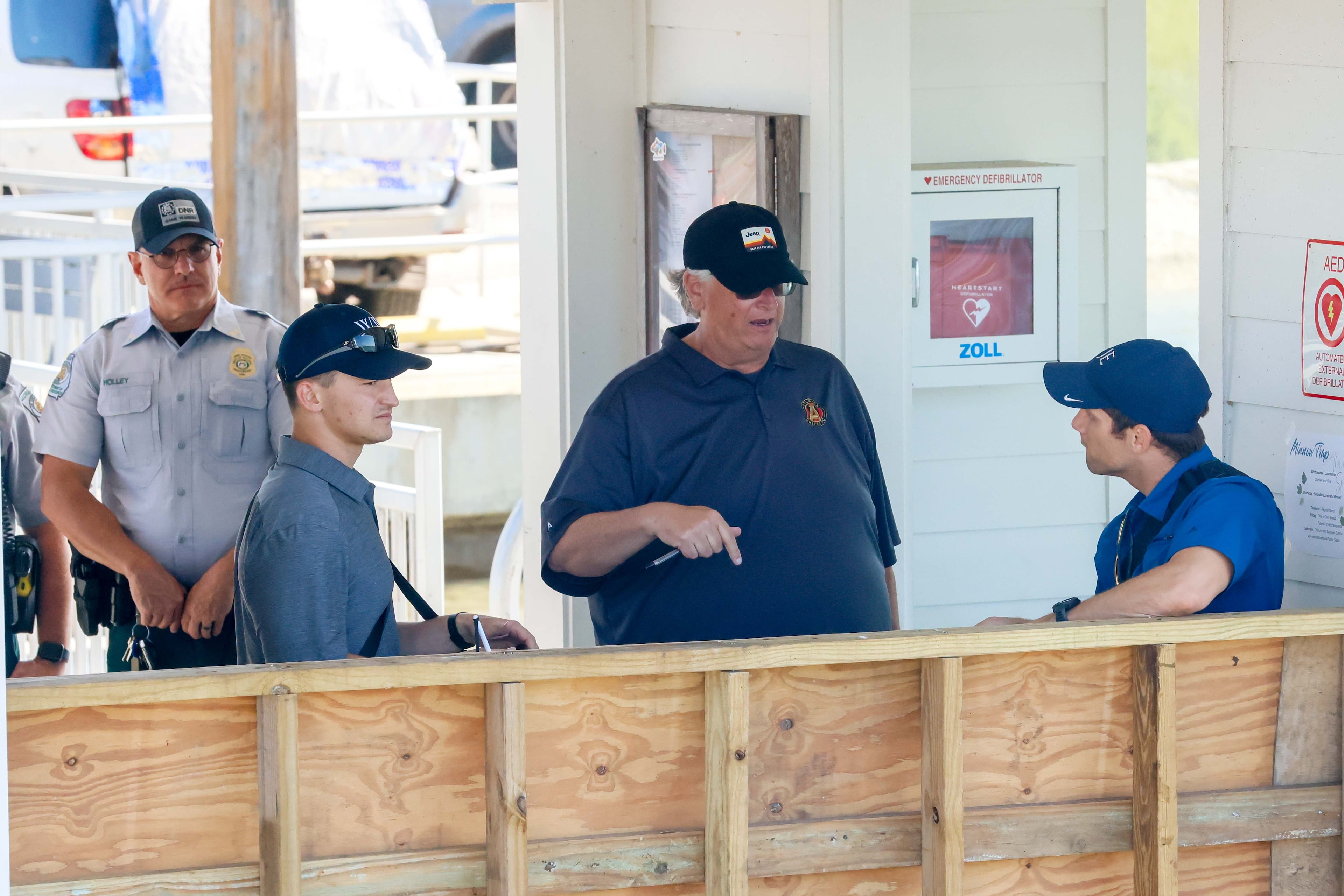
Last year, a lawsuit was filed in Gwinnett County on behalf of those killed and injured, accusing the companies that designed and built the gangway of doing a bad job. The defendants in that ongoing case include Stevens & Wilkinson, an Atlanta-headquartered architecture, engineering and design firm.
As Stevens & Wilkinson fights the Gwinnett case, denying liability, it has been sued by its insurers in federal court in Atlanta.
In their lawsuit, filed Thursday, National Fire Insurance Company of Hartford and Continental Insurance Company seek a declaration that the 2024 policies they issued to Stevens & Wilkinson do not provide coverage for claims over the gangway collapse.
One policy includes general liability coverage with a $20 million limit. The other is a $15 million excess and umbrella liability policy.
The insurance companies say they’re off the hook because the policies don’t cover injuries arising from Stevens & Wilkinson’s professional failures, including those by third parties hired to work on the firm’s behalf.
“All of the damages sought in the Underlying Lawsuit as respects Stevens & Wilkinson are sought because of bodily injury arising out of the rendering of or failure to render professional services by Stevens & Wilkinson,” the insurers wrote in their complaint.
The insurers want a declaration that they don’t have to defend or indemnify Stevens & Wilkinson in the underlying case in Gwinnett. They also seek to recoup any fees paid to Stevens & Wilkinson for its defense in the Gwinnett case.
Stevens & Wilkinson and its lawyers in the Gwinnett case did not respond Monday to questions about the litigation.
It is common for insurance companies to file so-called declaratory actions against their insureds when coverage disputes arise in relation to injuries and associated liability.

Jeffrey Goodman, an attorney for the gangway collapse victims and their families, said they have “every reason to believe” the assets and available insurance of the defendants, including Stevens & Wilkinson, will cover “whatever the ultimate financial outcome of this case is.”
“Obviously no amount of money could ever be enough, given the loss of loved ones,” Goodman told The Atlanta Journal-Constitution on Monday.
When the Gwinnett case was filed in June, Atlanta architecture firm SSOE Group, which acquired Stevens & Wilkinson in 2021, said the gangway collapse was a tragic event. A spokesperson declined to comment on the litigation at the time.
In August, Stevens & Wilkinson asked the judge overseeing the Gwinnett case to dismiss it, arguing the plaintiffs’ claims don’t stack up for a variety of reasons. The firm said in part that any injuries were the fault of others it didn’t control and that it had acted in good faith under applicable industry standards without breaching any duties owed to the plaintiffs.
“The damages alleged by Plaintiffs were not proximately caused by the actions of S&W or any of its agents or employees within the course and scope of their employment, and accordingly, there can be no recovery from S&W,” the firm wrote in its dismissal bid. “S&W denies that it was negligent or that it is liable to Plaintiffs.”

The lawsuit filed in Gwinnett alleged that Stevens & Wilkinson was hired by the Georgia Department of Natural Resources as the architect, “designated design professional” and “building official” for a project to repair and replace Sapelo Island docks and gangways. It alleged Stevens & Wilkinson was responsible for providing “overall project management and site architectural services” for the project, which was part of a settlement in an earlier court case between Sapelo Island residents and the state.
In its response to the Gwinnett lawsuit, Stevens & Wilkinson said its involvement in the Sapelo Island project was limited. It also denied that the ferry dock gangway was poorly designed and constructed.
There were an estimated 40 people on the metal gangway when it buckled, sending about 20 plummeting into the river below, authorities said.
Lawyers for the victims and their families said the gangway should have supported at least 100 pounds per square foot but was designed and built to withstand less than a third of that weight. They said many of those plunged into the water were elderly, limited in mobility and unable to grasp rescuers’ outstretched hands or flotation devices thrown from the nearby ferry.
Two years before the gangway collapse, several state employees expressed concern about the structure, an AJC investigation found.
The celebration that day was to honor Sapelo Island’s Gullah Geechee community, comprised of the descendants of enslaved people who inhabited the island generations ago.