Gov. Kemp: South Georgia wildfires are ‘most dangerous, biggest’ in U.S.
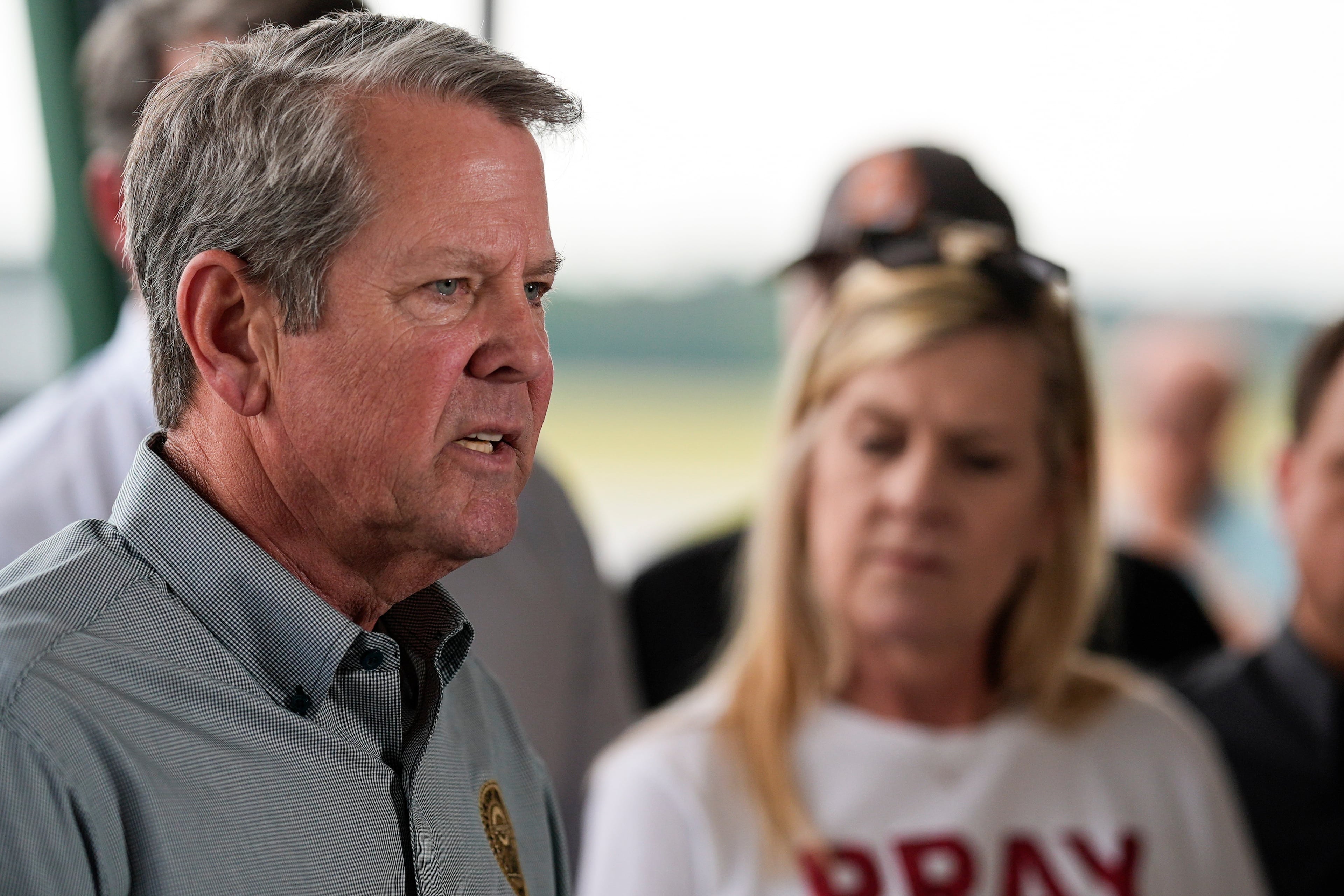
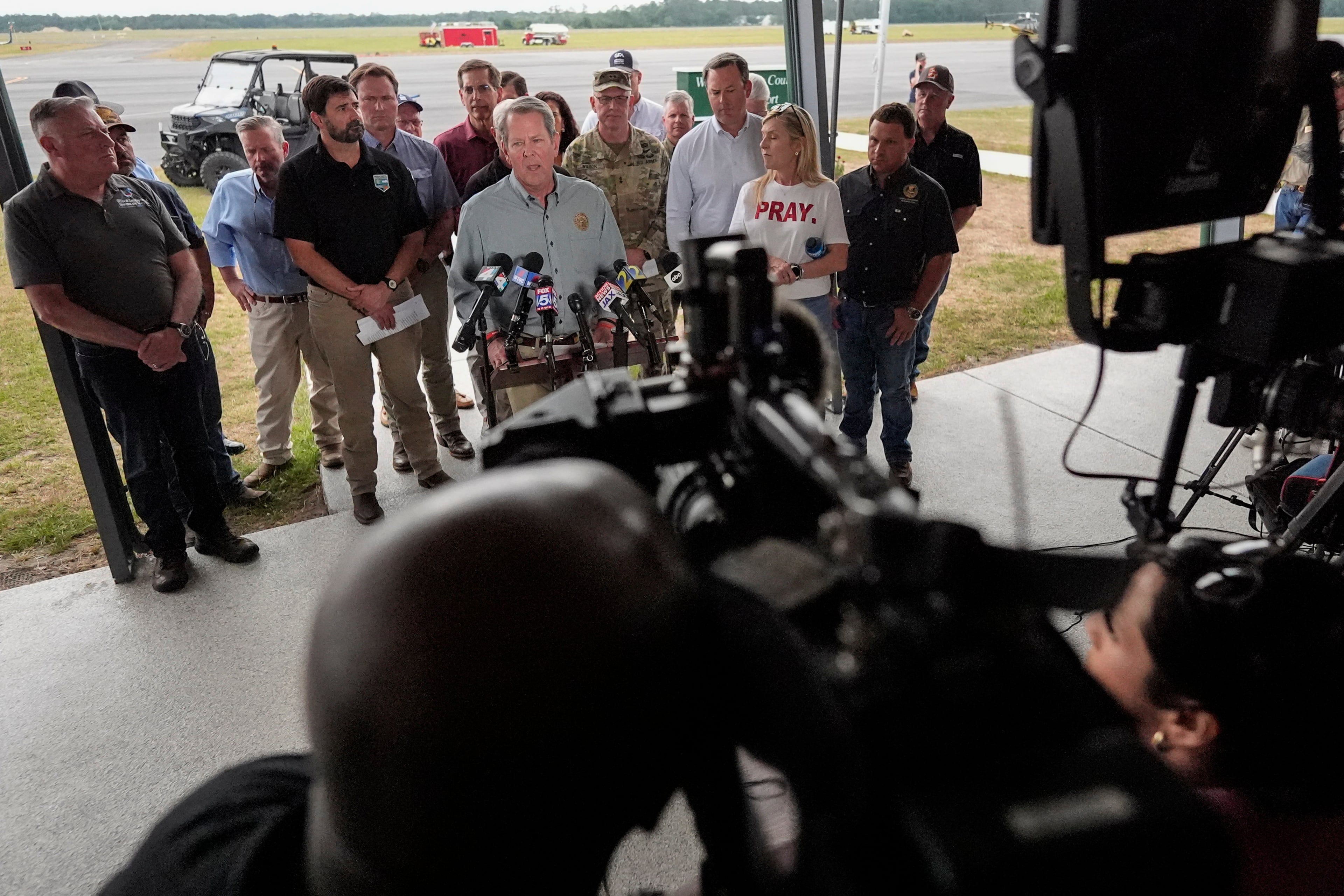
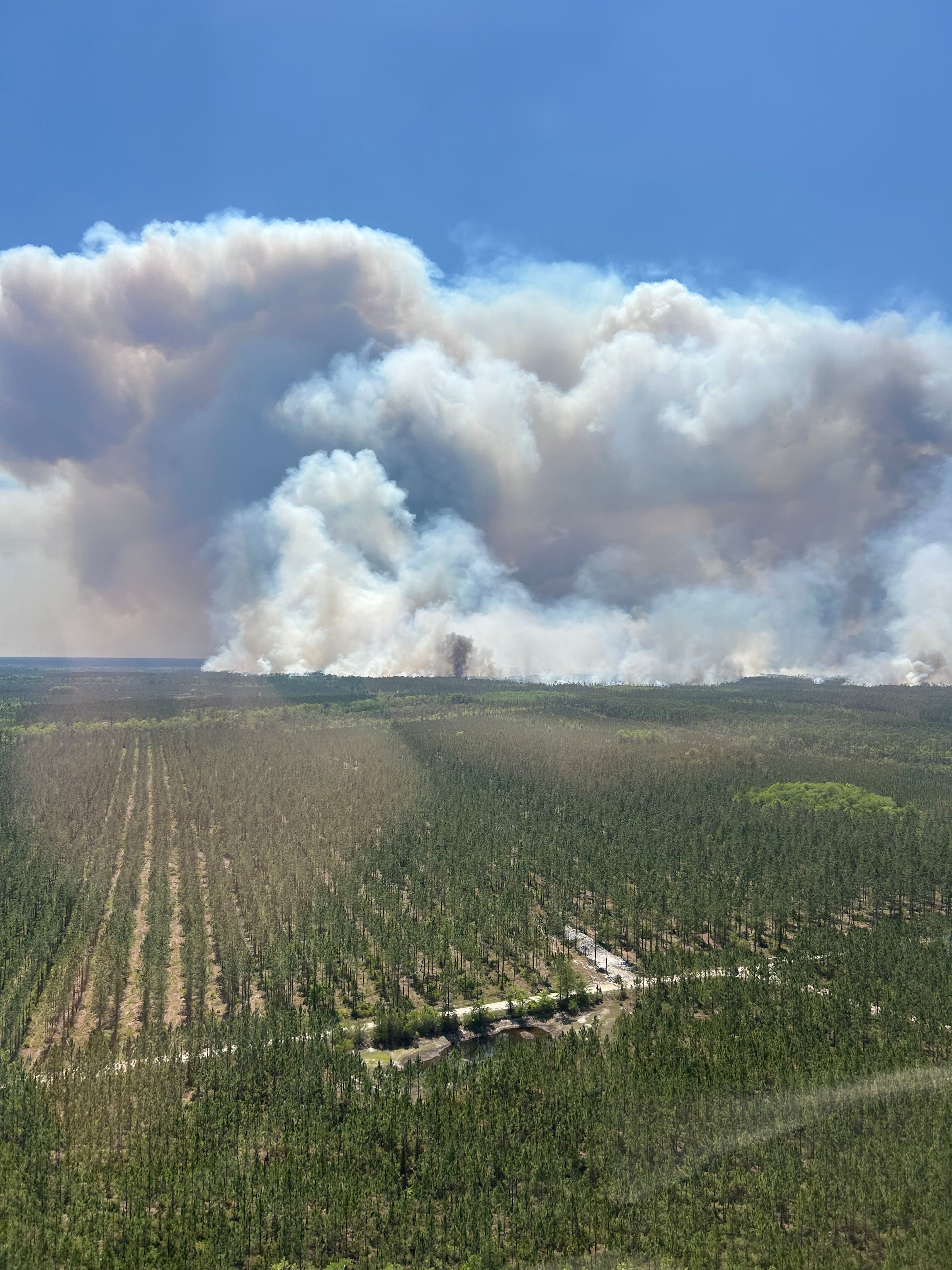
WAYCROSS — Gov. Brian Kemp praised firefighters and emergency workers in South Georgia who he said Friday are battling the two “most dangerous, biggest, problematic” wildfires in the United States.
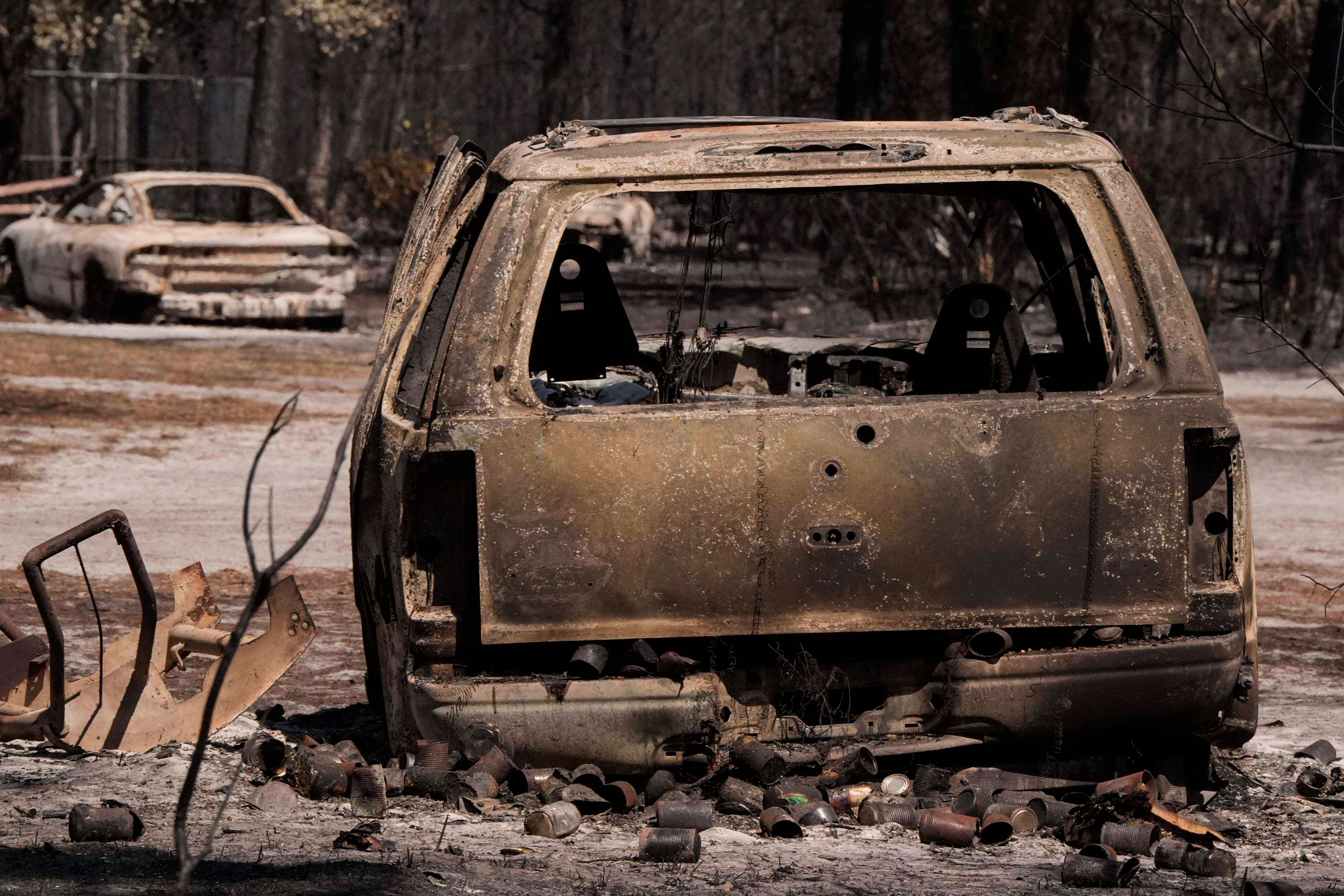
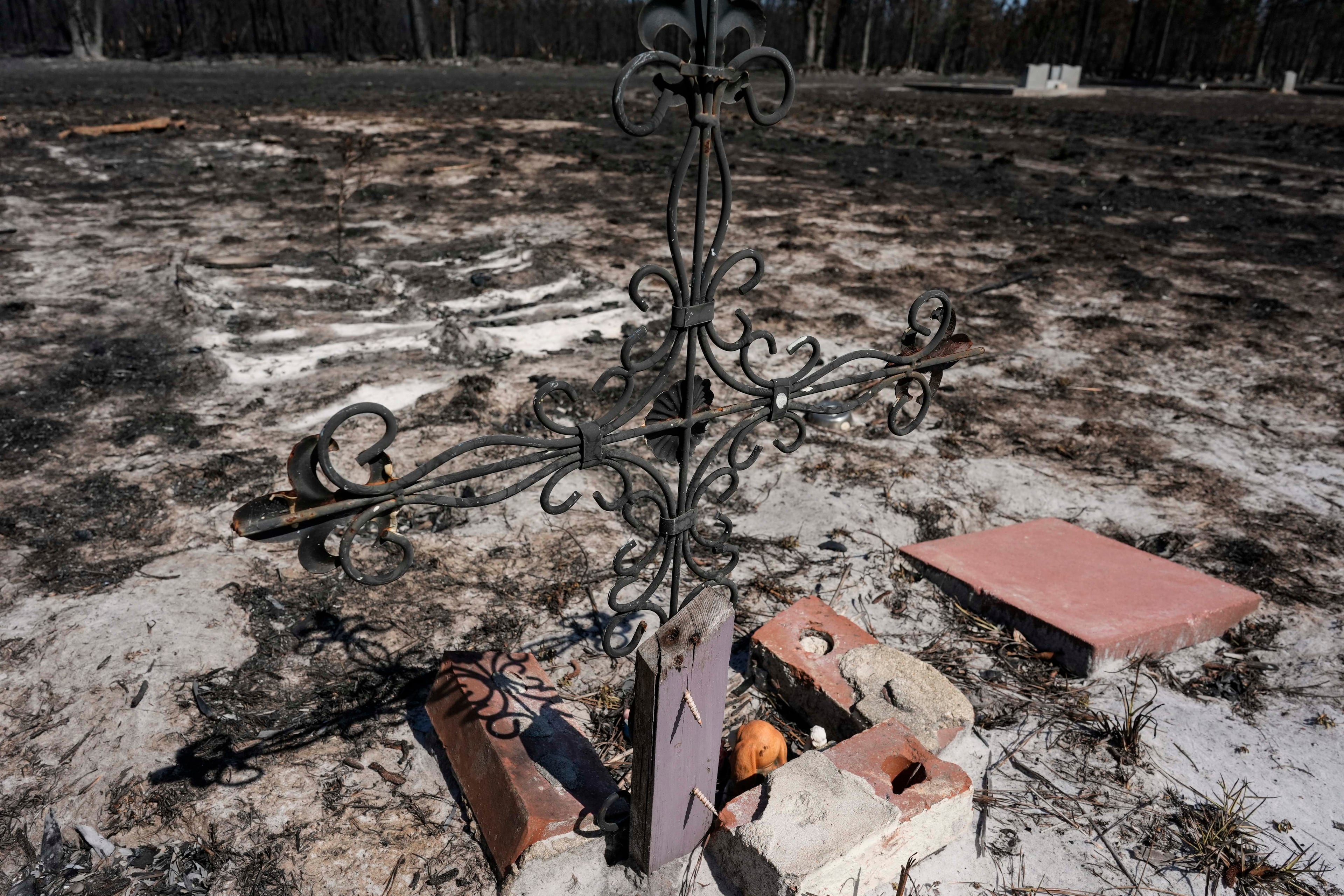
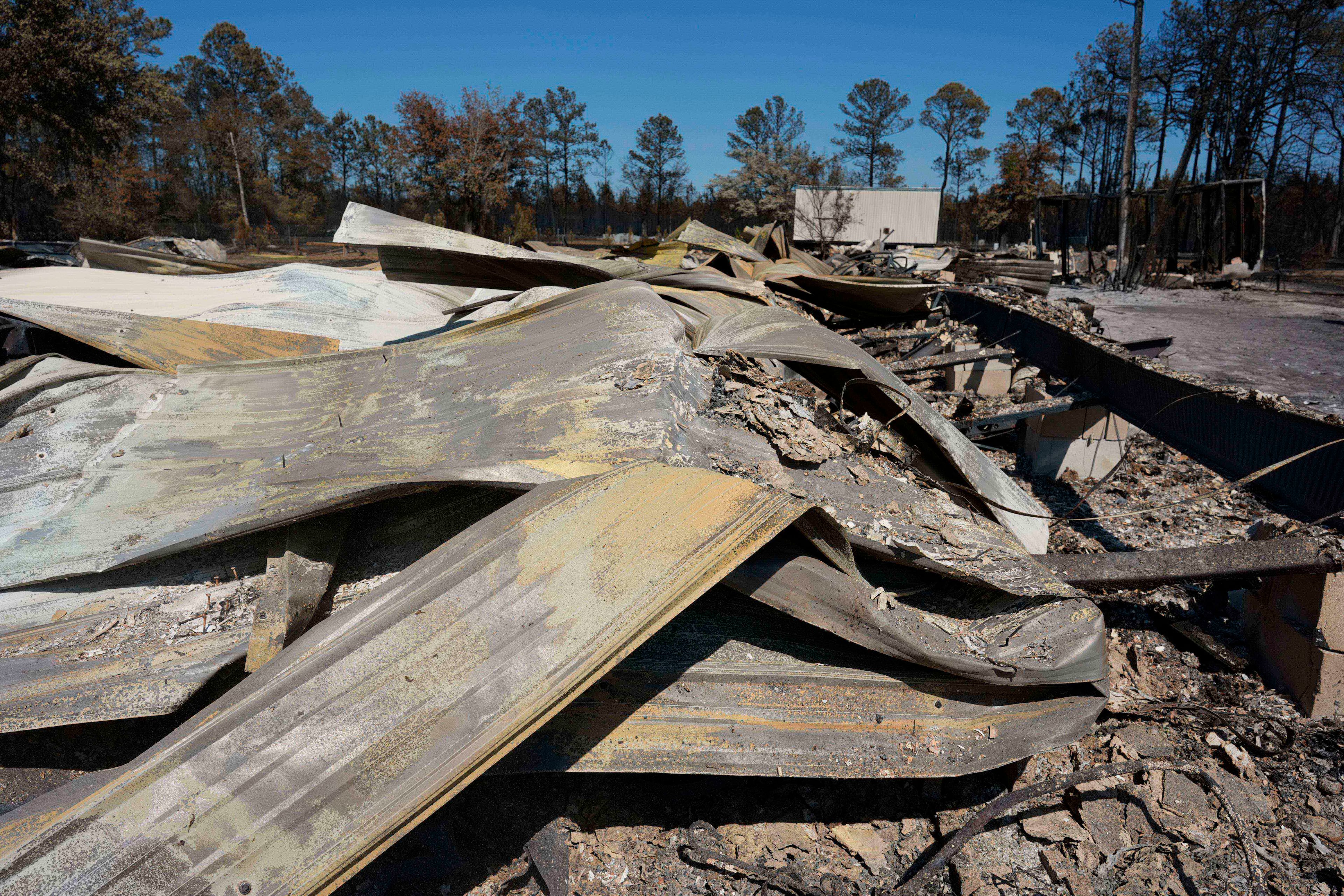
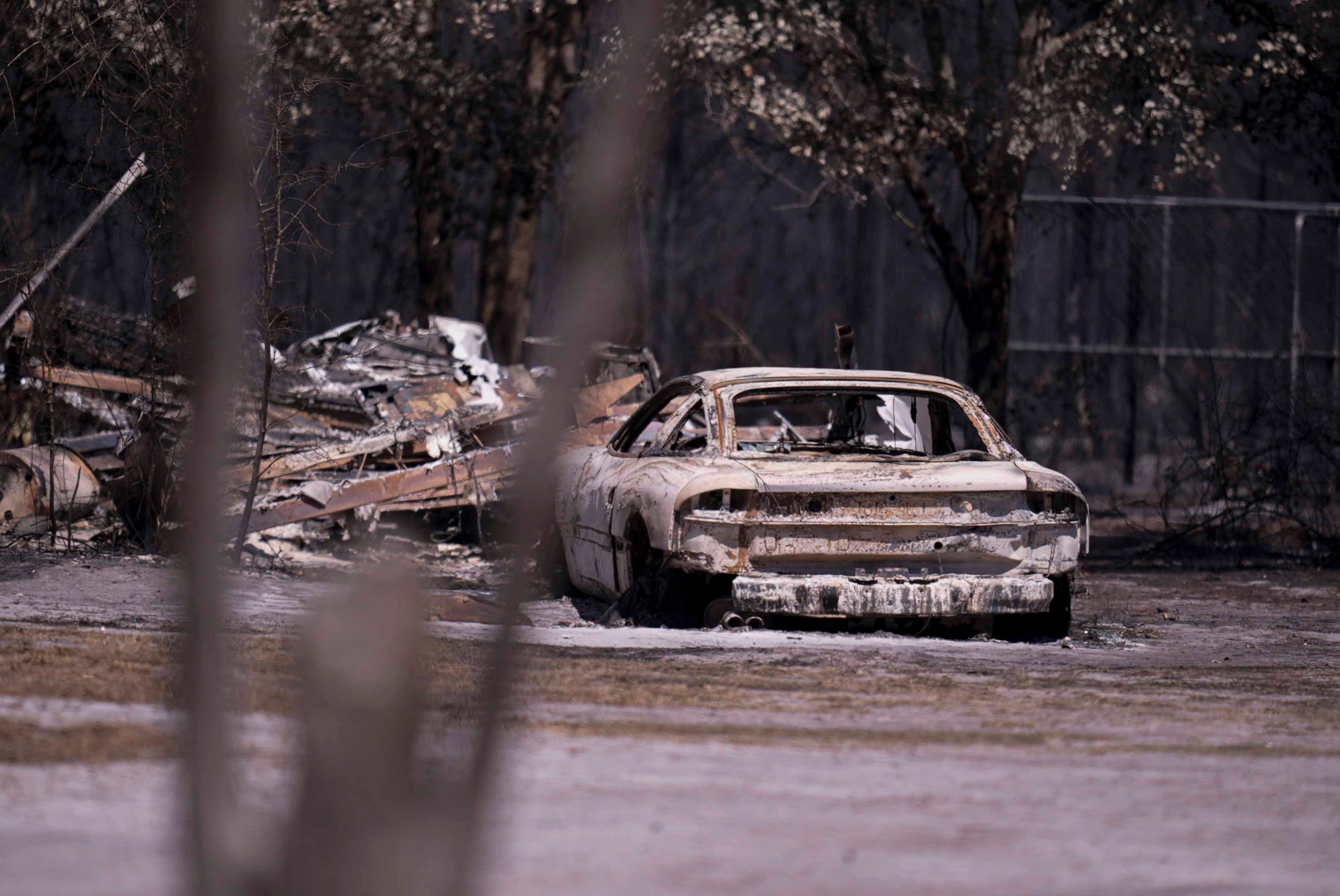
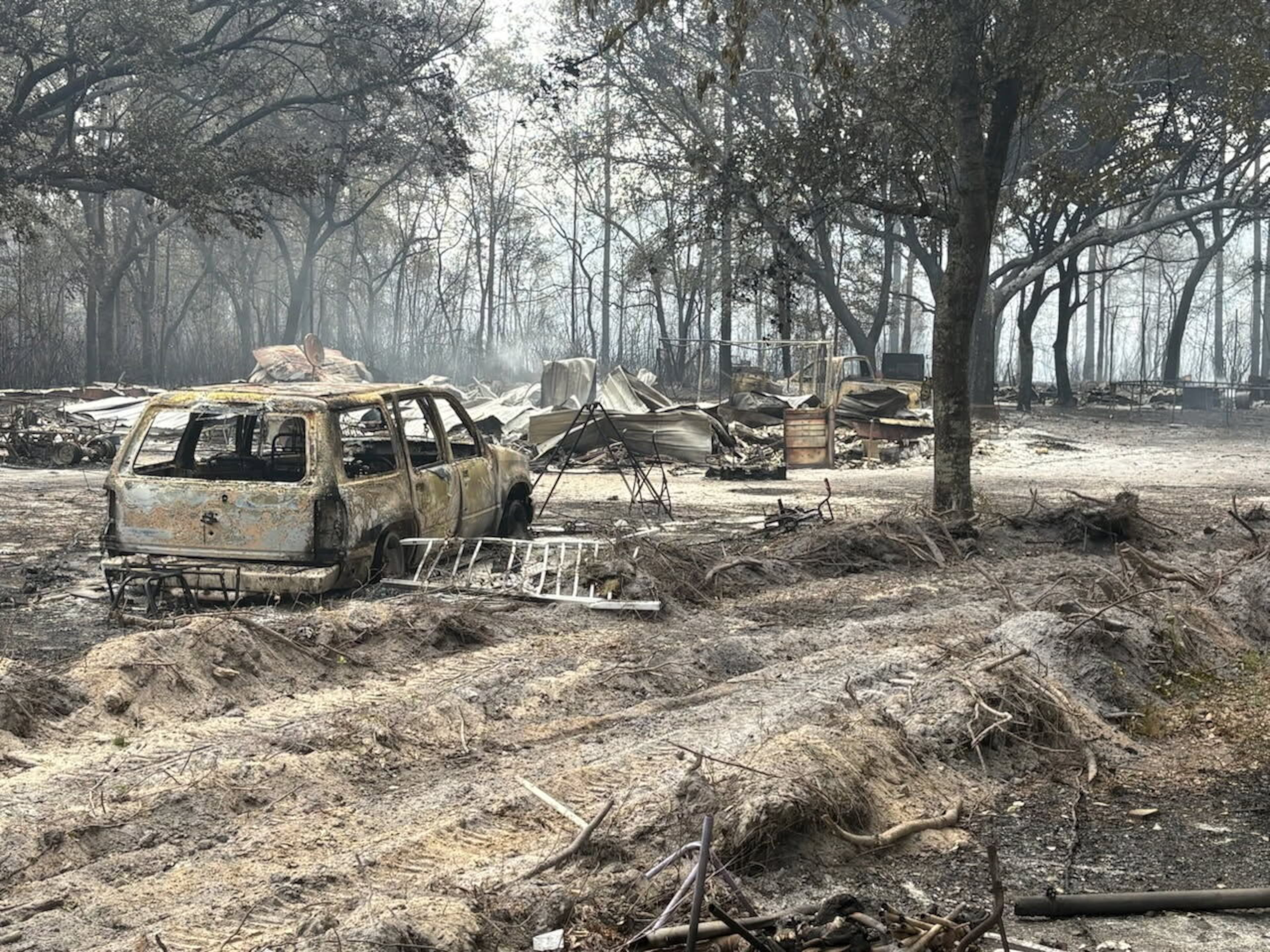
The governor added he believes the blazes, fed by extremely dry conditions and still far from being contained, already have caused “the most lost homes ever in the history of our state” from wildfires.
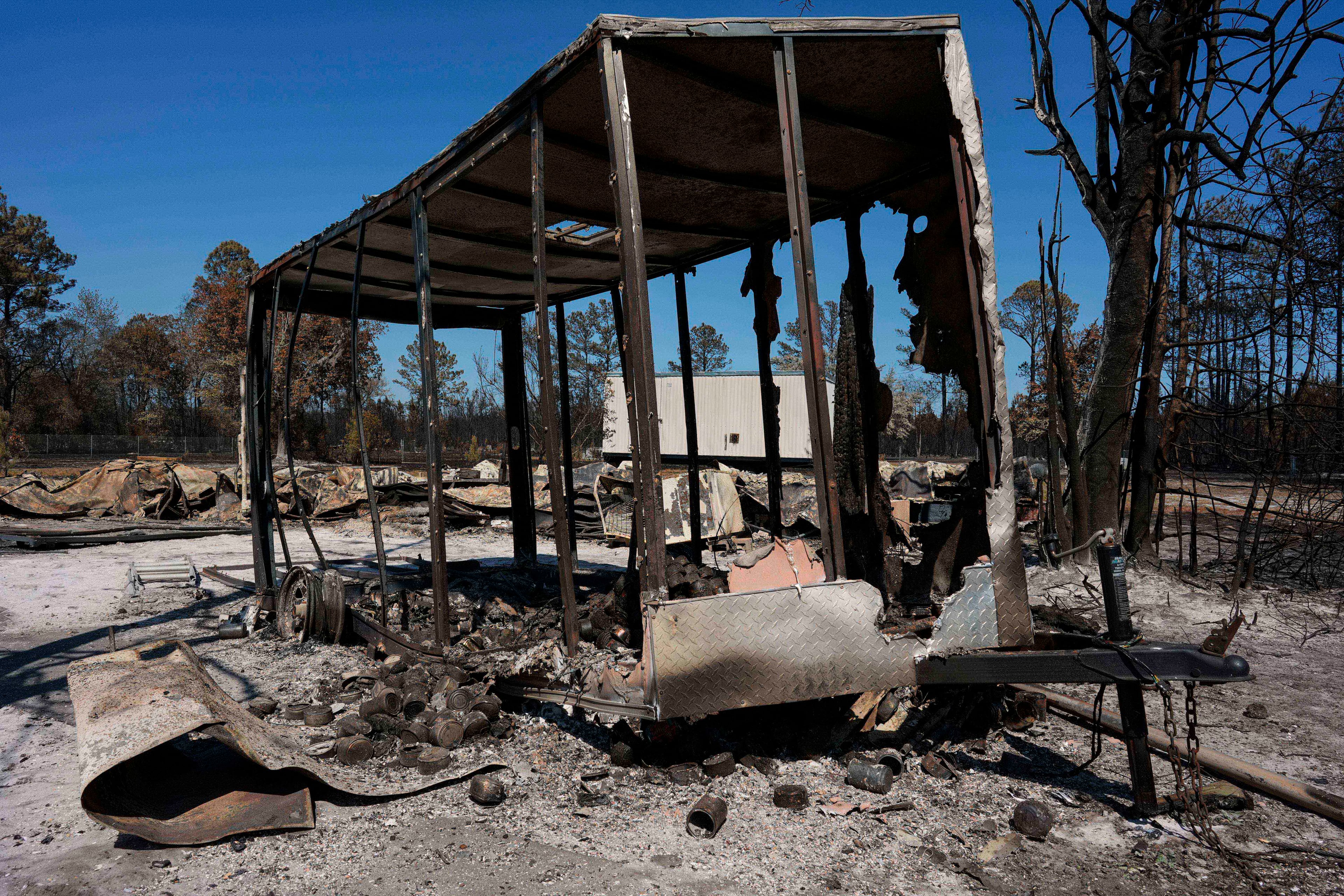
More than 120 homes have been destroyed thus far, with no significant help from Mother Nature expected anytime soon.
“Unfortunately, we believe that fire activity is going to remain extremely high throughout the weekend. And really we need a change in the weather,” Kemp said.
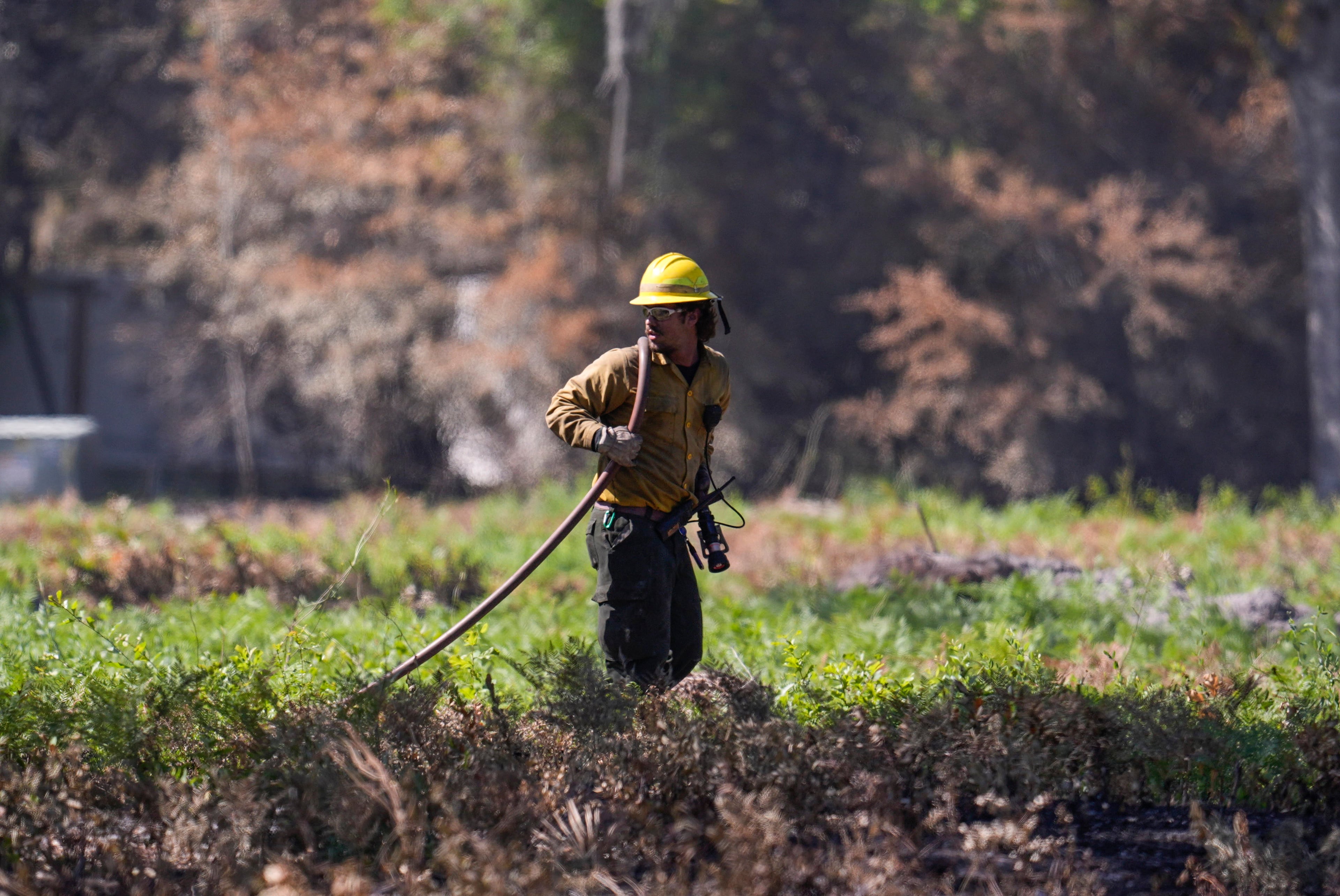
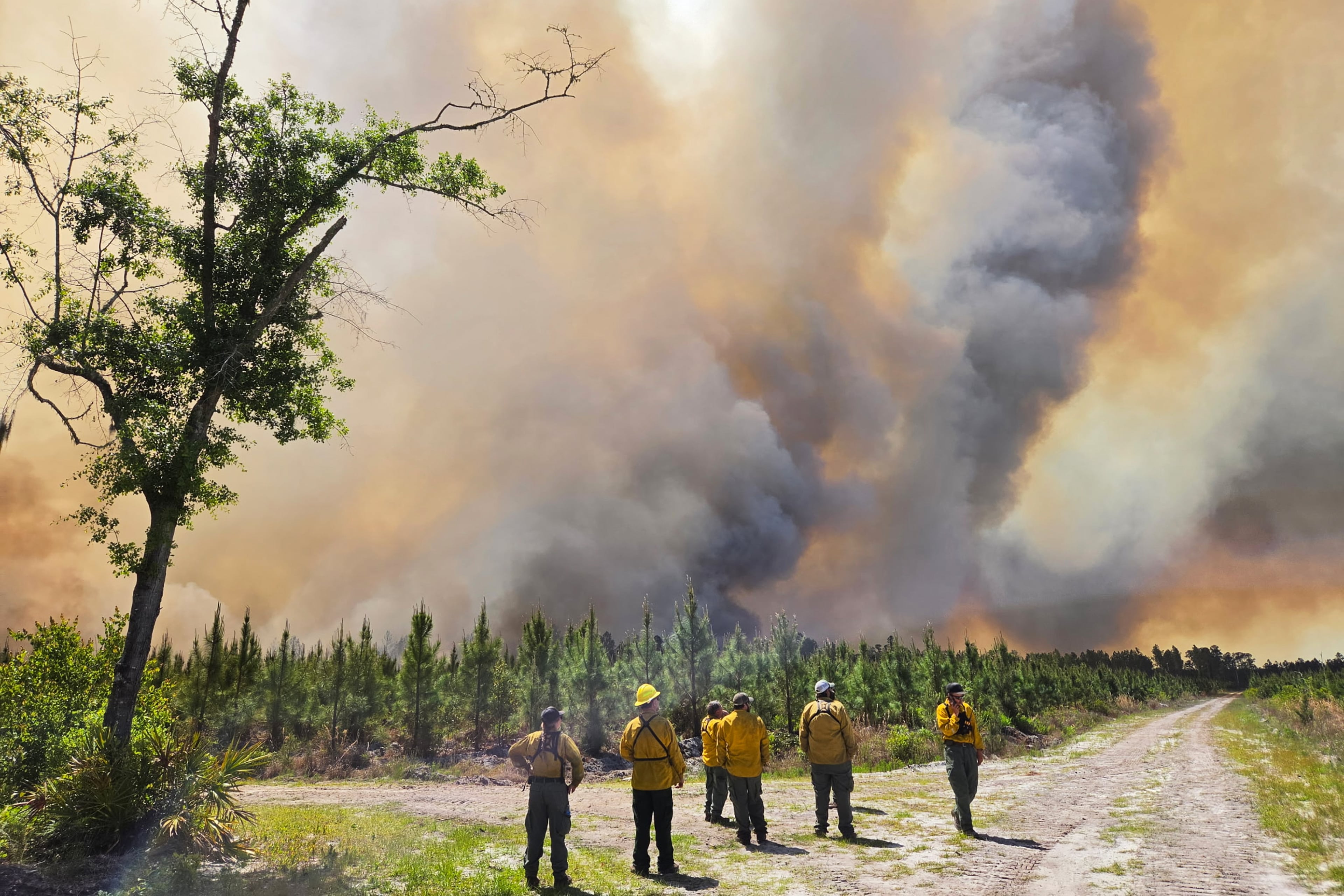
He was speaking with reporters in Ware County after surveying damage with first responders and local officials as more than 400 firefighters try to control two major wildfires in neighboring Clinch and Brantley counties near the Florida border.
“So we got the two most dangerous, biggest, problematic fires anywhere in the United States within just a really small area that we’re having to fight,” he said.
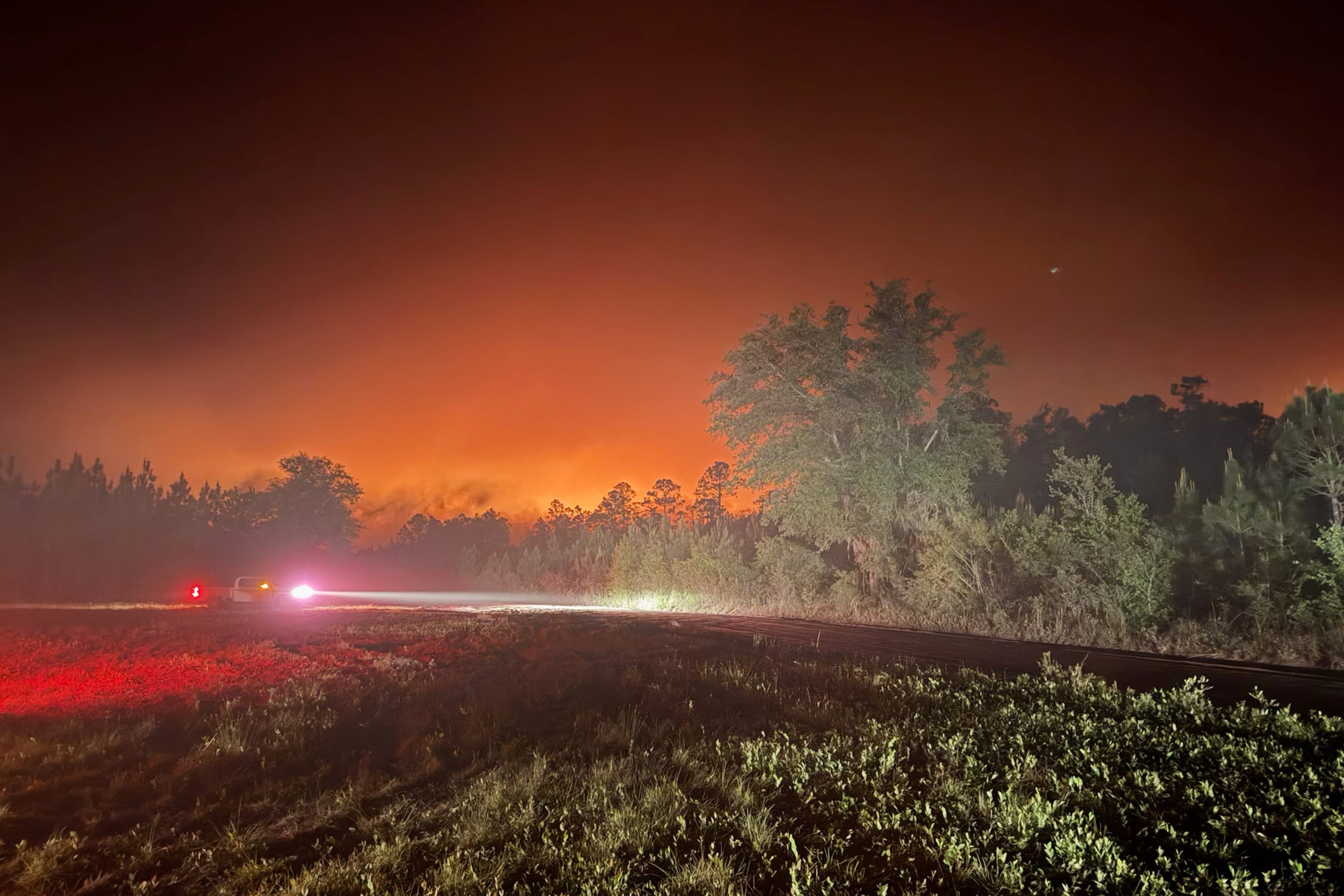
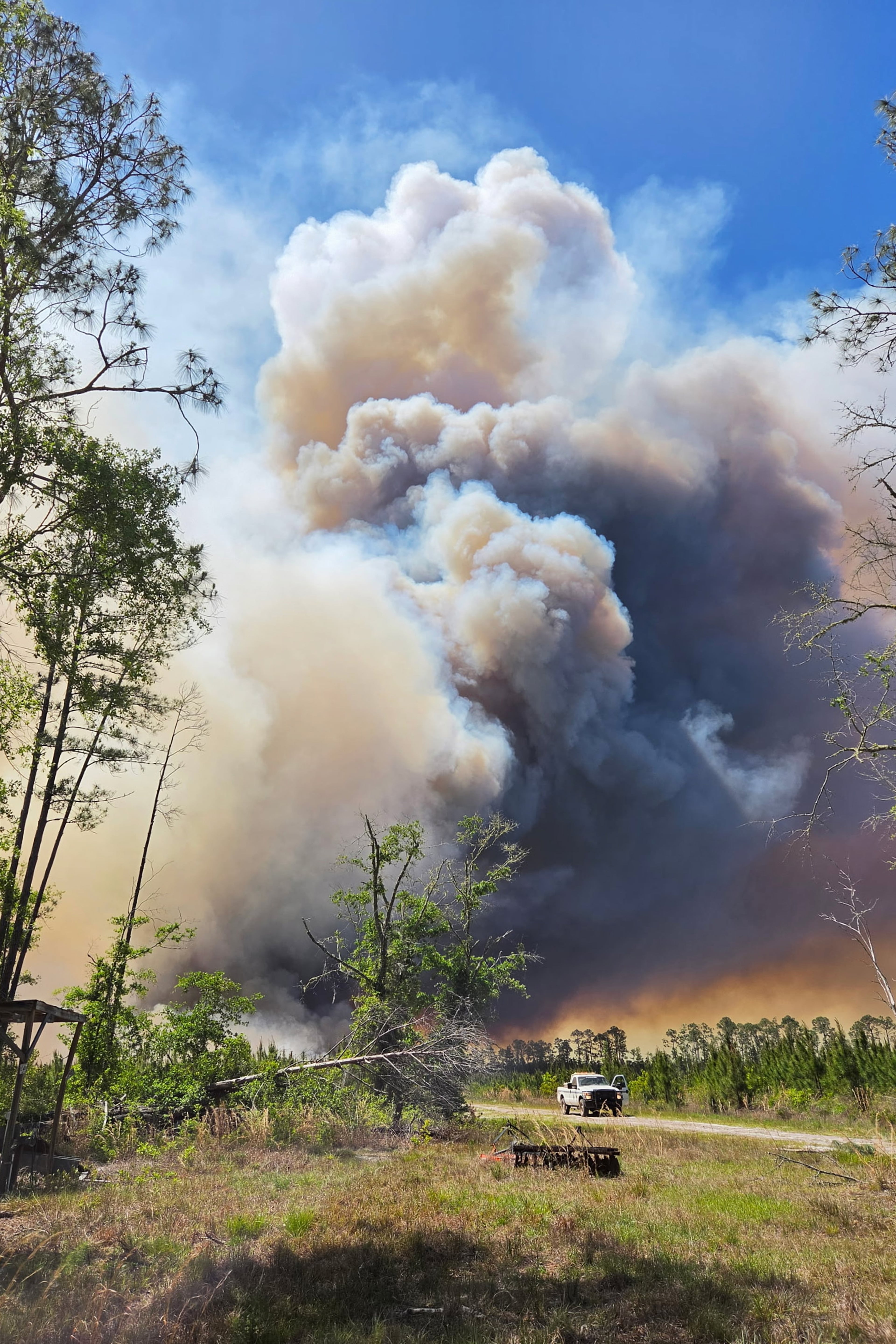
The twin fires, roughly 60 miles apart and separated by the Okefenokee Swamp, have been burning for nearly a week.
Marty Kemp, the governor’s wife, accompanied him Friday wearing a white T-shirt emblazoned with the word “PRAY” in big red letters.
“I just remind people that we need to be praying for these families and keep these firefighters that are on the front lines, and everybody that’s trying to do this, to continue to pray,” she said.
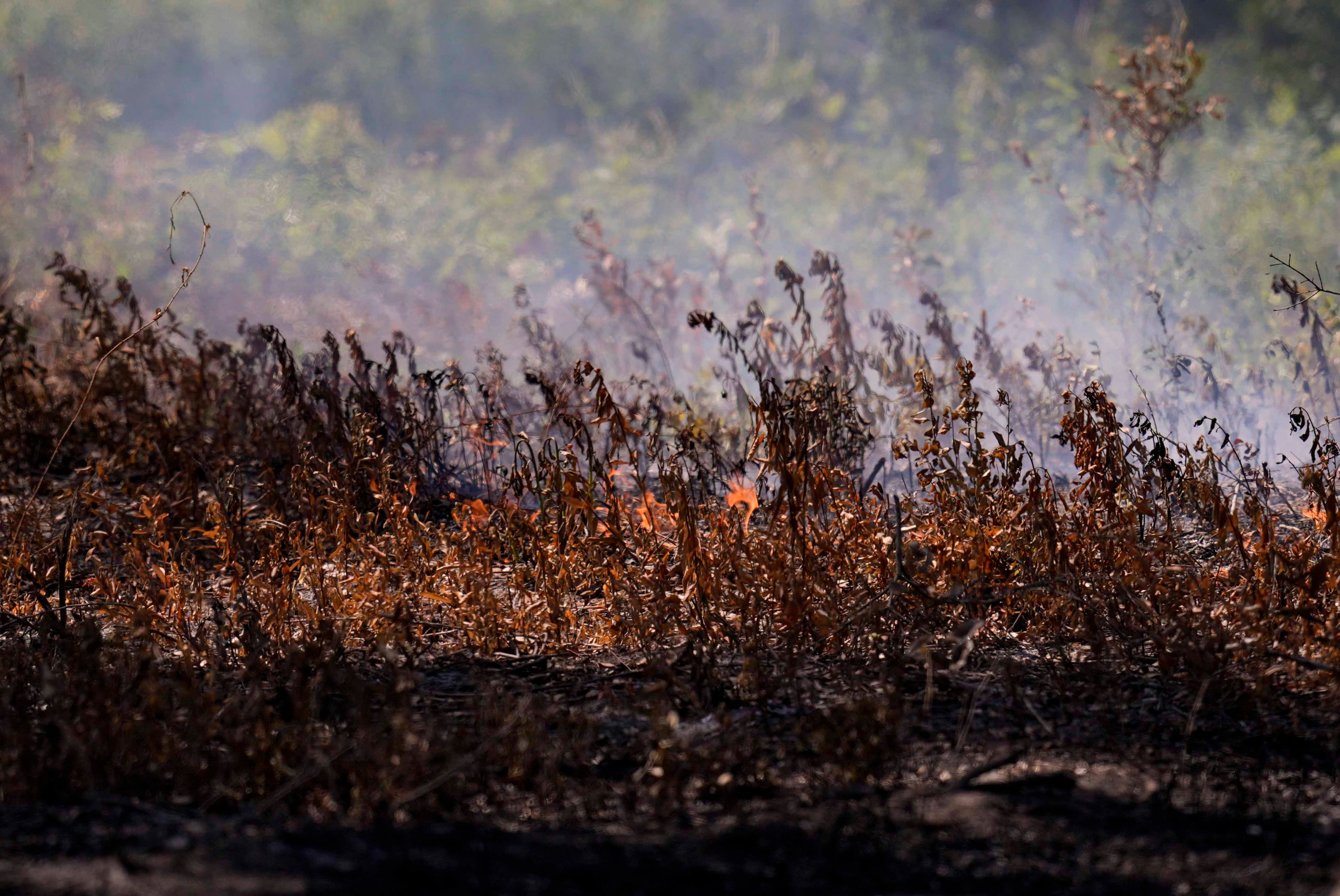
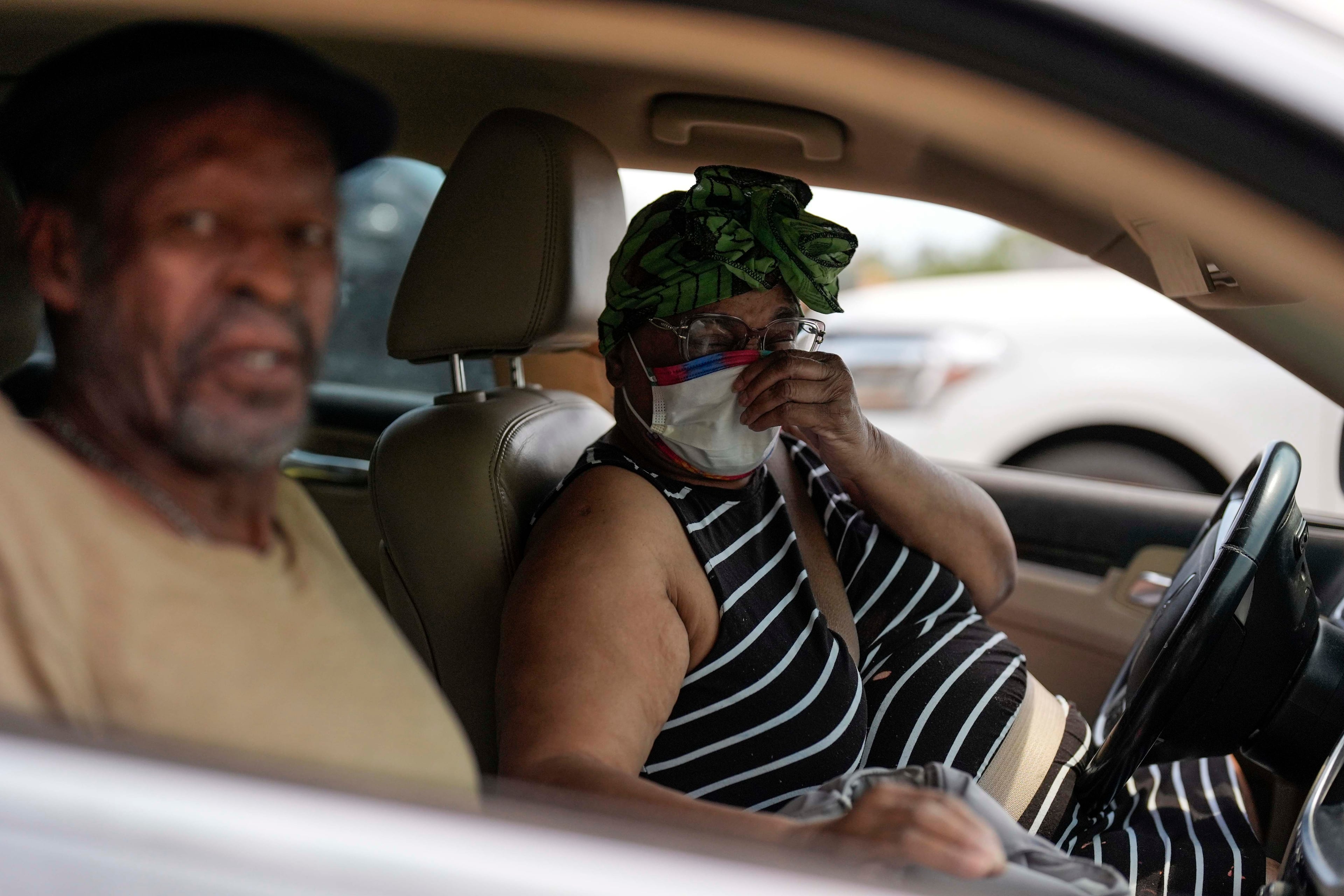
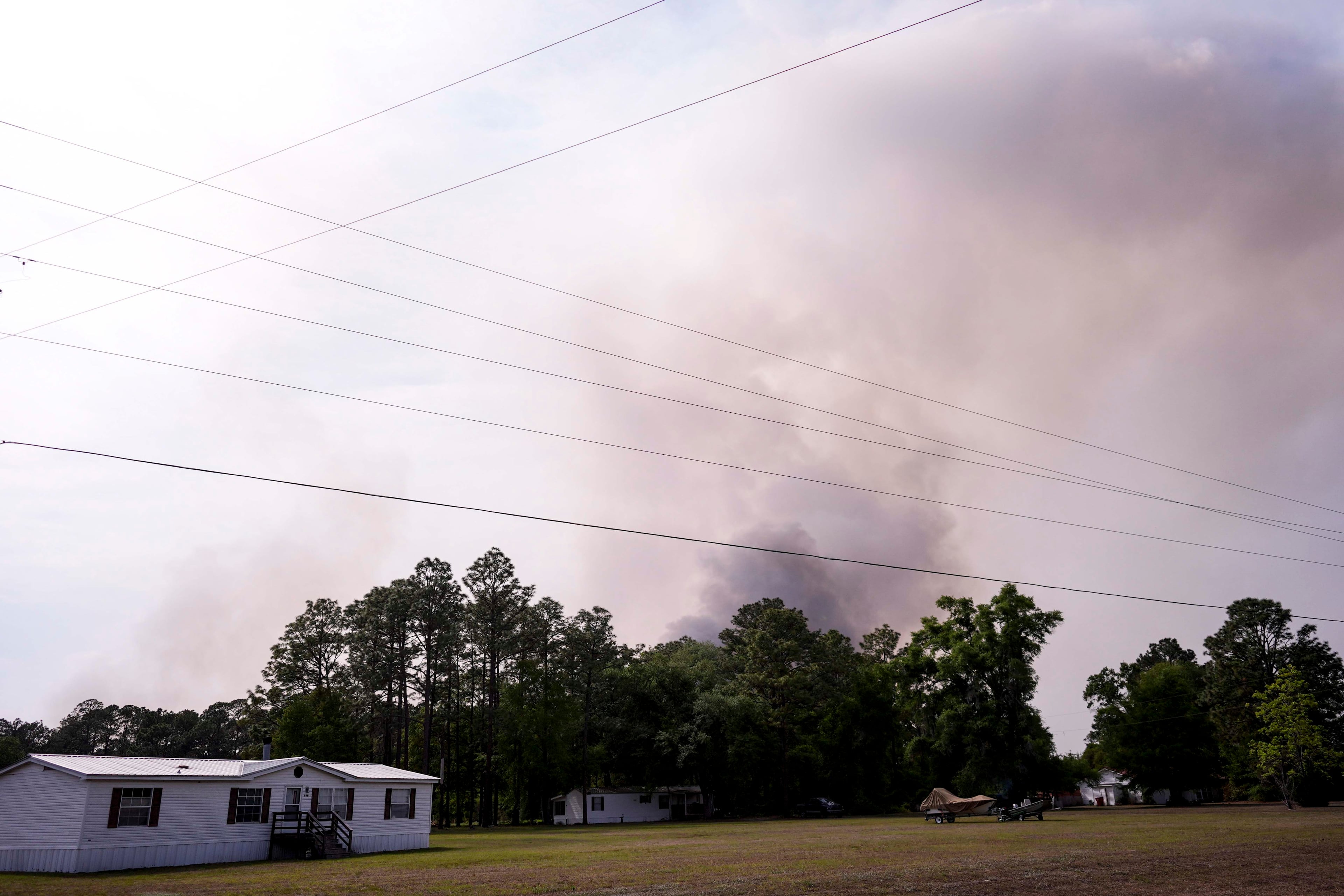
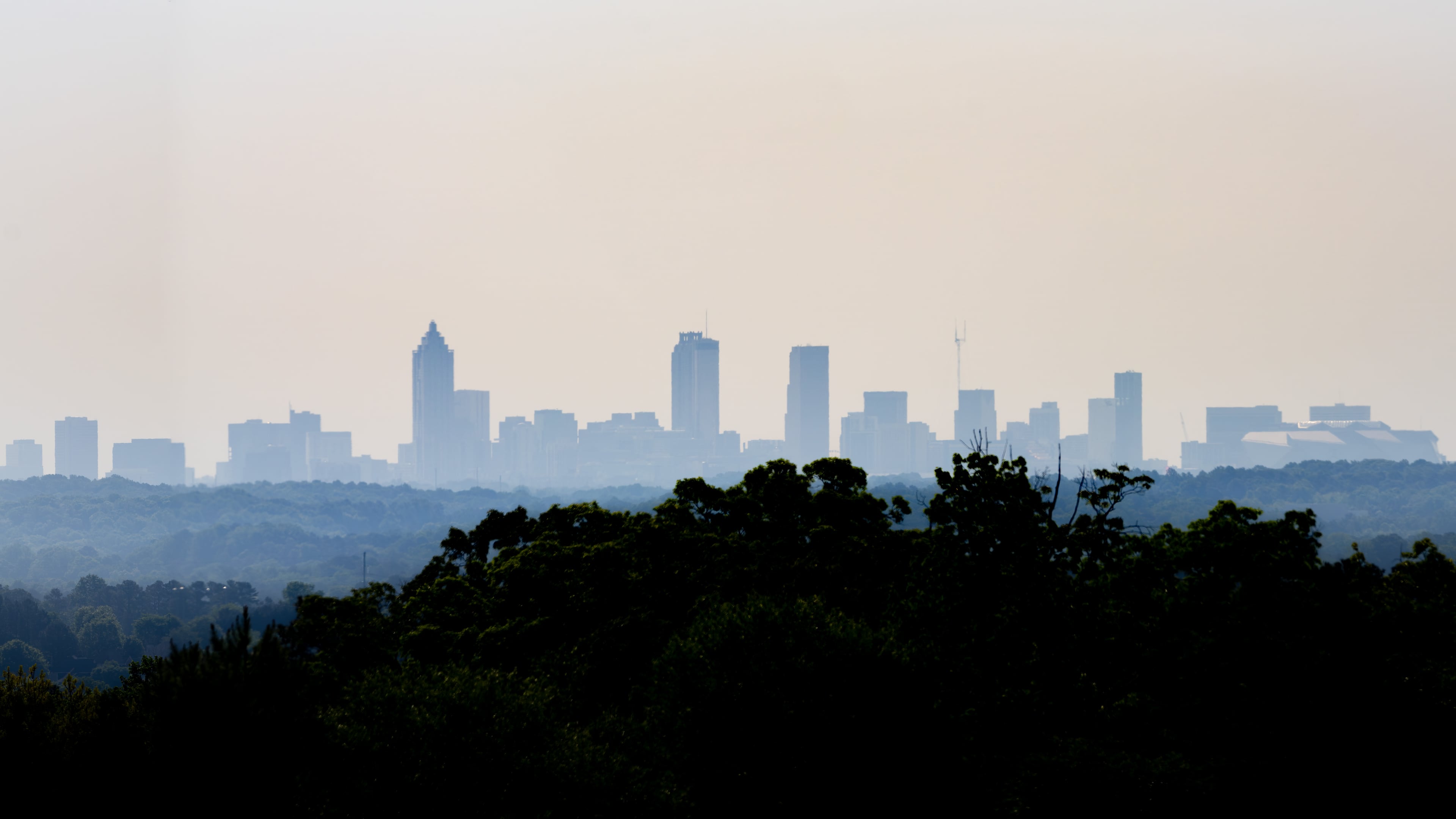
About 40,000 acres have burned in more than 90 wildfires in the past week, mostly in rural areas in South Georgia, according to the Georgia Forestry Commission. Smoke from the fires has caused hazy conditions and poor air quality in Atlanta and other parts of the state.
The Highway 82 fire in Brantley County, inland from the coastal city of Brunswick, has engulfed more than 7,500 acres and destroyed 87 homes or structures. More than 800 homes are in danger, Kemp said. Only about 15% of the fire was contained as of Friday morning.
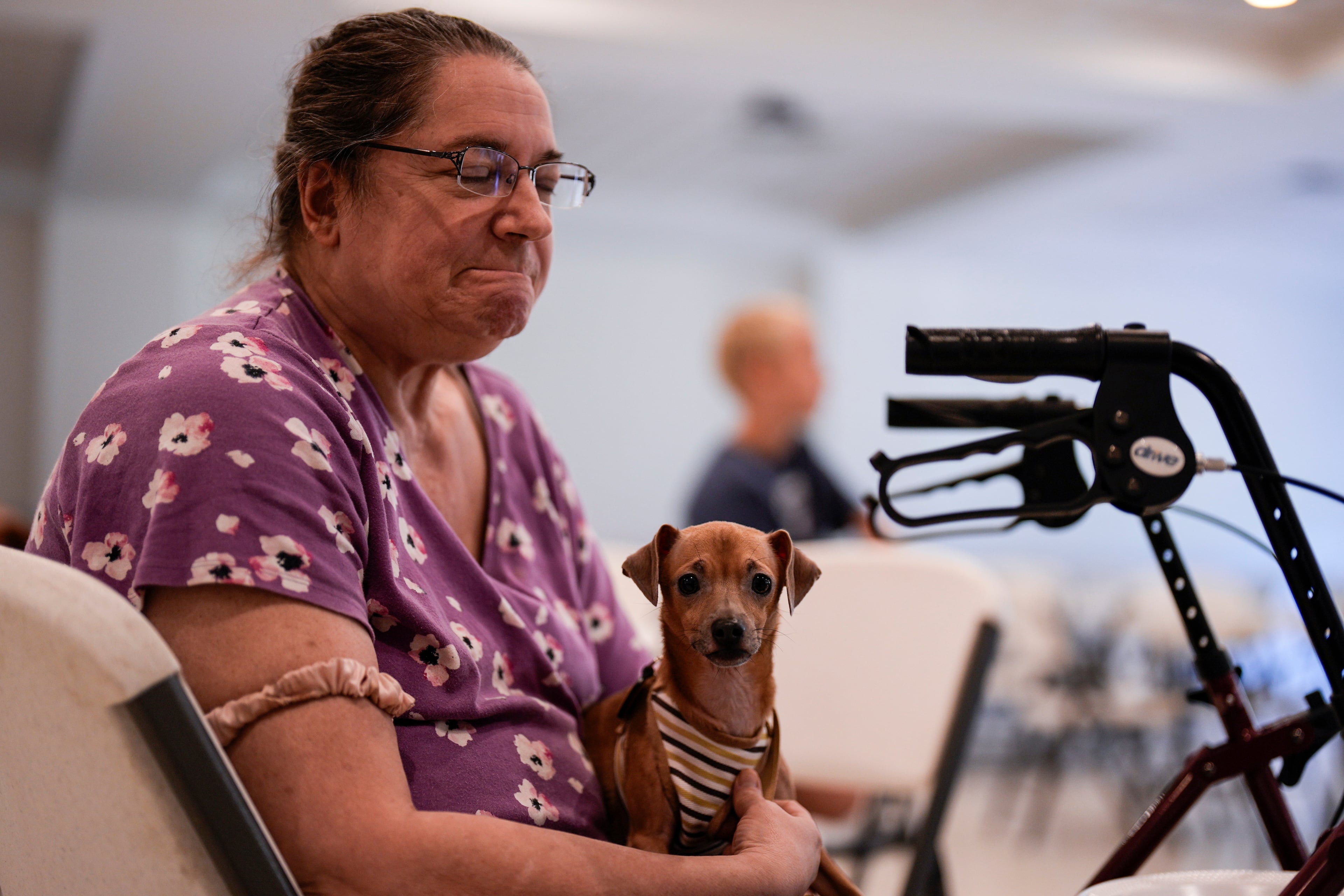
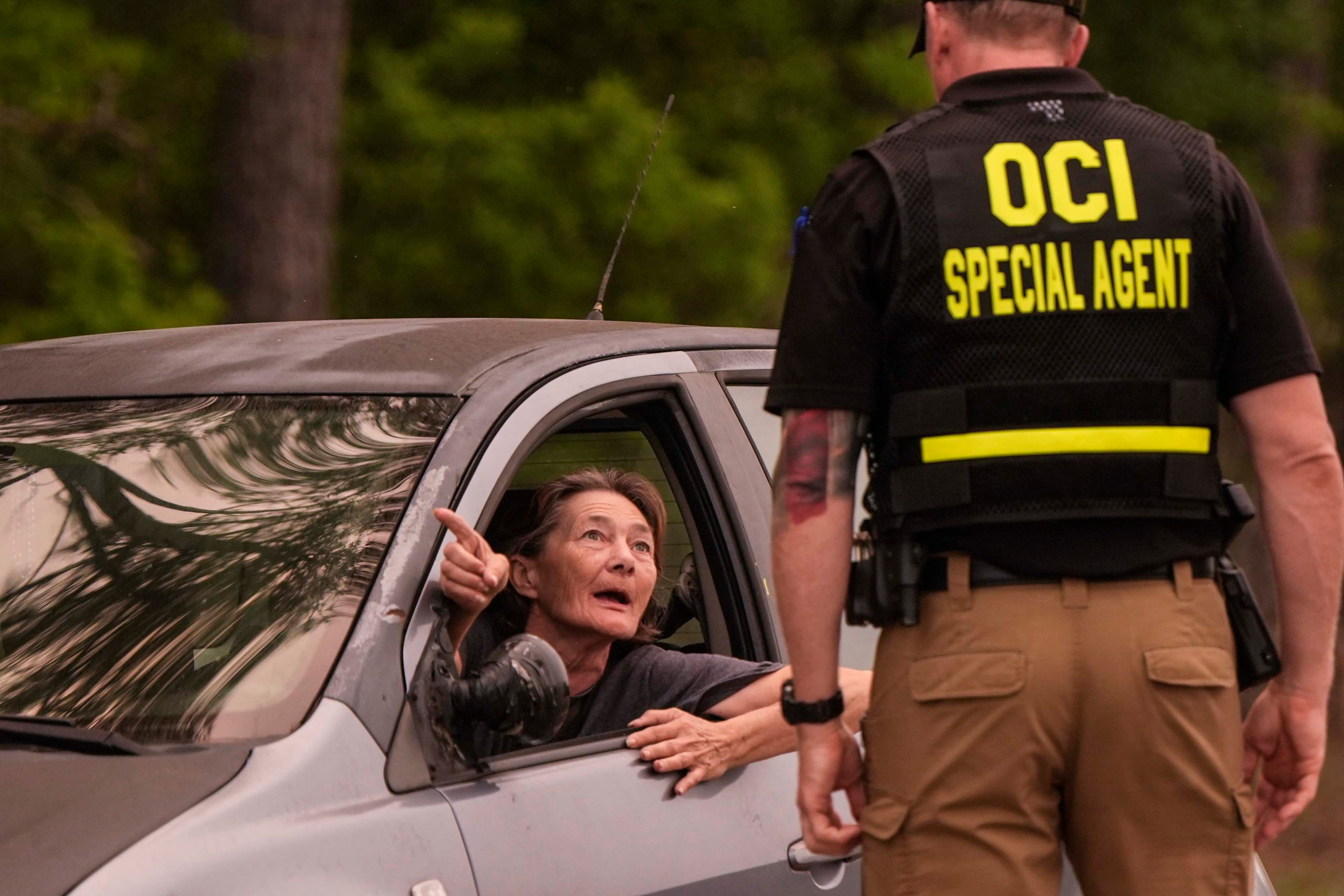
The Pineland Road fire farther west in less-populated Clinch and Echols counties has spread across more than 31,000 acres, including woodlands, swamps and bays. Only about 10% of that fire east of Valdosta was contained by Friday morning. About 140 residents in Echols have been forced to evacuate and 35 homes have been lost, according to Kemp, with nearly 160 structures threatened.
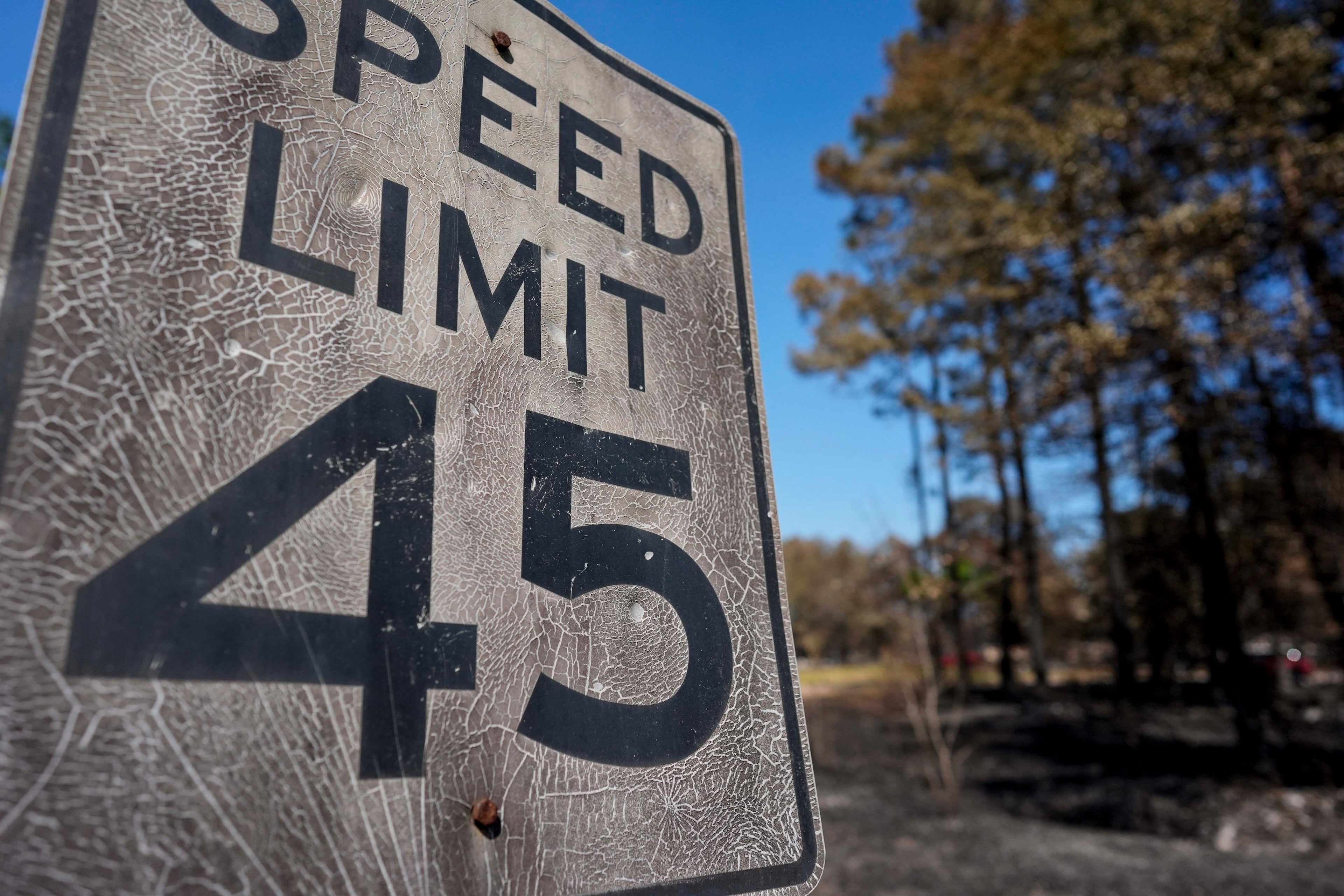
Kemp issued a state of emergency executive order earlier this week for 91 counties below metro Atlanta. The order allows for the National Guard to be deployed to help local firefighters.
No fire fatalities had been reported in Georgia as of Friday afternoon. In Florida, which also has been hit with wildfires, the sheriff’s office in Nassau County said volunteer firefighter James “Kevin” Crews died Thursday after suffering an unspecified medical emergency while suppressing a brush fire, The Associated Press reported.
Most of Georgia is under an extreme drought, with parts of South Georgia under an exceptional drought. Such conditions led the Georgia Forestry Commission to sign a burn ban for the same counties as Kemp’s emergency order.
Georgia Emergency Management and Homeland Security Director Josh Lamb urged Georgians to comply with burn bans.
“Does that apply to you? Yes. Don’t burn things — nothing,” Lamb said. “Don’t burn anything at all.”
Until there is a change in the weather, Kemp said, “we’re just gonna stay after these fires and do everything we can to keep them contained. And also protect homes and obviously lives.”
Officials worry about pop-up thunderstorms that might drop smatterings of precipitation but also could unleash bolts of lightning, which could spark more fires.
Johnny Sabo, director of the Georgia Forestry Commission, said some resources have shifted from the Pineland Road fire in Echols and Clinch counties to the Brantley blaze in the area around U.S. 82.
“We are extremely concerned through the weekend,” Sabo said.
Sabo stressed that a 20% chance of showers or downpours won’t help extinguish much, especially if the rains are accompanied by gusting winds.
“Even if we receive an inch of rain,” he added, “these fires aren’t even close to out.”
He said the dry swamps and parched soil or peat in them “will burn for months and months and months” and that it is “going to take inches, I mean 8 to 10 inches, before we can walk away from these fires.”
He said forecasts call for less-than-average rainfall until July. “We have a very long way to go.”
Officials believe the fire in Clinch and Echols counties, which began Saturday, was lit by “someone who was doing some welding,” Kemp said earlier this week. They believe the blaze in Brantley County, which began Monday, may have been ignited by a party balloon that struck a power line and sparked an arcing fire.
Nearly 300 firefighters are trying to contain the Brantley County fire, according to the Georgia Forestry Commission. Officials with the Federal Emergency Management Agency arrived Thursday evening.
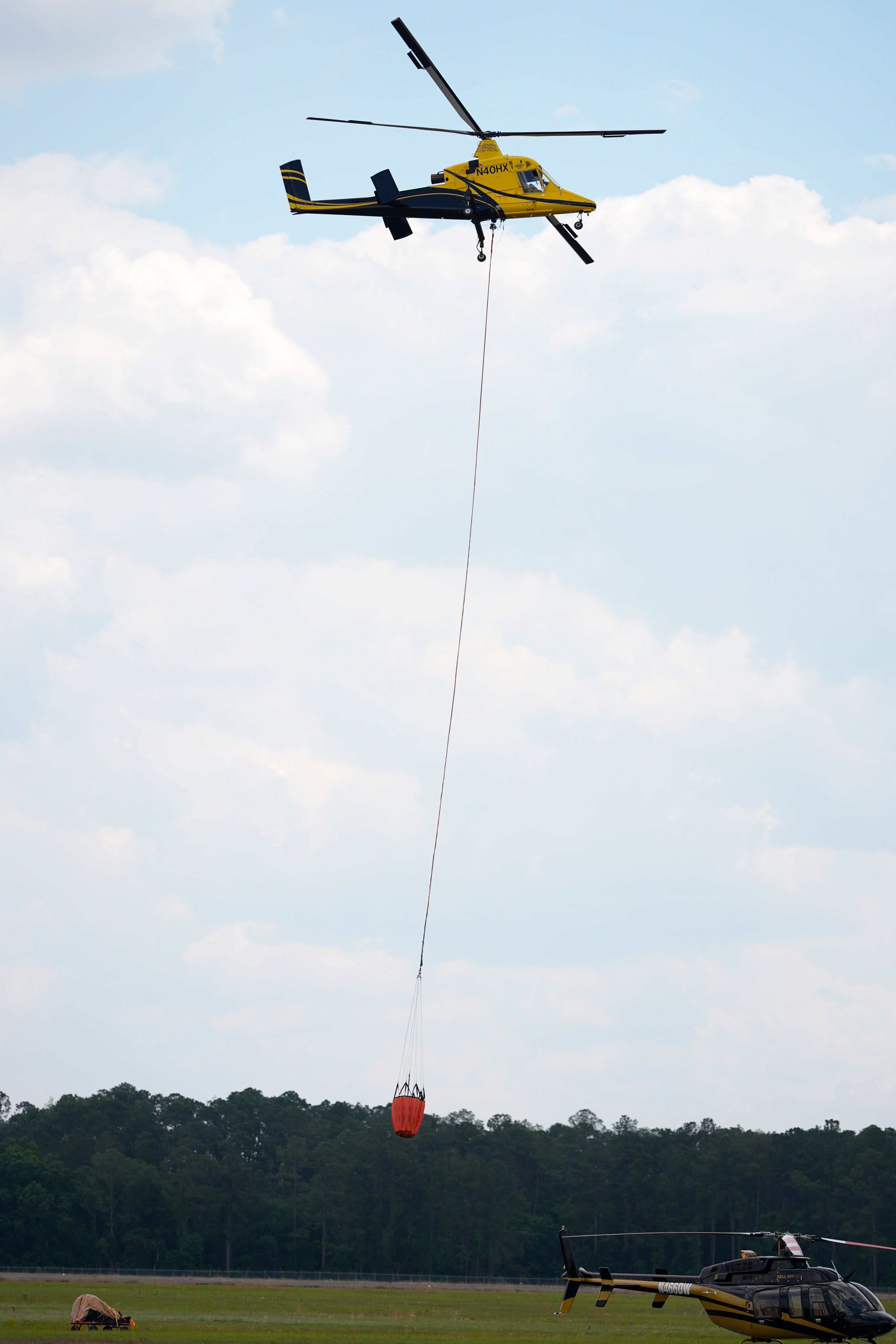
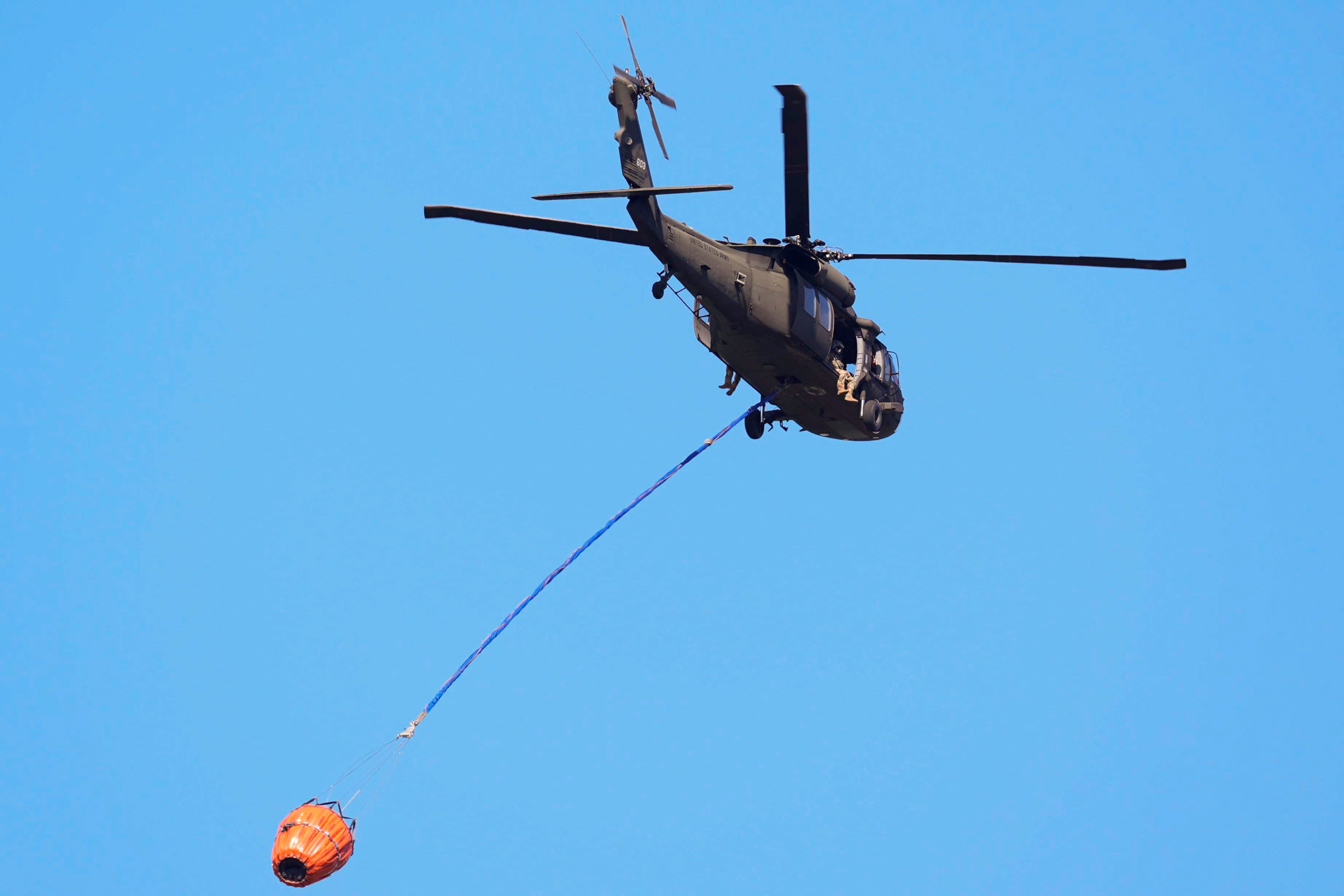
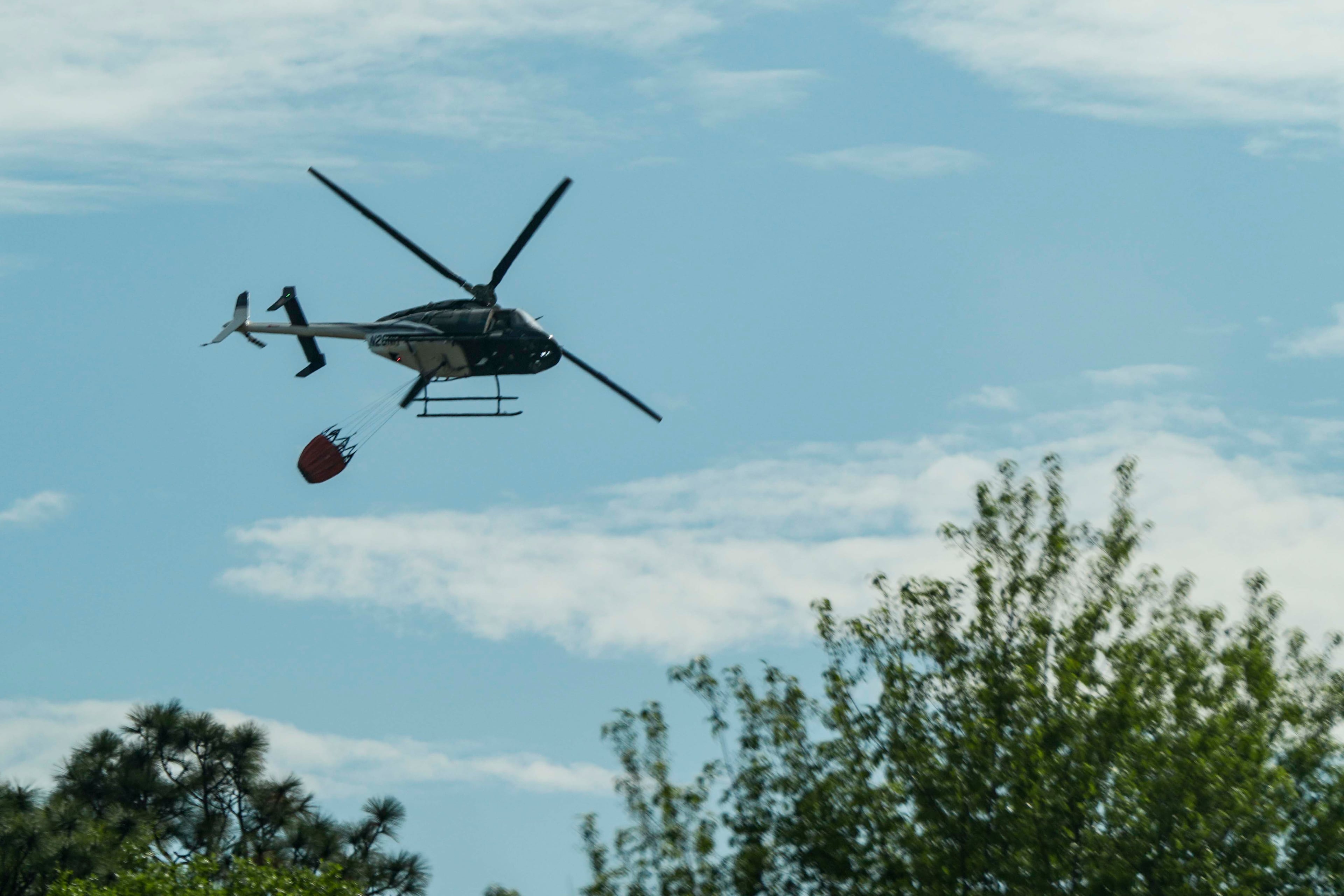
More than 130 firefighters are active in Clinch and Echols counties from different parts of South Georgia. A spokesperson with the Georgia Department of Natural Resources said the National Guard is helping at that larger blaze with “aerial suppression operations,” which can involve dropping water from helicopters or other aircraft to slow the spread.
Alan Levesque, director of emergency management in Echols County, which borders Lowndes County and the Florida state line west of the Okefenokee, said winds had subsided some on Friday. He said humidity levels had ticked up overnight Thursday, which “kept things to a smolder. We didn’t have any large flames.”
He said the fire was roughly in the same location it had been for the past couple of days, in an area five or so miles south of the Fruitland community near an ordinarily swampy region known as Whitehead Bay, about 25 miles east of I-75.
“We haven’t had any more evacuation,” Levesque said. “The air resources that we have and the guys on the ground have done a great job of keeping it really where it is.”
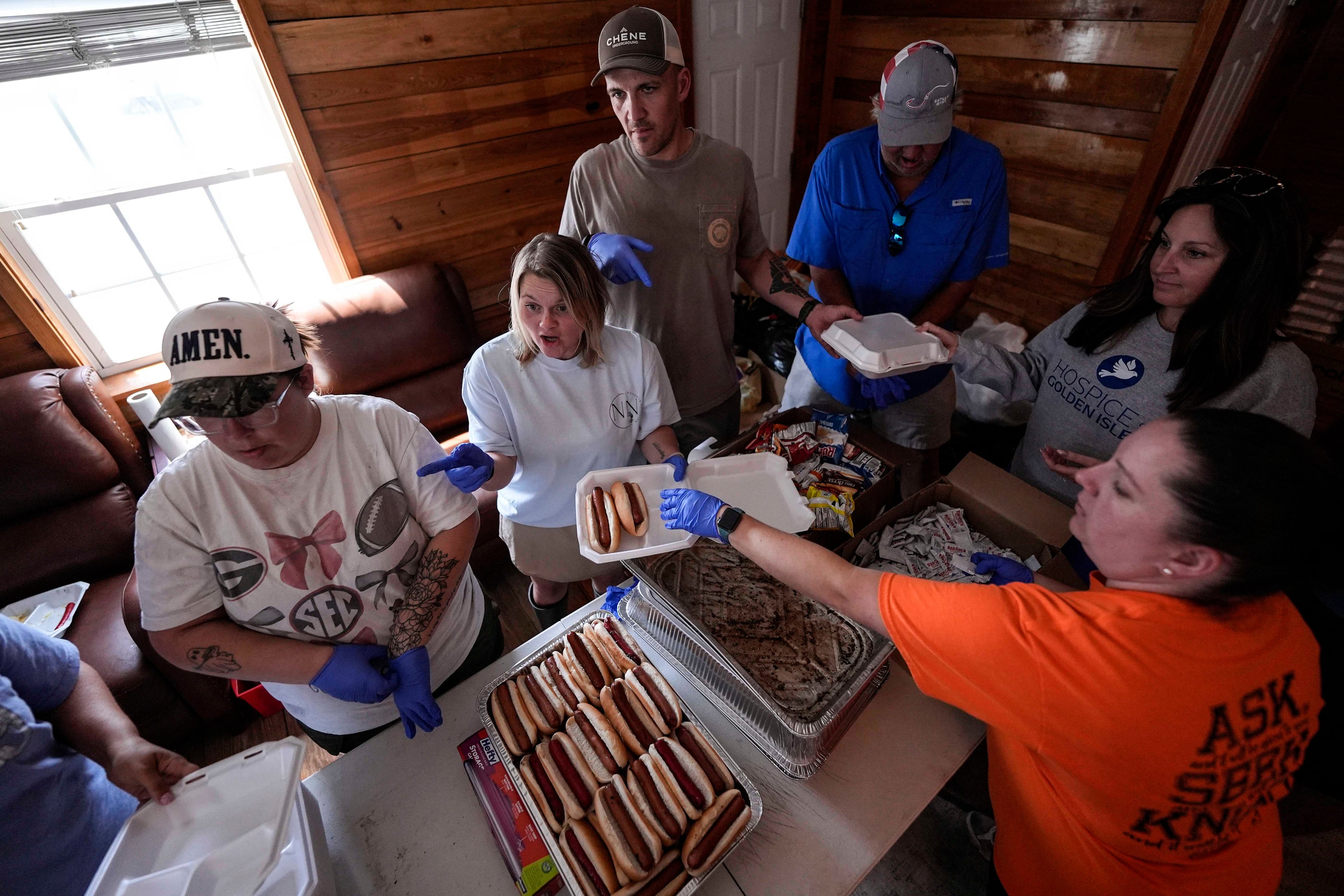
Kemp met some of the firefighters on the front lines of the Brantley County blaze Friday and thanked them.
“One guy, I shook his hand and he didn’t even look up and (he) kept going. He didn’t even know who I was. A minute later, he came back (to me) and said, ‘I’m sorry about that, sir,’” Kemp told reporters.
Added Kemp: “I know they’re tired. But they’re not gonna say that. But you can just see when you look at them … you know they’ve been doing this for days and (with) very little sleep.”
Sabo, of the state’s forestry commission, said that in the last 30 days Georgia has logged more than 800 wildfires that have burned more than 43,000 acres. The state has the most drought-affected acres in nearly 20 years, according to the National Weather Service. Widespread woodland debris from Hurricane Helene in 2024 has provided “increased fuel loading” on forest floors, further feeding the flames, Sabo added.
He said pre-suppression efforts include thousands of fire lines, which are strips or areas cleared of vegetation, that have been carved through forests statewide.
“We’ve put in enough lines … to circumnavigate the globe,” Sabo said. “On top of that, we have put in over 4,000 lines in the Helene (-struck) area before these fires started to give ourselves a place to make a stand before a fire starts.”
Still, “there is no way to predict where a wildfire is going to start,” he added.
— Staff writer Caroline Silva contributed to this report.