Senate backs transit referendum moratorium bill
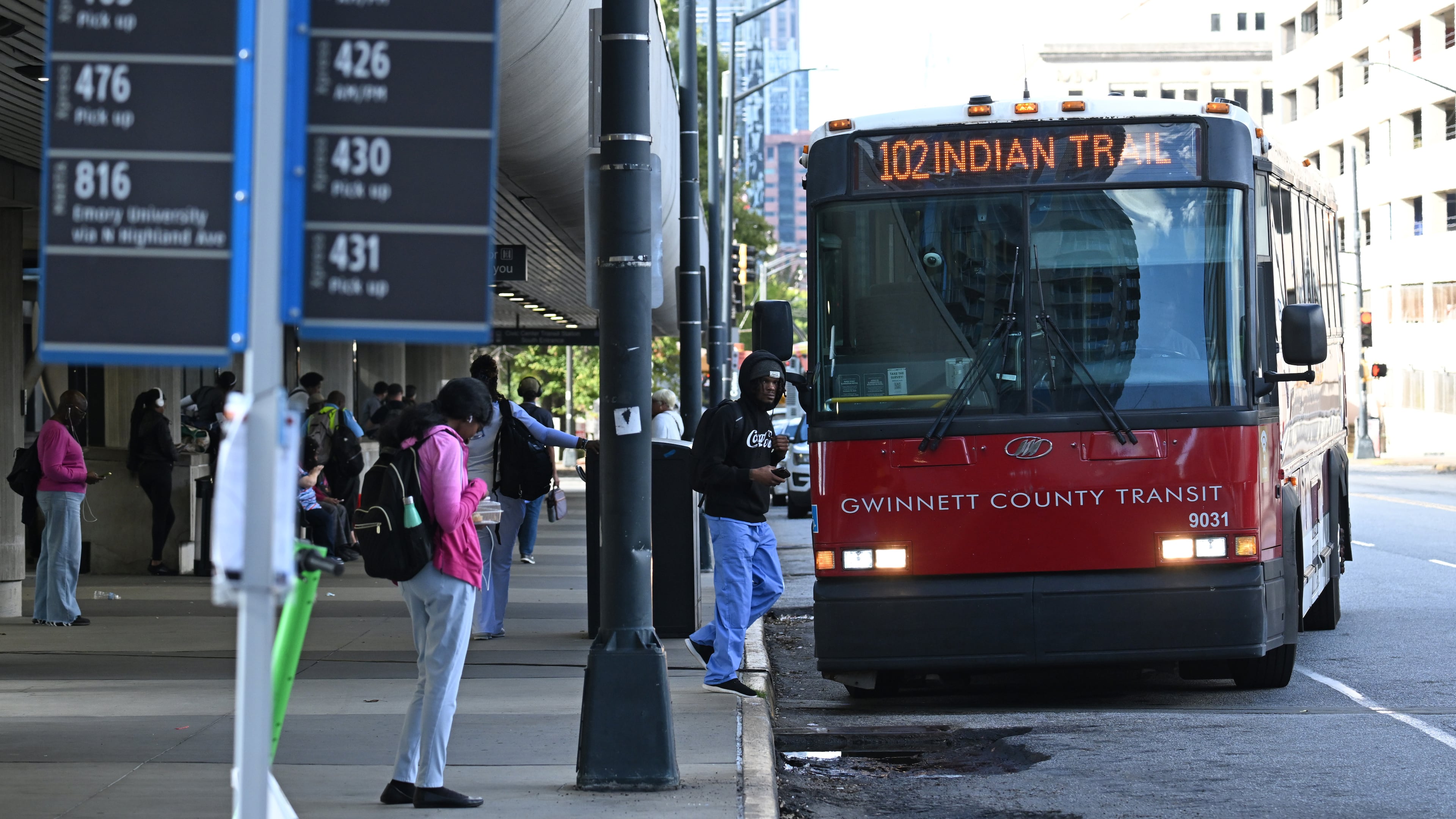
The Georgia Senate has greenlit legislation that would impose an eight-year moratorium after any failed transit referendum in the Atlanta metro.
An earlier effort by House legislators didn’t advance, killing that attempt. But senators took up the issue themselves with a legislative rewrite of what was originally a bill concerning license plates for veterans, and their revision of HB 583 passed in a 34-15 vote late last week.
The bill would block Cobb and Gwinnett counties from pursuing countywide transit referendums until at least 2032, and could limit other counties in the metro if they were to attempt and fail to pass a transit referendum in the future. It would also block counties from using transit referendum funds to provide free or reduced fares, a measure not included in the earlier legislation.
Republican state Rep. John Carson of Marietta sponsored the original House legislation and pushed for the Senate rewrite. He has said voters have “SPLOST fatigue” and are resentful that county officials can put referendums back on the ballot after repeated defeats, like in Gwinnett County.
Gwinnett has placed transit referendums on ballots three times since 2019, each one unsuccessful. State Sen. Shawn Still, R-Norcross, who carried the legislation in the Senate, said that without the bill counties will “keep wasting taxpayer dollars on something that the voters and the residents don’t want.”
Both Gwinnett and Cobb put transit referendums on the ballot in 2024 — measures that would have built rapid bus lines, expanded microtransit, and enhanced local bus service and transit facilities. The ballot questions were easily defeated, with just 48% voting yes in Cobb and 47% voting yes in Gwinnett.
It was Cobb’s first attempt at a countywide transit referendum since 1965.
In addition to Cobb and Gwinnett, the bill would constrain Bartow, Clayton, DeKalb, Fulton and Henry counties — none of which have had recent unsuccessful transit referendum.
The legislation doesn’t apply to county or regional transportation tax referendums, commonly called TSPLOSTs, or the MARTA penny sales tax. It also wouldn’t block Cobb or Gwinnett counties from mounting a campaign to join the MARTA system.
Democrats said the referendum moratorium was shortsighted, given that the metro has some of the worst road congestion in the country. Just because one referendum is unsuccessful doesn’t mean that county officials couldn’t take voter feedback and come back again with a successful proposal, said State Sen. Sonya Halpern, D-Atlanta.
“To limit voters to that decision once every eight years, when we know that this metro area is growing exponentially, seems like we are really handcuffing voters instead of coming back to them and allowing them to have a say so in what the future of transit looks like in this region,” Halpern said.
State Sen. Emanuel Jones, a Democrat who represents parts of DeKalb and Henry counties, said the legislation could mean counties miss out on federal funding opportunities if they don’t have local money to offer as a match. He also worried it would have a chilling effect on counties trying to pass referendums at all.
This is the second transit-related piece of legislation taken up by the Senate in the final days of the session. Last week, a bill to abolish two agencies responsible for regional transit planning cleared a Senate committee. The sponsor of that legislation, HB 297, said the goal was to return planning responsibilities to local governments and put “more power in the hands of citizens.”
Both pieces of legislation have a narrow window left to become law. HB 297 needs to clear both houses and could come up for a Senate vote on Tuesday. The referendum legislation still needs to clear the House but as of Monday morning, it wasn’t on the calendar for consideration.
About the Author

Sara Gregory covers transportation for The Atlanta Journal-Constitution. Previously, she covered local government in DeKalb County. A Charlotte native, she joined the AJC in 2023 after working at newspapers in South Carolina and Virginia.


