End of the road: These vehicles won’t be back in 2026
Tariffs and the expiration of federal electric vehicle tax credits might have dominated automotive news in 2025, but a few other realities take center stage for car shoppers in 2026.
Call it the end of the affordable car era.
With the discontinuation of the Nissan Versa, it’s no longer possible to buy a new car in the U.S. for less than $20,000. Aside from a few other budget models, it’s challenging to find a new car listed for less than $25,000, especially as mandatory destination fees continue to rise.
Consider it a response to consumer demand: New-car shoppers paid more than $50,000 on average in December, a record high, and they’re taking on record loan terms to fund their premium four-wheeled appetites. This didn’t save certain EVs launched just a year ago that couldn’t live up to the … buzz.
It’s not just low-selling models heading off to the automotive graveyard. Automakers retired both long-running and resurrected models, even in the bestselling compact crossover segment: So long, Ford Escape and Dodge Hornet.
It’s not just budget cars getting the ax in 2026. Stellantis, the parent company of Jeep, Dodge and Chrysler, killed off its entire plug-in hybrid line, despite the Wrangler 4xe outselling all other PHEVs a few years ago. Ongoing recalls and political headwinds accelerated the end of its road.

The Kia Telluride is taking a model year off, Toyota simplified the bZ4X to bZ, Jeep killed the Wagoneer but continued the more luxurious Grand Wagoneer and Audi streamlined its lineup by merging the A4 into the new A5 and replacing the A7 with the A6 that has a Sportback-like shape.
Here’s a look at vehicles that won’t be back in any form this year.
Acura TLX
Along with its predecessor, the TL, the TLX midsize sedan had a 30-year run in America before Acura finally and fully leaned into its SUVs. The Integra remains the only sedan left in Acura’s lineup.
Acura ZDX
The electric SUV developed in partnership with GM never made a splash and was retired after just one model year.
BMW X4
Even though the polarizing XM still exists, BMW discontinued the “tweener” X4 SUV. With a rounded, coupelike roof and a turtlelike profile, the X4 didn’t quite fit anymore with the larger X2 and sold only a fraction of its bestselling X3. An electric X4 variant may be on deck to be built.
Cadillac XT4 and XT6
Cadillac killed off its XT4 entry-level SUV and its XT6 three-row SUV on its march toward electrification. That leaves only the XT5 and the many variants of the full-monte Escalade remaining as Cadillac’s combustion SUVs.
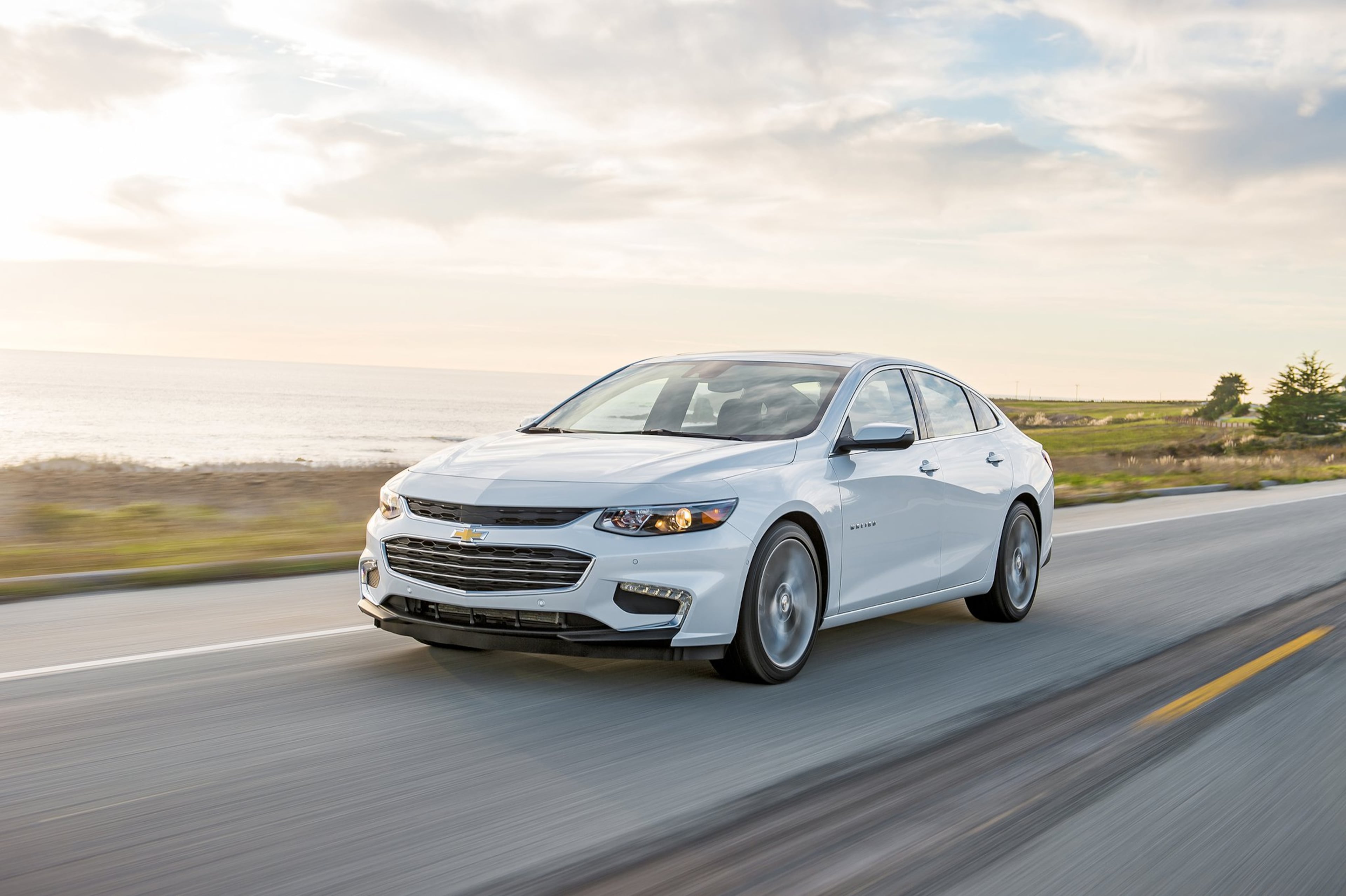
Chevrolet Malibu
The midsize sedan has been a dead man walking for years, and production finally ended with the 2025 model year. The last sedan made by the Big Three hadn’t been redesigned since 2016.
Dodge Hornet
High tariffs on this Italian import might have sealed this short-lived compact SUV’s fate, but since it launched in 2023, it had trouble distinguishing itself from the related Alfa Romeo Tonale.
Ford Escape and Lincoln Corsair
Perhaps the biggest surprise on this list is the discontinuation of the Ford Escape and its premium twin, the Lincoln Corsair, as Ford retools its Louisville Assembly Plant to make a midsize electric truck. The Corsair was the affordable entry point to the Lincoln brand, while the last Escape leaves Ford with only the Bronco Sport in the cutthroat compact SUV class.
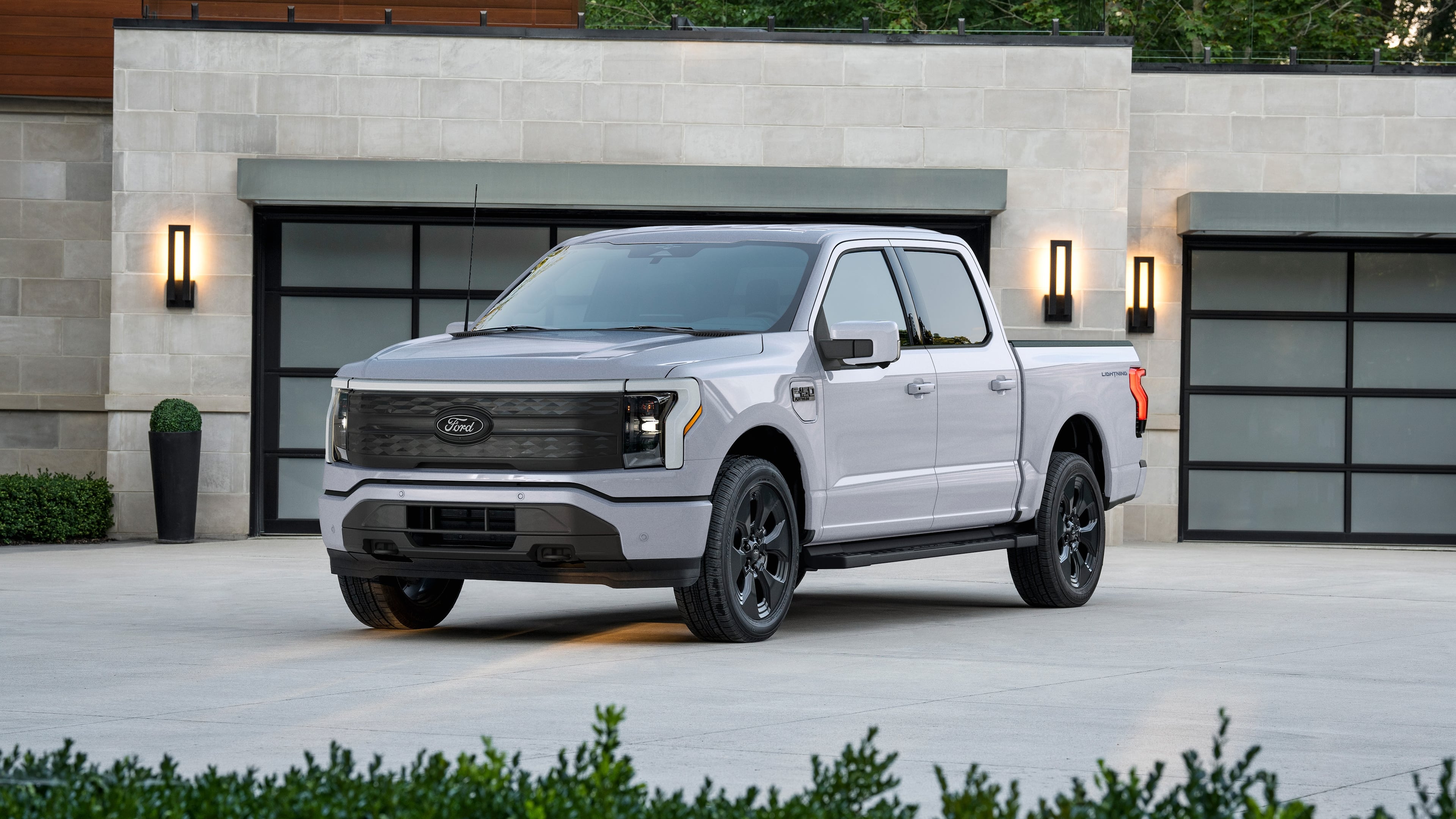
Ford F-150 Lightning
Even as Ford plans for a smaller electric truck, it pulled the plug on the Lightning electric variant of its bestselling F-150. The Lightning made a big splash when it launched in 2021, proving that you could have full-size pickup truck capability with electric power, but even with an innovative backup home generator setup, the market didn’t care.
Infiniti QX50 and QX55
Struggling to correct course, Infiniti shelved the QX50 and related QX55 because of low sales. That leaves only the QX60 three-row SUV and QX80 full-size SUV in the brand’s 2026 lineup until the QX65 arrives later this year.
Kia Soul
The distinctively boxy Kia Soul and its hamster pitchmen mark the end of Kia’s quirky era. Launched in 2010 as an answer no one asked for to the Scion xB and Honda Element, the hatchback was the most affordable model in Kia’s lineup. The K4 sedan costs at least $2,000 more, and we expect the forthcoming K4 hatchback to cost more than that.
Lexus RC, RC F
Pour one out for the end of yet another somewhat affordable sports coupe. The $50,000 coupe had a solid 10-year run, but it succumbs to the market shift away from sports cars along with the V8-powered RC F.
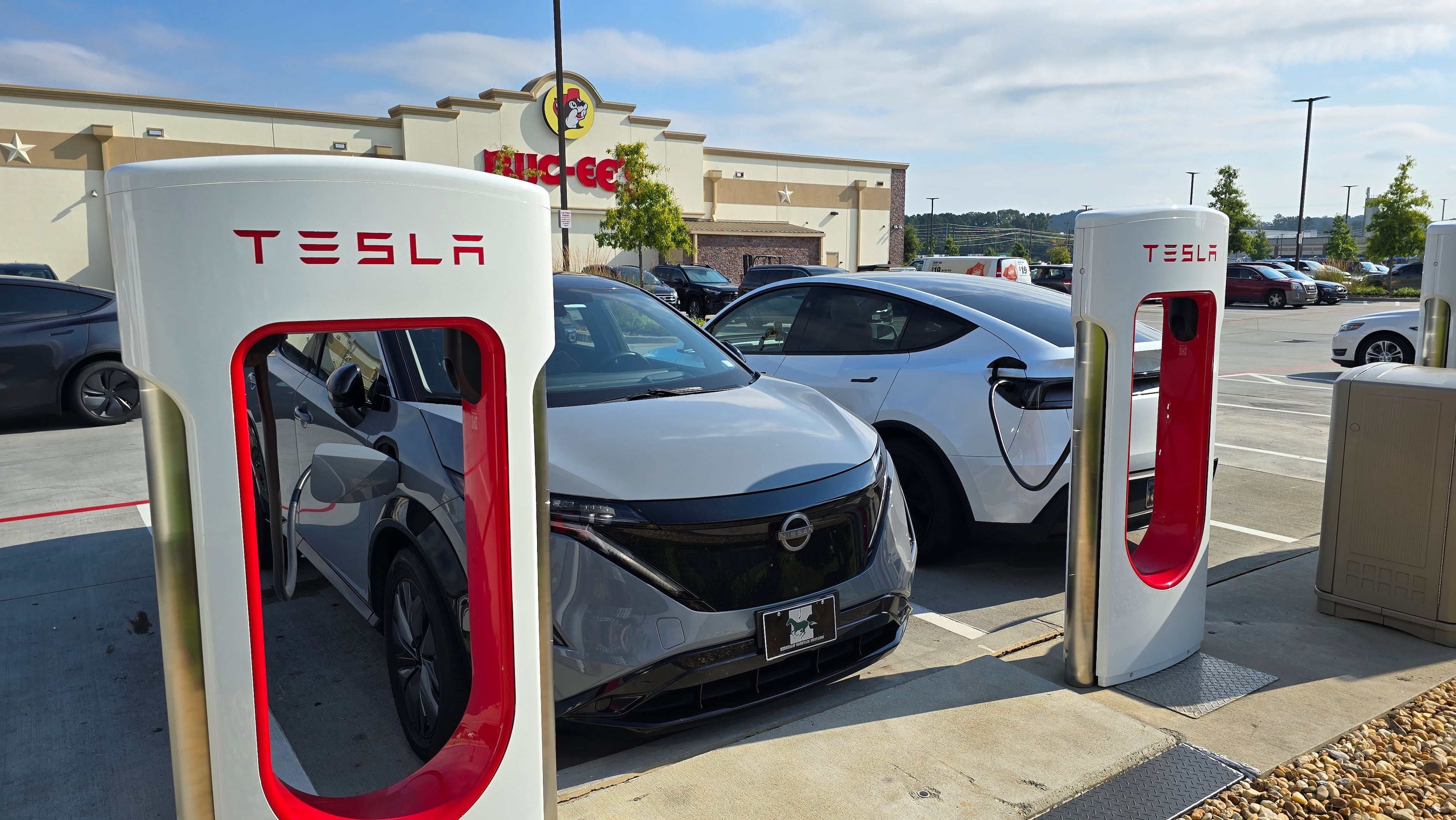
Nissan Ariya
The Ariya electric SUV impressed when it arrived late in 2023, but its refined interior pointed a way forward for Nissan and several elements made it into the redesigned 2026 Nissan Leaf.
Nissan Versa
It’s official: The end of the Nissan Versa subcompact marks the end of an era when you could buy a new car for less than $20,000. The Nissan Kicks small SUV marks the new entry point, and it’s a generational improvement over the Versa.
Volkswagen ID. Buzz
The Bus is skipping 2026. After great buzz but a disappointing range of 234 miles with all-wheel drive and a high price, the ID. Buzz electric minivan couldn’t capitalize on nostalgia alone. Still, VW styled it with enough personality to honor its predecessor.
Volvo V60 wagon and S90 sedan
The end of Volvo wagons in the U.S. happens with the end of the Volvo V60 Cross Country in the spring. Americans prefer SUVs, which also explains the end of the stately S90 sedan.
Robert Duffer is an editor for Kelley Blue Book and Autotrader. He’s covered the automotive industry since 2012, as a syndicated columnist and senior editor.
The Steering Column is a weekly consumer auto column from Cox Automotive. Cox Automotive and The Atlanta Journal-Constitution are owned by parent company, Atlanta-based Cox Enterprises.