Landlord agrees to $24 million settlement over deceptive rental fees
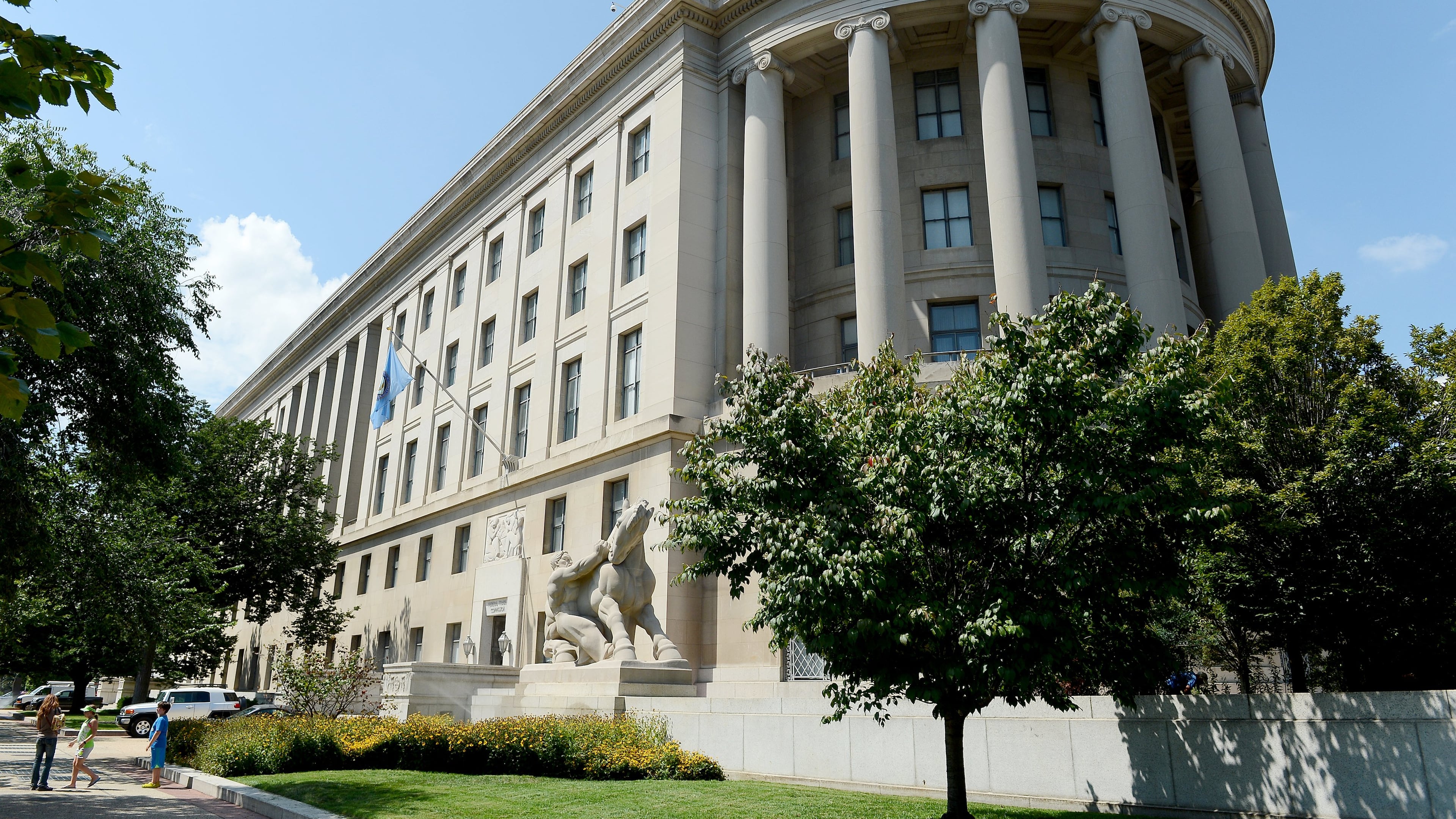
The Federal Trade Commission said Tuesday it has reached an agreement with the giant national property manager Greystar to settle allegations that it advertised rents at deceptively low prices.
The $24 million settlement, which requires approval from a judge, will require Greystar to end “deceptive advertising practices” that officials said came with hidden charges.
Sometimes, consumers only became aware of the charges toward the end of the sale process as they were getting ready to sign their leases, the FTC said in a January complaint filed in federal court in Denver.
According to the lawsuit, filed at the tail end of the Biden administration, Greystar added hundreds of dollars in charges each month for pest control, administrative costs for utility bills, trash, verification and charges for media and smart home packages.
Greystar manages more than 800,000 residential rental units in the U.S. and has rentals in metro Atlanta and Georgia, including complexes in Midtown, Decatur, Brookhaven, Smyrna, Buckhead and Alpharetta.
“At a time when Americans are struggling to find affordable housing, the FTC is focused on monitoring the housing marketplace to ensure that competitors are meaningfully competing on price and that consumers receive transparent pricing,” said Christopher Mufarrige, director of the FTC’s Bureau of Consumer Protection.
Colorado Attorney General Phil Weiser joined the FTC’s lawsuit. While Greystar agreed to a $23 million settlement with the FTC, it reached an agreement to settle with the state for $1 million.
“Addressing deceptive and hidden fees that trick consumers out of their hard-earned dollars is a top priority for our department,” Weiser said. “Other landlords are on notice that cheating tenants won’t be tolerated in Colorado.”
Under the agreement, Greystar must change how it advertises fees, including both the base rent and the mandatory fees.
In a statement, Greystar said the settlement agreement “provides much-needed clarity on the FTC’s expectations for advertising rental housing.”
“In the agreement, the FTC makes clear its position that federal law requires displaying the total monthly leasing price, including base rent and all mandatory fees, when advertising housing for rent,” the property manager said.
According to FTC officials, some applicants only found out about the extra charges when they had paid an application fee or deposit, with the fine print buried deep in their contracts.
Consumers had to forgo deposits or application charges, or pay lease termination fees, according to the complaint.
Last week, the U.S. Department of Justice reached a settlement agreement in the civil antitrust case against tech company RealPage, which was accused of colluding with corporate landlords, including Greystar, to fix rental prices in the multifamily rental industry.
The settlement agreement, awaiting approval by the judge in North Carolina federal court, would bar RealPage from using sensitive data that landlords shared about rents and occupancy rates to set rental prices using its algorithm.
RealPage agreed to limit the training of its algorithm to nonpublic data that is at least 12 months old, according to the DOJ. The Richardson, Texas-based company will not pay a financial penalty or admit wrongdoing.
In October, Greystar agreed to pay $50 million to renters in a preliminary class action settlement in Nashville, Tennessee, against landlords and RealPage. The plaintiffs said they had reached 26 settlements totaling $141 million.
In November, the landlord reached a $7 million settlement with nine states that had sued it and RealPage in a consolidated antitrust action in the North Carolina federal court.
About the Author

Matt Reynolds is a housing reporter for The Atlanta Journal-Constitution's local government team.


