
CARE packages have fed the hungry abroad. Now some go to Atlanta’s needy.
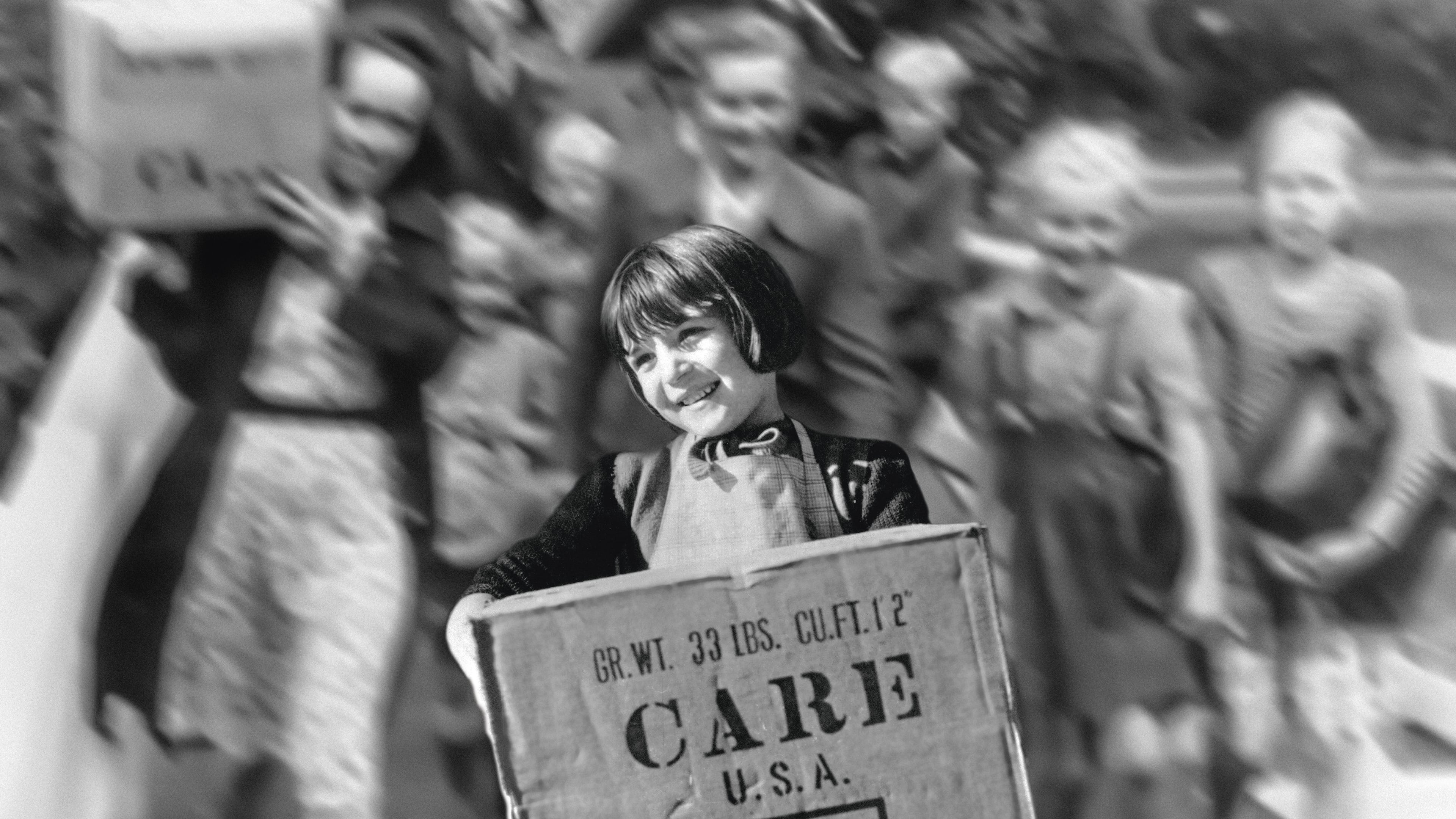
For most of its history, Atlanta-based CARE has been dedicated to humanitarian aid outside our borders, sending its signature CARE packages and help to people in poverty and crisis in countries around the world.
It started with CARE packages of food sent to people who were starving in war-torn Europe in 1946, and expanded to fight global poverty and assist in crisis relief.
But circumstances have changed.
CARE, which this week marks 80 years since the first CARE package was delivered, has pivoted over the last several years to add a focus on domestic aid — including in its hometown of Atlanta.

The domestic focus started with CARE packages of food delivered to people in need during the COVID-19 pandemic in cities around the U.S. It expanded to disaster response.
Then last year, the nonprofit had to slash its workforce globally after sharp cuts in U.S. foreign aid by the Trump administration.
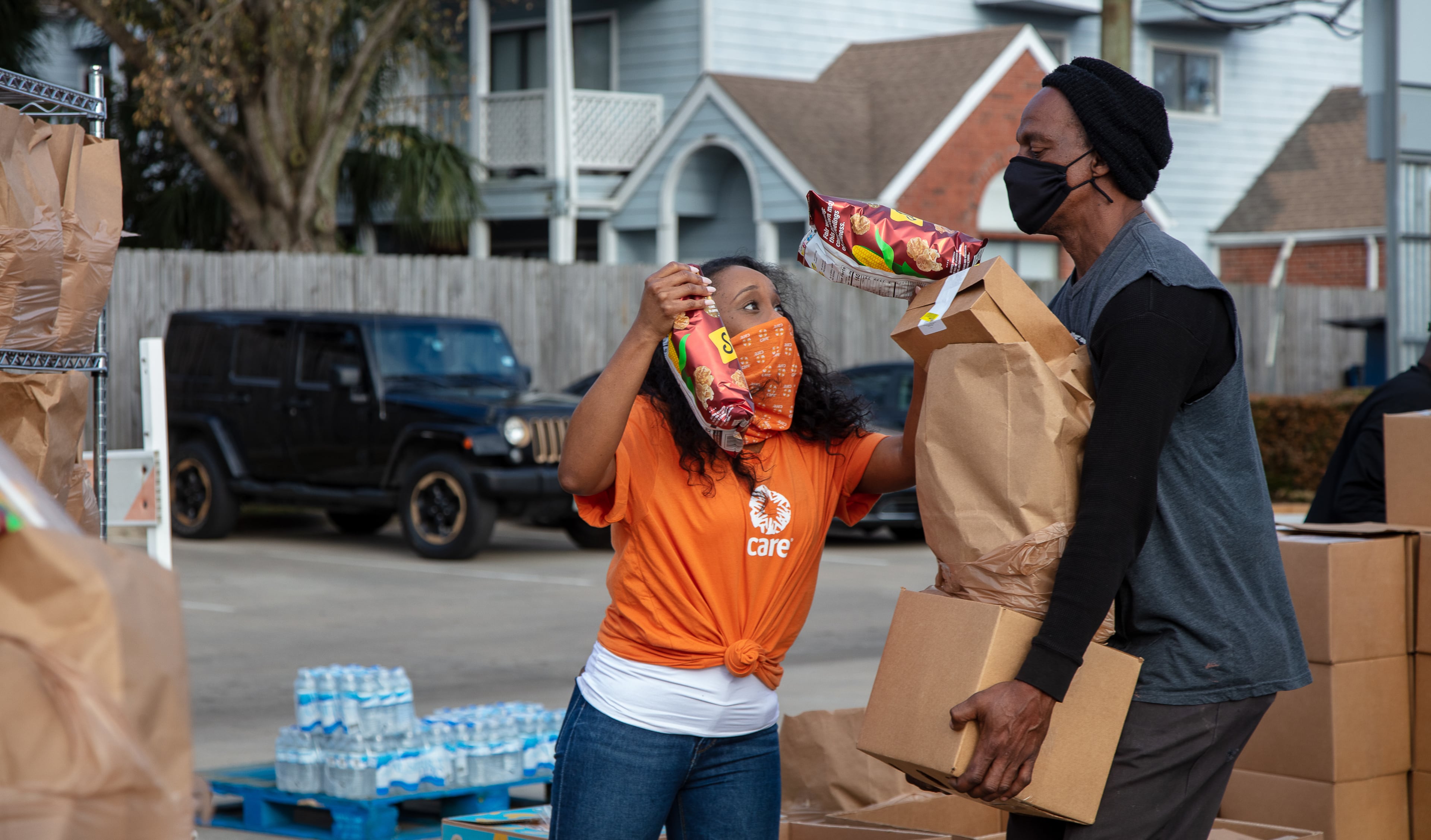
And there is plenty of need right here at home.
So now, CARE has a pilot program dedicated to helping expectant mothers in Atlanta, as well as in Albany.
CARE is known for its work globally, but the organization decided, “Let’s focus on the women in our own backyard,” said Gabrielle Dirden, director of implementation U.S. programs for CARE.
At a rooftop gathering in West Midtown this week, dozens of women gathered for an event to hear about CARE’s focus on maternal health and prepare 200 CARE packages for mothers that are part of the nonprofit’s pilot program in Georgia.
Into bags emblazoned with the CARE logo went baby wipes, socks, a manual breast pump, a teething toy and other items. Some of the items were contributed by Isan Elba, the daughter of actor Idris Elba who partnered with CARE for the event, and her nonprofit Beauty Forward.
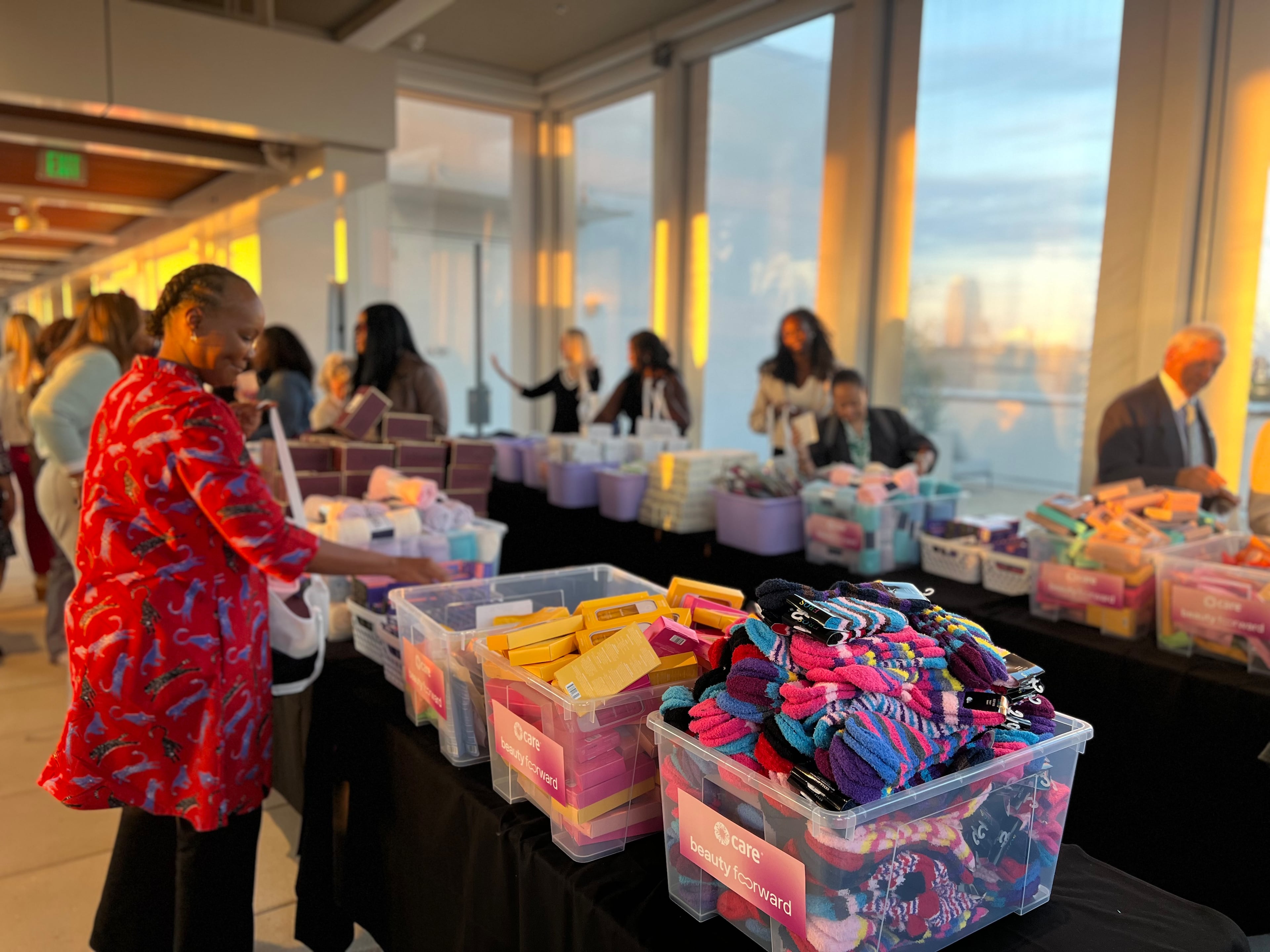
“It was energizing” to put together the CARE packages, said Tameka Mitchell, a board member of Postpartum Support International’s Georgia chapter who participated in the event at Retreat by The Gathering Spot. As a mother of two, she said she knows “these small things make a huge difference.”
The mothers in the program also get pre- and post-natal support from the Morehouse School of Medicine’s Center for Maternal Health Equity, ride credits for transportation to appointments from Lyft, food from the Atlanta Community Food Bank, well-being support funded by the UPS Foundation and cash assistance.
“One of the things that all of us have in common is that we all have a mother,” said Valerie Montgomery Rice, president of the Morehouse School of Medicine and a CARE board member. “When we protect mothers, we protect our future.” In Georgia, she added, “We have too high of an incidence of maternal mortality and morbidity.”
A report from the Georgia Department of Public Health showed there were 141 pregnancy-related deaths in the state from 2020 to 2022, and 87% had at least some chance of being prevented.
Georgia is one of the 10 states with the highest rates of pregnancy-related deaths in the country, according to the Commonwealth Fund, citing CDC data. Most of the other 10 states are also in the Deep South.
CARE started its two-year maternal health pilot program for Georgia in January 2025 through a partnership with the AbbVie Foundation, a health equity nonprofit.
Last year’s federal funding cuts created a lot of challenges, “but I also think that there is a story of resilience,” said CARE President and CEO Michelle Nunn. She said organizations are “reimagining the future with lighter footprints” and more collaboration.
For the maternal health program, Dirden said, “the hope is that we expand across the Southeast United States and make more of an impact.”
Beyond Georgia, Mississippi has one of the highest rates of pregnancy-related deaths, for example. “The alarming rates of maternal mortality should truly make us all uncomfortable,” Dirden said.
Natalie Hernandez-Green, executive director of the Center for Maternal Health Equity at the Morehouse School of Medicine, said the problem is rooted in structural inequities.
Black women are three times more likely to die from a pregnancy-related cause than white women, according to the Centers for Disease Control and Prevention in 2024.
“We need holistic care around the mental and the physical health of Black women,” Hernandez-Green said.
Access to care is also a barrier. A 2024 report by the March of Dimes found more than 40% of Georgia’s counties were “maternity care deserts,” without maternity care providers or birthing facilities.
With its work on disaster response and maternal health, CARE now aims to deliver CARE packages to 1 million people in the U.S. by 2030, focusing on supplies for mothers and young children.
“For the first 75 years, CARE supported people all around the world,” said Jack Hardin, a partner at law firm Smith, Gambrell & Russell, who with his wife Caroline founded a CARE donor group. “But what we’re recognizing is that we have people who are seriously prevented from having access to the benefits of our society.”
The evolution of CARE packages
1946 — The original CARE packages, Europe: Instant coffee, canned meat, pitted prunes, chocolate and other items.
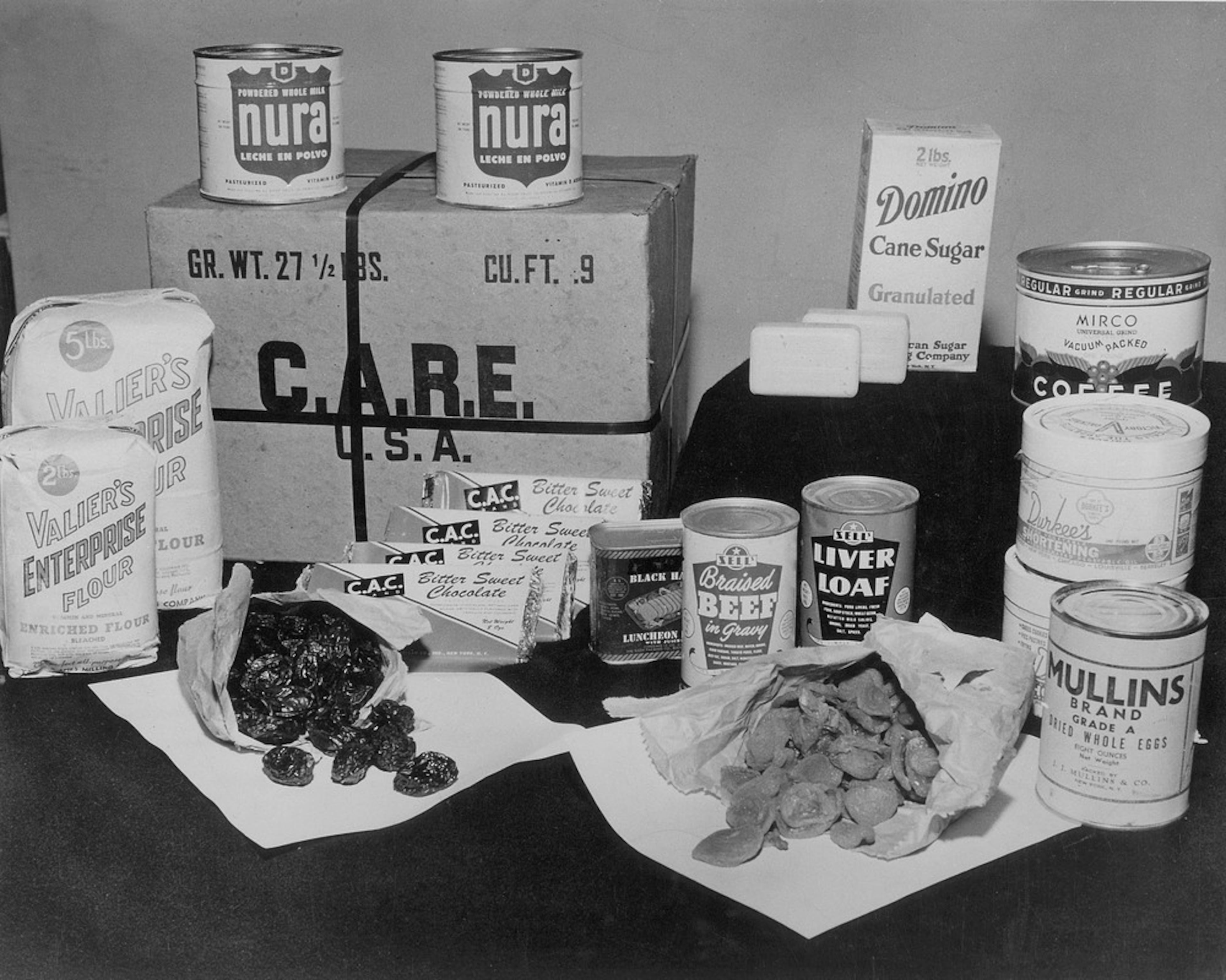
In later years, CARE packages expanded to other regions in need.

2020 — COVID-19 pandemic, U.S.: Apples, peanut butter, cereal, a microwaveable meal, nonperishable items, bread, desserts and different types of meat, such as chicken, pork and beef.

2026 — Maternal health pilot program, Atlanta and Albany, Georgia: Baby shampoo and body wash, baby wipes, hand soap, socks, hand sanitizer, manual breast pump, teething toy, blanket, bags for breast milk, lip balm, fragrance, lotion.
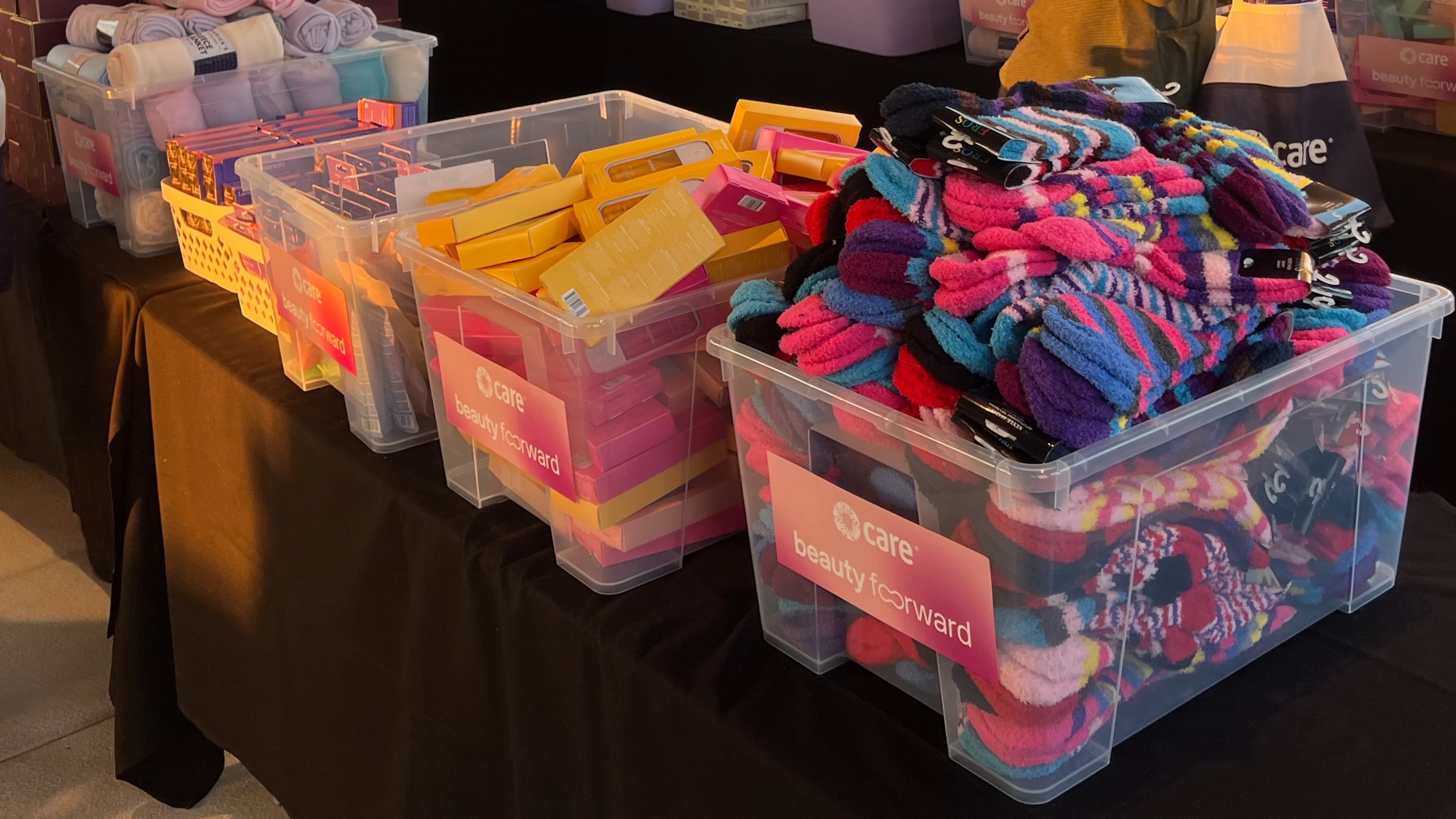
Source: CARE, AJC research
AJC Her+Story is a series in The Atlanta Journal-Constitution highlighting women founders, creators, executives and professionals. It is about building a community. Know someone the AJC should feature in AJC Her+Story? Email us at herstory@ajc.com with your suggestions. Check out more of our AJC Her+Story coverage at ajc.com/herstory.