Vouchers hurt Georgia’s public schools and put students who get them at risk
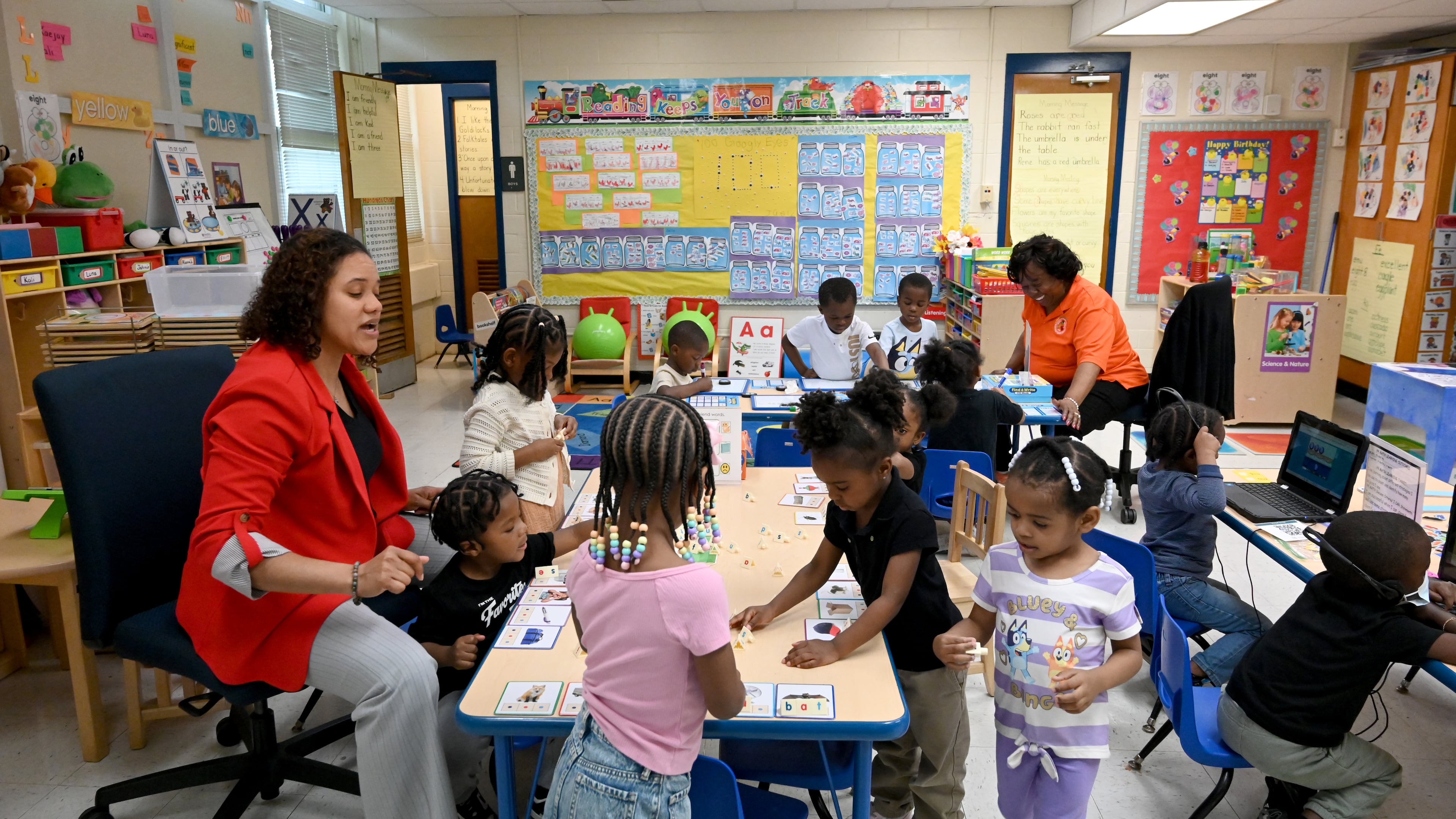
Every child in Georgia deserves access to a quality public education, regardless of their ZIP code, family income or background. As a classroom teacher for nearly three decades and president of the Georgia Association of Educators, I see what educators accomplish every day, often with limited resources.
That is why Georgia’s decision to join the new federal voucher program, in addition to its own, should concern every parent, educator and taxpayer who values strong public schools.
In January, Gov. Brian Kemp opted Georgia into a federal tax-credit scholarship program created by the ominous H.R. 1, some refer to as the “One Big Beautiful” bill. Beginning in 2027, taxpayers can receive dollar-for-dollar federal tax credits of up to $1,700 for donations to scholarship organizations that pay for private school tuition, tutoring and other expenses. The credit has no limit on total donations or end date.
Georgia already has voucher programs of its own. In 2024, lawmakers passed legislation creating the Georgia Promise Scholarship, which gives eligible students $6,500 a year from the state budget for private school tuition, home schooling and other costs. The Promise Scholarship’s first year did not go as planned. About 7,700 students took part, fewer than half of what the state budgeted for, and about 70% planned to use the money at private schools. Lawmakers still budgeted $100 million for fiscal year 2027.

Supporters describe these programs as expanding educational choice. The question that matters is whether they help all Georgia students or mainly benefit a few. The National Education Association has raised serious concerns about vouchers, and Georgia should take them seriously.
First, vouchers create financial risks for already struggling public schools. Both programs steer public money toward private options. Yet when students leave, schools must still maintain buildings, operate buses, provide meals and employ qualified educators. Rural communities, where public schools are often major employers, could be hit hardest.
Second, public dollars should come with public accountability. Georgia’s public schools must meet academic standards, administer assessments and follow financial reporting requirements. Private schools that take Promise Scholarship students must test them, but not necessarily with the Georgia Milestones exams public school students take, and the law limits public reporting of those scores. Senate Bill 493, which would have set academic standards for participating private schools, died in committee.
Third, vouchers do not guarantee meaningful choice. A scholarship may not cover the full cost of tuition, transportation, uniforms or fees, leaving families to pay the difference. Private schools may also maintain admissions requirements. And because the federal income limit includes most Georgia families, the help will not necessarily reach the students who need it most.
Fourth, vouchers raise serious questions about equity. Public schools educate students with disabilities, English language learners and children facing economic hardship, and they must provide services and legal protections that private schools may not. A student with a disability who leaves public school with a voucher can lose the individual rights federal special education law guarantees.
Fifth, the research is not on vouchers’ side. Rigorous studies in Louisiana, Indiana and Ohio found that students who used vouchers to attend private schools scored lower on tests than similar students who stayed in public school. A federal evaluation in Washington, D.C., found no gains after three years. In Louisiana and Indiana, math losses persisted four years in.
Finally, Georgia has to opt in to the federal program every year. Our next governor and the new General Assembly will decide whether the state stays in after 2027. Before they do, they should ask what vouchers have done for students, not just what they cost. The record shows students falling behind. Georgia should stop paying for that and invest in competitive educator compensation, smaller classes, student support services and equitable funding for every school.
Parents understandably want the best for their children. But expanding options for some families should not come at the expense of excellent public schools for everyone. Georgia’s students are counting on us to get this right.
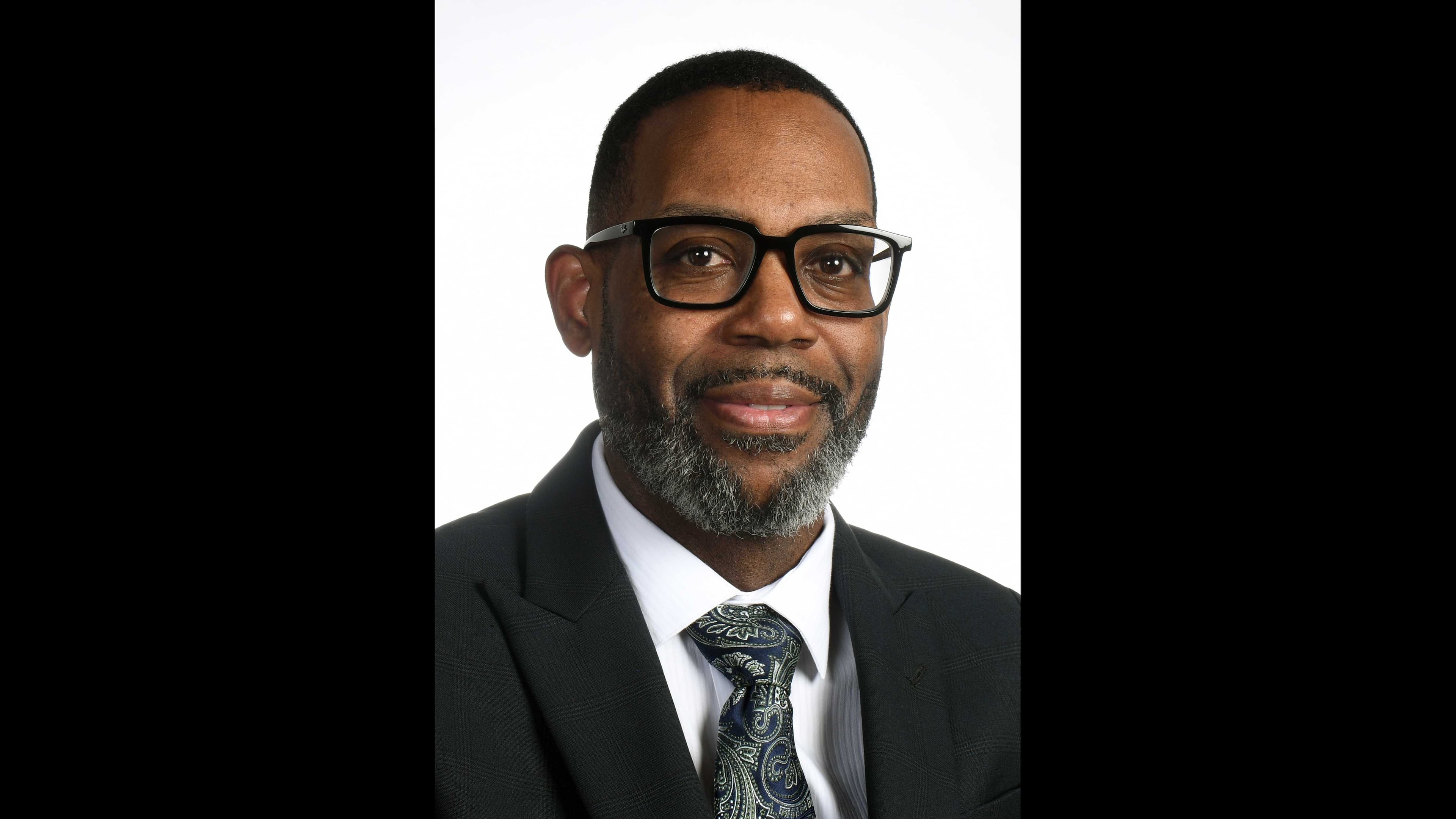
Wayne Huston is president of the Georgia Association of Educators and a veteran social studies teacher in Douglas County.
If you have any thoughts about this item, please go to our AJC Get Schooled Facebook page. If you’re interested in writing an op-ed for the AJC’s education page, drop us a note at education@ajc.com.