Georgia schools should use AI to help students become stronger thinkers

About 7 in 10 Georgia fourth and eighth graders are not proficient readers, according to the most recent Nation’s Report Card, and math results are just as concerning. Artificial intelligence raises the stakes because it can read, write and solve math problems for students who are still learning foundational content.
A state audit released in June found most Georgia educators use AI to prepare for class and most in middle and high schools say their students’ use of AI is hurting learning. Students nationally share the same worry. Keeping AI out of schools is no answer, though. Employers say more than a third of entry-level jobs for new college graduates now require AI skills, and they still prize problem-solving, collaboration and communication.
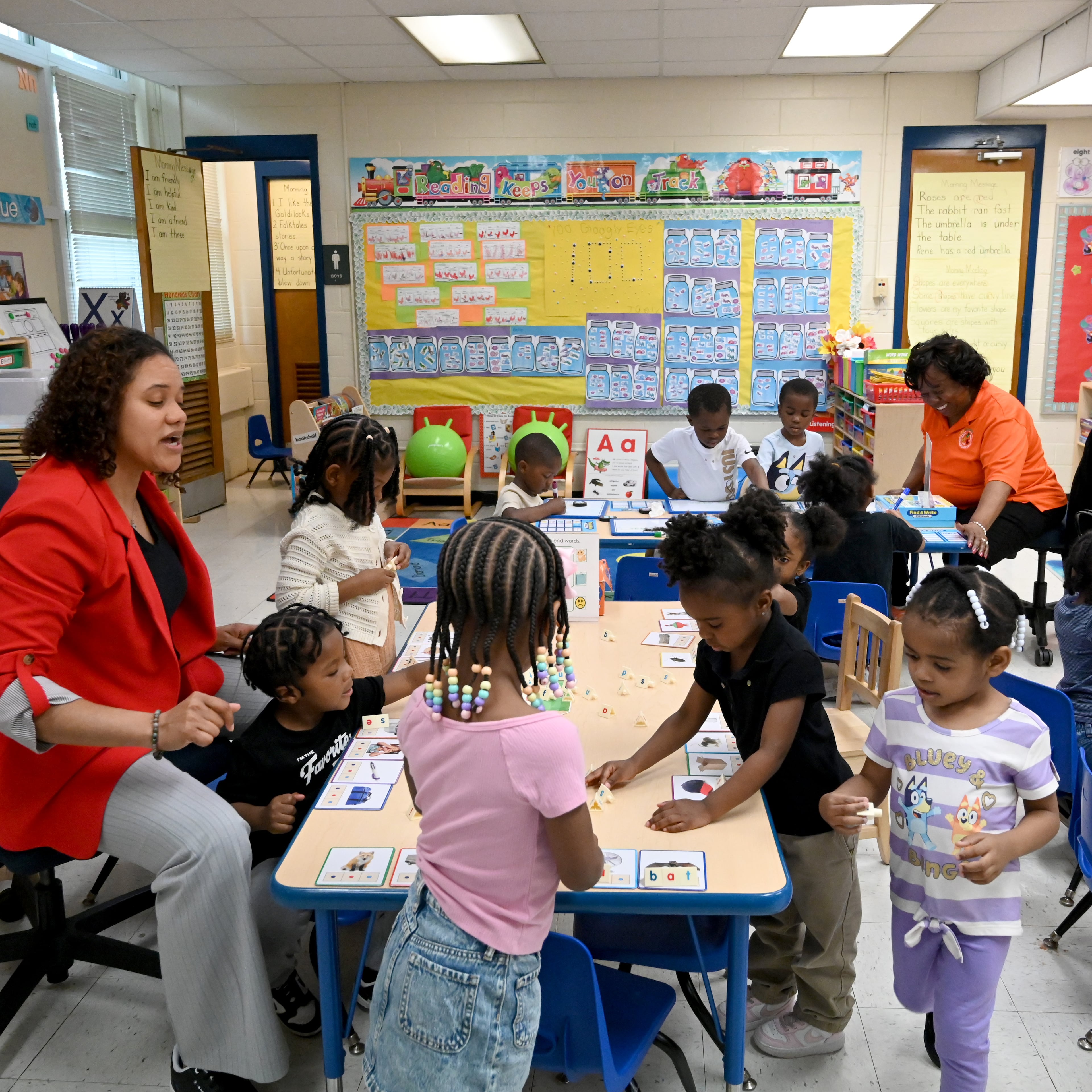
Educators face the challenge of teaching students to use AI while protecting the knowledge and skills young people need. Getting the balance right starts with how learning works. Students remember what they think hard about. Working through a dense text or a tough math problem is the kind of productive struggle AI can either strengthen or skip entirely. Educators are best positioned to design and guide this type of learning, but they need support to do it well.

We have seen a shift like this before. When the internet reached classrooms in the 1990s and 2000s, many educators received professional learning, but we often stopped short of providing sustained support. That era taught us educators need strong preparation at the start and steady guidance over time. So far, we have not put that lesson into practice concerning AI. In Georgia, access to AI training varies widely, even within the same district, and educators in high-poverty districts are less likely to have received any training or guidance. A national survey earlier this year found fewer than one in 10 teachers get ongoing AI professional learning.
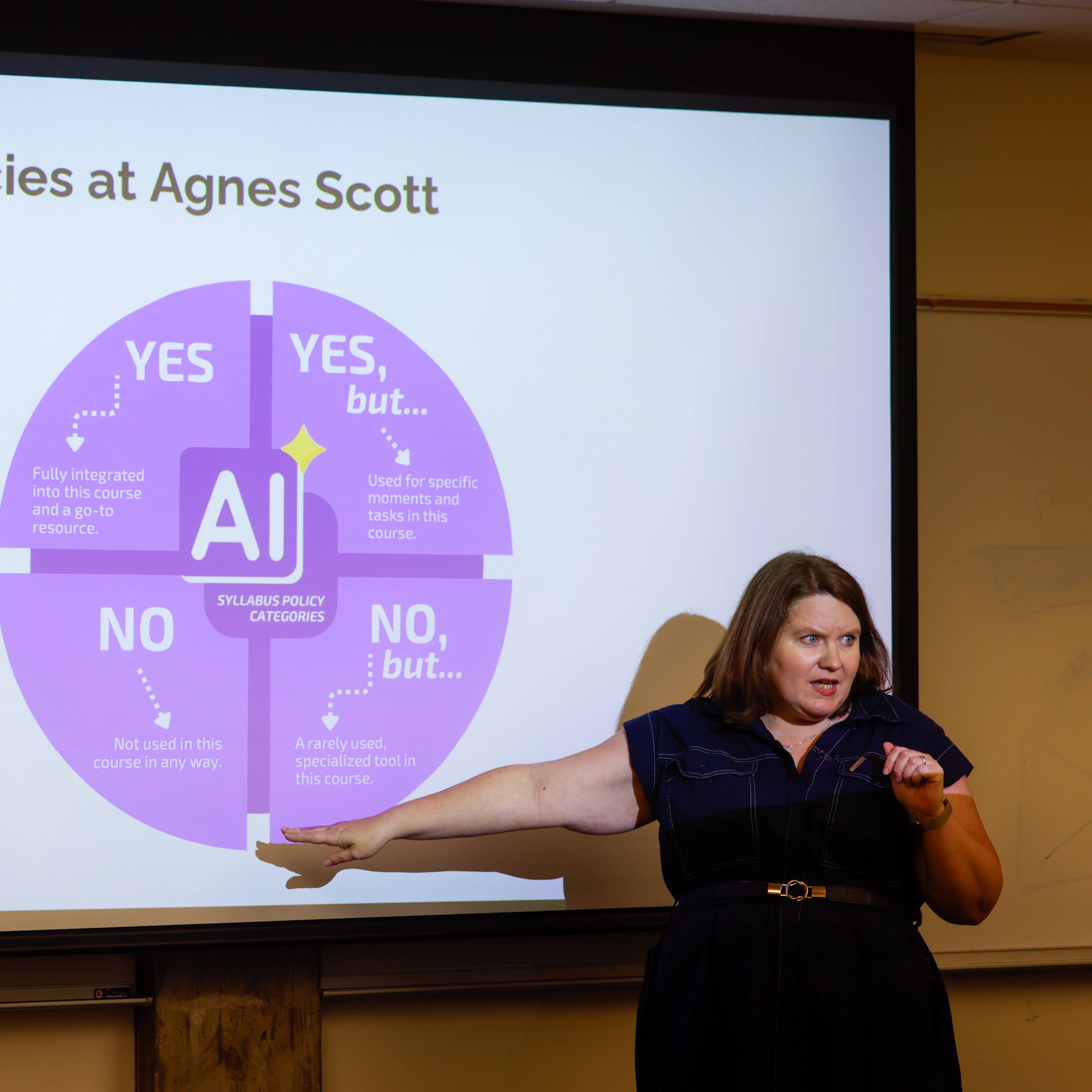
The Southern Regional Education Board, which works with 16 states to advance education in the region, spent two years studying these issues through its Commission on Artificial Intelligence in Education. Several of the commission’s recommendations address three practical questions leaders should ask about any AI tool: Will it help students learn? Is it safe? Is it worth it?
Southern states are beginning to act. In partnership with state education officials, SREB helped South Carolina design a four-course high school pathway in artificial intelligence, currently in its pilot phase, with input from educators and industry. Students learn the building blocks of AI and how it is used in fields such as agriculture, healthcare and manufacturing. Through team projects on real problems businesses face, students build the collaboration and communication skills they’ll use at work and in their communities. Educators begin with a weeklong summer training and then meet monthly, with technical experts available along the way.
The goal of using AI in schools should be graduates who know their academic content and have the judgment and human skills to thrive in college, in their careers and as engaged citizens. It will take well-prepared educators, clear direction from policymakers, researchers building evidence on what works, and families and students who help shape how these tools are used. If we do this work together, we can prepare Georgia’s learners for lasting success.
Valerie Greenhill is president of the Southern Regional Education Board, an interstate compact of 16 member states working to improve public education at every level.
If you have any thoughts about this item, please go to our AJC Get Schooled Facebook page. If you’re interested in writing an op-ed for the AJC’s education page, drop us a note at education@ajc.com.