It’s time to redefine excellence in higher education
Hispanic students make up approximately 20% of the enrollment in Georgia’s public schools, nearly a five percentage point increase in the last decade. AJC Get Schooled is publishing a series of guest essays this week exploring the educational landscape for Hispanic students in Georgia as part of our Hispanic Heritage Month coverage. Here is the first of these essays.
For generations, Americans have been taught to recognize excellence in higher education by looking at who a college admits: high test scores, low acceptance rates, wealthy students and institutional prestige. But what if excellence were measured instead by what colleges do with the students they enroll?
This measure is especially important because the students American higher education was originally designed around are no longer representative of most students attending college today. Latino students make this transformation particularly visible. Latinos are more likely to be first-generation college students—51% are the first in their families to attend college. Many work significant hours while enrolled, attend part time, live at home, choose affordable public institutions close to their communities, and balance school with responsibilities to their families. Excelencia in Education describes Latinos as representative of a growing “post-traditional student majority.”

But these realities are hardly unique to Latinos. Nearly three-quarters of undergraduates work while enrolled, and many students are simultaneously workers, parents and caregivers. Colleges and universities must stop treating these students as exceptions to a traditional model. They are the students higher education must now be designed to serve.
That requires a different definition of institutional excellence. An excellent institution should certainly provide rigorous academic learning. But excellence must also mean enrolling students with talent who may not come from wealth; making college financially attainable; recognizing that students work and care for families; helping students persist and graduate; connecting learning to meaningful careers; and producing economic and social mobility.
Washington Monthly’s 2026 rankings offer important evidence that these goals need not conflict. Consider Georgia. Emory University ranks 10th in the Monthly’s 2026 Southeast ranking, while Georgia State University ranks 11th. Yet they reach those positions through very different institutional models. Emory is a highly selective research university that fits many traditional measures of institutional excellence. Georgia State stands fourth in the region on access, illustrating how a large public university educating a broad cross-section of students can be part of the excellence conversation.
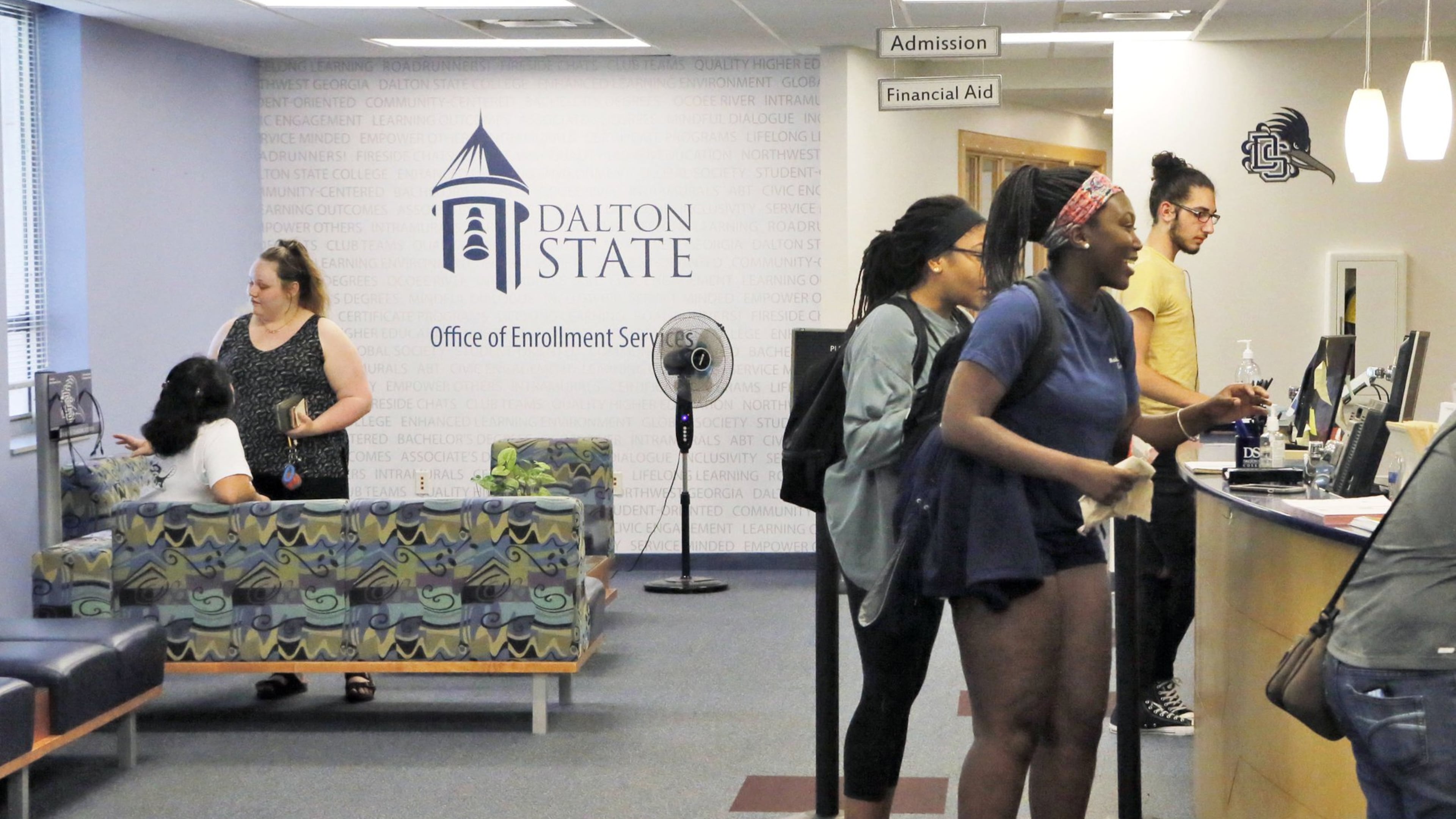
Dalton State College offers another instructive example. It ranks 33rd in the Southeast, with one of the region’s strongest affordability rankings. More significantly for Latino students, Washington Monthly ranks Dalton State eighth nationally among four-year colleges serving Hispanic students. In 2025, it became the first institution in Georgia to earn the Seal of Excelencia, recognizing intentional institutional efforts to accelerate Latino student success.
These institutions illustrate a larger point: there is no single institutional profile for excellence. A selective research university can create opportunity. So can an urban public university, a regional institution or a college serving a community whose students have historically had fewer opportunities to earn a degree.
The relevant question should be less about how difficult a college is to enter and more about what happens after students arrive. Does the institution understand the students it enrolls? Does it remove unnecessary barriers without lowering academic expectations? Can students afford to remain enrolled? Do they graduate? Do their degrees translate into economic opportunity? And are colleges improving outcomes for the students and communities they were created to serve? Latino students are helping higher education confront these questions because their experiences reflect where America itself is headed.
The institutions that thrive in the decades ahead will not simply be those that compete hardest for the students already most likely to succeed. They will be the institutions that recognize talent more broadly, organize themselves around today’s students and demonstrate what their education makes possible. That is a definition of excellence worthy of higher education — and of the country colleges and universities exist to serve.
Deborah Santiago is the co-founder and CEO of Excelencia in Education—a national nonprofit organization committed to accelerating Latino student success, while increasing all student success, to close postsecondary attainment gaps and advance our families, communities and nation.
If you have any thoughts about this item, or if you’re interested in writing an op-ed for the AJC’s education page, drop us a note at education@ajc.com.