How decades of underfunding has shaped life at HBCUs
In the fall of 2024, then Morehouse College freshman Jayden Hall couldn’t understand why he kept sneezing and coughing.
First, he thought it was a cold. Then sinus issues due to the weather changing.
A month after winter break, Hall, who usually cleans his room after church, felt the urge to check the air vent.
What he found disgusted him.
“That vent had so much black mold,” said Hall, adding that it took a month for maintenance to arrive at his residence hall, the Living Learning Center. “It was so bad that me and my roommate had to get gloves. We had to wipe everything down and spray it.”
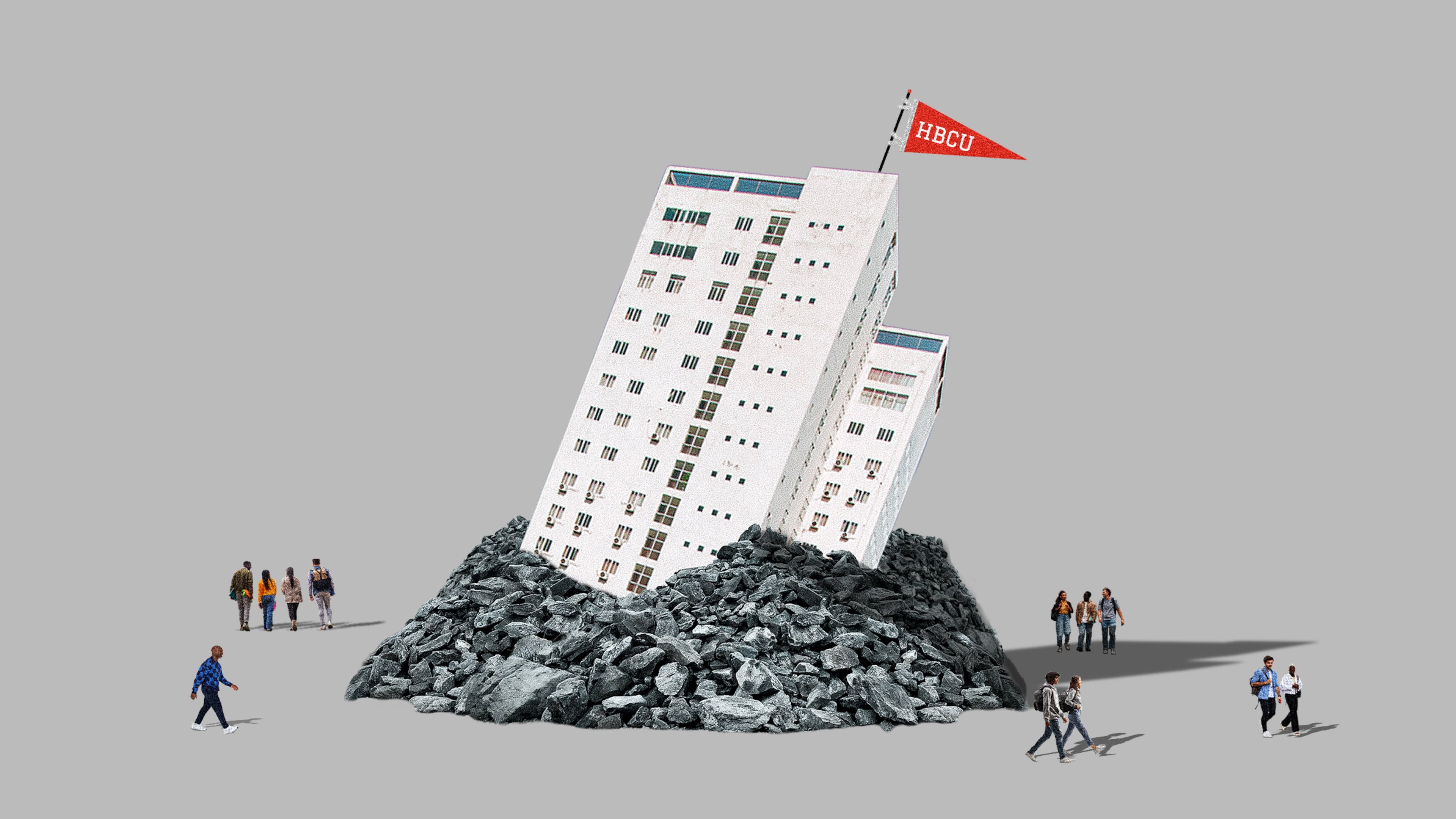
For generations, unequal public and private investments have left many historically Black colleges and universities struggling to maintain aging campuses. The result is a cycle of deferred maintenance that students say has become part of everyday life, from mold and broken elevators to failing HVAC systems and recurring plumbing problems. What many students experience as ordinary inconveniences are often the visible consequences of decades of unequal funding.
According to a 2018 report from the Government Accountability Office, public HBCUs reported, on average, $67 million in deferred maintenance backlogs while private HBCUs reported an average of $17 million. A Forbes investigation found the roughly 20 land-grant HBCUs were underfunded by nearly $13 billion between 1987 and 2020.
‘Worst experience’
In interviews with The Atlanta Journal-Constitution, students from HBCUs across the country complained about elevators that were repeatedly broken, damaged dorms and other problems. They also agreed administration could be more transparent regarding upgrades within their institutions.
Morgan Simpson, a multimedia and writing junior from Haslet, Texas, said she initially fell in love with Spelman College’s small campus feel.
Going into her sophomore year, she was assigned a room on the sixth floor of the Beverly Daniel Tatum Suites. But during moving day, the elevators were broken. So Simpson, along with her father, mother and 11-year-old brother, had to carry her belongings up six flights of stairs.
“It was very tiring, and Georgia is very hot,” Simpson said, adding that it would not be the only time she went without an elevator while living on campus. “They’ll be fixed for a few months, then it’ll be out of order again for the next four. And then they’ll fix it. And then it’s out of order again.”

In a statement to the AJC, Spelman said it is “committed to proactively maintaining its campus and (completing) maintenance projects as they arise.”
Howard University student Jessica Parker said she experienced multiple maintenance issues on campus. An electrical outage in September caused Parker and her peers to take freezing cold showers while enduring temperatures that she described as sauna-like. She called Howard Plaza Towers East, one of the school’s dormitories, her “worst experience.”
Howard University’s student newspaper, The Hilltop, reported on the outage as the result of a ruptured power cable. It disrupted multiple campus buildings.
Parker showed photos of what her thermostat had throughout the year, including an instance of 94 degrees in March 2025.
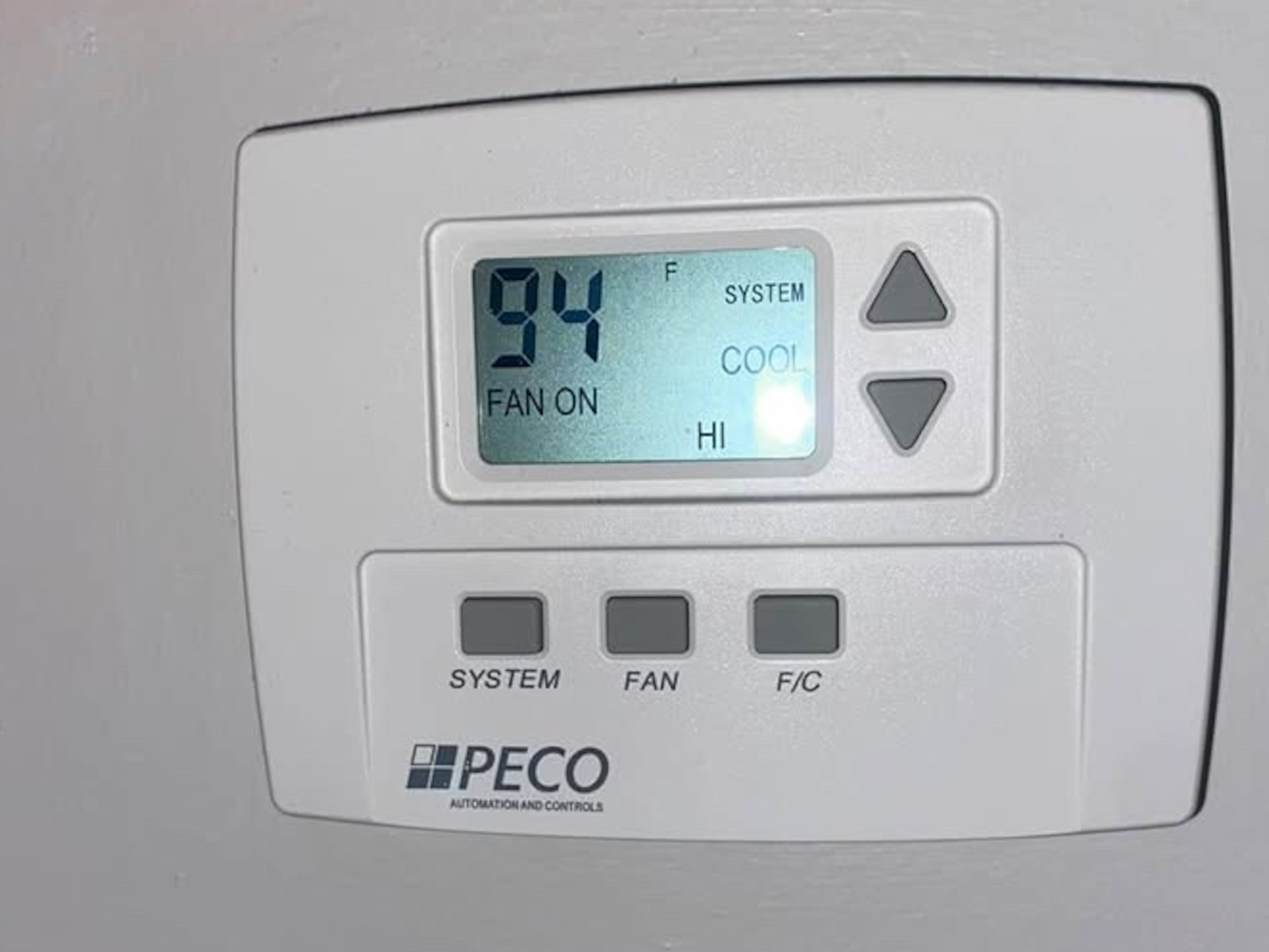
“Me and my roommate had to basically sleep naked,” said Parker, a nutritional science major from Bethlehem, Georgia. “We were still sweating in our sleep. We bought fans for our room. It felt a little bit better, but it was still really hot.”
But Parker’s problems also extended to basic needs like washing her clothes. On several occasions, Parker and her roommates were forced to rewash and continuously dry their clothes because of faulty machines, costing them time and money. At times, Parker had to pay for four cycles to dry one load of clothes.
“I had to use my friend’s laundry points,” she said. “If I didn’t have to dry my clothes so often, I wouldn’t have run out.”
Howard said in a statement to the AJC it is committed to “ensuring students have access to safe, affordable, and supportive housing.” They added they have invested “more than $250 (million) in capital replacement, repair, and deferred maintenance in our student housing portfolio,” and plan “to allocate more than $100 (million) more over the next 5 years.”
Funding gaps at HBCUs
According to the 2018 GAO report, public HBCUs rely on tuition, state and federal appropriations for capital projects, while private schools rely on tuition and gifts. Both private and public schools also use endowments, a mixture of funds that colleges invest to generate long-term financial stability. Many HBCUs have small endowments and as a result, may face challenges accessing financing. The report analyzed federal data and found HBCUs’ median endowments were $12 million, about half the size of similar non-HBCUs.
Denise A. Smith, regional senior director of the Southern Lowcountry at the Coastal Community Foundation of South Carolina, a nonprofit that seeks to address community needs through grants, compared the importance of endowments to the racial wealth gap.
“It enables you to secure funding and allows you to grow your reserve and your wealth for the purposes of being able to have money invested over time,” Smith said.
Endowments also have short-term benefits. They can cover scholarships, auxiliary costs, faculty sabbaticals and merit-based aid without state or federal dependence.
Fred Jones Jr., the Atlanta-based Southern Education Foundation’s senior director of public policy & advocacy, explained that “HBCUs don’t have a sizable endowment” and that can be important when dealing with deferred maintenance.

“Endowments are just a great tool for individual institutions if you have a large one,” he said. “Especially because you can pay for almost all of your operating costs.”
Jones reiterated that the core funding for HBCUs, mostly their institutional grant amounts, add up to 20% of the federal funds that go into their endowment, but often “it’s still not enough resources to really bump it up.”
Capital finance
Without the flexibility that endowments provide, some HBCUs rely on the Department of Education’s HBCU Capital Financing Program, which allows schools to take out loans to fund infrastructure projects.
Since 1996, about half of all four-year HBCUs have used the program for capital needs.
The AJC found that Xavier University, Alabama A&M University and Howard University were the largest borrowers, with Xavier borrowing $361 million and Alabama A&M and Howard each borrowing about $227 million.
While most HBCUs have taken out just one or two loans, Tuskegee took out six loans, more than any other school.
More than a third of the loans were used for construction. Around 30% went towards refinancing — when a loan is replaced with another for a better interest rate and lower monthly payment.
Despite this, not every HBCU has approached the program the same way. Joseph Silver, president of Silver & Associates, a consulting firm that specializes in strategic planning and institutional work, among other things, in the academic world, said that the decision to apply often comes down to a governance hurdle.
“Institutions had to make decisions based on their ability to take on more debt,” Silver said.
“Whereas Morehouse College or Clark Atlanta can make the decision locally with their board, Savannah State would have to go through the Board of Regents to be allowed to take on that kind of debt.”
Rashad Young, senior vice president and chief administrative officer at Howard, said the loan helped start renovation projects on campus, and that the initial plan was to build a new STEM building. Instead, it was decided to renovate the physics, chemistry and biology buildings on campus.
In addition to those changes, Young pointed to HVAC systems as a common problem on Howard’s campus.
“HVAC is the No. 1 issue,” he said. “For heating and or air cooling, depending on the season that we’re in.”
Out of all the loans HBCUs received, 25% were budgeted for renovations.
Outside this program, HBCUs have been attempting to make do with the resources they have.

Last year, Spelman renovated Abby Aldrich Rockefeller Hall and Morehouse-James Hall, to include central air conditioning, along with upgraded amenities and enhanced security features. This year, Spelman is building a new 670-bed, 230,000-square-foot residence hall that will replace two of the campus’s older residence halls in August 2028.
Additional renovations, ranging from elevators to HVAC systems, occurred in multiple academic and residence halls throughout the summer.
‘Separate but unequal’
HBCUs were founded as schools for teachers, ministers and other Black professionals. Unlike predominantly white institutions, which often benefited from substantial state, federal and philanthropic support, private HBCUs relied largely on donations from churches, philanthropists and Black communities to build and sustain their campuses.
Before the Civil Rights Movement, public HBCUs were at the mercy of the Jim Crow laws, resulting in smaller endowments and higher dependence on state appropriations.
“The law of the land was ‘separate but equal,’ but ‘separate but equal’ meant unequal,” Silver said.

With limited funding, deferred maintenance for required repairs normally covered by the schools’ budget grew through the decades.
Silver said that no college or university is protected from deferred maintenance backlogs, but “when the majority institutions have a cold, HBCUs have the flu.”
Adam Harris, author of “The State Must Provide” and an Alabama A&M University alumnus, compared HBCU deferred maintenance to dental hygiene.
“If you’re given a toothbrush at the beginning and you do regular checkups, it’s usually going to be an inexpensive visit,” he said. “HBCUs were not given a toothbrush.”
“And so they go back, they have this toothbrush now and they’re brushing, but that cavity is still there and it’s still growing,” said Harris.
While this funding gap between HBCUs and PWIs persists, decades-long lawsuits, an increase in philanthropic support, proposed legislation and federal letters sent to Southern states are ways HBCUs have attempted to claw this money back.
Multiple alumni and students from HBCUs, including in Georgia, filed lawsuits against their states in recent years, accusing them of underfunding. While some, like Maryland and Mississippi, saw financial relief, others, like Georgia, saw their cases dropped or postponed.
Silver, who had worked in Georgia’s higher education system for more than 30 years, said it was the right case but poor timing.
“That lawsuit should have taken place 30 years ago,” he said. “The climate has changed, and there are those in significant positions who have no stomach for the lawsuit.”
Silver also touched upon the political climate, adding that administration officials at some HBCUs would be hesitant to comment on the issue with the current attacks on diversity, equity and inclusion.
“They know it, but politically they can’t say it,” he said.
However, deferred maintenance hasn’t prevented HBCUs from doing more with less.
While HBCU students make up just 3% of all U.S. college students, they produce more than 15% of Black graduates, according to the UNCF and 80% of Black judges, according to the Thurgood Marshall College Fund.
Closing the gap
Recent philanthropy towards HBCUs has provided extra flexibility to deal with deferred maintenance. HBCU endowments grew by $1.3 billion in 2021, according to news reports, bringing their value to approximately $5.2 billion, with much of it coming from financial gifts by MacKenzie Scott.
“MacKenzie Scott has been phenomenal,” Jones said. “(But) it’s not enough to close the gap.”

An increase in endowment funds, experts added, can also play an integral part in how HBCUs survive. In 2024, Smith, then the deputy director of higher education policy and senior fellow at The Century Foundation, a progressive think-tank that explores equity gaps in areas such as education, recommended a $40 billion federal HBCU endowment fund — $4 billion allocated each year over the next ten years — to build better HBCU endowments.
Smith argued that the federal government has a role in ensuring that HBCUs’ needs are met and that they have not done so in the past. She also pointed out that the federal government has created the Tribal College Endowment Program, which supports American Indian Tribally Controlled Colleges and Universities.
“The federal government has itself acknowledged the value the HBCUs provide the nation, and now it’s time for the rest of the world to catch up,” Smith said.
Experts also say legislation can solve the financial gap. The Ignite HBCU Excellence Act, a bill that would create a competitive grant program for capital projects, was reintroduced in 2026 in the House and Senate. Jones said the bill’s passage is one of the first and “most important” steps in solving deferred maintenance. But as issues persist, the bill sits in the Committee on Health, Education, Labor and Pensions.
‘We shouldn’t have to be used to it’
Hall’s experience with black mold was his first maintenance problem at Morehouse, but not his last. During his sophomore year, a pipe backup flooded his apartment in Otis Moss Suites.
“I got to save the important stuff from my refrigerator in my room because that’s a lot of money to replace,” he said. “I had my nice clothes. I don’t want to get that ruined or messed up or thrown away.”
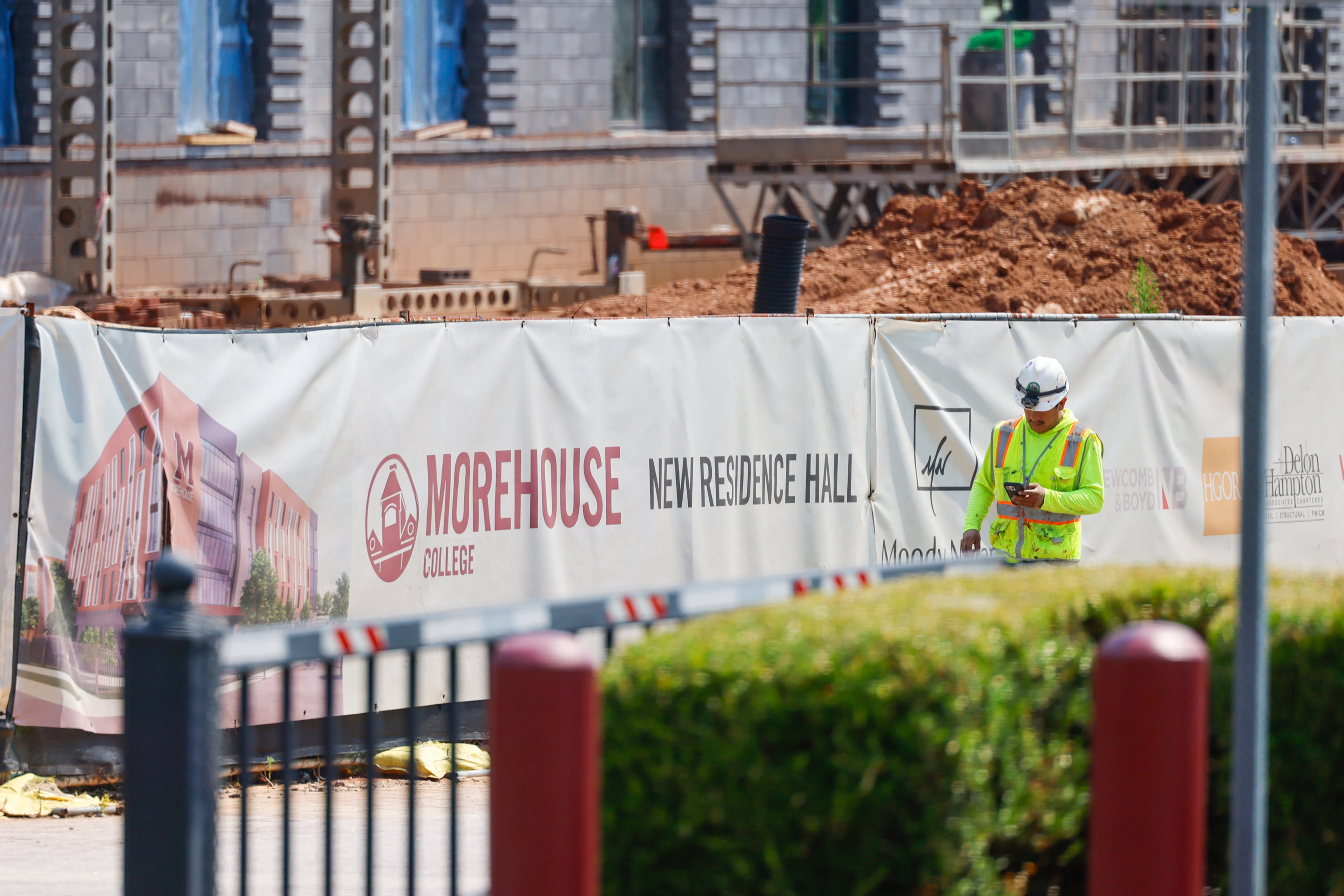
Construction is already underway on Morehouse’s first new campus building in more than two decades. Financed in part through the HBCU Capital Financing Program, which Morehouse joined in 2024, acquiring $11.5 million. The 88,000-square-foot residence hall and living-learning center is expected to open this fall.
The facility will include 324 beds, laboratories, technology rooms, lounge areas, green spaces and a welcome center.
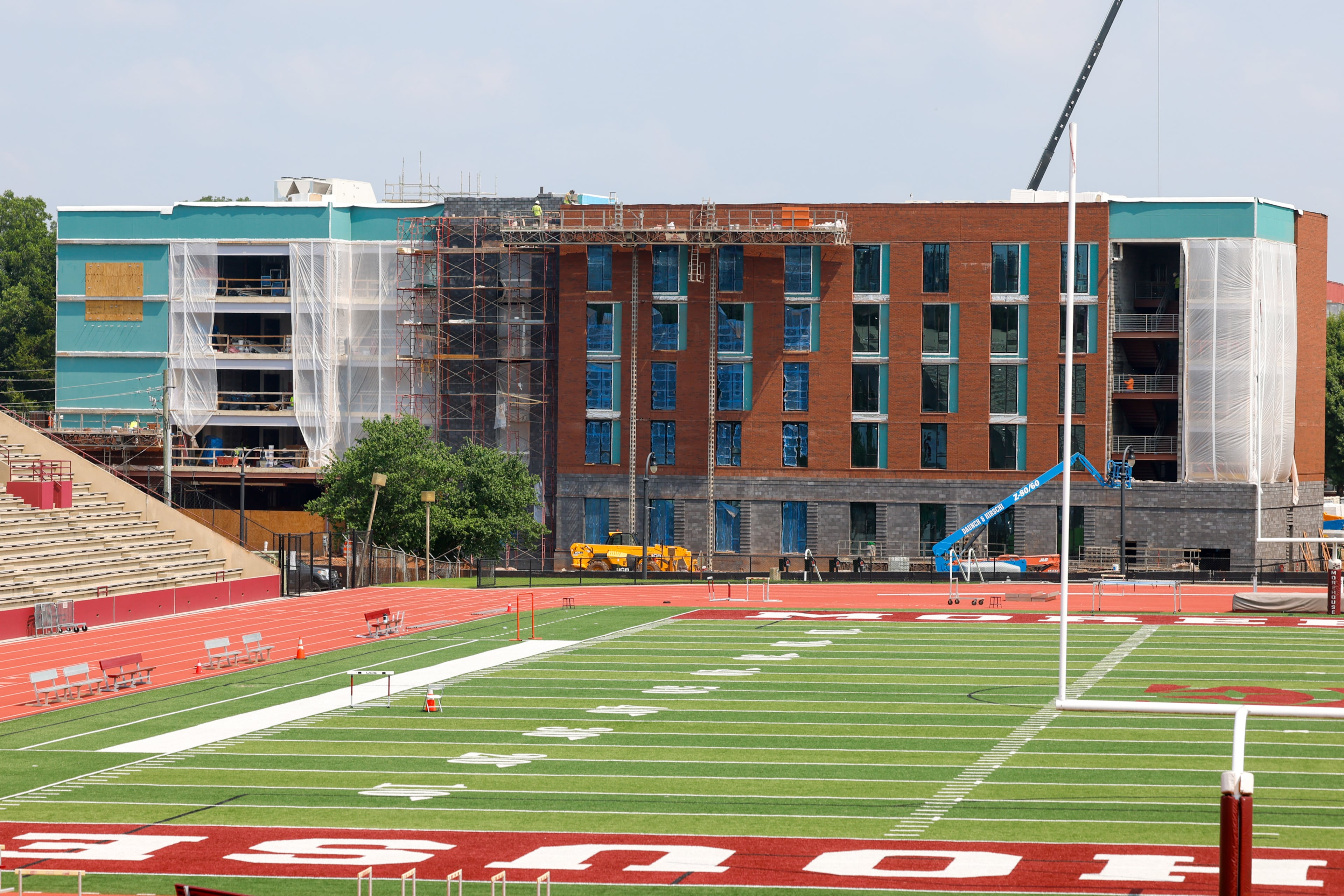
In a statement, Undria Stalling, Morehouse’s chief financial officer and senior vice president of business and finance, said the project reflects the college’s commitment to expanding infrastructure and modernizing its campus.
Hall is now a junior. He’s grown accustomed to maintenance issues, but he hopes the students who come after him have better experiences.
“We’re so used to it,” he said. “But the fact of the matter is we shouldn’t have to be used to it.”
About this project
This story was done in partnership with the Ida B. Wells Society HBCU Data Fellowship, a program designed to sharpen the skills of a select group of journalists. The reporters involved in the project are current and recent graduates of HBCUs. The reporting team interviewed several dozen students, HBCU officials, educators and others. The team reviewed federal reports, independent studies and other documents for the reporting.
About the authors
Yacine Ba is a senior at Howard University in Washington, D.C.

Chris T. Frazier is a 2025 graduate of North Carolina Central University.
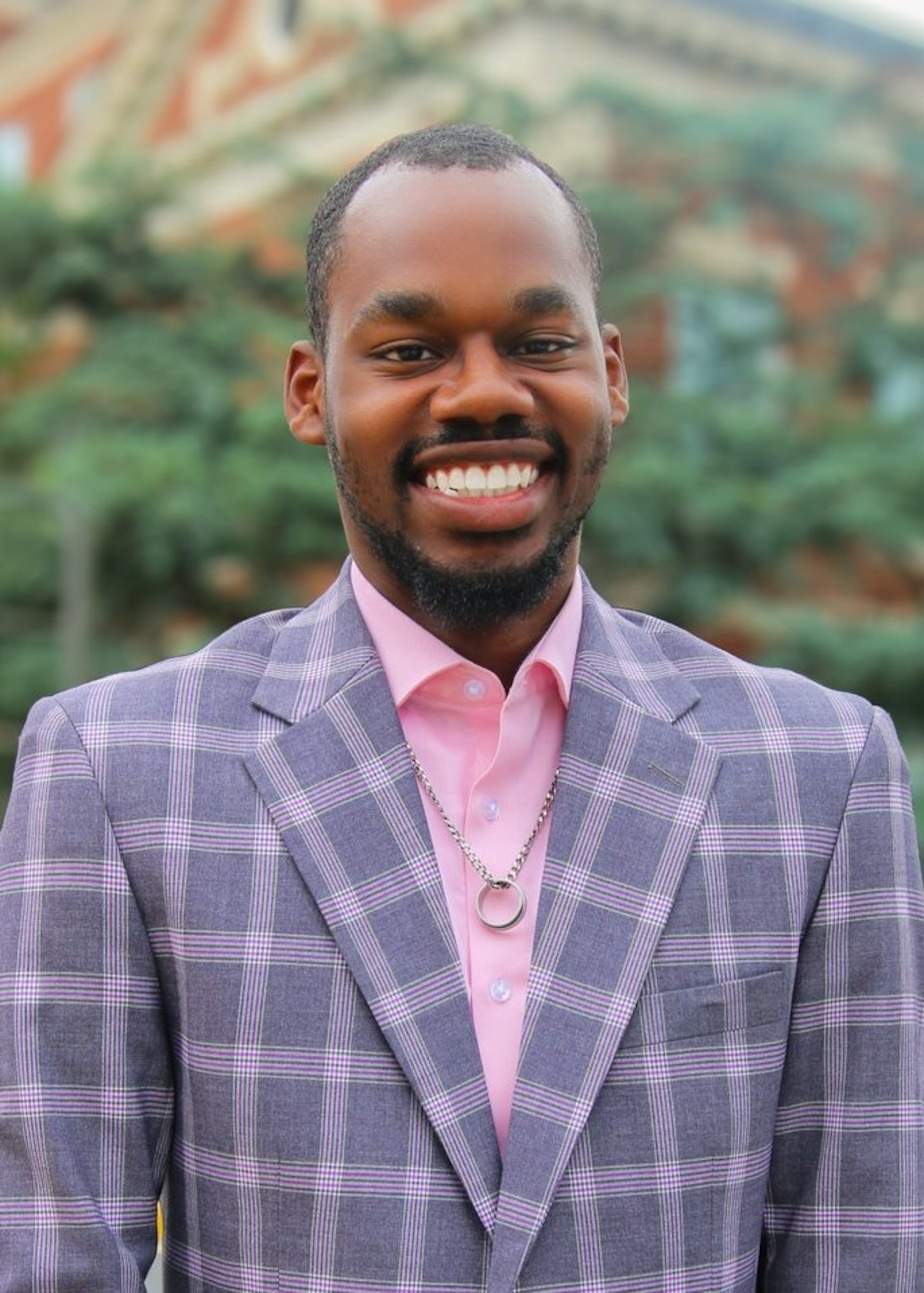
Tierra Stone is a senior at Morgan State University in Maryland.
