Schools need better training to address bullying
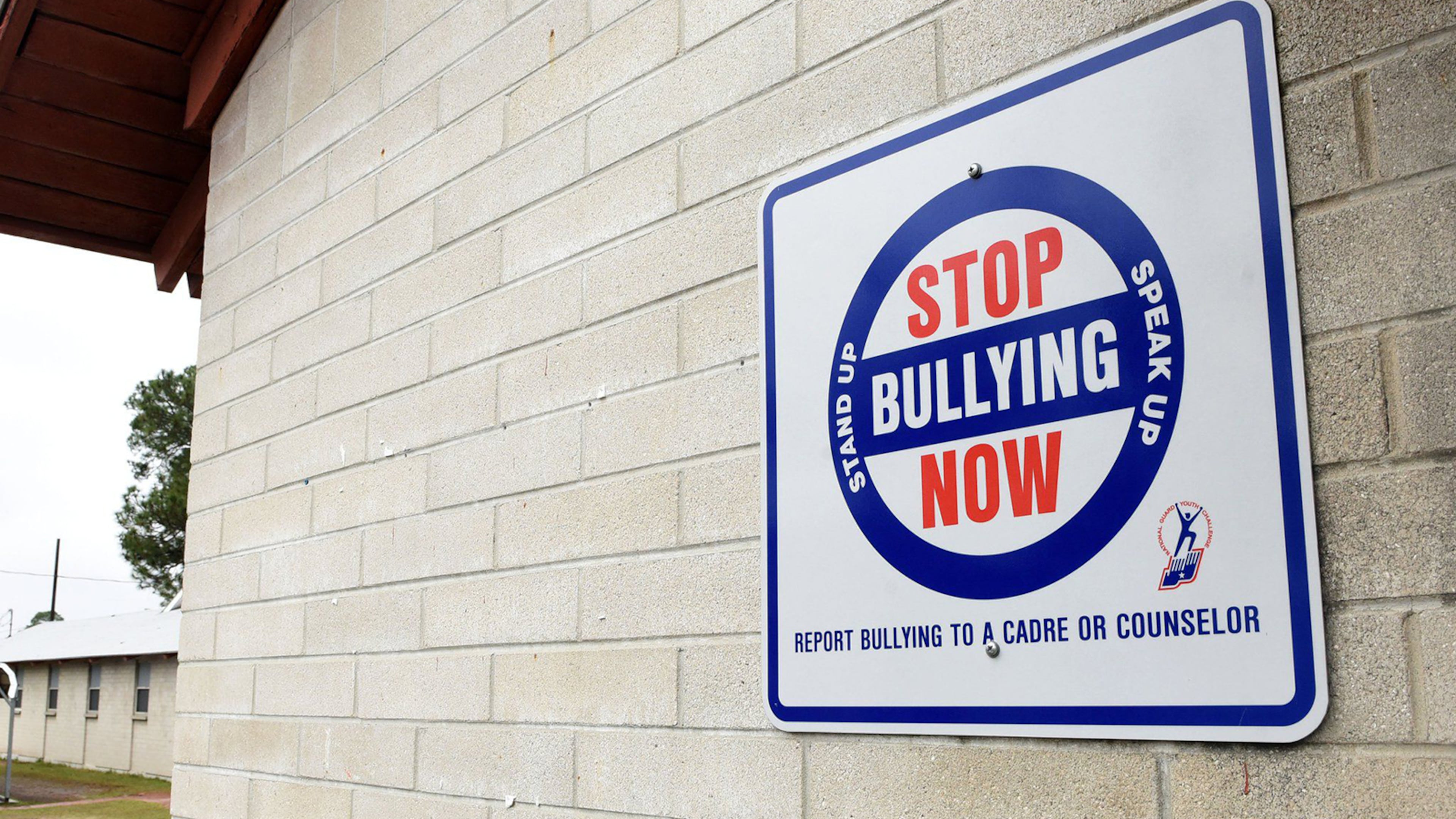
One in four U.S. students admit to being bullied each year, according to research. Out of those, 64% are unreported. As rising eighth grade students at Clarke Middle School in Athens, we call for better ways to deal with bullying in U.S. schools.
Too often, bullying is dismissed as “jokes” or “horseplay.” A statistic from a fact page of the Florida-based Monique Burr Foundation for Children says, “85% of bullying is not responded to appropriately.” A 2019 study published in the journal Research Papers in Education described unhelpful teacher responses to bullying as telling victims that they have not been harmed and should “lighten up.” Sometimes, victims are told that bullying is a misunderstanding, and the bully should be forgiven. Situations like these, we believe, are caused by improper, lackluster bullying prevention training, inconsistent enforcement of policies, school administrations wanting to protect their reputations, and/or failure to involve students in anti-bullying efforts.

Bullying can severely affect long- and short-term mental health. A 2013 study published in the Journal of Adolescent Health found bullied students are more than twice as likely to have suicidal ideations and over three times as likely to report a suicide attempt. The February 2024 incident in Bulloch County is an extreme example of how bullying harms students. In that situation, parents of a Bulloch County student are suing the school system because their child allegedly jumped out of the emergency exit of a moving school bus to escape previously reported but unaddressed bullying.
A 2022 National Center for Education Statistics survey about school crimes found that “41.3% of students who reported being bullied at school (thought) the bullying would happen again (emphasis added).” In our opinion, students either don’t report bullying to adults, or they expect that reporting won’t help because of ineffective adult responses, including minimizing or excusing the bullies’ behavior. Bullying is a spectrum, and more schools should change how they train staff around it so that student trust in school systems increases.
Effective ways to stop bullying start with understanding root causes, and solutions to bullying should help the victim and the bully. A study by researchers from the University of Washington and Indiana University says: “Children who were exposed to violence in the home engaged in higher levels of physical bullying than youngsters who were not.” A publication from the Australian government states: “Bullies are more likely to have lifelong issues such as depression or problems with aggression.” When we are unable to stop the bully, they also have problems later on.
So what can be done?
First, teachers must be trained to pay closer attention to what is happening inside their classrooms and school. This includes training to identify and stop subtle forms of bullying. One of our teachers shared with us that there’s already “evidence-based training” for this by Robert Marzano in his manual called “Demonstrating Withitness.”
Second, teachers should be trained not to brush off bullying as “jokes.” When a student who reports bullying is brushed aside, that makes them hesitate to report the next time.
Third, teachers should report bullying to their supervisors instead of trying to handle everything themselves.
Bullying is a serious issue in our country’s schools, and we need smarter punishments. In-school suspension for bullies doesn’t work because sitting in a separate room all day does not get at root causes of aggression, like having seen violence at home. Out-of-school suspension only works, in our opinion, if parents support the school. Otherwise, OSS might be more of a student holiday. Each bullying case should be assessed carefully to create consequences that force bullies to see their actions in new ways and make them want to change.
We call for school districts to make major changes in how bullying is identified and responded to. Part of those changes could begin by recruiting students like us to provide eyewitness reports and be part of solutions. The more eyes, ears, and voices working together to stop bullying, the better.
Claire Belknap, Julieta Camarillo Diaz, Kennedy Gates, Amelia Lush and Danasia Person are rising eighth grade students at Clarke Middle School in Athens.
If you have any thoughts about this item, or if you’re interested in writing an op-ed for the AJC’s education page, drop us a note at education@ajc.com.