From burnout to brilliance: Why K-12 schools need daily breaks
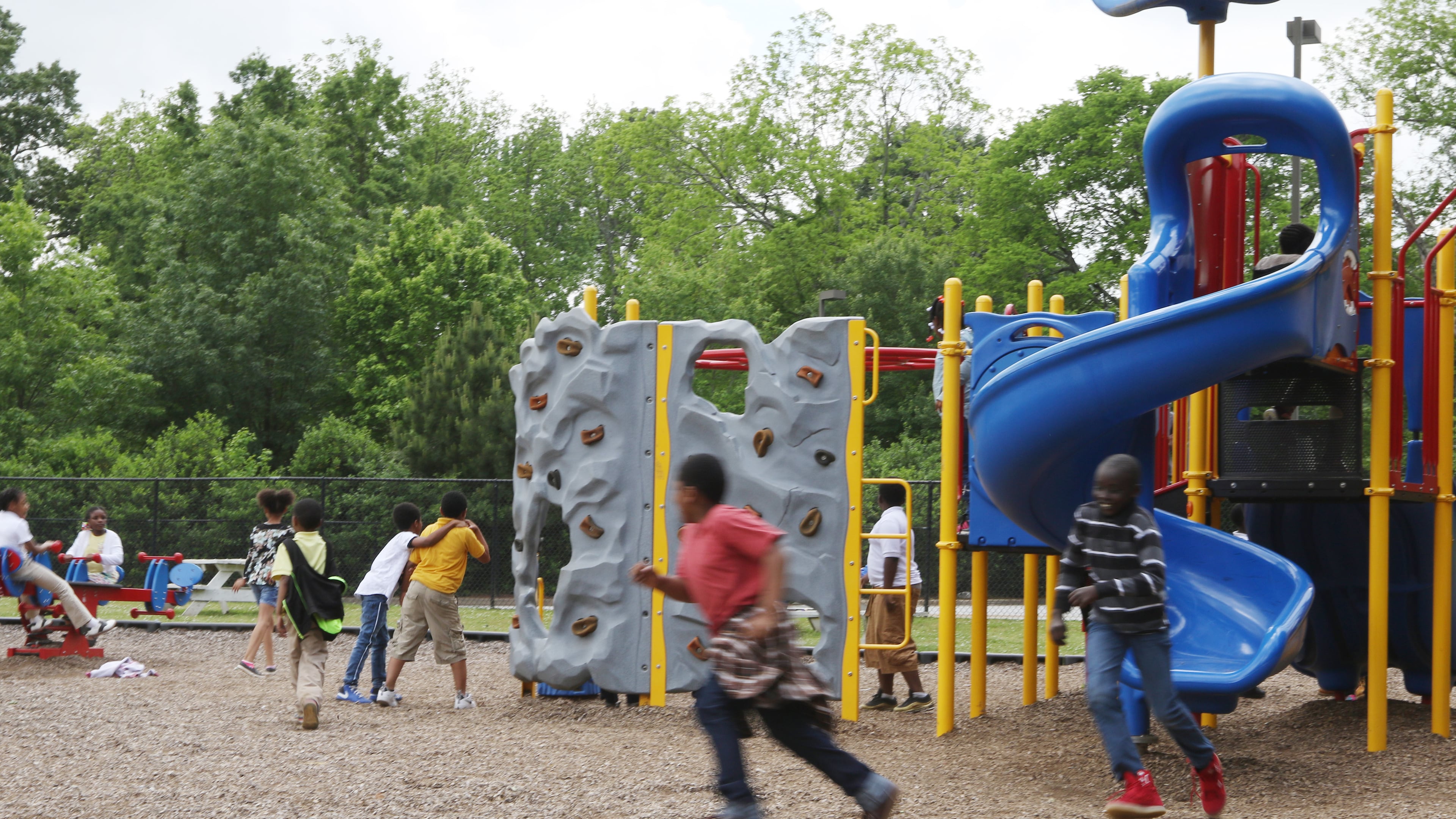
State test scores for the 2025-26 school year are coming back, and Georgia public schools are part of a national pattern of declining reading and math skills. We, rising eighth grade students at Clarke Middle School in Athens, feel that one small but important change could help turn around this serious problem. Bring recess back as a mandatory part of the school schedule.
It’s cruel to expect kids to be stuck in classrooms eight hours per day, five days each week without a proper break. From our perspectives as middle school students, we feel that should be mandatory on all grade levels because it improves test scores, cognitive abilities and allows students to refresh themselves during the day.

One reason school recess should be mandatory is that it has been proven to strengthen cognitive abilities in many students. According to the February 2025 article “The Science of Study Breaks: Maximizing Learning Efficiency for Teens,” published by Communities In Schools, breaks can significantly improve mental health and learning. The article states, “The human brain is not designed to focus for long stretches without rest. In fact, without proper breaks, cognitive performance tends to decline.” We believe that in schools without breaks, students are being overworked, which pushes test grades down.
Recess may help many students release their energy and process information from previous classes. It can improve student focus in the classroom. A 2018 study by two Texas Christian University scholars, published in the journal, “Frontiers in Education,” found that when comparing a sample of 405 students in K-2 classrooms over two years, the classrooms that included four 15 minute recess breaks throughout a school day had “(less) off-task behaviors such as fidgeting and moving around the room. (Meanwhile,) attentional focus improved significantly,” leading to the improvement of learning abilities in students.

A third supporting reason we feel recess should be mandatory is that it has been proven to improve test scores and keep students on task. A 2018 study published in the “International Electronic Journal of Elementary Education” found 83% of students were primarily off-task prior to recess, and 100% of students were primarily on-task after recess. This shows that including a break during the school day refreshes students’ focus and allows them to process information more thoroughly.
The Clarke County School District requires the scheduling of recess for kindergarten and elementary school students. It also requires a break for middle school students. Having outdoor breaks helped us unwind and feel less stress. It also gave us opportunities to make new connections with friends and made us feel refreshed before our next class.
Breaks also provide benefits for teachers. While students are enjoying recess, teachers can rest, grade work and plan future lessons. The education consulting company Parallel explains why this is important in their article, “The Power of Pause.” They say: “Without intentional pauses, the constant demands of teaching can lead to burnout (and) reduced effectiveness.” Recess allows teachers to refresh, which can lead to better teaching, and in turn, better results from students.
Critics may argue that recess takes away from crucial learning time. Cornell University’s campus health website says otherwise: “Taking purposeful breaks (anywhere from 5–60 minutes) from studying to refresh your brain and body increases your energy, productivity, and ability to focus.” Overall, the argument that breaks are positive is much stronger because of the many studies that have been conducted on this topic, and the proven benefits of breaks.
In conclusion, recess should be mandatory in schools because it has been proven to improve the cognitive abilities of students, help refresh their minds, bodies and focus and even improve the scores of schools and individuals. If you value the future, you should value how children are currently educated.
If breaks have been proven over and over again to only improve the learning abilities of children, there should be no question about whether they should be provided in schools today.
Finally, this decision does not have to be based solely on statistics and studies. We can say from personal experiences as middle schoolers that it is very hard to sit and listen to something for eight hours straight. We are positive that breaks will improve student abilities, driving students like us to learn.
Taylor Carney and Nico Oviedo de la Cruz are rising eighth-graders at Clarke Middle School in Athens. Taylor loves soccer and spending time with her family and friends. Nico enjoys Georgia football and the culinary arts.
If you have any thoughts about this item, or if you’re interested in writing an op-ed for the AJC’s education page, drop us a note at education@ajc.com.