Georgia can feed its children and support its farmers

A child cannot focus on reading, math or science when they’re hungry.
Yet every day across Georgia, students walk into classrooms carrying more than backpacks. They carry the stress of food insecurity, rising household costs and uncertainty about where their next meal may come from.
If we are serious about improving educational outcomes, strengthening our workforce, building healthier communities and keeping Georgia’s economy strong, we must start with a simple truth: Children learn better when they are fed.
As a state representative and doctor of public health, I have spent years studying the factors that influence children’s academic success. My doctoral research examining children during and after the virtual learning period reinforced what educators and parents already know. When access to nutritious food is disrupted, children experience poorer health outcomes, increased food insecurity, greater reliance on unhealthy foods and challenges that directly affect their ability to learn.
The pandemic revealed something important: Schools are not just places of instruction. They are also one of the most reliable sources of nutrition for millions of children.
When school buildings closed, many families lost access to regular meals. Food insecurity increased, unhealthy eating habits rose and educational disparities widened. Research cited in my dissertation found 84% of food-insecure households with children had at least one working parent. These were not families unwilling to work. They were families doing everything right and still struggling to make ends meet.
That is why Georgia should expand access to free school meals while building stronger farm-to-school partnerships across our state.
This is not about creating dependency. It is about creating opportunity.
Every child deserves the chance to learn without the distraction of hunger. At the same time, Georgia farmers deserve the opportunity to help feed Georgia students. These goals are not in conflict, they are complementary.
Georgia is one of the nation’s agricultural leaders. Our farmers produce world-class poultry, fruits, vegetables, dairy products and other commodities. Yet too often, the food served in our cafeterias comes from outside our state. By investing in stronger farm-to-school programs, we can keep more food dollars circulating in Georgia, support local farmers, strengthen rural economies and provide fresher, healthier meals for students.
That is not simply education policy. It is economic development policy.
Critics often ask whether we can afford to expand school meal access. I believe we should ask a different question: can we afford not to?
We already pay the cost of hunger through poorer health outcomes, reduced academic performance, increased healthcare expenses and lost economic potential. The research is clear that food insecurity is associated with poorer nutrition, greater health disparities and lower educational achievement. Investing in nutrition today reduces costs tomorrow.
The conversation is also one of priorities.
This year, Georgia lawmakers are preparing to return to the Capitol for a special session on redistricting, a process that will cost taxpayers money. Yet earlier this year, approximately $2 million in state funding that would have helped provide summer nutrition assistance to Georgia children was vetoed. While policymakers may disagree on many issues, ensuring children have access to food should not be one of them.
If we can find resources to redraw political maps, surely, we can find resources to help feed children when school is out.
This issue should not be Republican or Democrat. It should be Georgia.
We have the farms. We have the schools. We have the families. We have the resources.
What we need is the vision to connect them.
By expanding access to free school meals and strengthening Georgia’s farm-to-school pipeline, we can support working families, invest in local agriculture, improve educational outcomes and build a healthier future for our state.
Because feeding children is not an expense.
It is one of the smartest investments Georgia can make.
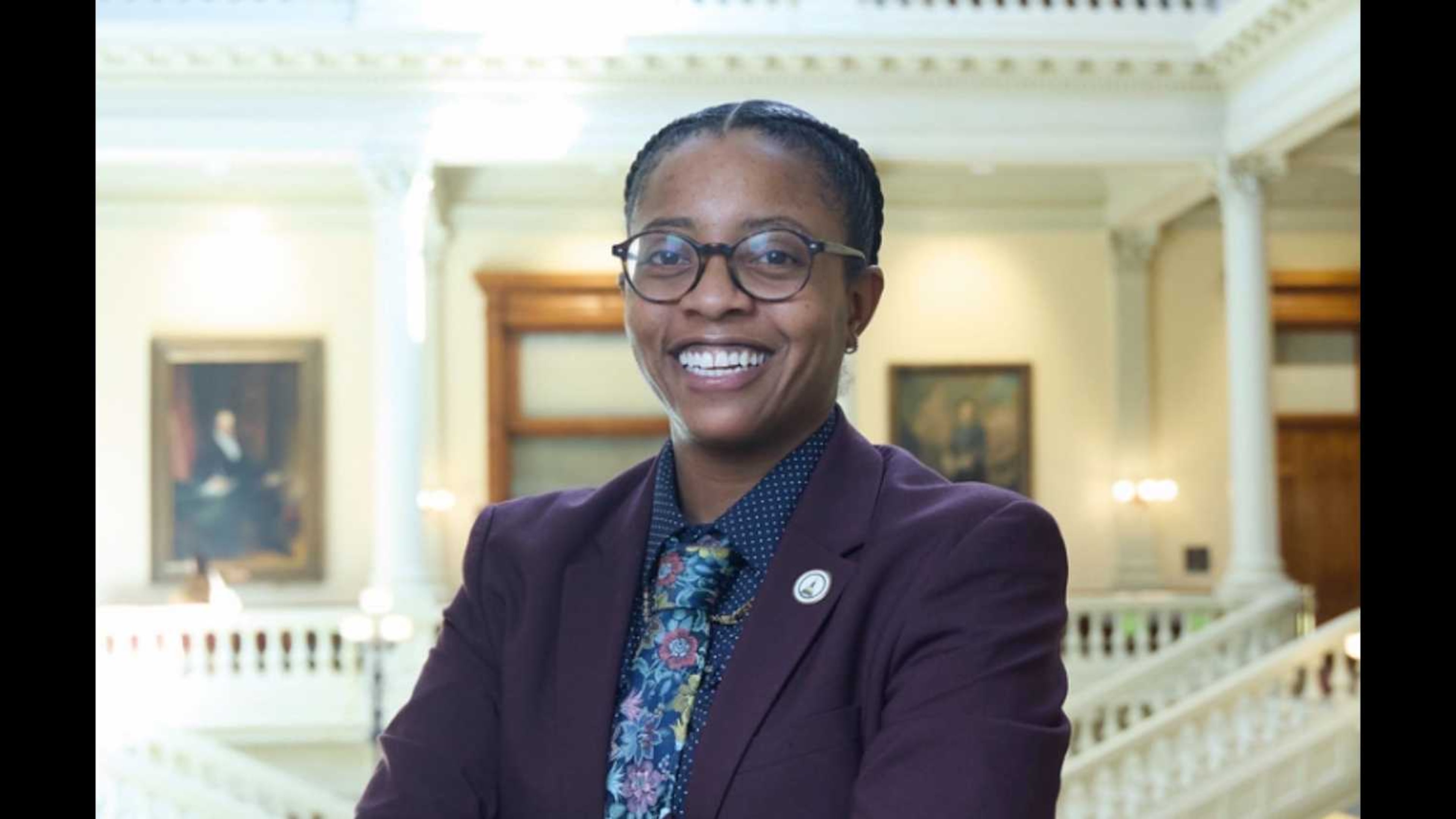
Imani Barnes, D-Tucker, serves District 86 in the Georgia House of Representatives.