Waymo Atlanta operations paused after robotaxis got stuck in flash floods
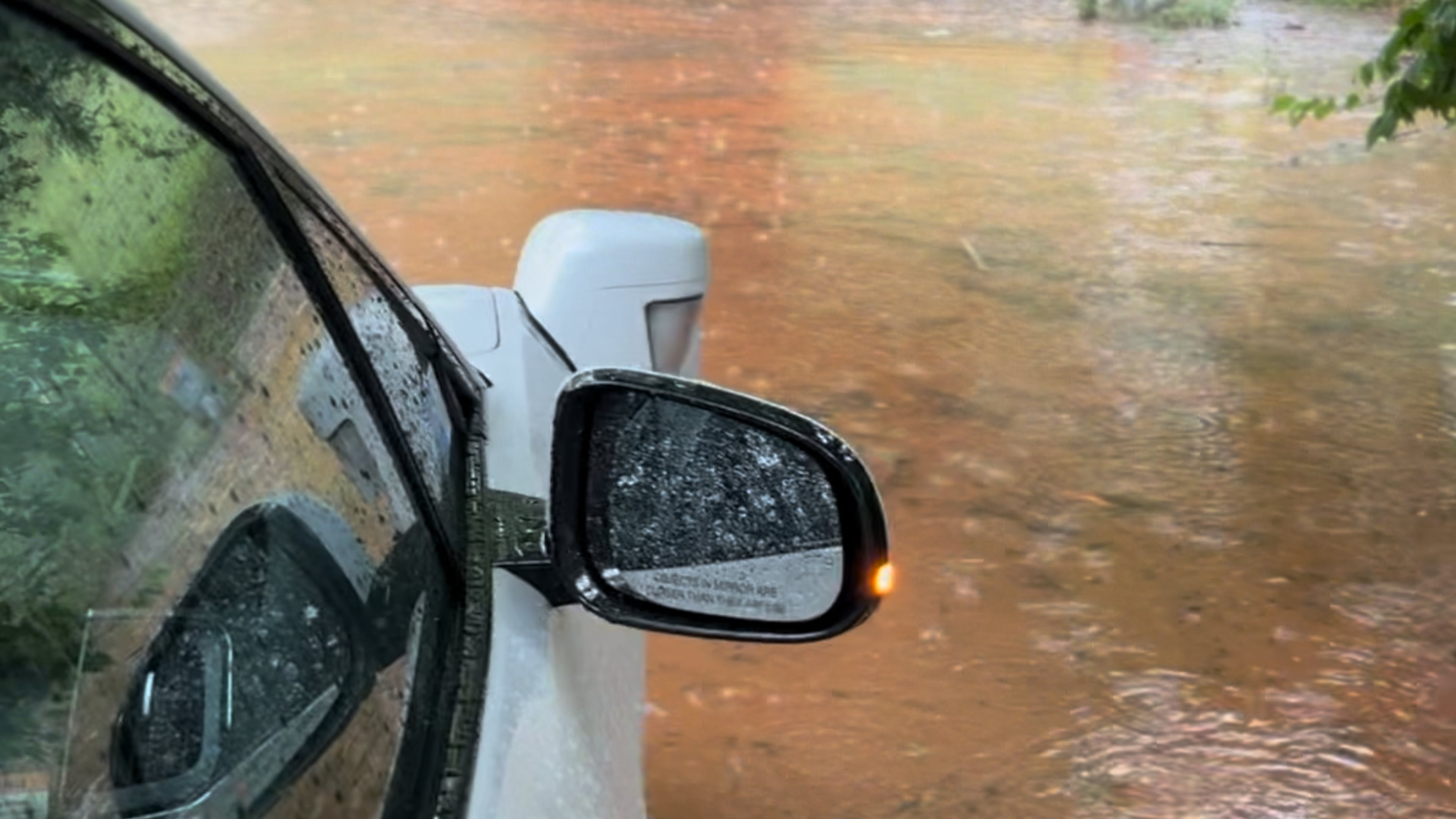


Atlanta’s flash flooding Wednesday seemed to temporarily defeat some of the autonomous Waymo taxis that have become commonplace on many city streets.
Several driverless vehicles were reported stranded in flooded roadways — including one carrying an Atlanta Journal-Constitution journalist.
Waymo said only one vehicle in Atlanta ultimately required recovery Wednesday, while “a handful” of others were “temporarily waylaid.”
The autonomous vehicle company’s Atlanta operations remained suspended Thursday as a result, a spokesperson told the AJC.
Earlier this month, the Mountain View, California, company recalled nearly 4,000 vehicles because of a software issue that “may allow the vehicle to slow and then drive into standing water on higher speed roadways,” according to a report to the National Highway Traffic Safety Administration.
The move came after an unoccupied vehicle in April was swept into a creek in San Antonio, where operations also are paused.
More than 2 inches of rain fell in Atlanta during rush-hour traffic Wednesday afternoon, prompting a flash flood warning from the National Weather Service.
The city is expecting several more days of thunderstorms over the Memorial Day holiday weekend.
For AJC videographer Rachael Knudsen, what would normally be a 20-minute commute became two and a half hours after her Waymo got stuck three times, struggling to navigate the inclement weather in southwest Atlanta.
Waymo told the AJC that “mitigations around flooding” have been put in place with the recent recall.
But it said the “unpredicted and rapid nature of this storm” meant that Atlanta’s flooding happened before a flash flood advisory had been sent.
“NWS alerts are just one of the inputs in our weather monitoring, but they are one helpful signal for Waymo — and all travelers — to prepare for more severe weather conditions,” the company added.
Waymo did not answer a question about how a vehicle would respond to flooding in a roadway caused by something non-weather-related, such as a water main break.
Knudsen said her Waymo taxi first got stuck when trying to pull over for safety into a flooded church parking lot, and a customer service agent had to manually reverse it.
After initial publication of this story online, a Waymo spokesperson noted that vehicles cannot be remotely driven: “Our fleet response team can suggest maneuvers and give the vehicle contextual information to help navigate complex situations, but our vehicles are not remotely piloted and the Waymo Driver is always in control.”
About 15 minutes later, it drove into a flooded road at normal speed near Morehouse College, jerking and stopping for 5-10 minutes before eventually pulling out of the water on its own.
And on the third stop near Mechanicsville, the car got stuck again in water on a roadway under a bridge.
“The bridge had water under it, but (in) the lane on the left, the cars were moving more frequently with ease,” Knudsen said.
“But the lane on the right had more water, and the Waymo chose the lane on the right and got stuck.”
A customer service agent once again had to reverse the car out of the water, she said.
A notification initially estimated roadside support would arrive in 54 minutes, but after speaking with a customer service representative, a different Uber vehicle with a human driver picked up Knudsen in about 20 minutes.
Waymo told the AJC that her vehicle was ultimately able to proceed without a tow after that.
Knudsen said her ride was comped, and she received credits for future rides, but she isn’t sure she would take a Waymo again in inclement weather.
“I was taken aback at how the Waymo was not able to sense the water that was ahead,” she said.
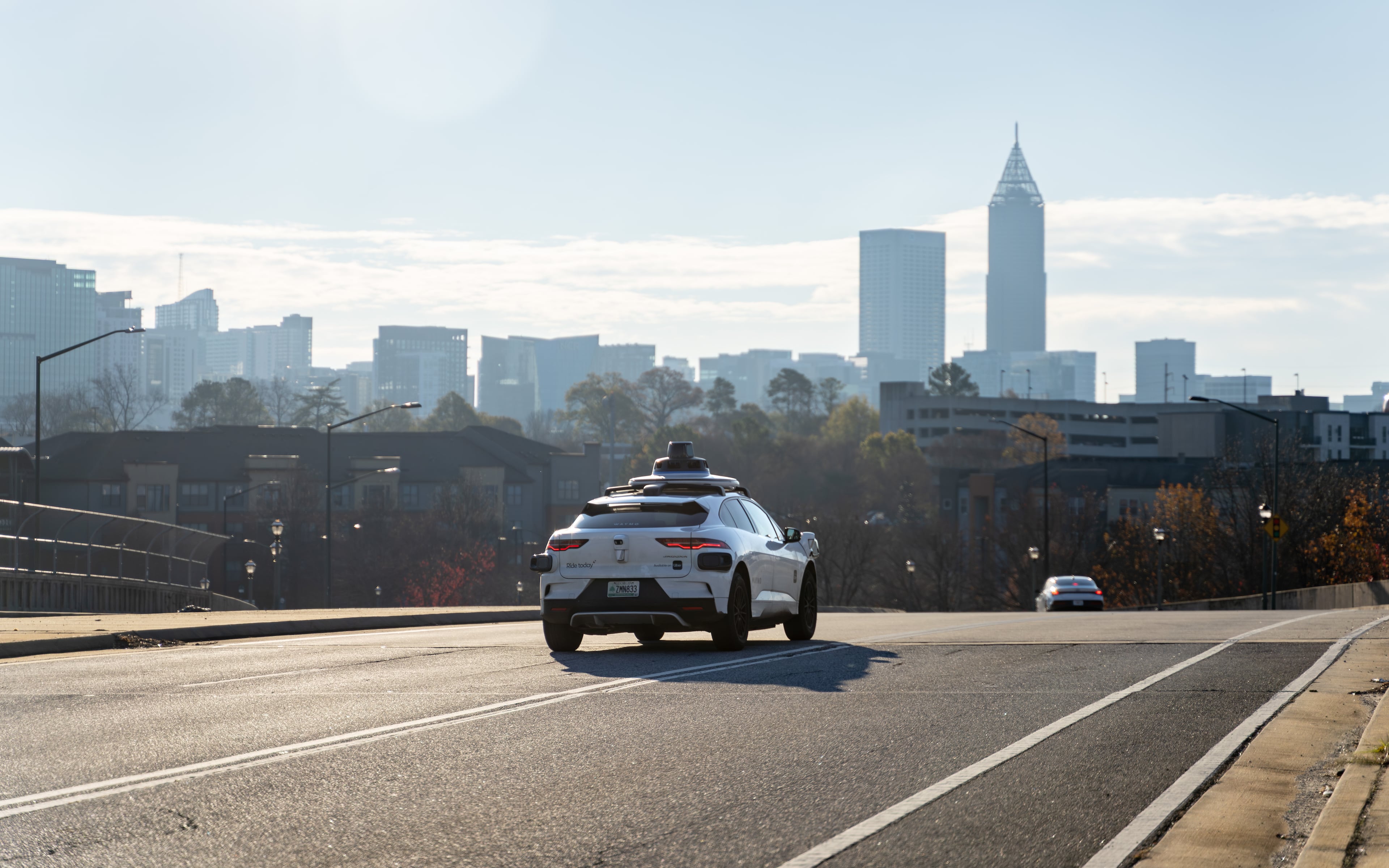
The company’s electric, autonomous vehicles launched in Atlanta last summer and are bookable through the Uber app.
Waymo is “using the learnings from this event to refine our extreme weather operations and enhance the Waymo Driver’s ability to detect and avoid flash flood conditions in the future,” the company said.
“Safety is Waymo’s top priority, both for our riders and everyone we share the road with.”
— Staff writers Sara Gregory and Taylor Croft contributed reporting.