How Atlanta fits into hypersonic plane startup Hermeus’ future
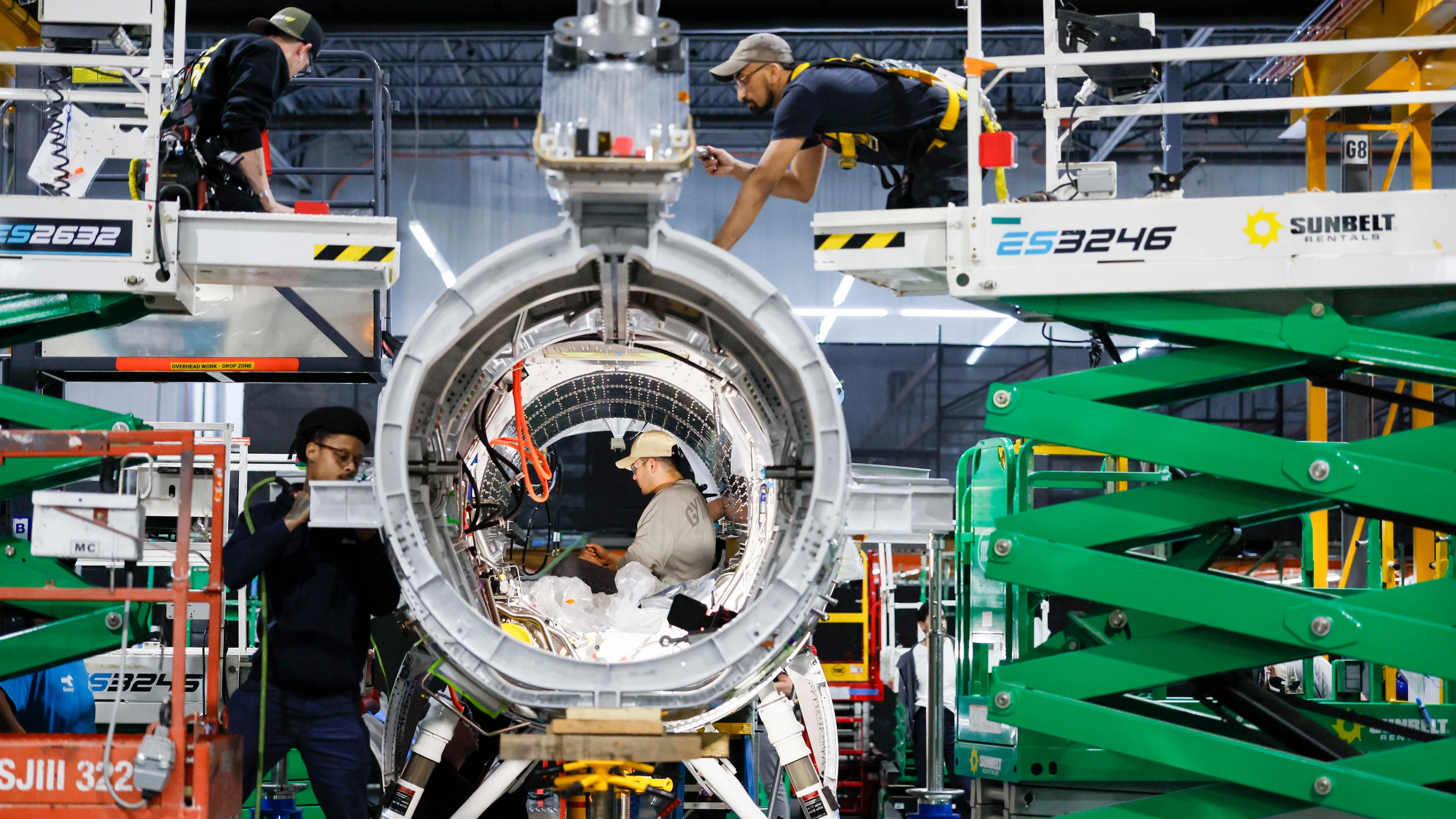

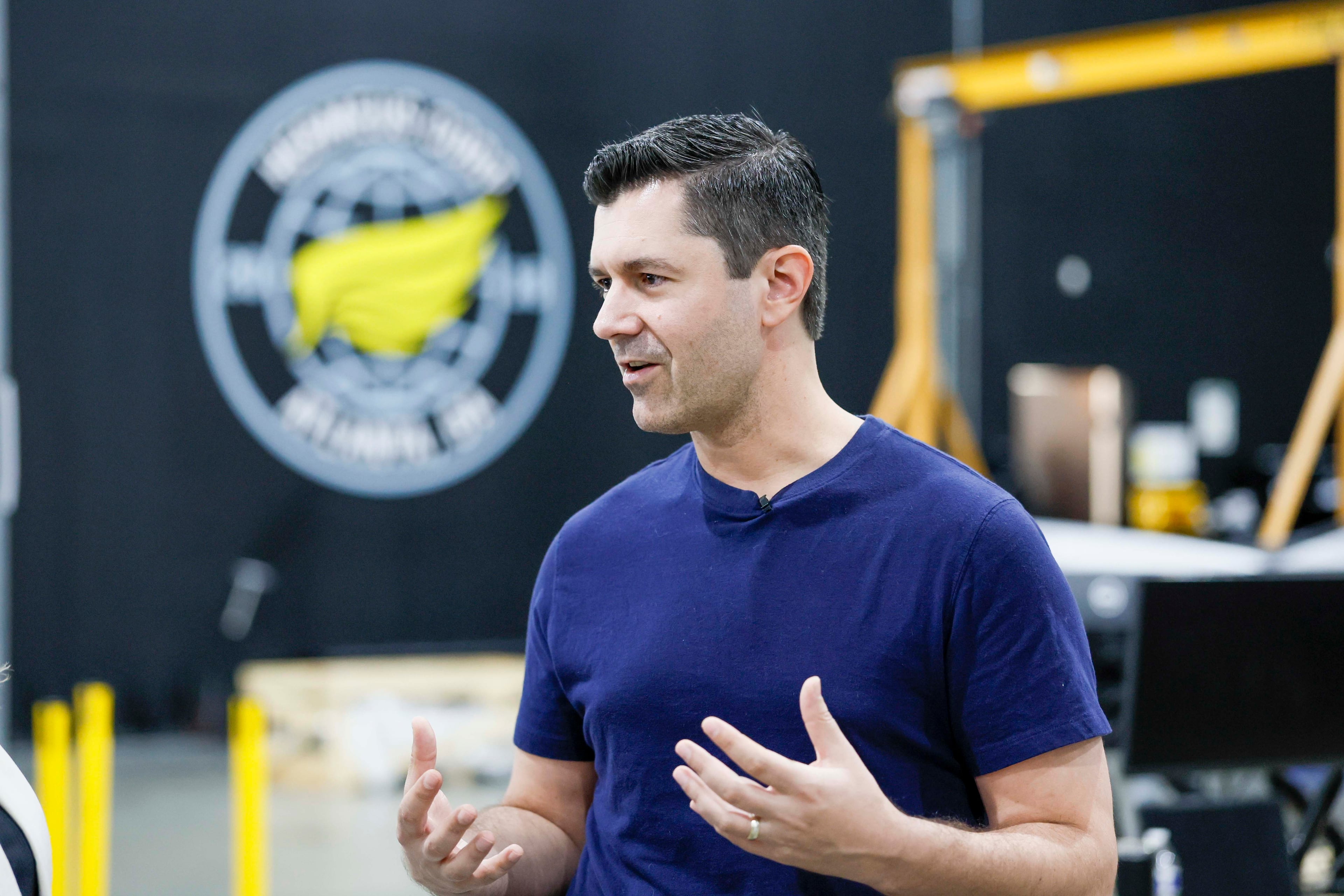
AJ Piplica started Hermeus in his Brookhaven basement with three other aerospace engineers in 2018.
Nearly eight years later, the hypersonic plane startup announced a fundraising round that brings its valuation to $1 billion — and said it will move its headquarters from Atlanta to the Los Angeles area.
But Piplica, who this month left the CEO seat and remains chairman, tells The Atlanta Journal-Constitution they wouldn’t be where they are without Atlanta.
He said the city will remain a key part of their planned growth and production of super fast aircraft. They now employ more than 160 people in Georgia.
For one, Hermeus employs a lot of Georgia Tech graduates, said Piplica, who is a double Yellow Jacket himself.
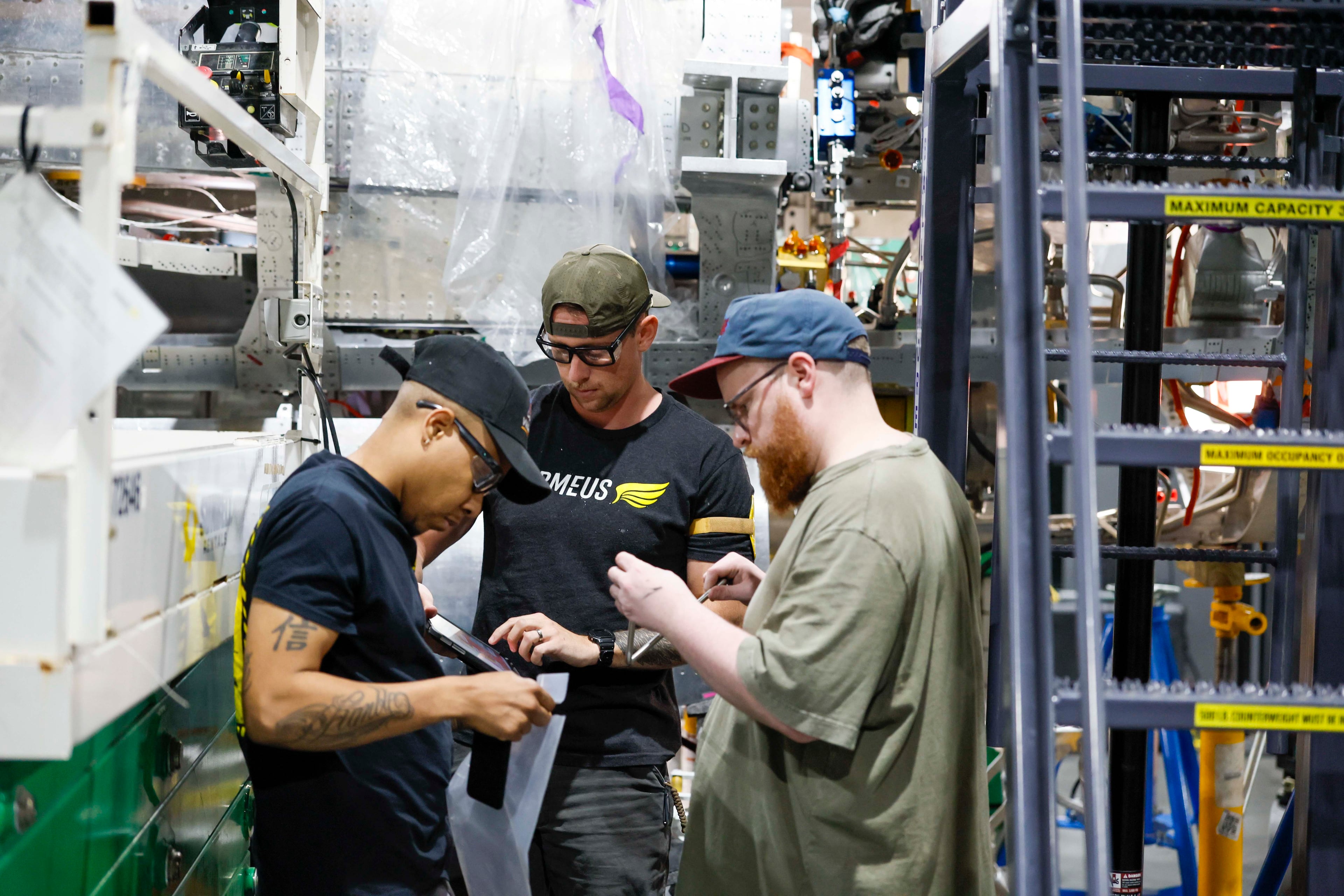
What’s more, the cost of building its early prototype planes and engines would have been prohibitive in a place like California, he argued. The company in 2021 moved into a 110,000-square-foot former fixtures warehouse in Doraville, known as “The Factory.”
“Putting together a facility like this at the stage of company that we were, with the amount of capital we had available to us, would have been impossible to do (in California),” he said.
“Our rent here is less than our taxes would have been out there.”
Only now “do we really feel comfortable making the investment that’s necessary to unlock the talent out there,” he said.
Cox Enterprises, which owns the AJC, is one of the startup’s many investors.
Hermeus plans to open a new 65,000 square foot headquarters in El Segundo, California, early next year.
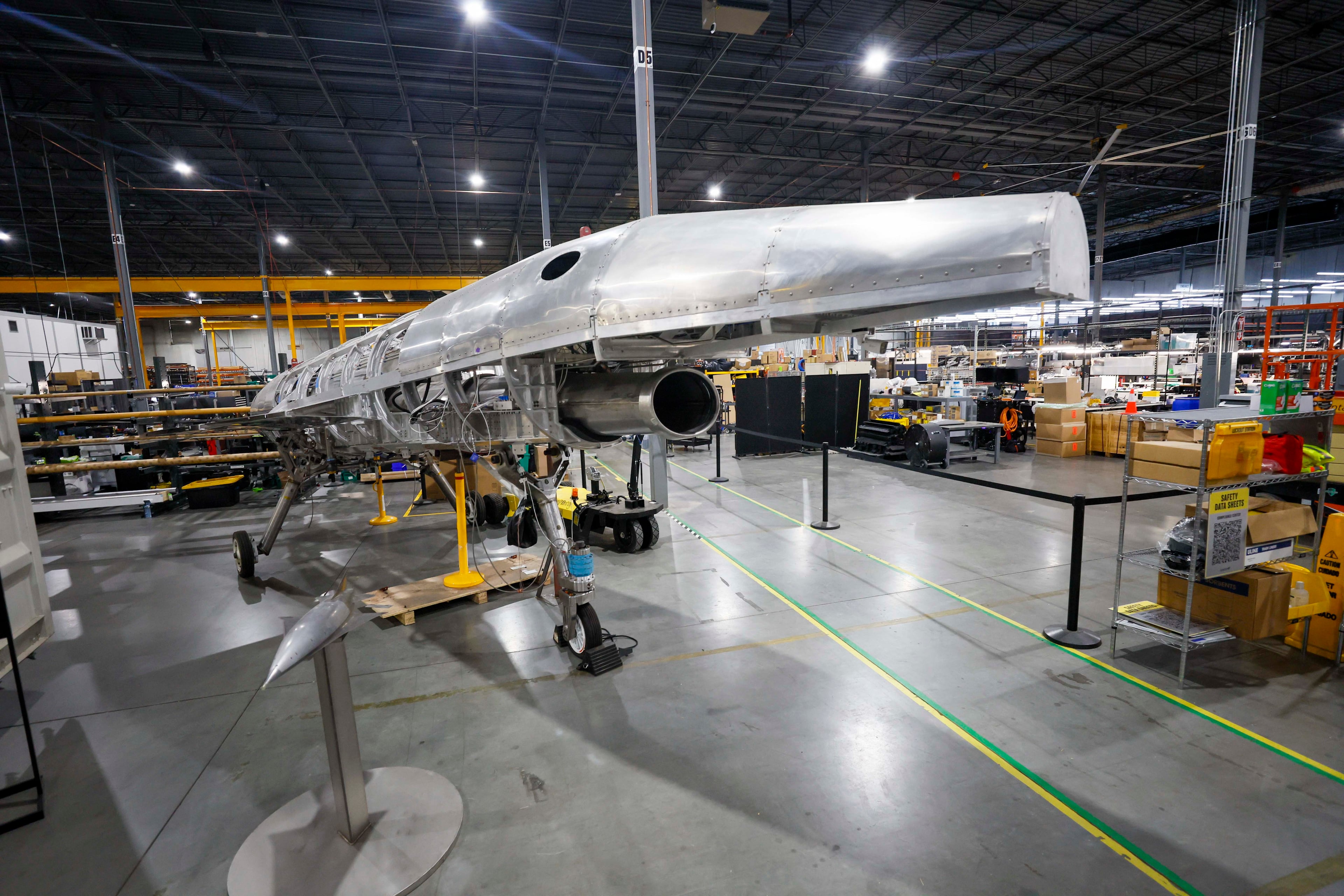
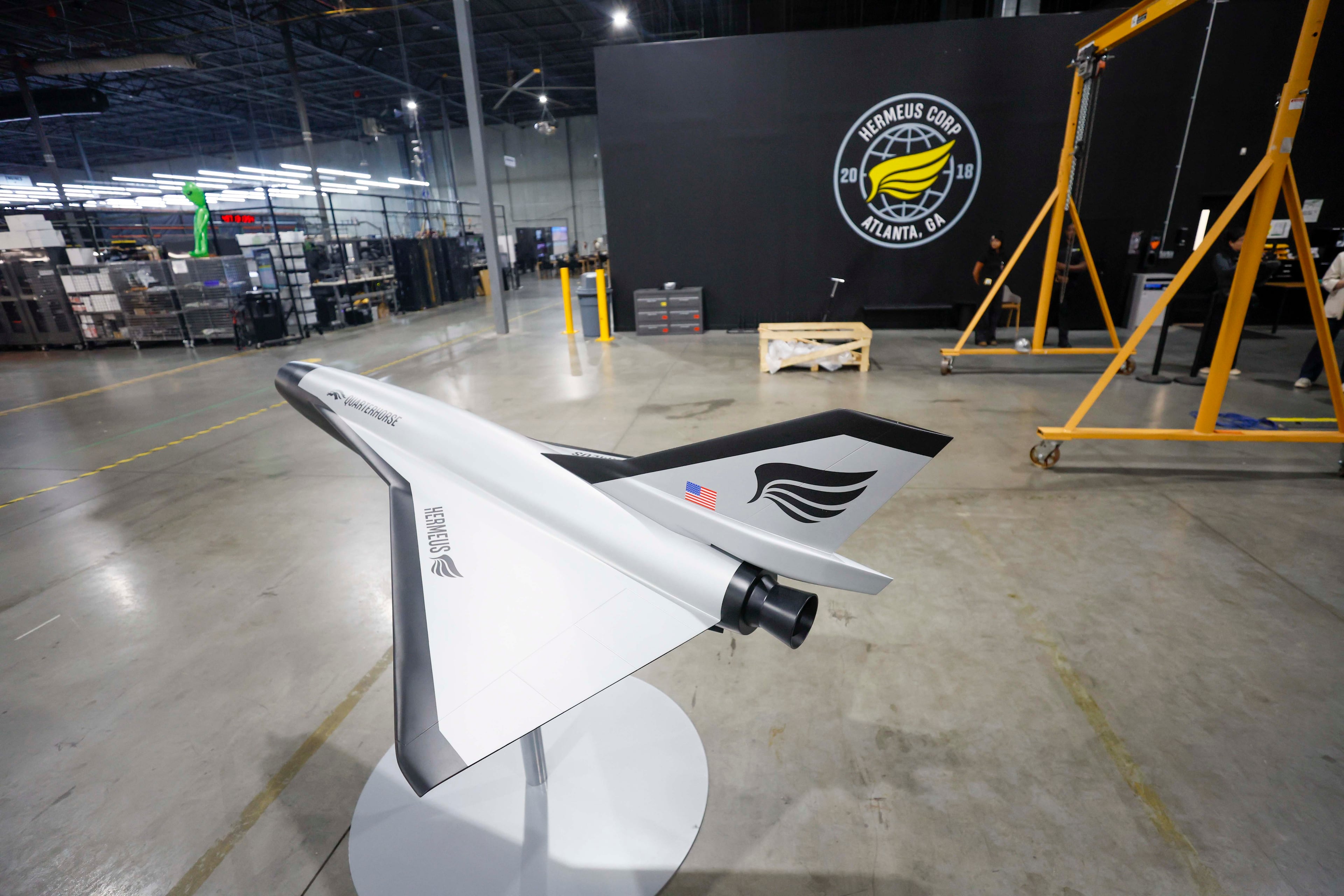
The company flew its second aircraft, Quarterhorse Mk 2.1, in New Mexico earlier this year and has scheduled that aircraft’s first supersonic test flight for this week.
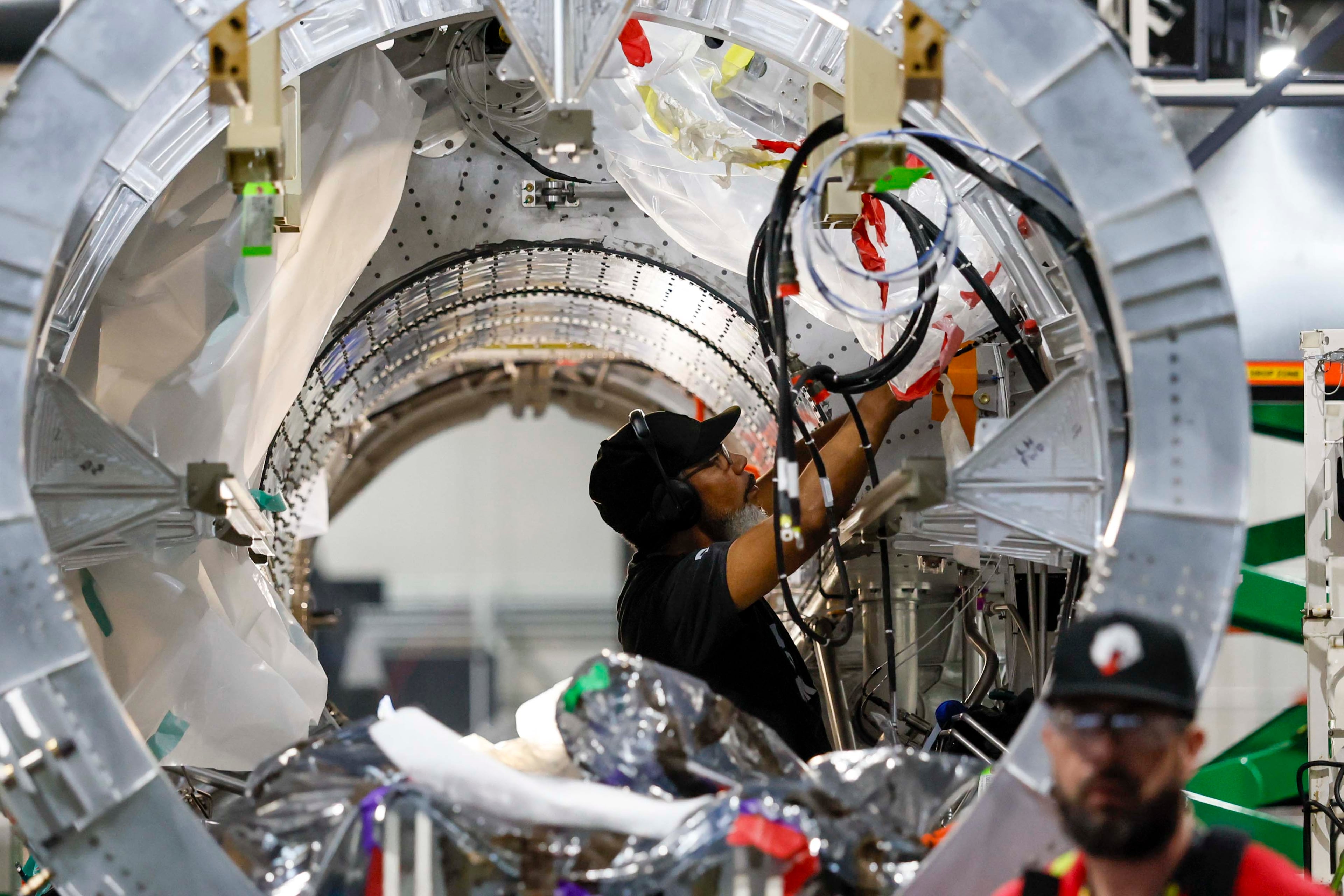
The next plane, Quarterhorse Mk 2.2, is being built in Atlanta now and is set to fly later this year.
The company hopes to bring the Quarterhorse into production in the coming years, he said. And a spokesperson confirmed they hope to test hypersonic flight after 2029.
Supersonic means up to five times faster than the speed of sound and hypersonic is even faster — more than five times the speed of sound.
“All the airplanes that we’ve built and flown so far have come out of (Atlanta), and we’ll continue to leverage this going forward,” Piplica said.
Playing hypersonic catch up
Hermeus is developing unmanned aircraft for the U.S. military and its allies.
Someday the company hopes to bring the technology to passenger travel and cargo transport too, he said.
“That’s kind of the holy grail of aviation, is having a strong government/military part of the business and a strong commercial part of the business,” Piplica said.
But first they have to prove the technology and their business model in defense applications, he said.
Hermeus has had contracts with the Department of Defense since 2020 when they successfully tested a hypersonic engine prototype.
The company’s contention has been that the U.S. has underinvested in hypersonic military technology in recent decades.
While the U.S. tested supersonic and hypersonic military aircraft in the early 2000s, it then spent more on “stealth” technology, which makes an aircraft hard to detect on radar.
But stealth’s advantages are waning as adversaries develop workarounds, Piplica said.
Hermeus plans to leverage “speed, altitude and maneuverability to give you the survivability that you need to keep yourself from getting shot down when you’re in highly contested environments.”
The U.S. is behind the rest of the world in hypersonic and supersonic aviation, he said.
“For a long time (China was) flying 10x as much as we are, which means they were learning 10x as much as we were, improving 10x more quickly.”
A rocket approach to airplanes
In order to catch up — and produce an aircraft that isn’t too expensive to be useful at a broad military scale — Hermeus needed to “iterate” quickly, he said.
That meant faster development timelines of more prototypes with shorter steps between them.
“That allows you to get to these outcomes where you’re creating something new, pushing the boundaries of altitude, speed, survivability, responses, whatever it is, on the shortest timeline possible,” he said.
Another factor allowing Hermeus to push the technological boundaries is their decision to fly unmanned aircraft, without any threat to human pilots.
Fielding the engineering talent they would need to do this was a conundrum, however, since the U.S. doesn’t have an ample pool of engineers with supersonic or hypersonic aircraft experience.
Hermeus ultimately chose to recruit from the space industry, rather than the aircraft industry, because it has had this kind of “iterative” approach to fast technological development.
By contrast, newer U.S. military aircraft like the F-22 and the F-35, he said, took decades and tens of billions of dollars to produce. Hermeus intends to build planes far faster and cheaper than that.
It only takes a few months to teach airplanes to space industry veterans, he said, while teaching a new “culture” of development could take years.
Looking for that talent prompted them to open a location in California four years ago.
In fact, Hermeus chose a location right next to SpaceX’s Hawthorne campus to make it the “easiest recruiting pitch ever,” he said. “Come work on really fast airplanes, don’t change your commutes and don’t work for Elon.”
Hermeus decided to move the headquarters to California this year, he said, with the recognition that more of this R&D talent would be needed to “keep this iterative development road map going,” he said.
“Our ability to do that in Los Angeles was much better than it is here for that specific part of the business.”
It has been tough to convince especially later career talent to move east, he said.
Atlanta will remain the production hub for aircraft parts, subsystems and some structural components, he said, but final integration of prototypes will shift to California.
The future
While Hermeus is on the precipice of flying its first supersonic aircraft, it has even faster plans for the years ahead.
Soon they will put their own “unique engine” into their airframe to allow them to fly even faster — up to “Mach 3” or three times the speed of sound, which is known as “Mach 1.”
“Once we’ve done that, now all the pieces are there to get something all the way up to Mach 5 the next year or two after that,” he said, which is the hypersonic threshold.
When Hermeus puts its Quarterhorse aircraft into production for the military and U.S. allies, it will continue to need Georgia’s core aerospace production talent base to do that, he said.
With Lockheed Martin and Gulfstream around, Georgia is “well suited to production operations,” he said.
Piplica argued that the state might have a better space industry talent base if a past spaceport effort in Camden County had succeeded years ago.
That county’s proposal, which would have launched rockets over Cumberland Island National Seashore and private homes, failed after millions of dollars of county economic development efforts.
“I think there will be future opportunities to bring that type of talent to the state,” Piplica said.
“And if we want that to be here, then we have to make sure that whatever that may be, maybe rockets, maybe airplanes, maybe something else … when those opportunities come around, we take them,” he said.
For now, Hermeus isn’t “leaving” Atlanta, he said. “We’re growing, that’s all.”
In fact, he said, “We’re building more of the same thing … and that’s going to require probably an even bigger workforce than we have now.”