Probe didn't discover why truck hauling explosives caught fire
When a tractor-trailer transporting explosives caught fire near Crawfordville, Georgia, the trailer was scorched and tires burned off. But somehow the explosives, shipped for the U.S. Department of Defense, didn't detonate.
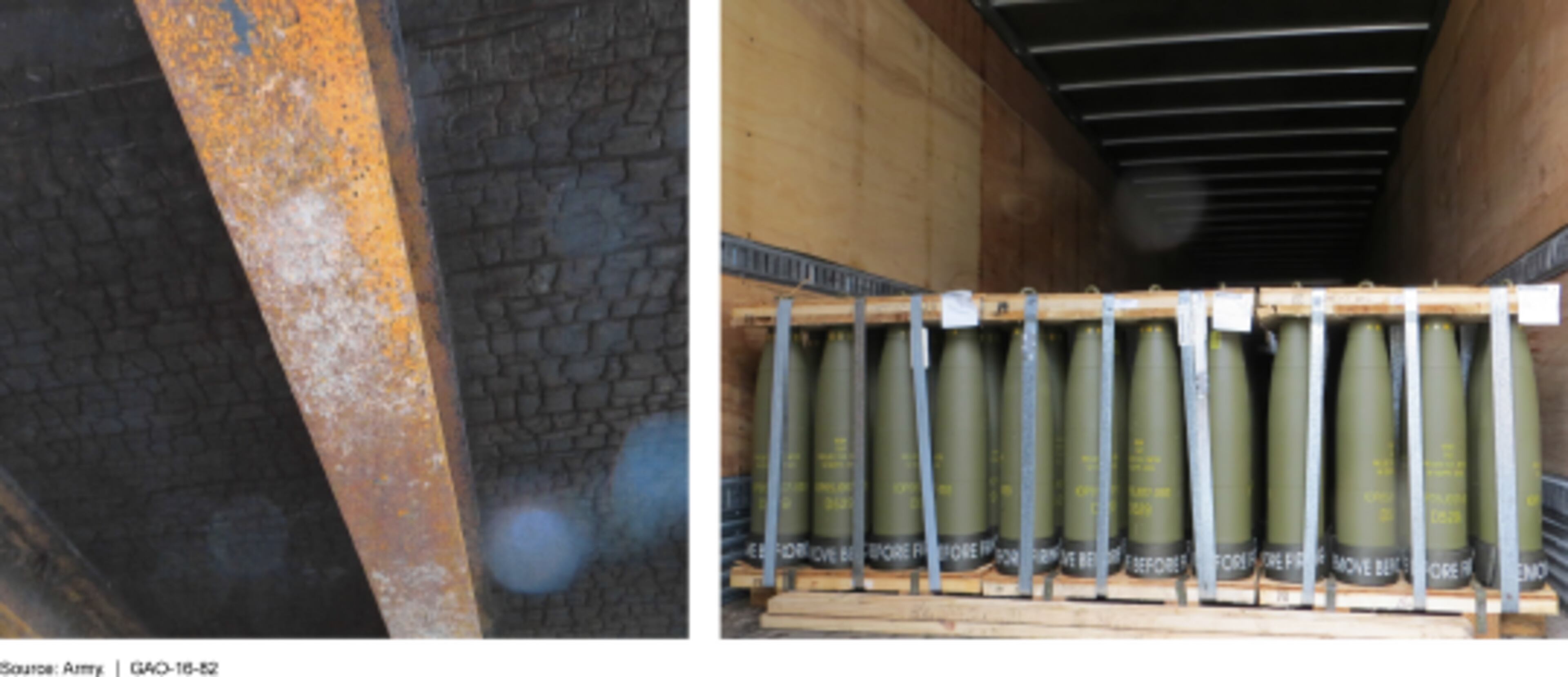
But the Defense Department has never determined the root cause of that September 2014 fire. And the department's contractor that investigated the fire early this year also didn't find out whether the fire damaged the explosives.
In too many other incidents involving commercial motor carriers transporting "security sensitive materials" like Stinger missiles, shoulder-launched rockets and grenades for the Department of Defense, there has been no full investigation of causes and trends, says a new report from the Government Accountability Office. Without that, the GAO says the DOD doesn't have reliable information to evaluate the safety performance of the private-sector trucking companies that handle nearly 50,000 shipments of ammunition and explosives each year.
That could pose a "significant threat" to transportation workers, emergency responders and the public, GAO is telling Congress.
Among the concerns:
- 7 of the 55 carriers DOD contracted with did not have a safety rating and 12 of the 55 had ratings that were 20 or more years old.
- Truck inspections are inadequate, resulting in mechanical breakdowns that last for hours, increasing exposure of sensitive materials to the public. In one case, a truck carrying 17,280 hand grenades stopped to repair equipment that a DOD officer knew was not working before the driver left the loading dock.
- DOD is not investigating near miss incidents to identify root causes and take steps to prevent future problems. For example, in September 2014, a shipment of small arms was left unattended at a commercial truck stop during a DOD in-transit inspection. The incident report did not say why.
GAO concludes by saying that the probability of a major mishap involving a shipment of security-sensitive materials is unknown. "However, the effects could be devastating....," its report says. "Moreover, these shipments are at a heightened risk of theft or compromise of sensitive national security information," the agency wrote.
In response to the report and GAO recommendations, the defense department didn't agree that it needed to clarify how to address carriers with absent or dated safety ratings and poor safety measurement system scores. DOD said that the 7 carriers GAO identified without safety ratings are not allowed to move ammunition and explosives, and that it uses a contractor to regularly evaluate the safety performance of carriers and drivers.
But it agreed that it department-wide guidance should be developed to identify trends and patterns that could suggest systemic weaknesses such as mechanical breakdowns or unusual delays.