1992 cold-case murder of UGA undergrad subject of unorthodox book

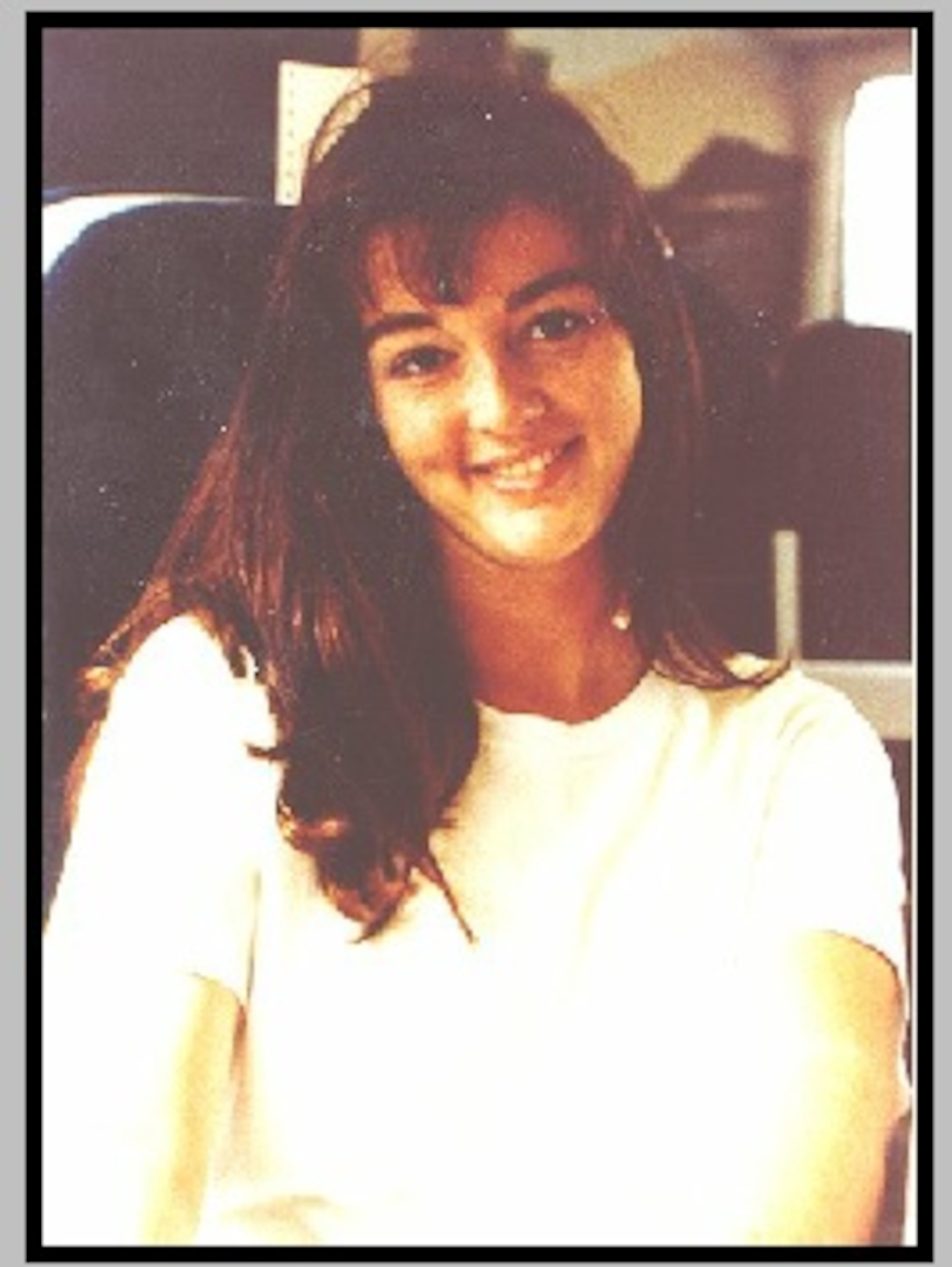
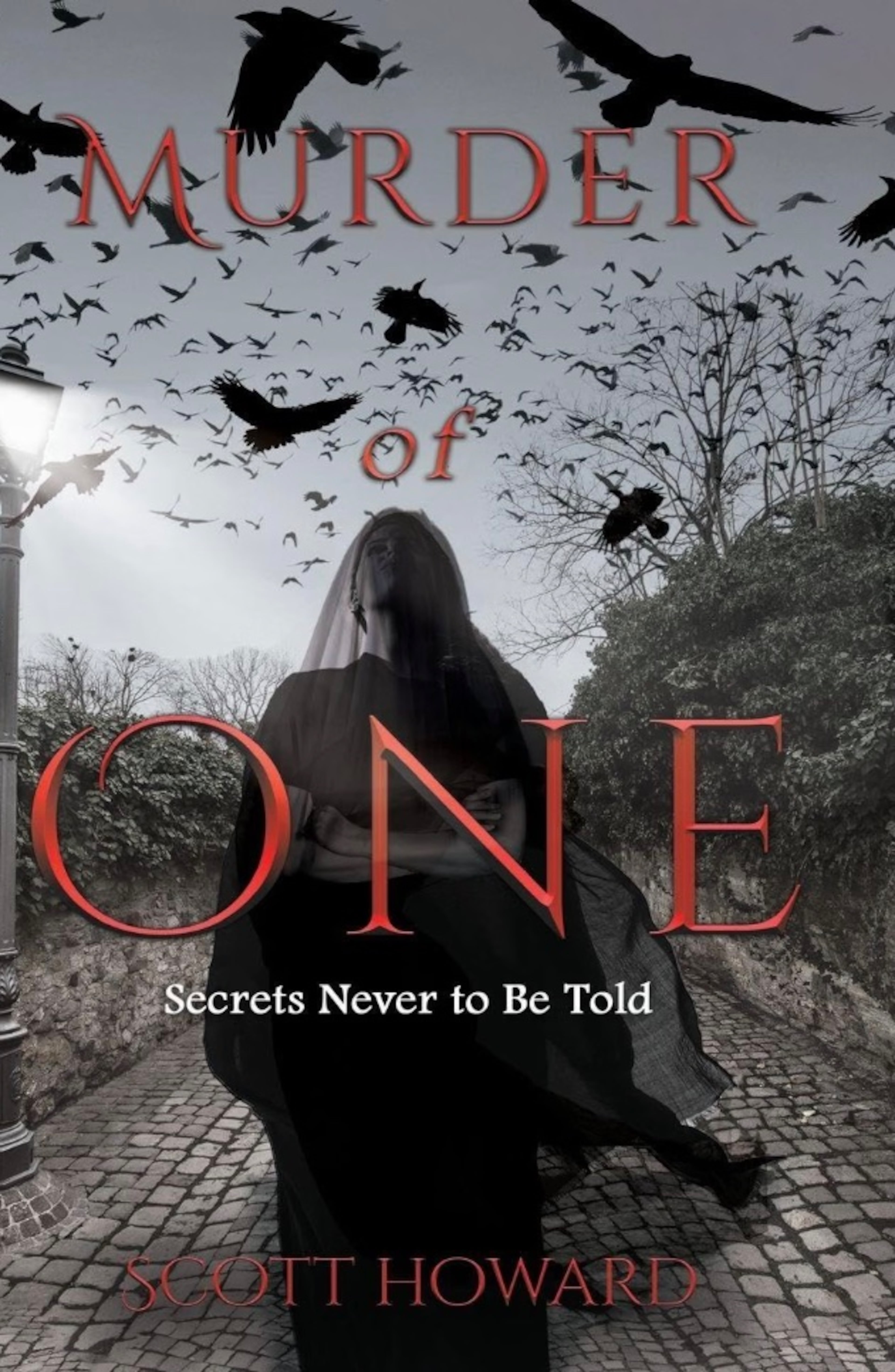
The 1992 unsolved murder of UGA senior Jennifer Stone, an Alpharetta native who was strangled in her Athens carriage house, is the subject of “Murder of One” ($29.99), an intriguing new, self-published book by Scott Howard coming out Nov. 30.
How Howard came to write the book is an equally intriguing story. The Alpharetta native is a trained chef who moved to Athens in 2001 to help open a new country club. His loft window overlooked Stone’s carriage house on Hull Street. Chatting with a fellow patron at a bar one day, Howard learned the sordid history of the structure.
Hearing the name of the victim, he was shocked to realize he knew her. They attended Milton High School together. Stone was friends with Howard’s girlfriend at the time, and they often socialized together.

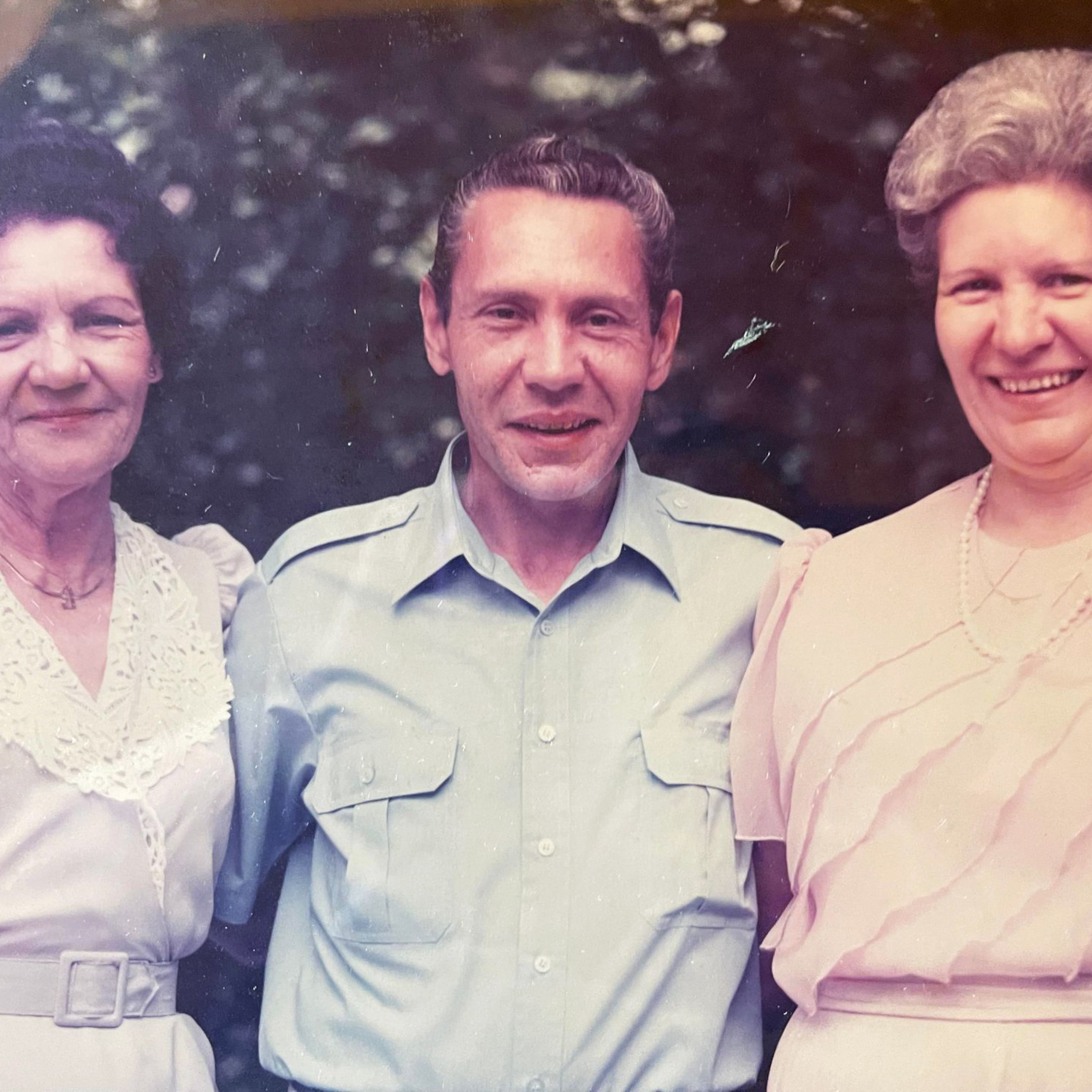
One day Howard saw a letter to the editor in the local newspaper written by UGA physics professor Winfield Abbe that criticized local authorities for their handling of the case and other unsolved murders at the time. Howard contacted Abbe and they struck up a friendship over a shared interest in the Stone case.
According to Howard, Abbe spent years investigating the murder. He believed it was the result of a burglary gone wrong and the reason it wasn’t solved is because authorities were covering up the possible involvement of a politically connected suspect.
In the mid-2000s, Howard began his own research but set it aside until he was forced to retire following a cancer diagnosis in 2017.
“As I was going through treatments, I had a lot of free time sitting in a chair, so I found a way to utilize my time,” he said. “I never intended to be a writer. … Sometimes fate has mysterious ways of doing things.”
Originally, he planned to write a blog, but that idea soon morphed into a book.
When Abbe died in 2021, he left Howard a stack of journals filled with his notes on the case, including his detailed account of what he thought happened and who he thought was responsible — a crew of known drug dealers based in Elberton.
With the aid of a private investigator who helped conduct more than 100 interviews with subjects, including former drug enforcement officers and prison inmates, Howard came to believe Abbe’s theory was plausible.
Using AI to help organize his research, Howard said he wrote the book and revised it with considerable input from his wife, Suzanne Howard, assistant principal at Madison County High School and a former middle school English teacher.
“I have to give a lot of credit to my wife,” said Howard. “She’s very tough, she’s very demanding.”
The book takes an unorthodox approach. Based on Howard’s research, the first section is a fictionalized account of Stone’s life in her final years all the way to its tragic end.

Capturing the spirit of Athens in the early ‘90s, Howard paints a captivating portrait of a troubled young woman living a double life. Family pressure dictated she embrace sorority life, get married after graduation and settle down in the suburbs.
But according to Howard’s portrayal, Stone had grown enthralled with a bohemian lifestyle, living in an urban setting and pursuing her love of photography. She didn’t want to give it up after graduation. She also had developed a drug habit that threatened to consume her.
The second section is a first-person nonfiction account of the murder investigation, which has more tentacles than a consortium of octopuses. It lays out a theory for an alleged cover-up, but don’t expect the suspected killer or accomplices to be identified ― names were changed since charges were never filed.
Initially it is unclear that this section is told from Abbe’s perspective, not the author’s, as readers might presume.
Drawn primarily from the professor’s journals, the section refers to evidence Abbe claimed to have and planned to turn over to authorities once his account was published. What became of that evidence remains unclear, which leaves the reader hanging.
Attempts to interest traditional publishers in Howard’s manuscript proved fruitless, so he went the self-publishing route using Alpharetta-based BookLogix.
“I just felt like I needed to tell the story,” he said.
As is often the case with self-published books, “Murder of One” would have benefited from a seasoned book editor.
But the vivid portrayal of Stone and ’90s-era Athens that Howard has created, combined with details of the unsolved murder investigation, continue to haunt me, making this book worthy of note.
Suzanne Van Atten is a columnist for The Atlanta Journal-Constitution. She may be reached at Suzanne.VanAtten@ajc.com.