Love the romance book? There might be a movie for that, for better or worse


“Project Hail Mary.” “Hamnet.” “The Housemaid.” The film industry frequently mines the publishing industry for books to turn into films. It stands to reason that if a book generates a lot of sales, the movie will, too.
And yet, it’s a common refrain among consumers that books are better than the movies they’re based on. The reasons are obvious. It takes longer to read a book than watch a movie, so you have more time to immerse yourself in the author’s made-up world. Plus, there’s more room for additional context and nuance.
But entertainment journalist Kristen Lopez disagrees with that adage.
“There is this presumption that the original of a thing is always the OG, it’s always the best, and I don’t necessarily think that’s true,” said the author of “But Have You Read the Book? Romance Edition” (Running Press, $20) for Atlanta-based Turner Classic Movies. “I think sometimes with different eyes, different POVs, different style or format, (movies) can be just different ways of getting to the same feeling.”
Lopez points to “The Sheik” as an example. The 1919 book by E.M. Hull and the 1921 silent film starring Rudolph Valentino is about an independent British woman who falls in love with the Arab sheik who kidnaps her.
“The original book was published in this time when we had very different thoughts about people in the Middle East and women who wore pants and were wanting to gallivant — and also what consent is,” said Lopez.
“The book is a story in the literary tradition of ‘rough wooing.’ Now, a modern audience reads that book and says, ‘This is assault,’ and it is. The movie does better than the book by taking out a lot of the cringey assault passages.”
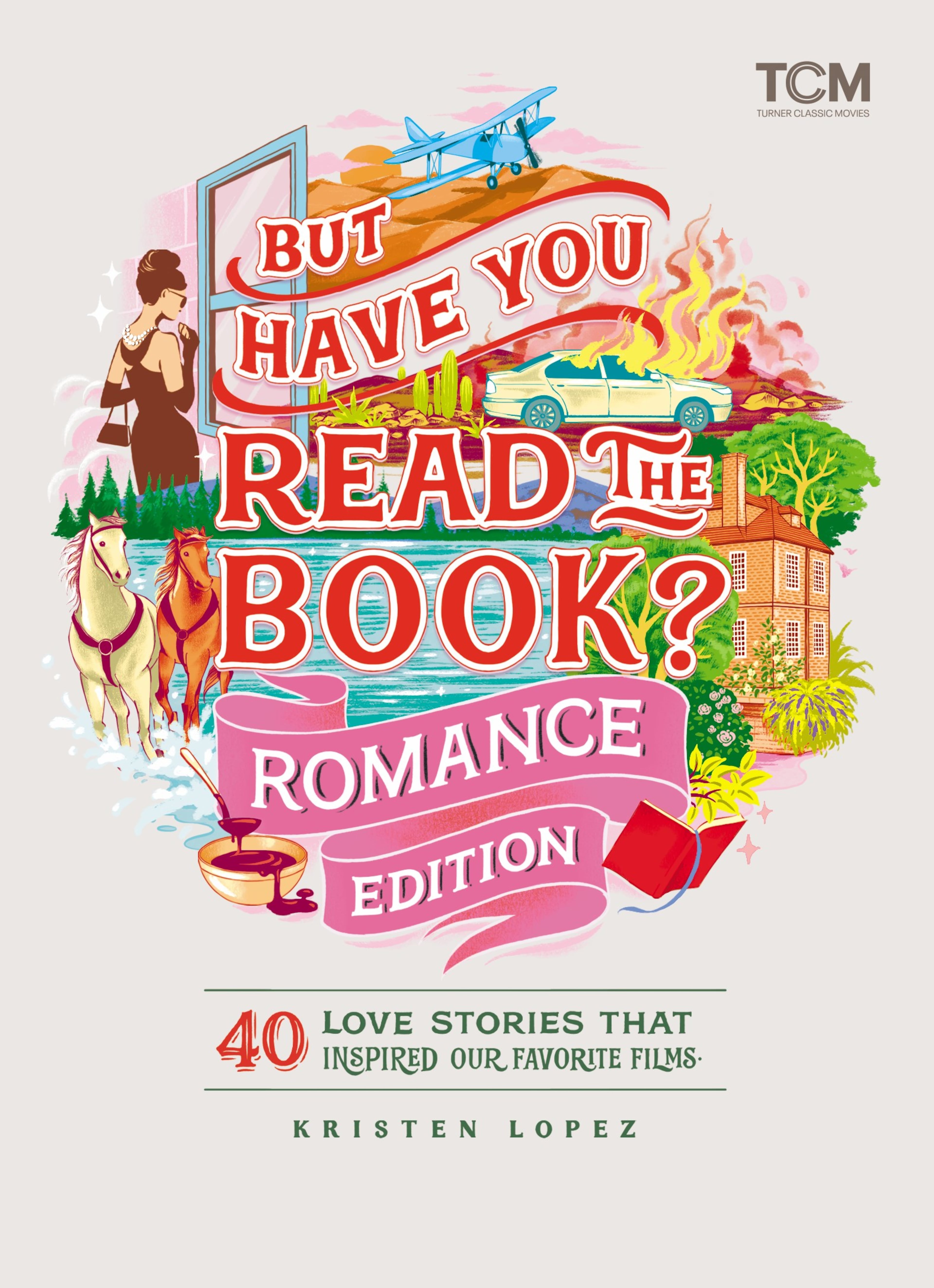
“The Sheik” is among the 40 books-turned-movies that Lopez highlights in her new book, a sequel on film adaptations that focuses on the romance genre. Selections span the decades and include “Pride and Prejudice,” “The Ghost and Mrs. Muir,” “The Graduate,” “How Stella Got Her Groove Back,” “Brokeback Mountain” and “Twilight.”
Naturally, “Gone With the Wind” — adapted in 1939 from Atlanta author Margaret Mitchell’s 1936 book — figures prominently. Lopez’s essay dwells on what was cut from the 1,000-page book for the four-hour movie — like how Scarlett’s father won Tara in a poker game and Rhett Butler’s blockade-running business.
“It’s fascinating how in the original book you get so much backstory about everybody, (like) Ashley being a Klan member and stuff like that,” said Lopez. “The way Scarlett is in the book, she’s far more selfish and cold-hearted and venal than the way Vivien Leigh portrays her … and Ashley kind of distances himself from the Southern politics to make it more palatable.”
Sometimes, said Lopez, a movie is far superior to the book. Case in point: “The Bishop’s Wife,” a 1928 satire with religious overtones by Robert Nathan and a 1947 film starring Cary Grant and Loretta Young about the loveless marriage between a bishop and his wife, and the hunky angel that threatens to come between them.
“The Robert Nathan novella is very formalist. It’s very cold. It’s very staid, which is odd if you’ve seen the movie with Cary Grant, which is this Christmas classic,” said Lopez. “It’s a very bizarre book.”
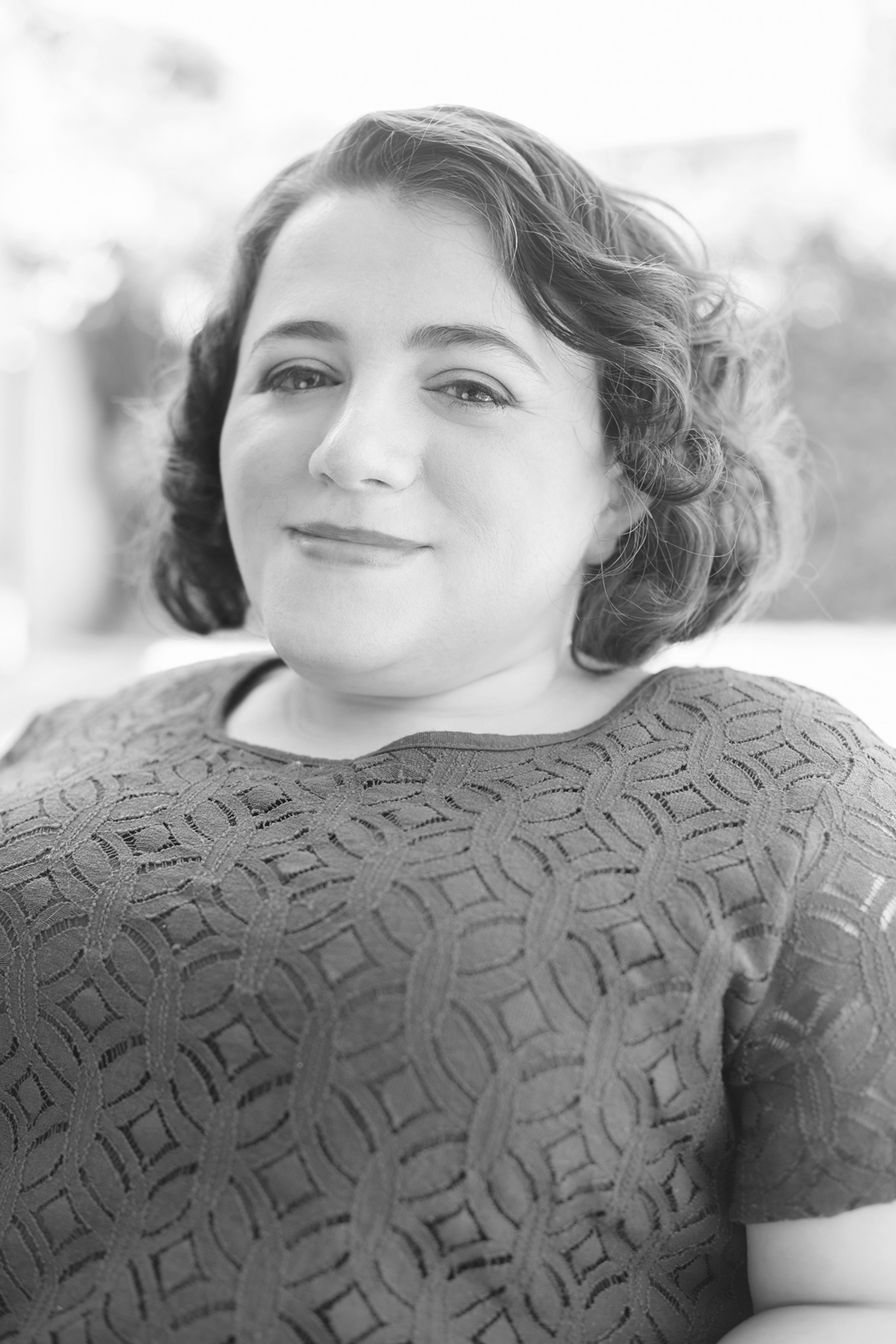
Another movie that’s superior to the book, said Lopez, is “The Bridges of Madison County,” by Robert James Waller. The story of two lonely strangers who share a brief, torrid affair was published in 1992 and adapted in 1995 by Clint Eastwood, who co-starred with Meryl Streep.
“It’s a better movie than the book if only because the novel’s language is very florid. It’s very purple prose. … There’s this love scene (in the book) that’s unintentionally hilarious,” said Lopez.
Asked if “But Have You Read the Book?” might be a continuing series applied to other genres, Lopez said that she hopes so.
“I love adaptations,” she said. “Any time they greenlight a movie that has a book, I will go read that book. ‘Heat 2’ is on my to-do list right now,” she said. Leonardo DiCaprio and Christian Bale recently have been tapped for the adaptation of the 2022 literary sequel to Michael Mann’s 1995 movie that starred Al Pacino and Robert De Niro.
“In this landscape where people are not reading enough, I want to be part of the solution, and I think adaptation is an easy way to get people reading,” said Lopez. “You know, if you loved the movie, here’s this book that gives you even more of this thing that you love.”
Suzanne Van Atten is a columnist for The Atlanta Journal-Constitution. She may be reached at Suzanne.VanAtten@ajc.com.