As top predators, sharks are vital to ocean health and don’t deserve bum rap
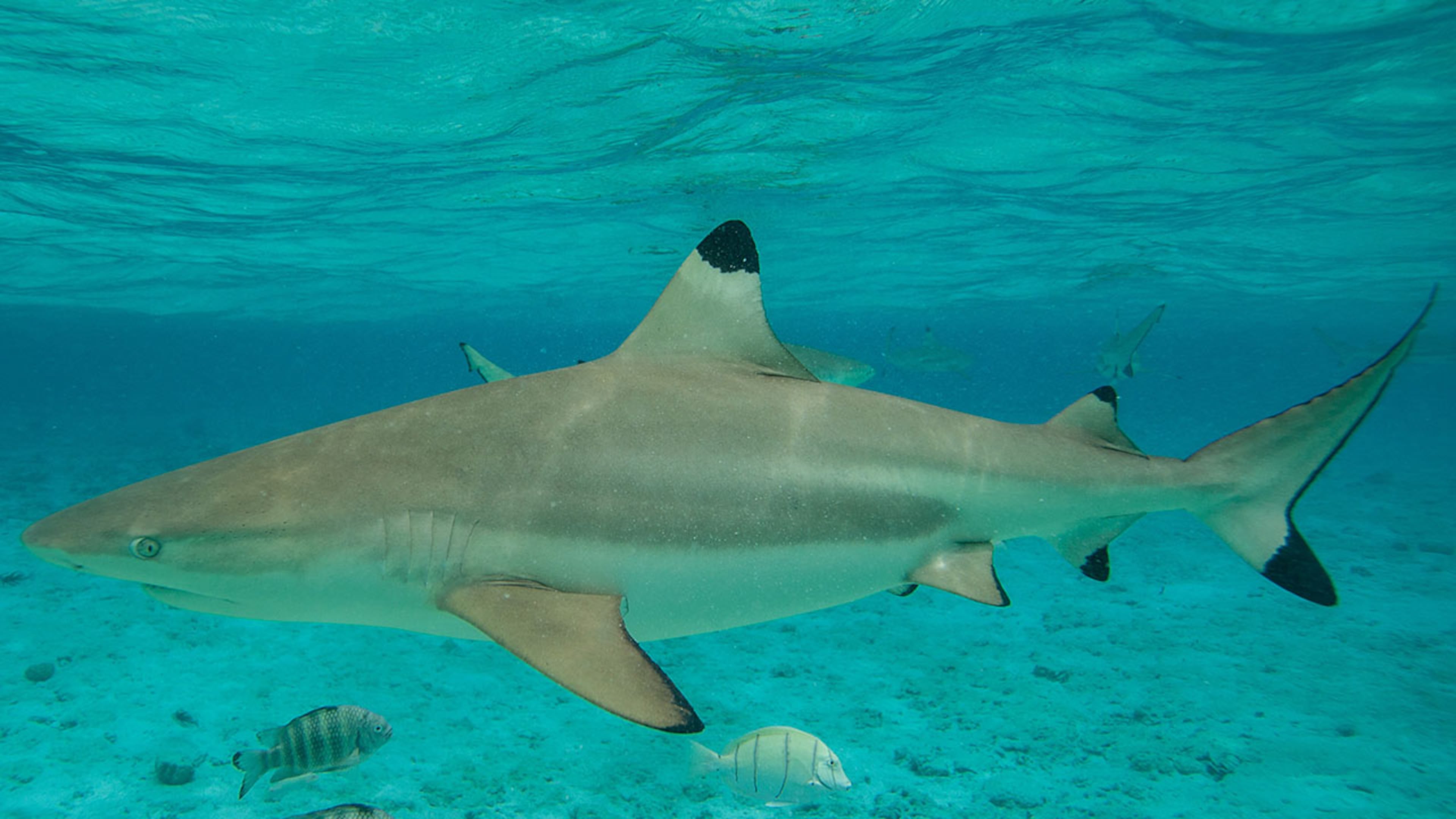
Nearly every day, it seems, the evening news has a report about sharks attacking humans or beaches closing due to shark sightings.
As of early July, there have been 30 reported shark bites worldwide in 2026 with seven of them fatal, according to the website Tracking Sharks. In the United States, seven serious shark encounters have been verified so far this year, with zero fatalities.
One of them occurred earlier this month near Ossabaw Island on Georgia’s coast, when a 13-year-old boy was severely bitten on his right thigh while trying to unhook a 6-foot shark that he and his father had caught. He was hospitalized in Savannah and is now recovering.
There’s little dispute that sharks can be a potential menace to humans swimming and fishing in coastal waters. Sharks, however, get a bum rap: The risk of a shark attack is very small. In the United States alone, deaths from insect stings far exceed shark bite incidents. On average, 72 Americans die each year from bee, hornet and wasp stings, according to the U.S. Centers for Disease Control and Prevention.
I have a great admiration for sharks because of their crucial roles in nature — far different from their common portrayal as bloodthirsty villains. Sharks’ ecological importance in the ocean can hardly be overstated. Without sharks, many marine ecosystems would be seriously impaired or even face collapse.
Sharks keep our oceans and coastal waters healthy. As top predators, they eat weak and sick prey and thus keep fish populations strong and disease-free. This natural population control prevents any one species from becoming too abundant and throwing an ecosystem out of whack.
Many sharks also are scavengers — by eating dead animals and debris, they help keep ocean waters clean and healthy.
More than 50 shark species occur in the waters off the East Coast, including Georgia’s coast. Annual surveys — in which sharks are caught, measured, tagged and then let go — by the Georgia Department of Natural Resources (DNR) show that 12-15 shark species live year-round in state waters, which extend from the seashore to three miles offshore and include coastal estuaries and sounds.
Many of the other shark species are migratory or deep-water denizens that rarely come close to shore, biologists say.
The four most common sharks caught in Georgia during DNR surveys include Atlantic sharpnose, blacknose, bonnethead and blacktip sharks. Other commonly recorded species in state waters include tiger, lemon, dusky, sandbar, bull, spinner, nurse and scalloped hammerhead sharks and the spiny dogfish.
Perhaps the most feared shark, the great white, occasionally appears in Georgia‘s waters. According to federal biologists, the three shark species most often involved in unprovoked attacks on humans are the great white, tiger and bull sharks. They’re called the “Big Three” because they’re large, have powerful bites and eat large prey.
Georgia’s coast has one other important shark connection: Its coastal estuaries, tidal rivers and salt marshes are vital nursery grounds for the young of at least 10 shark species. The coast’s warm, shallow and food-rich waters provide young sharks with abundant prey and protection from larger predators. Juvenile sharks may spend one to three years in the nursery areas before moving to deeper water.
But while sharks are top predators in the ocean, their biggest enemies live on land — humans. People catch tens of millions of sharks every year for their meat and fins. Untold numbers of others die from being trapped in fishing nets. Sharks grow slowly and have few babies, so their populations can’t recover quickly enough to survive intense fishing pressure.
To protect Georgia’s vulnerable shark species from overfishing, the state DNR enforces strict shark-fishing rules on what gear can be used, which species can be kept and how to handle the catch.
IN THE SKY: From David Dundee, retired Tellus Science Museum astronomer: The moon will be first quarter on Tuesday and full on July 29. Mercury and Jupiter can’t be easily seen right now. Venus is high in the west at sunset. Mars is low in the east before sunrise. Saturn rises in the east around midnight. The Southern Delta Aquariid meteor shower, visible this weekend in the southeast sky, will peak at 10-20 meteors per hour on the night of July 30 and into early morning of July 31.
Charles Seabrook can be reached at Charles.seabrook@yahoo.com.