5 can’t-miss highlights from Atlanta Film Festival’s 50th anniversary
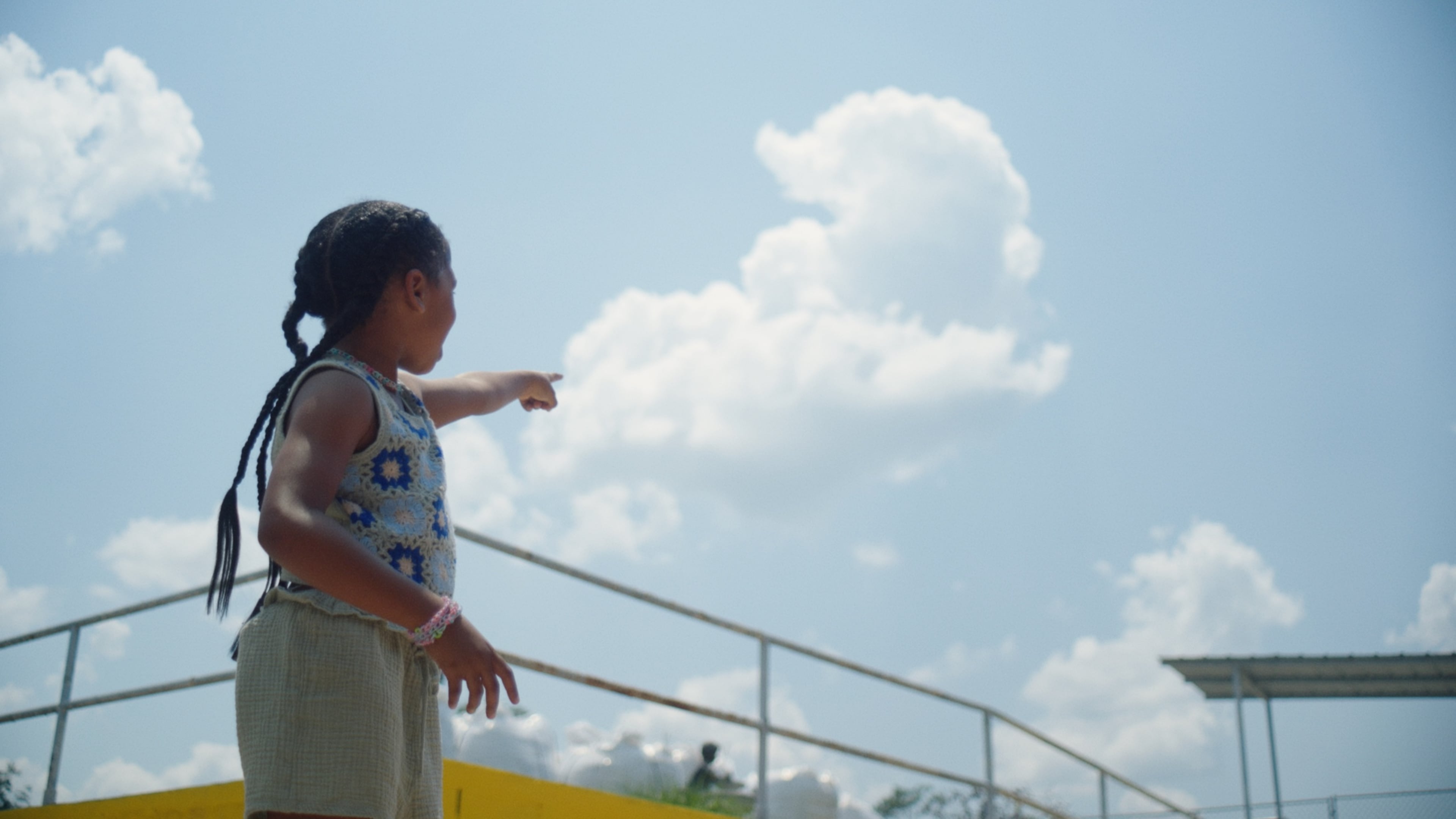
What started as a scrappy indie festival in 1976 has now progressed to an Oscar-qualifying, nationally known event.
And this year, the Atlanta Film Festival veers into middle age with 50 years under its belt. It’s a milestone the organizers are celebrating by inviting back some of the filmmakers who launched their careers at the Atlanta fest, including the directors of “The Signal,” “Great World of Sound,” “That Evening Sun,” “V/H/S,” “The Accountant” and the Oscar-winning documentary “Building Bombs.”
The festival is always best when it leans into the local, balancing early screenings of films such as the closing-night shot-in-Atlanta feature “I Love Boosters” that will eventually make it to theaters alongside films that have a local connection, such as the opening night feature “Idiots,” co-written by Atlanta’s Alex Orr and filmed in Georgia.
Some of the assembled films by Atlanta and Georgia filmmakers take chances with form, subject matter and genre, running the risk that they might not find an audience or distribution beyond the festival circuit. Those films include Atlanta filmmaker Costa Karalis’ utterly charming feature “Frogtown,” inspired by growing up in Tampa, Florida. It’s a feature that taps into the particular cadence and color of the South.

Atlanta Film Festival “has played a huge part in my life since moving to town,” Karalis said. “So many films I’ve been a part of have had screenings at the fest, and it’s always such a wonderful environment to share work at.” A film school grad who worked on the FX show “Atlanta,” Karalis is one of the legion of regional filmmakers who give the festival its soul.
Maybe it’s the imminent arrival of Mother’s Day. Or perhaps it’s just filmmakers deciding male-centric dramas do not a fully formed national cinema make, but a number of the festival’s 154 films offer a tip of the hat to one of the most invisible, underappreciated, beloved subsets of the human species. That is: mothers and their eccentricities and desires head-planting on society’s hard earth. From Joan Chen as a Chinese immigrant painfully assuming a traditional wifely role in the engrossing, heartfelt “Montreal, ma belle” to Mark Peterson’s short documentary “American Woman — A Love Letter,” about how Augusta artist John Glover uses his art to pay tribute to his mother, Eddie May Glover, this fest is for the mamas.
Here are five highlights:
‘Child of Dust’
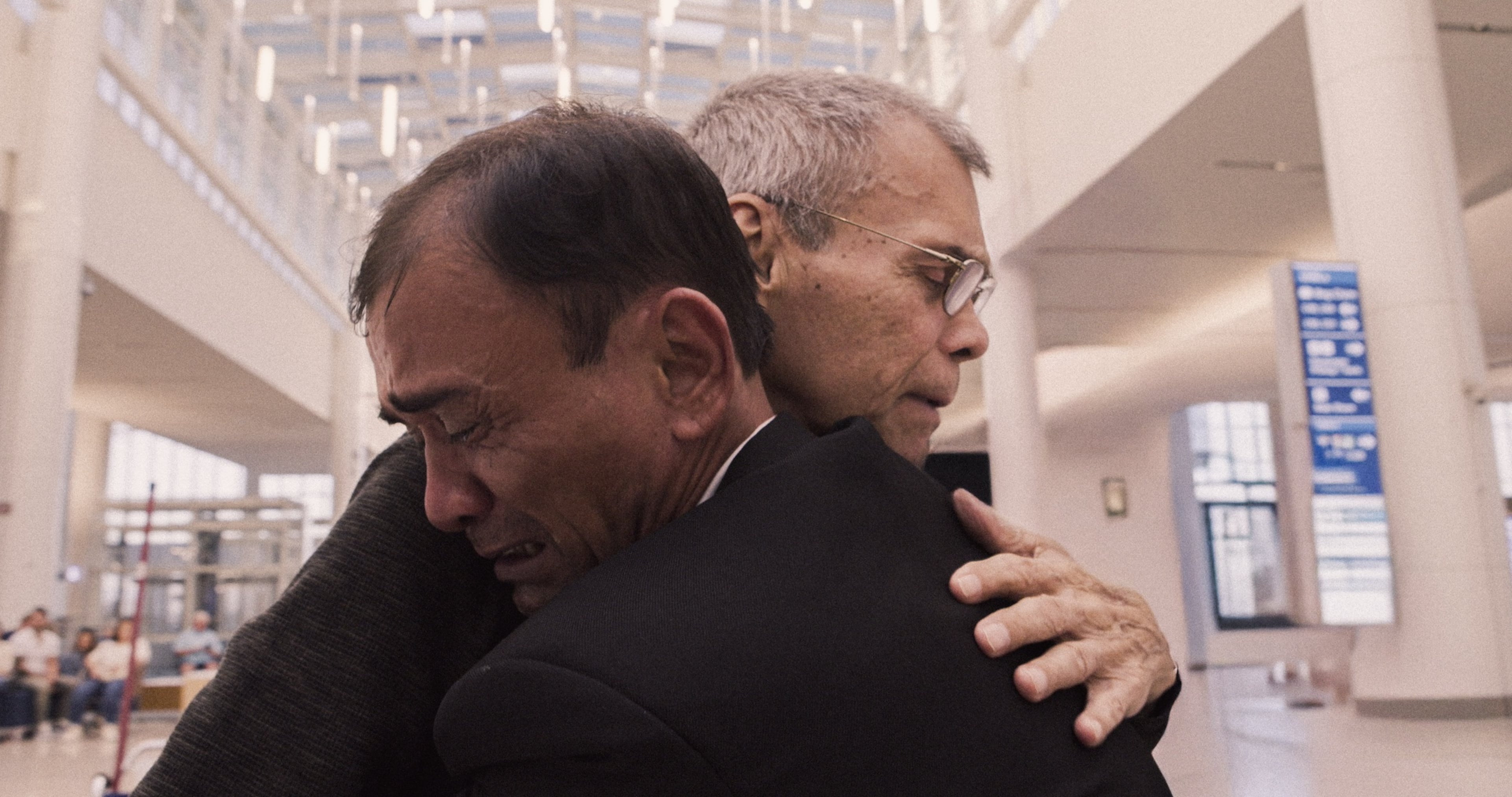
An absolutely gut-wrenching documentary, “Child of Dust” centers on a Vietnamese man, Sang Ngô Thanh, so desperate for a father he leaves his wife, daughter and grandson to travel to America to meet the soldier who fathered him during the Vietnam War (or American War, as it’s known there). “I have never belonged anywhere,” Sang laments of a Vietnam that has never fully accepted the children (“the dust that settled after the war”) of American servicemen. Through the introduction of DNA genetic testing, Amerasian children can now trace their birth parents back to America, though most are ultimately rejected by their birth fathers. Sang is perhaps luckier, arriving in America jubilant about meeting his receptive father, brothers and sister. But his elation crumbles when his new family puts him up for an extended stay in a motel, where he subsists on instant noodles, waiting for visits from his family.
In this portrait of the chronic loneliness of Americans cut off from each other and a landscape of physical and emotional detachment, Sang longs to return to Vietnam, but it may be too late. He is resilient and does what immigrants generations before him have done: gets to work, builds a life, finds value and meaning in the world around him. But there is a lingering ache, a loss, a sense of all he has left behind in a film that captures with excruciating clarity, the contradictions of immigration.
Helmed by Polish director Weronika Mliczewska, “Child of Dust” is a head-swimmingly international (Poland, Vietnam, Sweden, Czech Republic, Qatar) co-production that will haunt you for days to come.
‘Montréal, ma belle’
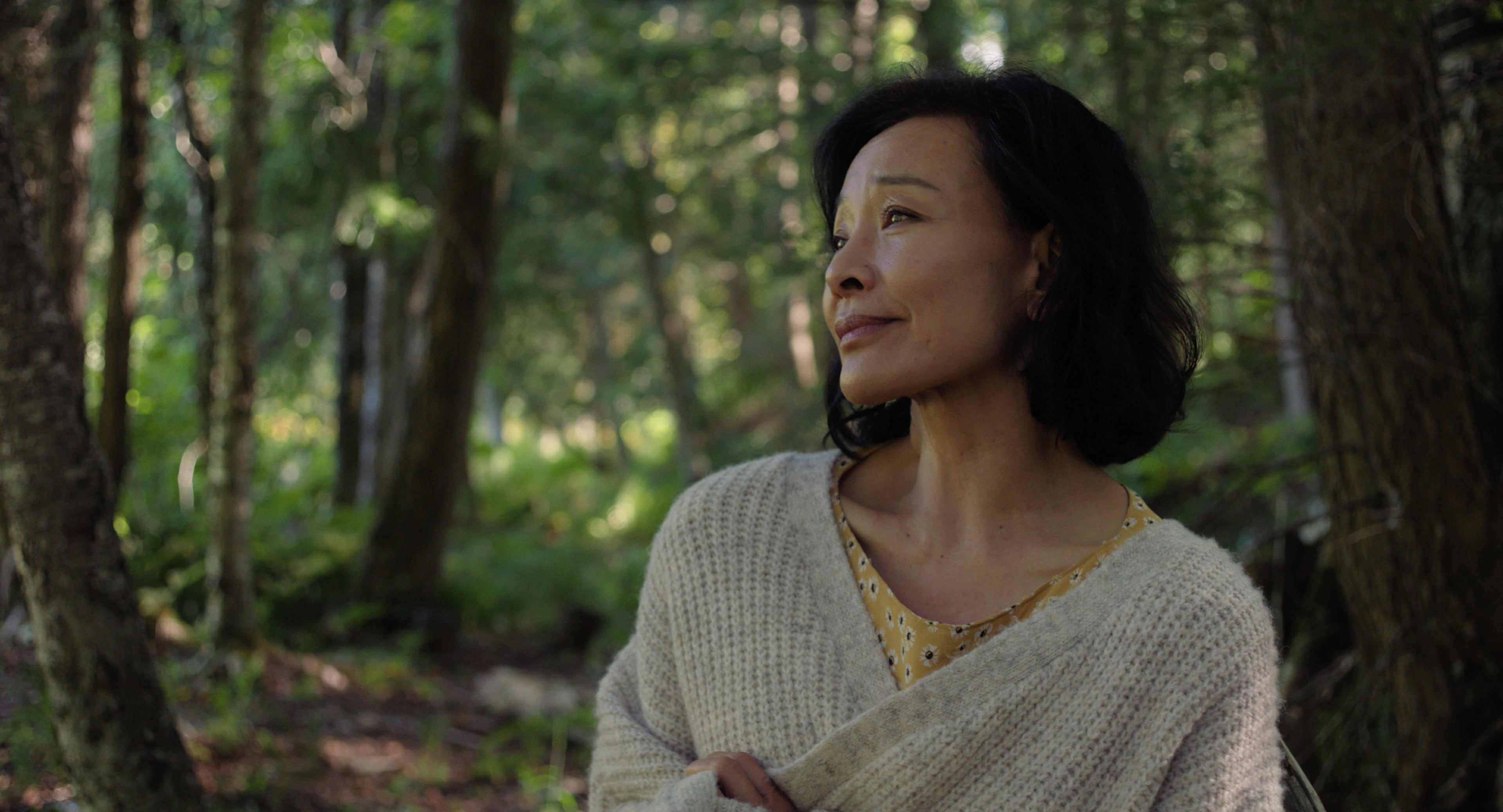
Joan Chen is transcendent as a 53-year-old Chinese immigrant wife and mother, Feng Xia, who seems to spend an inordinate amount of time preparing meals in her tiny Montreal kitchen. Though she is devoted to her two children and works alongside her kind but oblivious husband Jun (John Xu) at their convenience store, something is clearly missing. The diversity and possibility of Montreal in director Xiaodan He’s film is an enticement and promise of a more satisfying life at the margins of her own small and diminished one.
In a film that holds two realities in a way few seem to manage, Feng Xia is a devoted mother who has tamped down the most essential part of herself that she discovers on a gay dating site. Nothing is expected in this film about coming of age in midlife that, like “Child of Dust,” is a far more complex and layered immigrant story than the ones we may be used to.
‘Baristas vs. Billionaires’
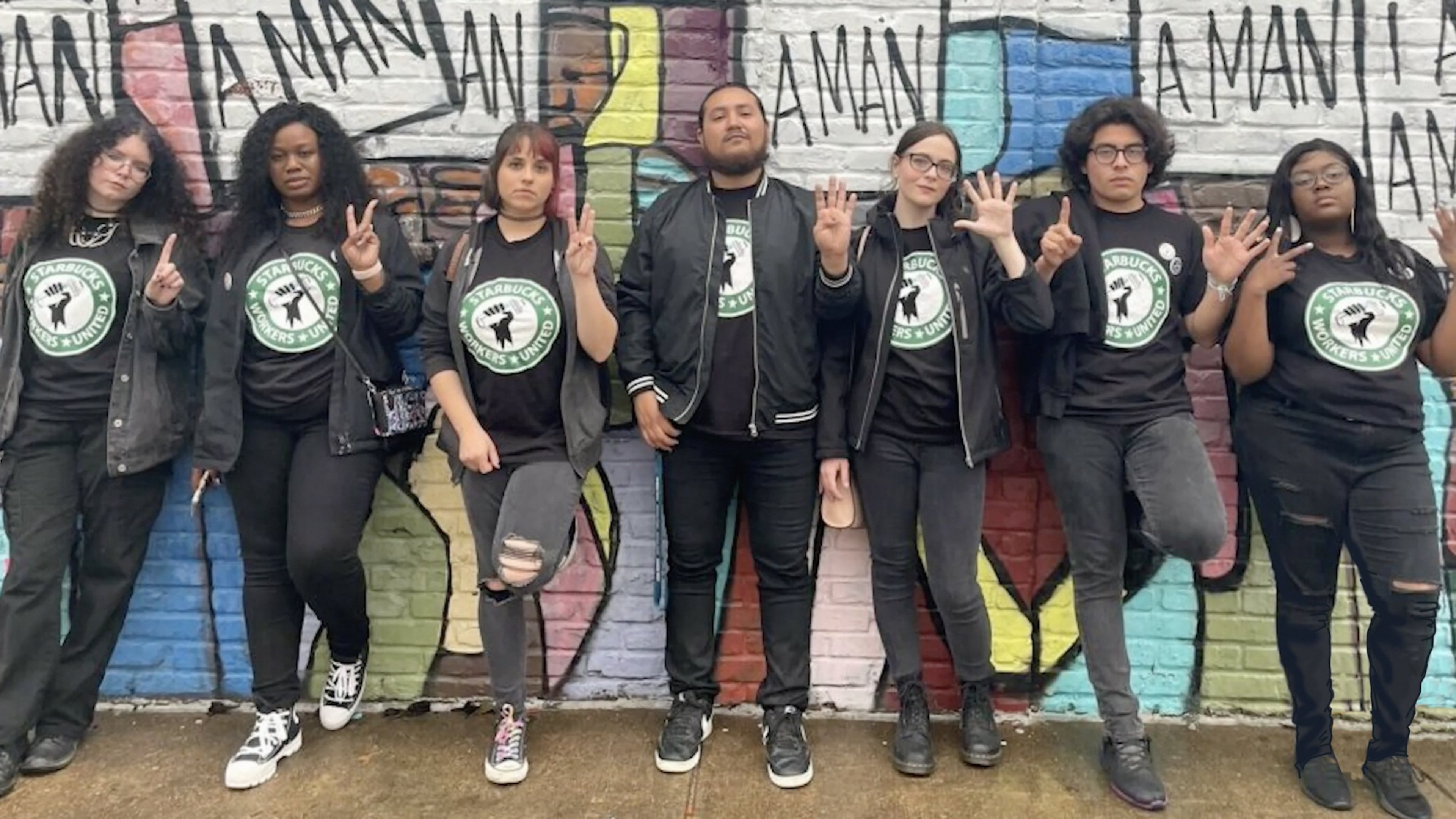
If the inflated price tag of your Grande latte doesn’t dissuade you from stopping in at Starbucks, director Mark Mori’s lacerating documentary “Baristas vs Billionaires” might. With the average worker pulling in about $14,000 a year and its former CEO, Howard Schultz, making $95 million, Starbucks has become a poster child for wage inequity and the inflated paychecks of American CEOs.
Shockingly tone deaf, Schultz likes to tell his employees the story of his humble beginnings and how his impoverished father was exploited on the job but somehow fails to see his own exploitation of his Starbucks workforce.
“Baristas vs Billionaires” tells the transgressive story of the millennial and Gen Z workers in Buffalo, New York, who jump-started the unionization of Starbucks workers for better pay and treatment. As an Emory undergrad, director Mori dropped out of college to work at the Atlantic Steel Mill (now Atlantic Station).
“It helped me to understand where basic, everyday working people are coming from and how to speak to them and speak in their language,” said Mori, which laid the groundwork for his documentary career, often focused on American labor issues in Atlanta.
‘In the Garden’
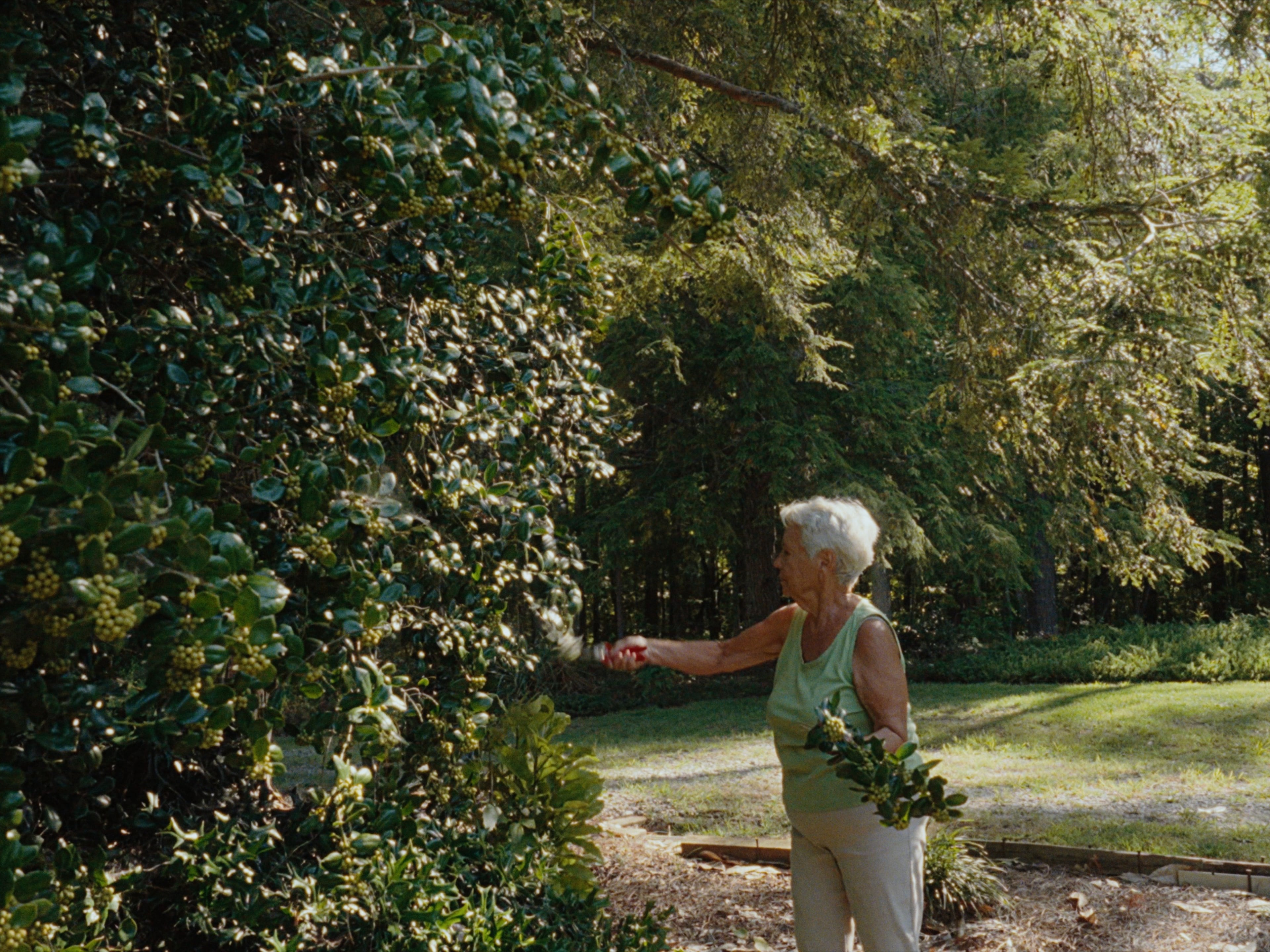
Brooklyn-based first-time filmmaker Ivey Redding has created a quietly moving documentary tribute to her grandmother, an ordinary white Southern woman gardening in her nightgown and casually creating spectacular flower arrangements for her church and otherwise existing with maximum dignity, spunk and originality.
The movie calls to mind “Junebug’s” similarly spot-on distillation of Southern light, landscape and pacing in this remarkable debut film that promises great things to come from Redding.
‘Frogtown’
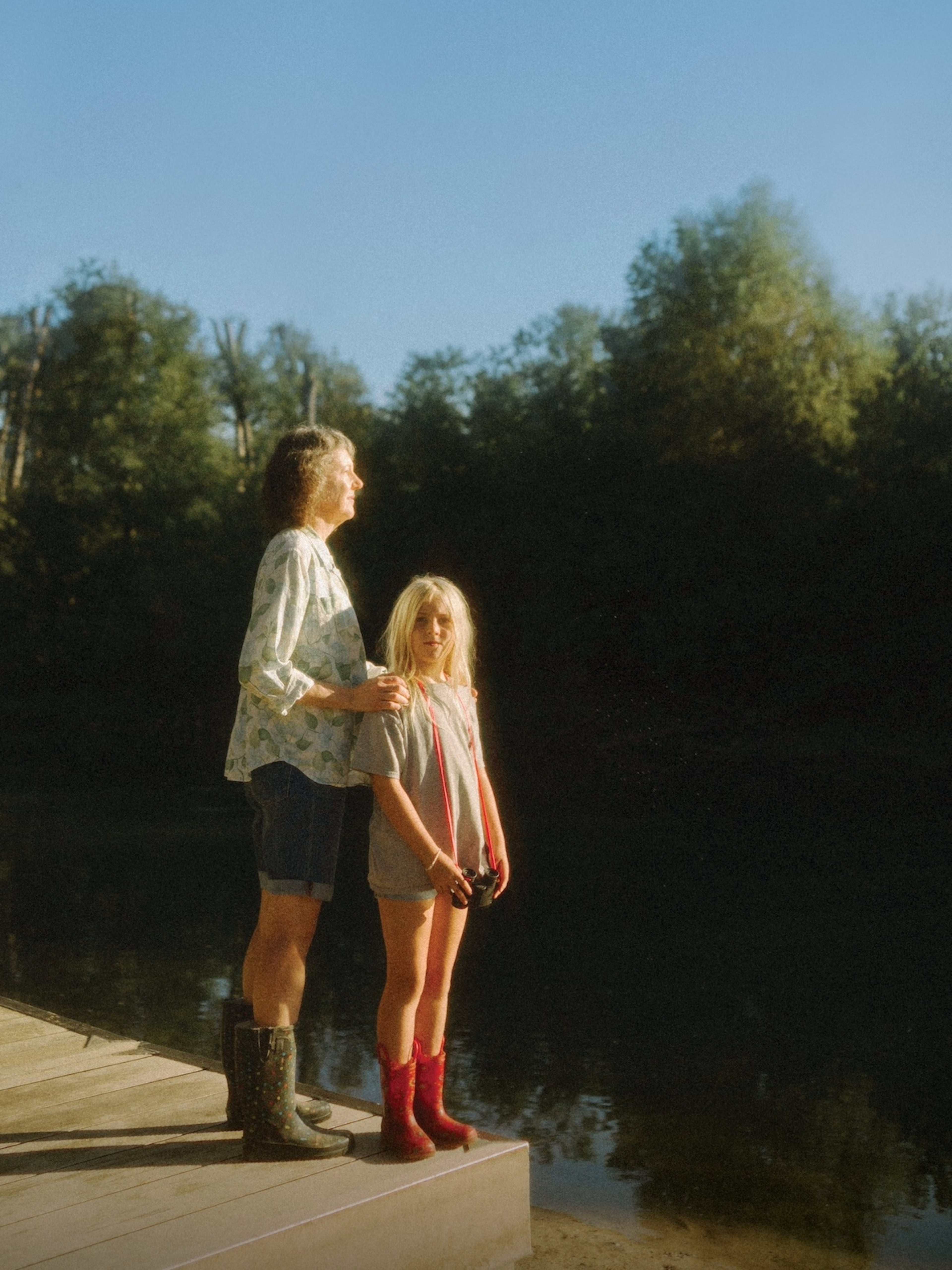
Directed and crewed by Atlantans, this indie is a deeply adorable, deeply strange fugue state on childhood imagination and a grandmother’s perhaps tenuous hold on reality.
Shot with a cast of amateur actors in the South and in a style that veers from documentary to fantasy, “Frogtown” centers on a woman (in a delightful change of pace, the impossible Dreamer here is a long-in-the-tooth older lady) with a quixotic dream she’s held onto since childhood.
Certain that as a little girl she once met a frog king at the local swamp, Laurel is determined to throw a frog parade that will draw the reclusive amphibian out of his swampy lair. Her partner in crime is her sometimes skeptical, sometimes all-in granddaughter Ruby, whose actions attest to the often mystical, magical bond between generations.
Costa Karalis’ thoroughly original feature references filmmakers from Errol Morris to Ross McElwee and feels like a lyrical throwback to the independent slice-of-life cinema of “Ruby in Paradise” with a dash of Francois Truffaut’s “Small Change” thrown in for good measure.
Film preview
“Atlanta Film Festival: 50 Years of Cinema”
April 23-May 3 at Plaza Theatre (1049 Ponce de Leon Ave. NE, Atlanta, 470-410-1939) and Tara Theatre (2345 Cheshire Bridge Road NE, Atlanta, 470-567-1968). atlantafilmfestival.com.