GHSA votes to expand to six classifications
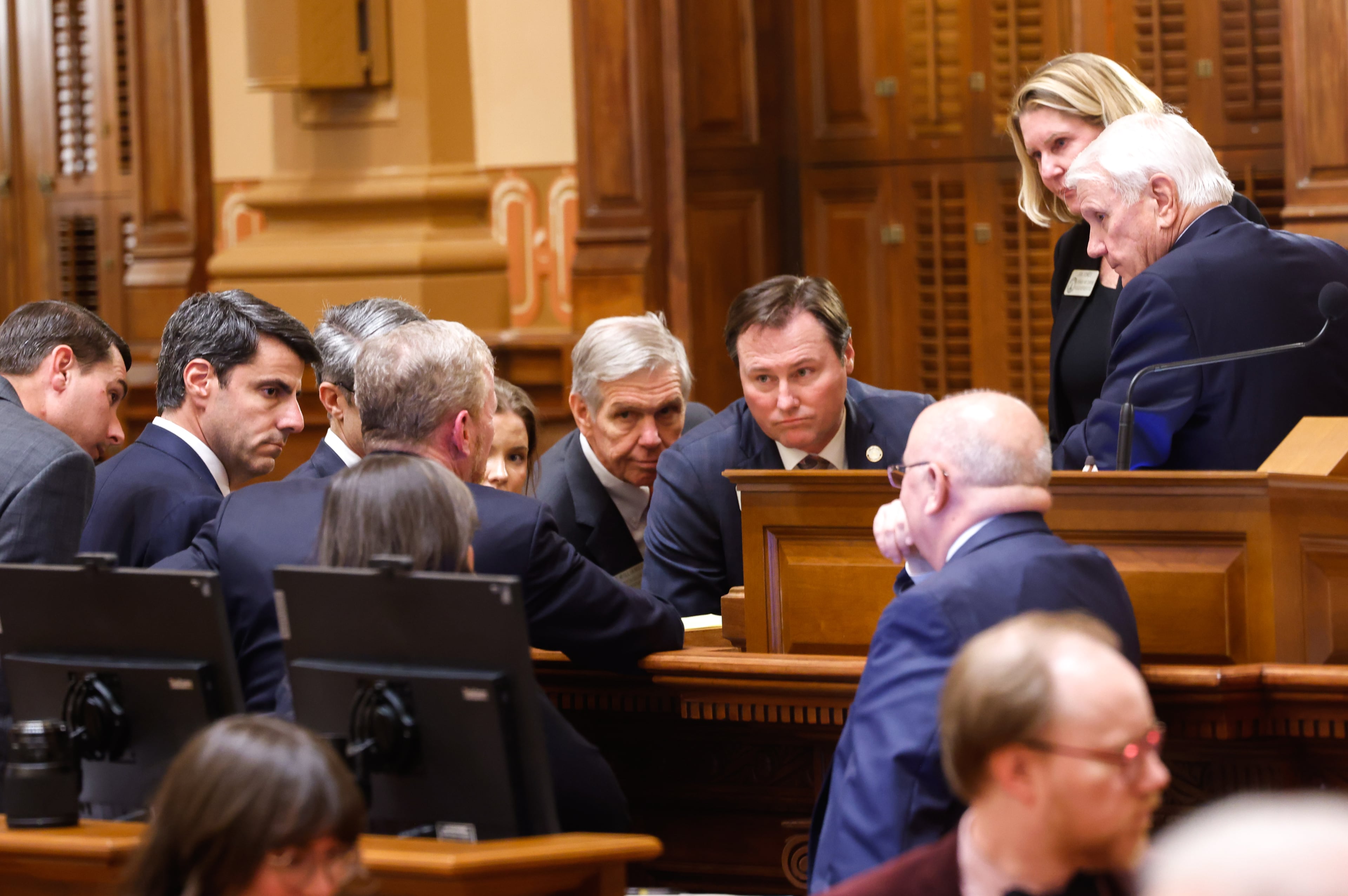
The Georgia High School Association voted Tuesday to expand to six classifications for athletic competition, largely because of the unity of metro Atlanta.
The GHSA’s Executive Committee approved the increase from the existing structure of five classes by a narrow 26-24 margin.
Representatives from Atlanta-area regions voted 15-0 to support it, while also uniting 15-0 against an alternative plan earlier in the specially called meeting.
The other proposal, called the “4/8 plan,” proposed reducing to four classifications and subdividing into two state tournaments per classification for the playoffs. That proposal failed by a 35-15 vote, permitting former Brookwood football coach Dave Hunter to propose six classifications.
“In my opinion, the six classifications are most fair for the most number of schools in Georgia,” said Hunter, who is a member of the Reclassification Committee. “I was glad for the support for it [from the Atlanta area], but you’d like for everybody to be on the same page.”
Under the new plan, the GHSA’s 433 member schools will be divided into six classifications of 65-70 schools each, with the exception of Class A. It projects to have 90-95 schools because of 25 non-football playing members. The legislation, if not appealed in a future meeting, will take effect in August 2012.
“I think it was a great decision,” Pope athletic director Steven Craft said. “The 4/8 plan had more questions than answers. I love the decision ... the six-classification plan levels out the number of schools in each classification without watering down the significance of winning a state championship.”
Here’s more reaction from other metro officials:
Alpharetta athletic director Kirk Alexander: “It is the solution that best fits the GHSA’s current system and philosophies. As the saying goes, ‘if it ain’t broke, don’t fix it,’ ... I like that it’s the same format as [the current five classes], so adapting to it will not be a problem.”
McEachern athletic director Jimmy Dorsey: “I guess it’s a compromise. ... I was fine with the present system, which seemed to have worked well for most over the years. I do not think any alignment will solve the problem that is created with the population of metro Atlanta, as it is compared with the more rural parts of our state. The bottom line is if the next closest school to you is a one- to two-hour drive, travel will always be an issue.”
Centennial football coach Jeff Measor: “I guess it fixes some things, but for us, nothing has changed. The system will still have 3,500-student schools playing 2,000-student schools in the playoffs.”
Creekside athletic director Mekia Troy: “The plan seems to provide pretty good balance across all classifications ... I assumed that a change was coming, regardless of if it was necessary, because it was discussed so much. I was initially totally against the 4/8, but the final proposal wasn’t that bad. The idea of eight state championships was a bit much, though.”
While the new measure was endorsed by the majority of metro school officials, it got a mixed reaction in South Georgia.
“No plan is perfect and no plan is fair to everybody, but hopefully they’ve done the right thing,” Camden County football coach Jeff Herron said. “I’m like everybody else whether it’s the 4/8 plan, six classifications or 18 ... the only thing that seems to matter is how does it affect my school. That’s the bottom line.
“I don’t know if they could’ve come up with a plan fair to everyone. I don’t have any control over it. We’ll just play wherever they tell us to play.”
Tuesday’s meeting was short but complicated and intense for the GHSA. When the 4/8 plan failed, it led to procedural questions about bylaws — whether another idea could be proposed at the special meeting or if the issue had to go back to the Reclassification Committee and be presented again at a later date. The GHSA’s attorney determined that the group could move forward, and the Executive Committee agreed, although one member logged a challenge.
“The majority sentiment was that everybody was looking at us and wanted us to make a decision [Tuesday], and if you didn’t feel like you knew enough to vote, then vote against it and that would defeat it,” said Ralph Swearngin, the GHSA’s executive director. “I don’t know whether that played a part in the [final vote] being so close. It’s hard to say.”
About the Author