Regardless of sport, Atlanta may never host another game like Argentina-Egypt
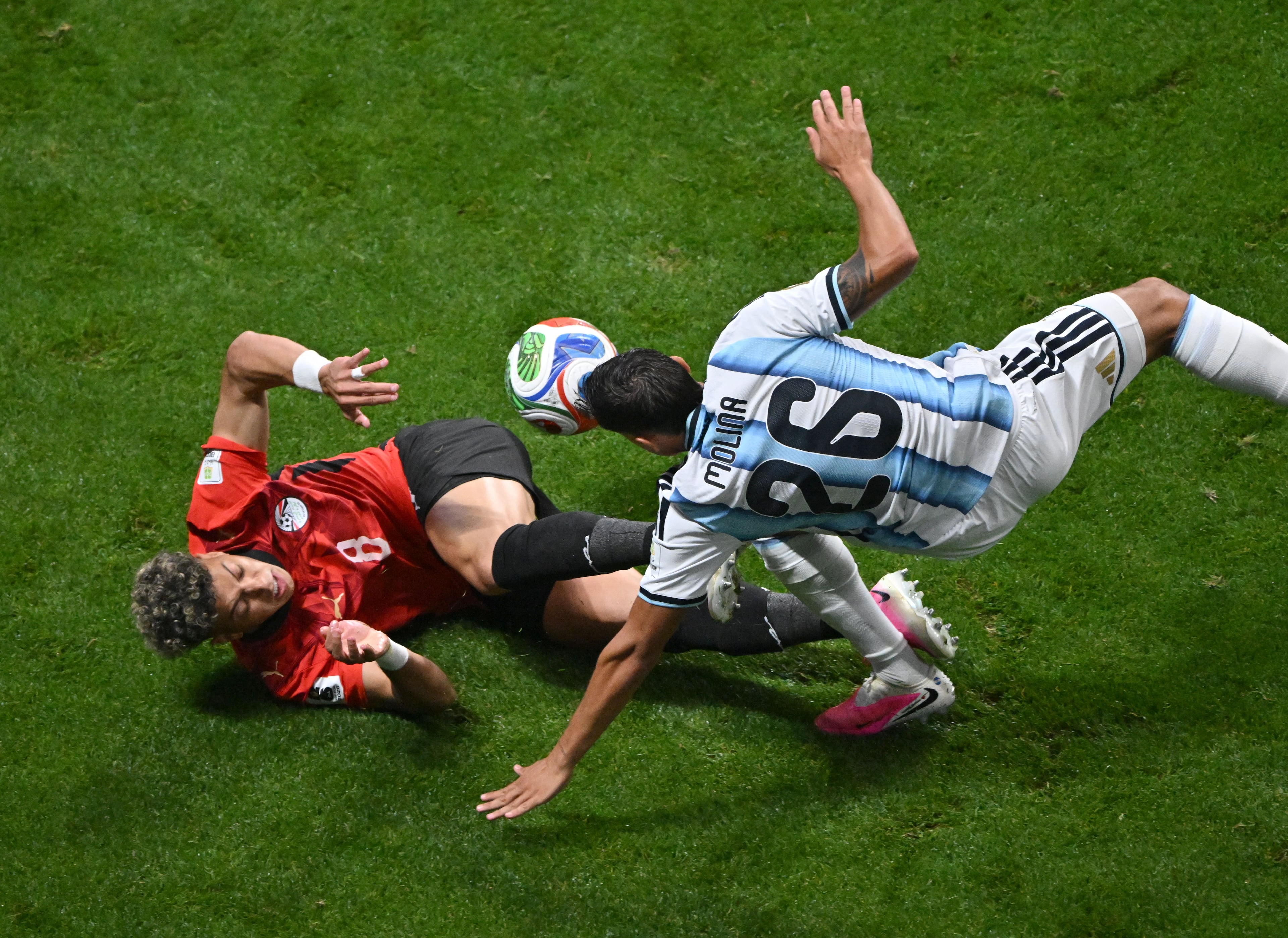
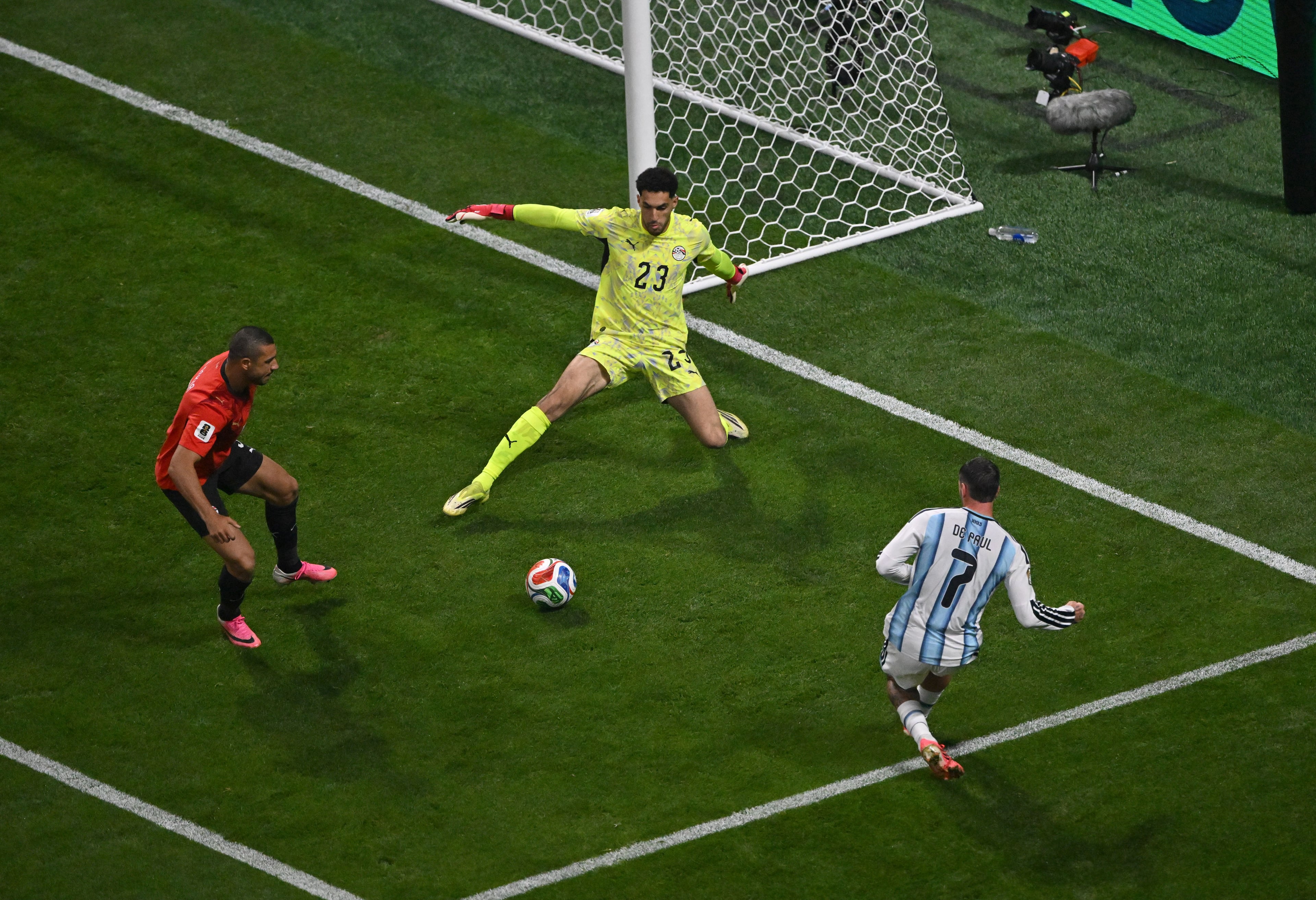
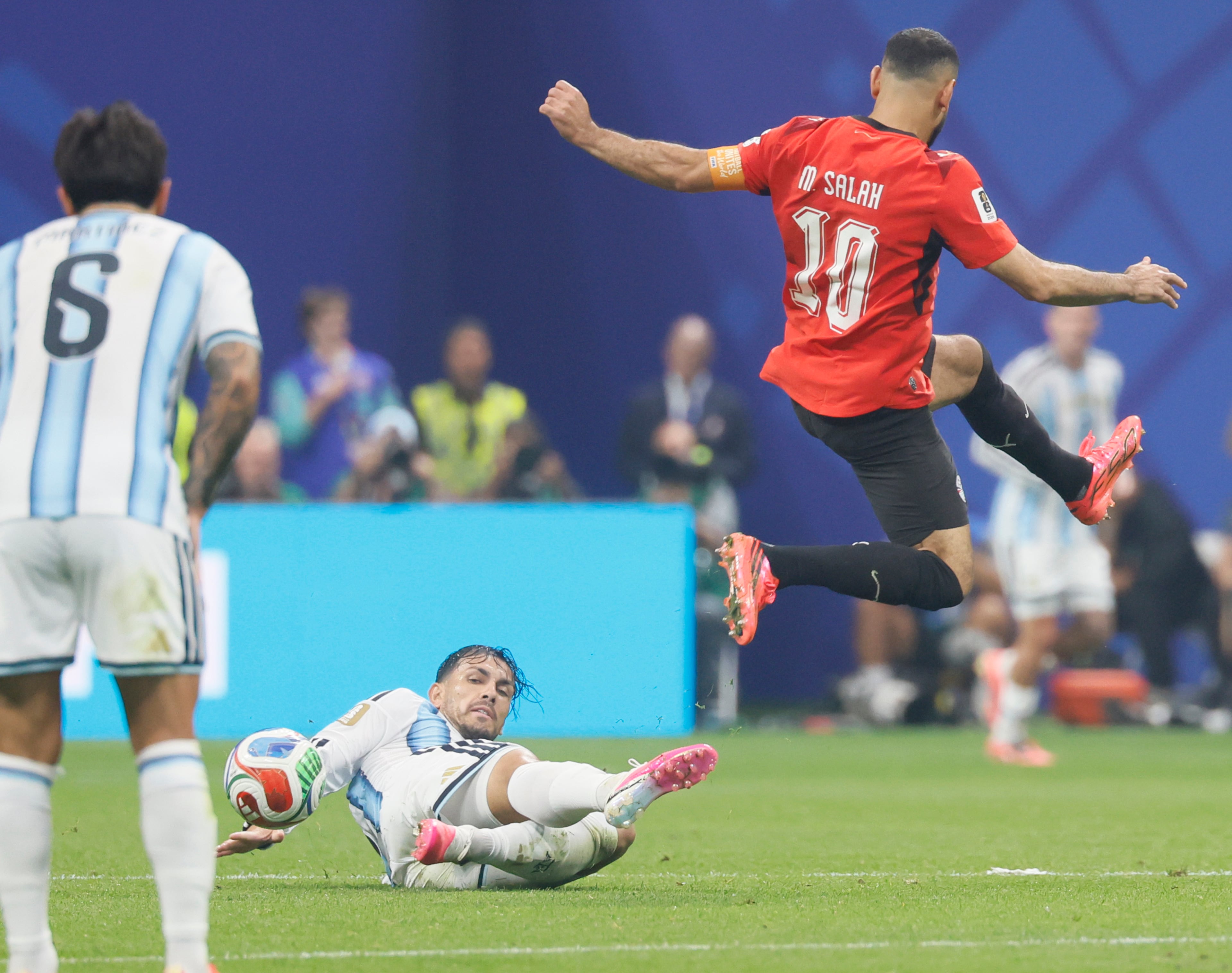
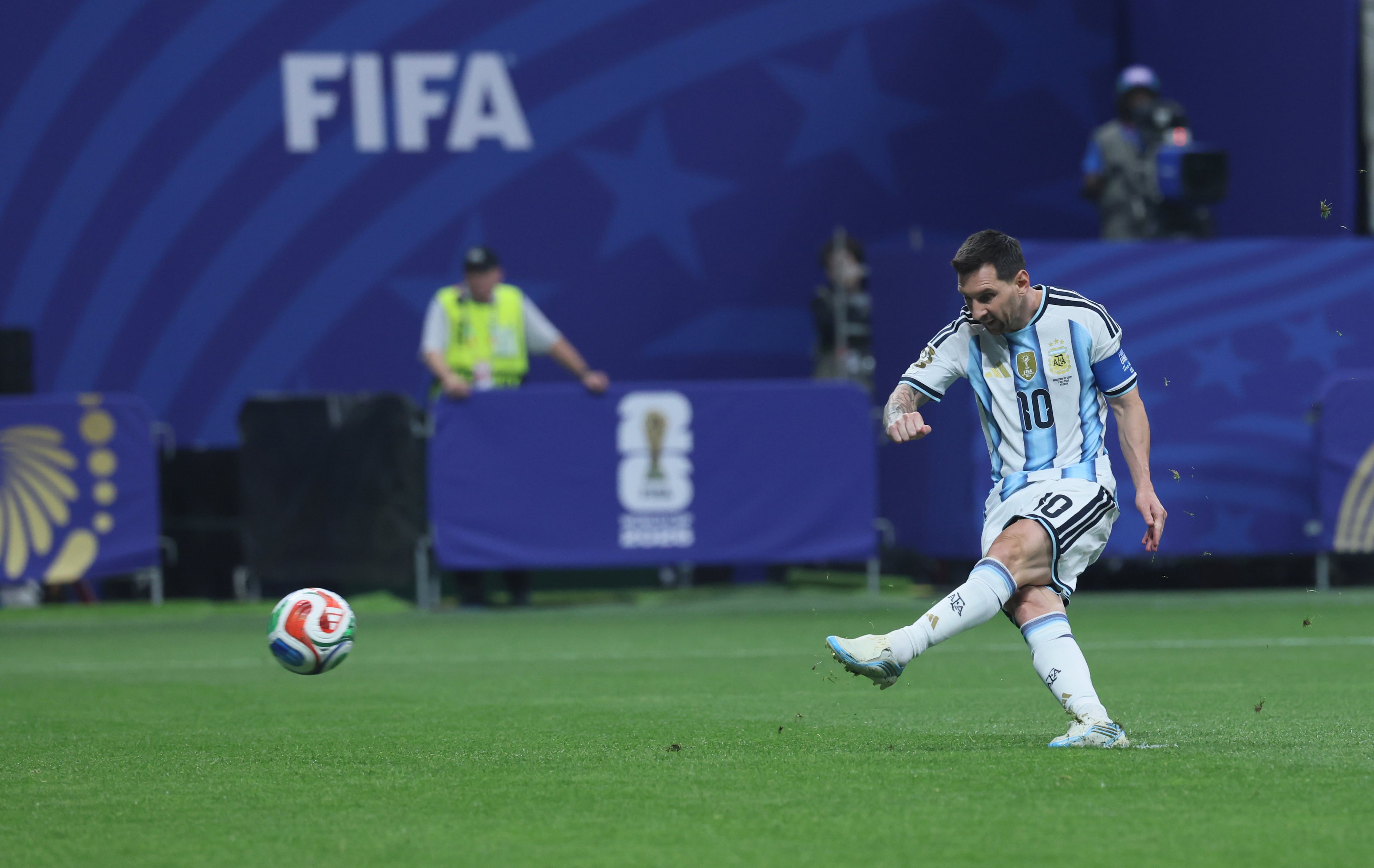
1 / 33

This stadium might stand another 50 years — although, given the speed with which we discard sporting edifices in this city, that might be a generous timeline.
Regardless, it’s possible, and maybe likely, that Atlanta Stadium will never again witness what played out beneath its retractable roof Tuesday afternoon.
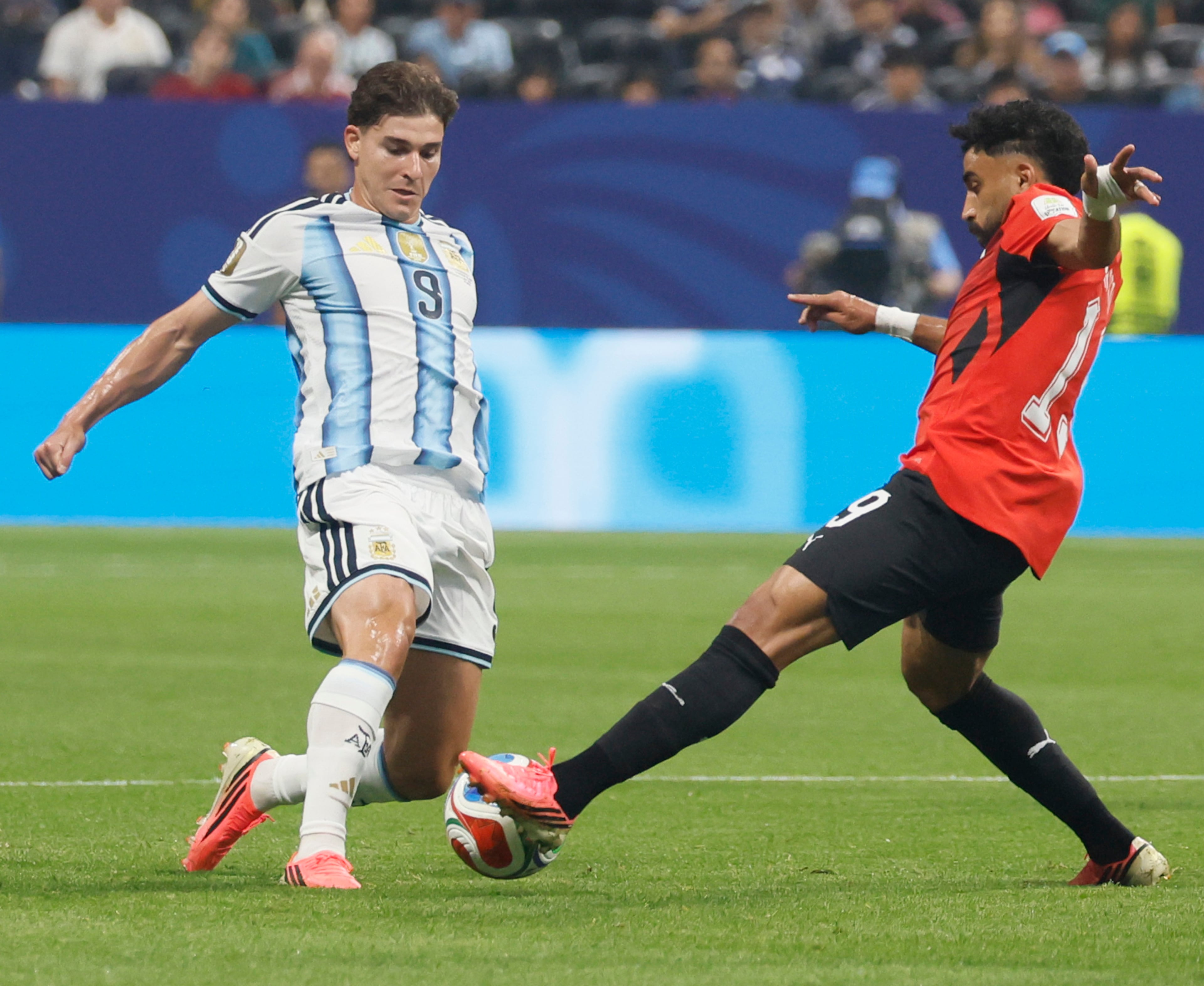
One nation minutes away from its greatest sporting moment. The opponent, the defending World Cup champion, facing an embarrassing early exit that would likely mean the end of the international career of arguably the greatest player in history.
And then a jaw-dropping comeback in the game’s final minutes led by that GOAT, with the game-winner delivered in stoppage time.
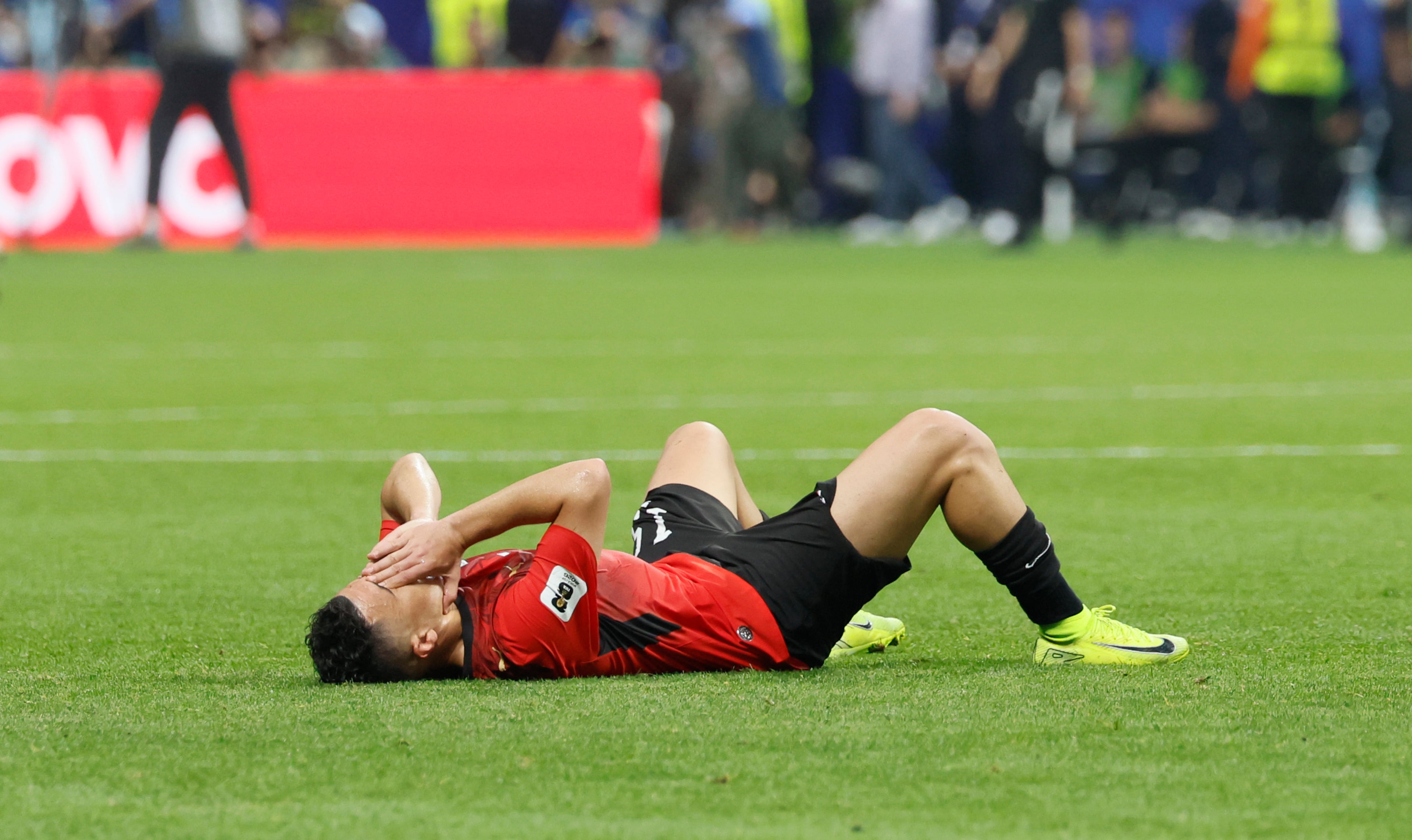
A gut-punch loss that the underdog’s supporters will surely feel for decades.
And the loser wore red and black and suffered defeat in the stadium of the franchise whose championship-game collapse has come to define American sports meltdowns.
You didn’t need Tom Brady to encapsulate the Argentina-Egypt World Cup match in the round of 16 at Atlanta Stadium, but he graciously surfaced on social media postgame to traumatize Falcons fans one more time.
“Yeah so that might top 28-3.”
What a moment was experienced in Atlanta’s sports palace, constructed in no small part to be a host for this tournament and to stage international spectacles like the one that took place Tuesday.
The seventh of the eight matches to be played in Atlanta had everything.
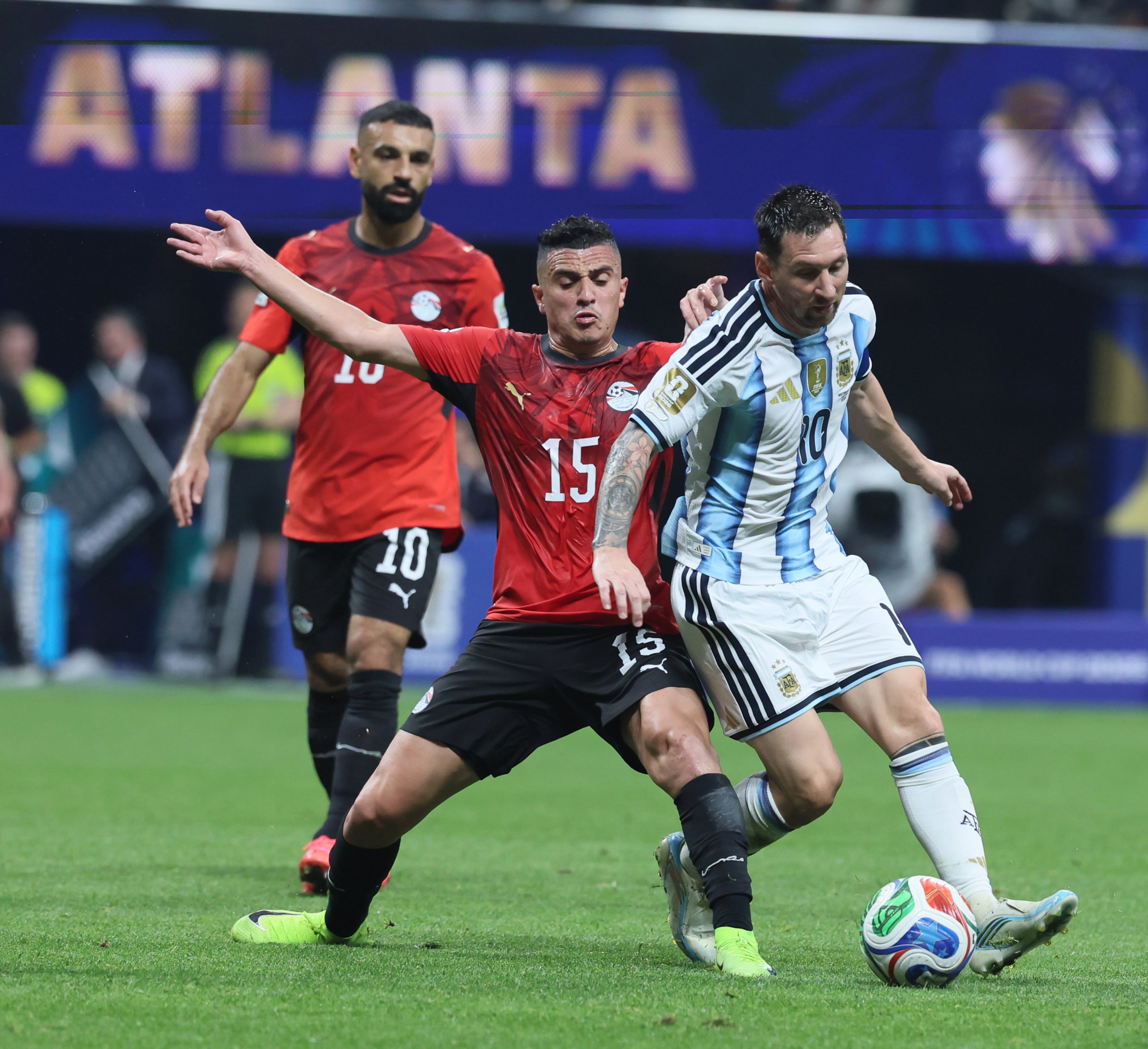
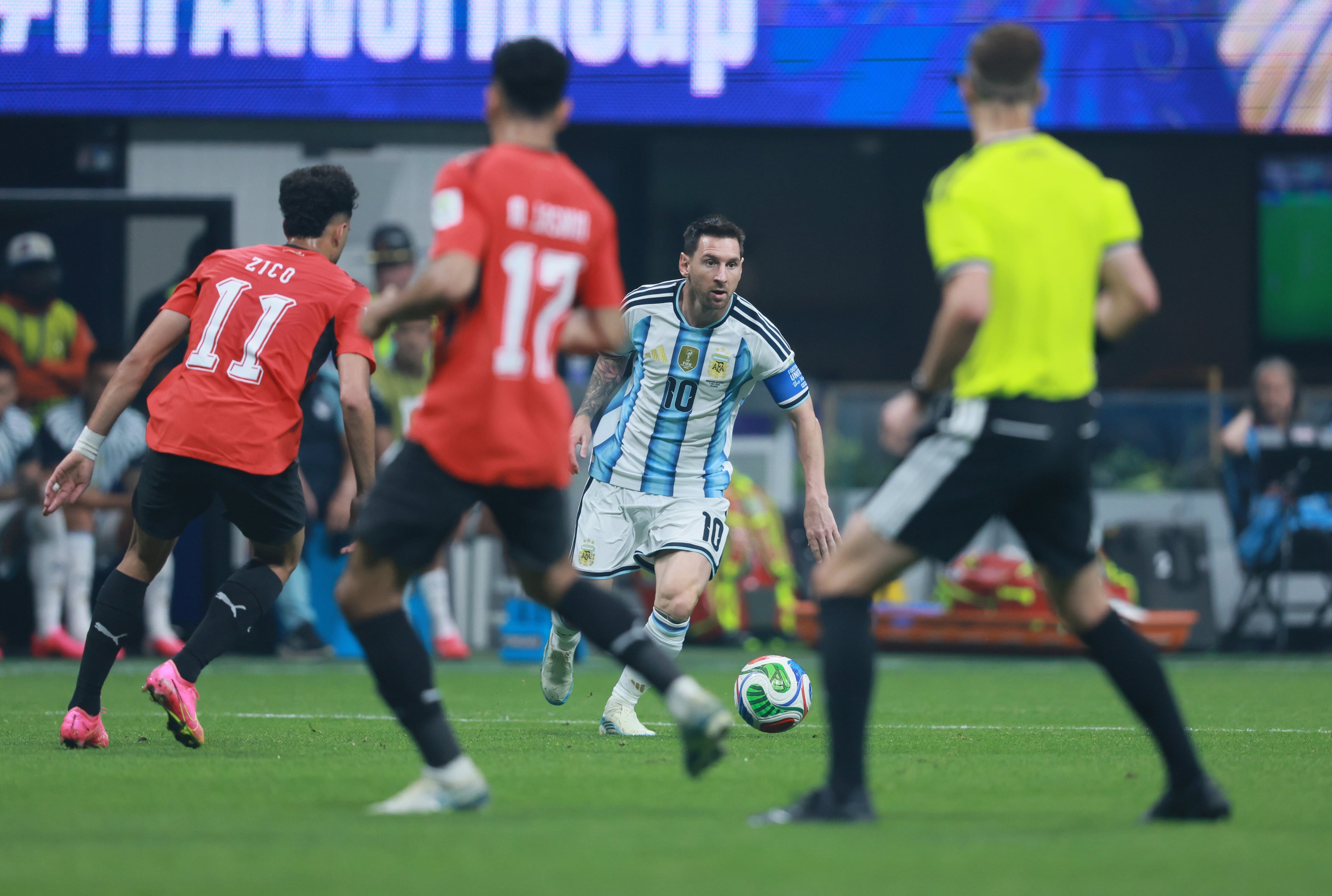
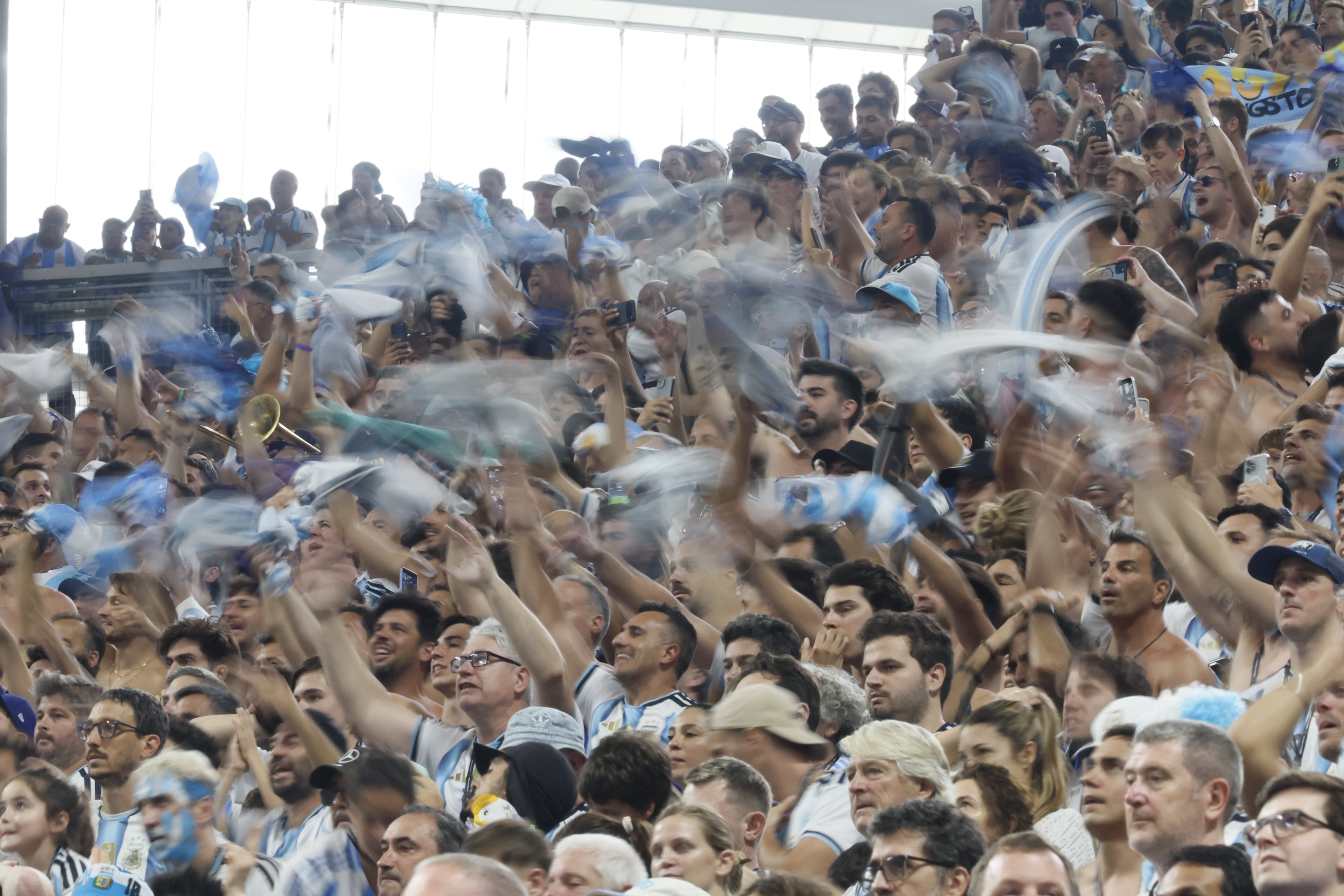
A sold-out, electric crowd. The most recognized and beloved name in the sport in Leo Messi. A powerhouse in defending champion Argentina. An unafraid underdog in Egypt with its own standout, Mohamed Salah. And a bold upset bid overcome in the final minutes.
It was not difficult to feel the pain of the Egyptians and their supporters, now granted honorary Atlantan status for coming to our city to share our pastime of crushing defeats.
It began like so many of the stunners that make us love sports.
The heavy favorite taking the field with perhaps 95% of the crowd on its side.
The underdog, a team making just its fourth World Cup appearance and its first foray into the knockout round. Egypt had never even won a World Cup game before this year and entered the tournament ranked 29th in the world.
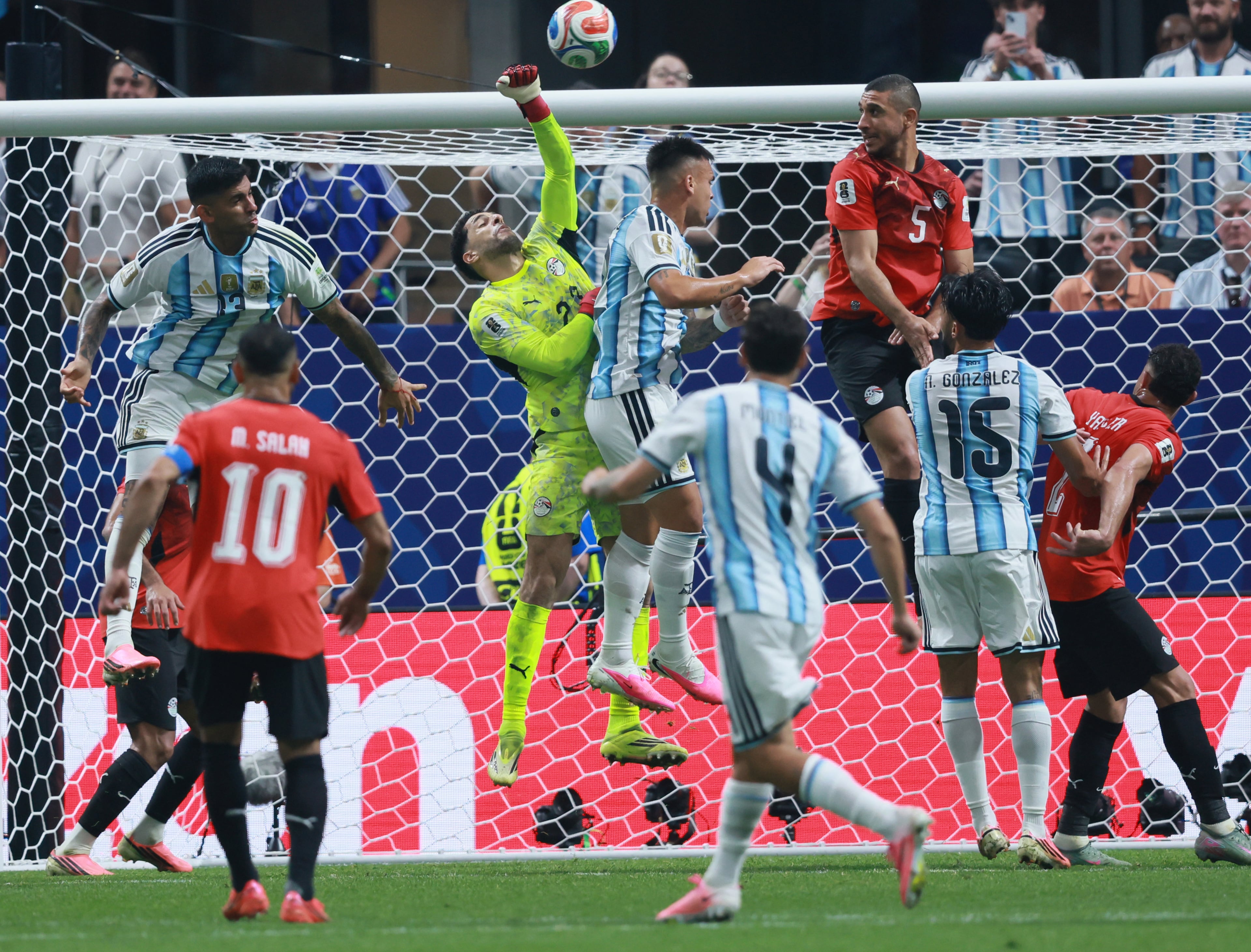
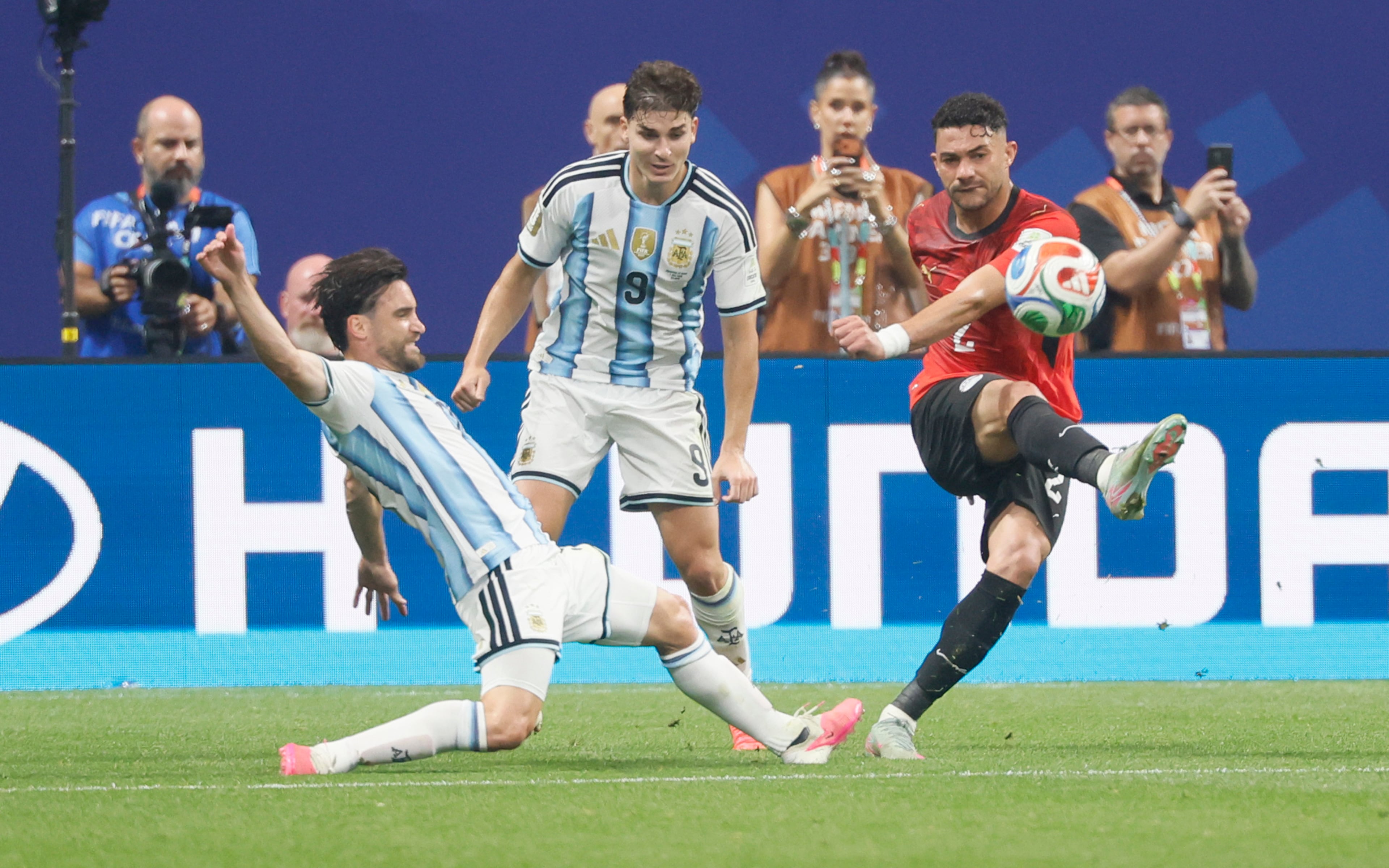
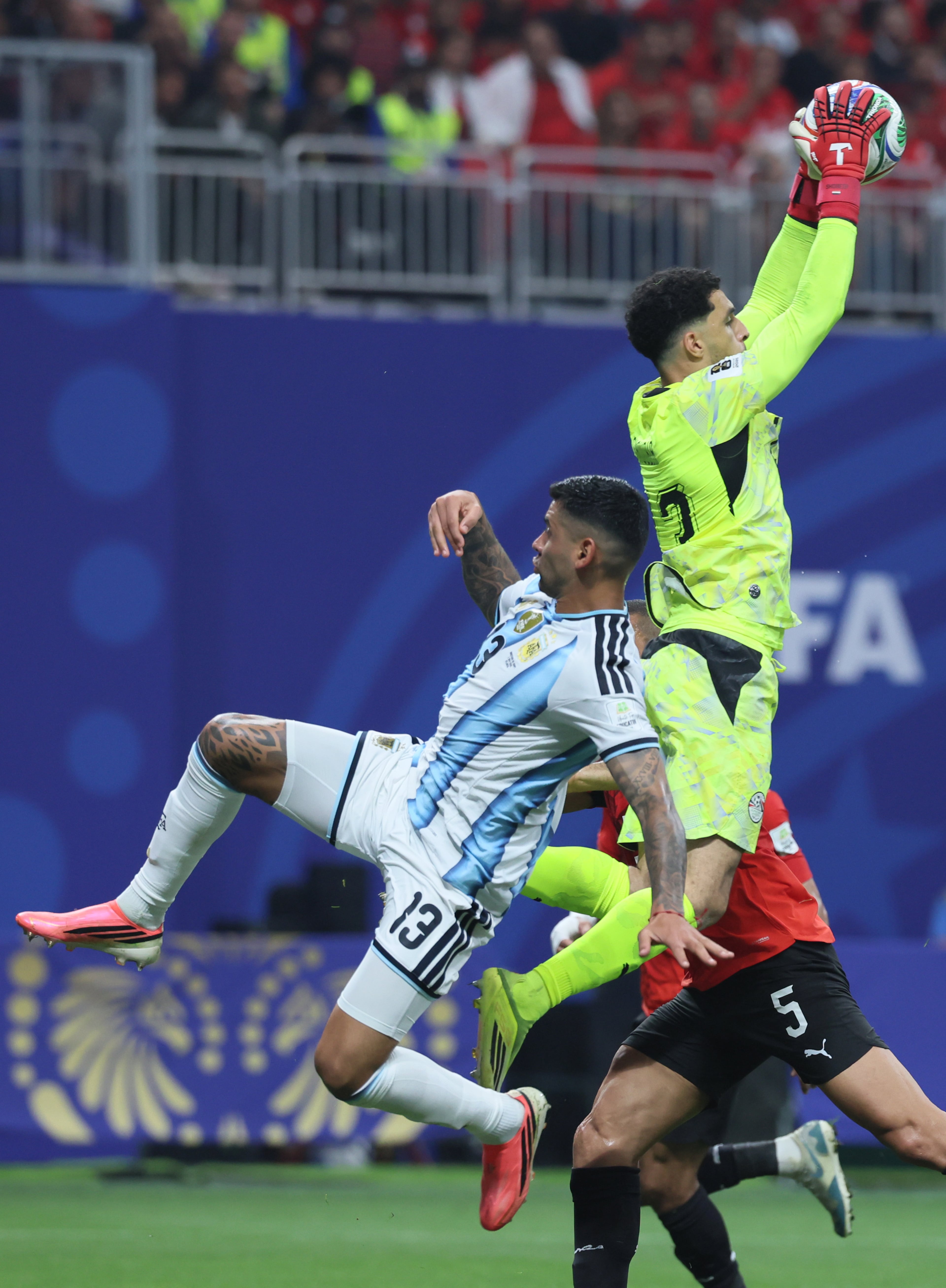
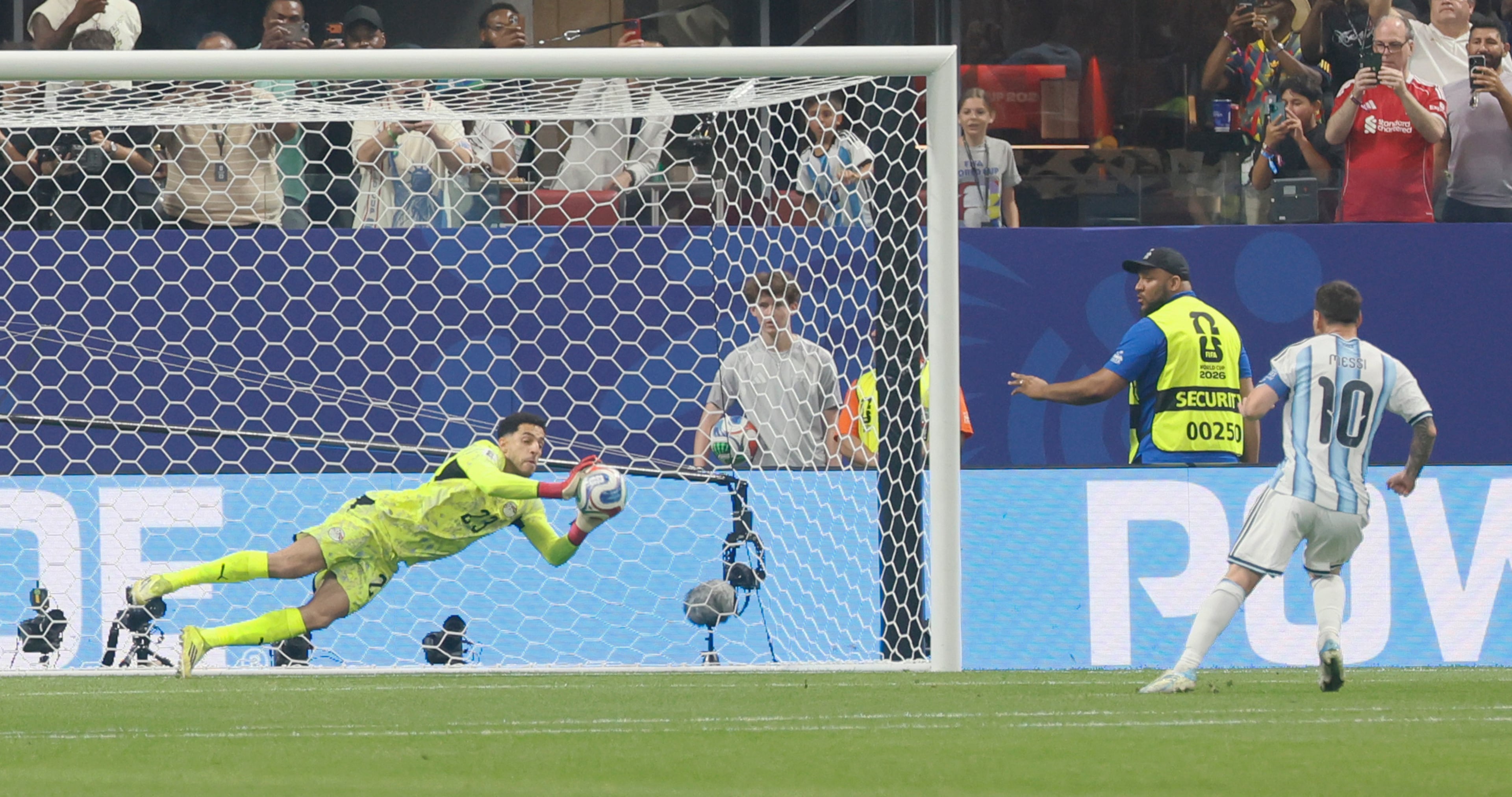
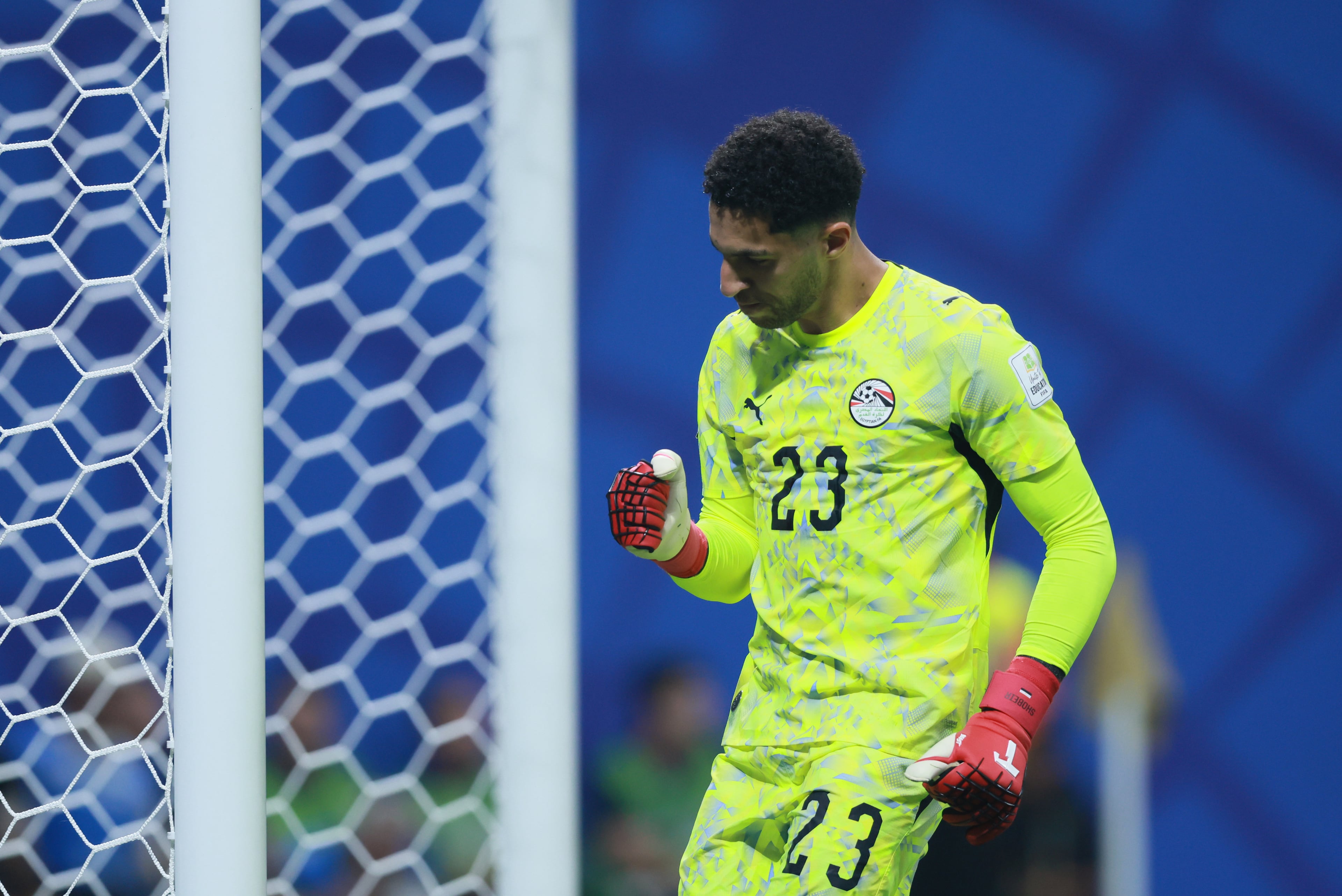
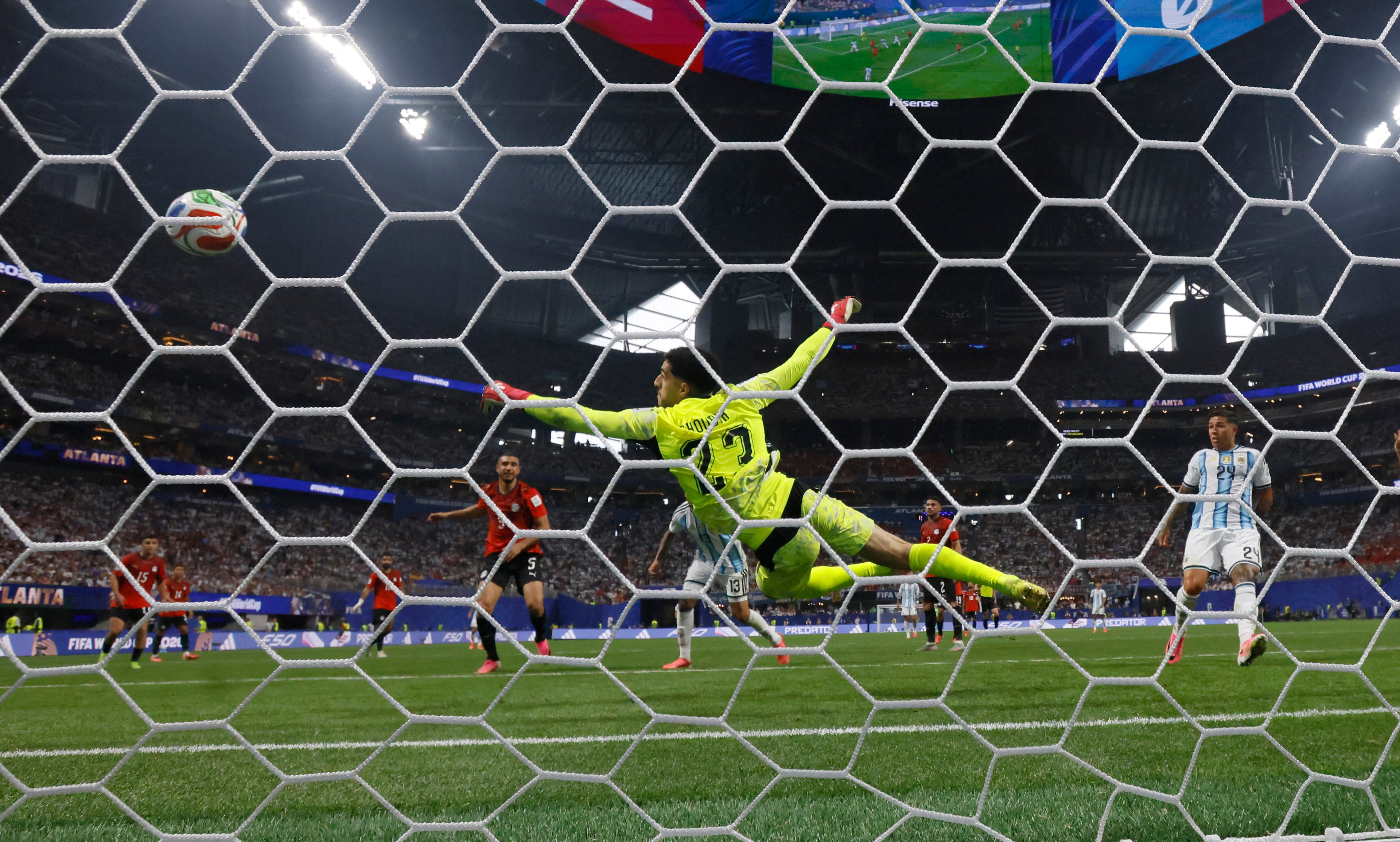
And then a shocker of a goal early on that startled the heavy favorite and set off a race for the underdog to get to the end of regulation with the lead. Egypt’s defense was clearing away Argentina’s persistent aggressions and goalie Mostafa Shobeir was getting his red-gloved paws on everything else.
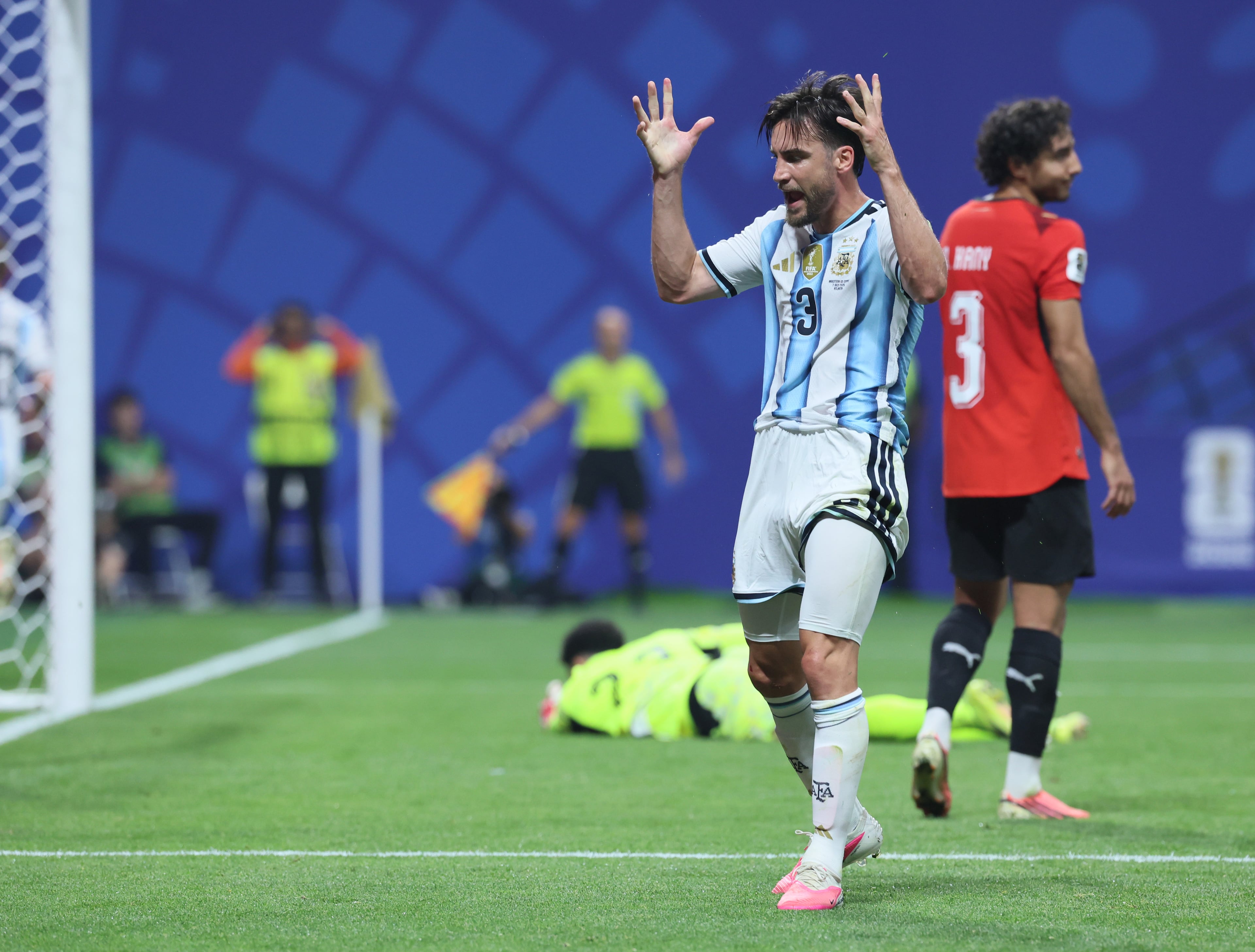
After one Shobeir save, Argentina forward Julián Alvarez kicked a water bottle out of frustration by the Egypt goal.
At halftime, an Egyptian journalist had someone take his picture in the press box with the field in the background, making the 1-0 score with his hands.
It wasn’t difficult to imagine how Mahmoud Ibrahim Reda felt. Before the game, there was hope, he said, fueled by the trouble that Cape Verde had given Argentina in the round of 32.
“Now, we believe,” Reda said. “Everyone in Egypt now wants to win.”

I asked him what it would mean if Egypt somehow pulled it off. An animated type, Reda collapsed to his knees. Would it be the biggest sports moment in his nation’s history?
“For sure,” he said.
Outside of Argentines and people who like to squash bugs, who didn’t want to see this moment happen?
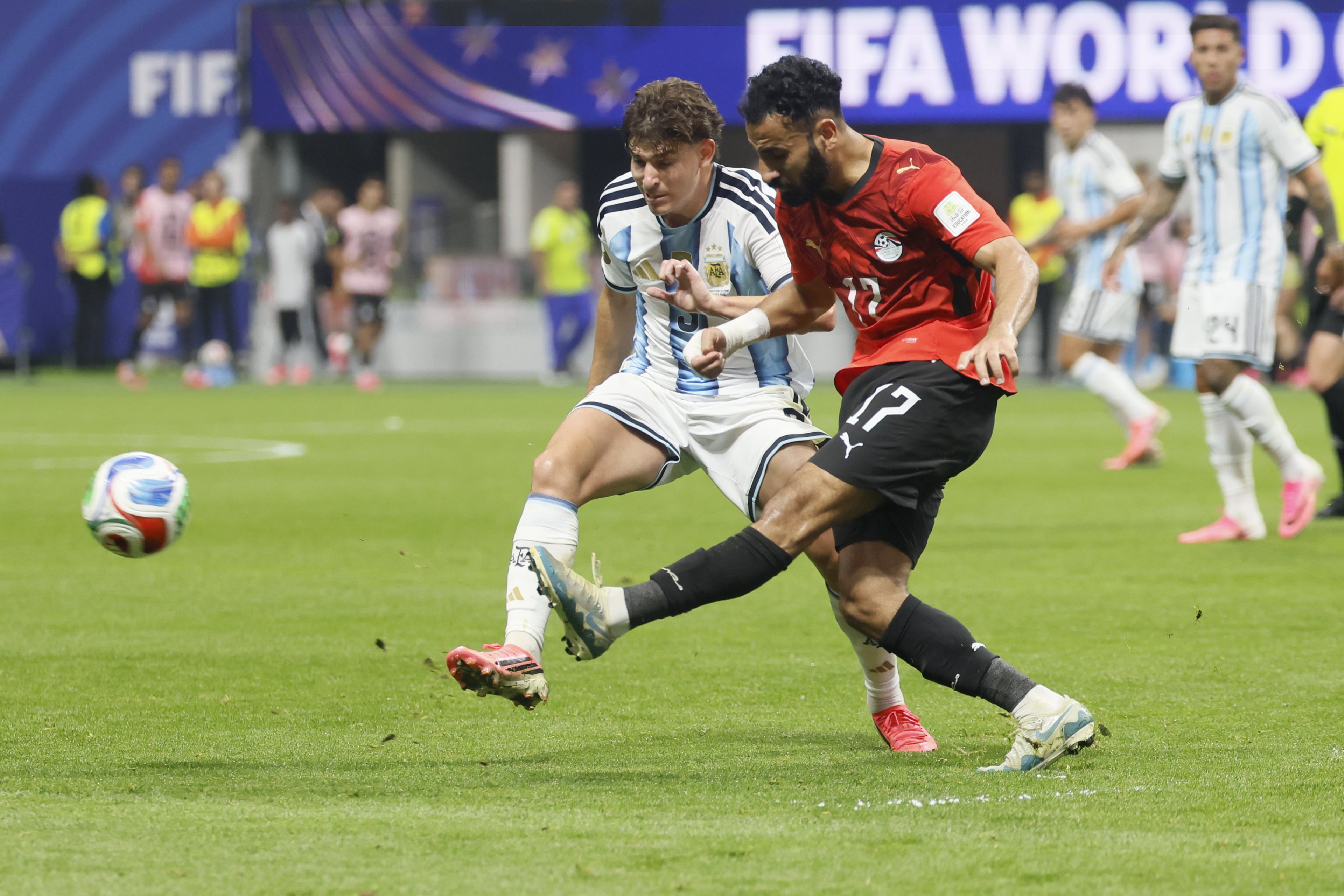
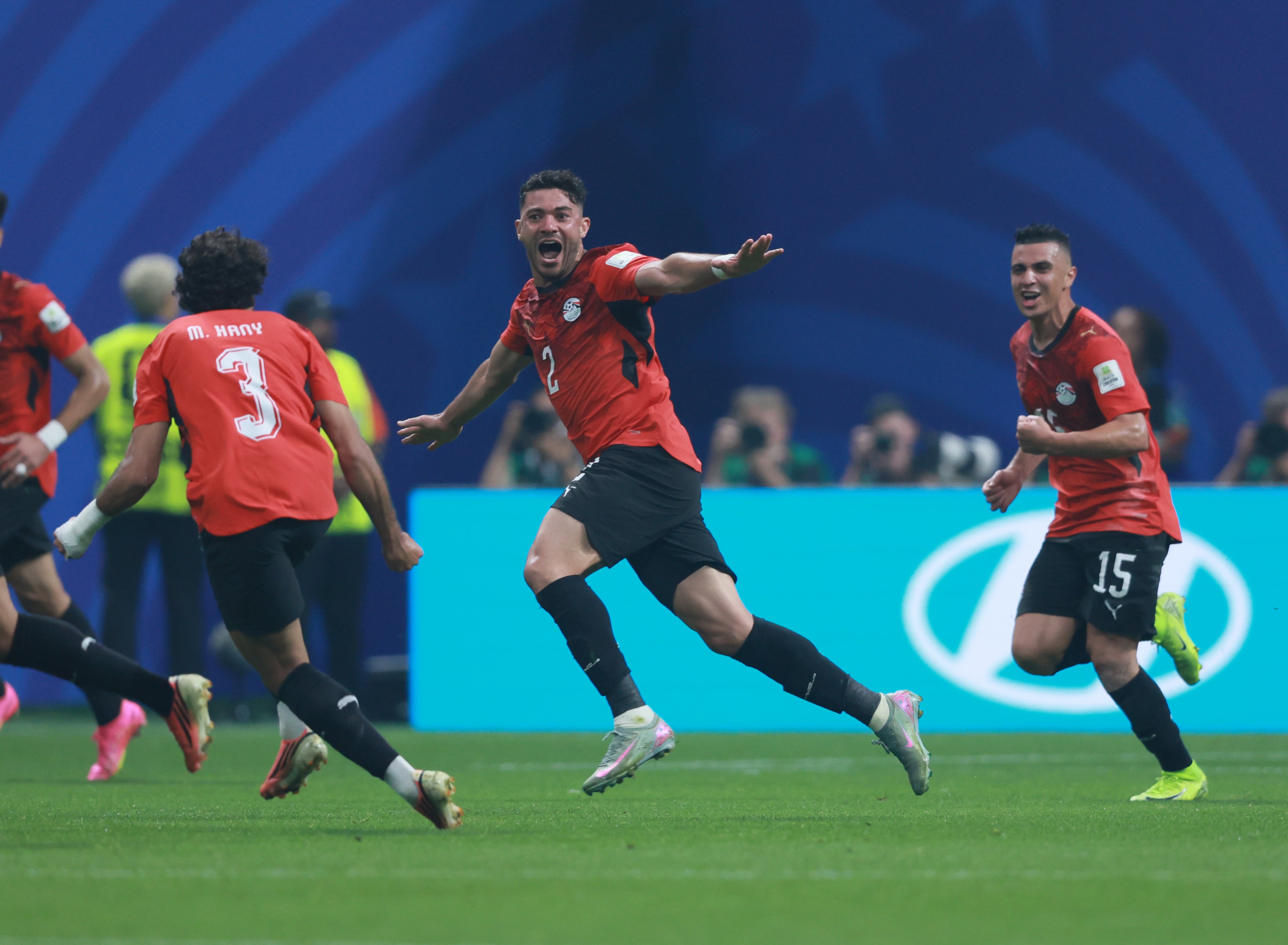
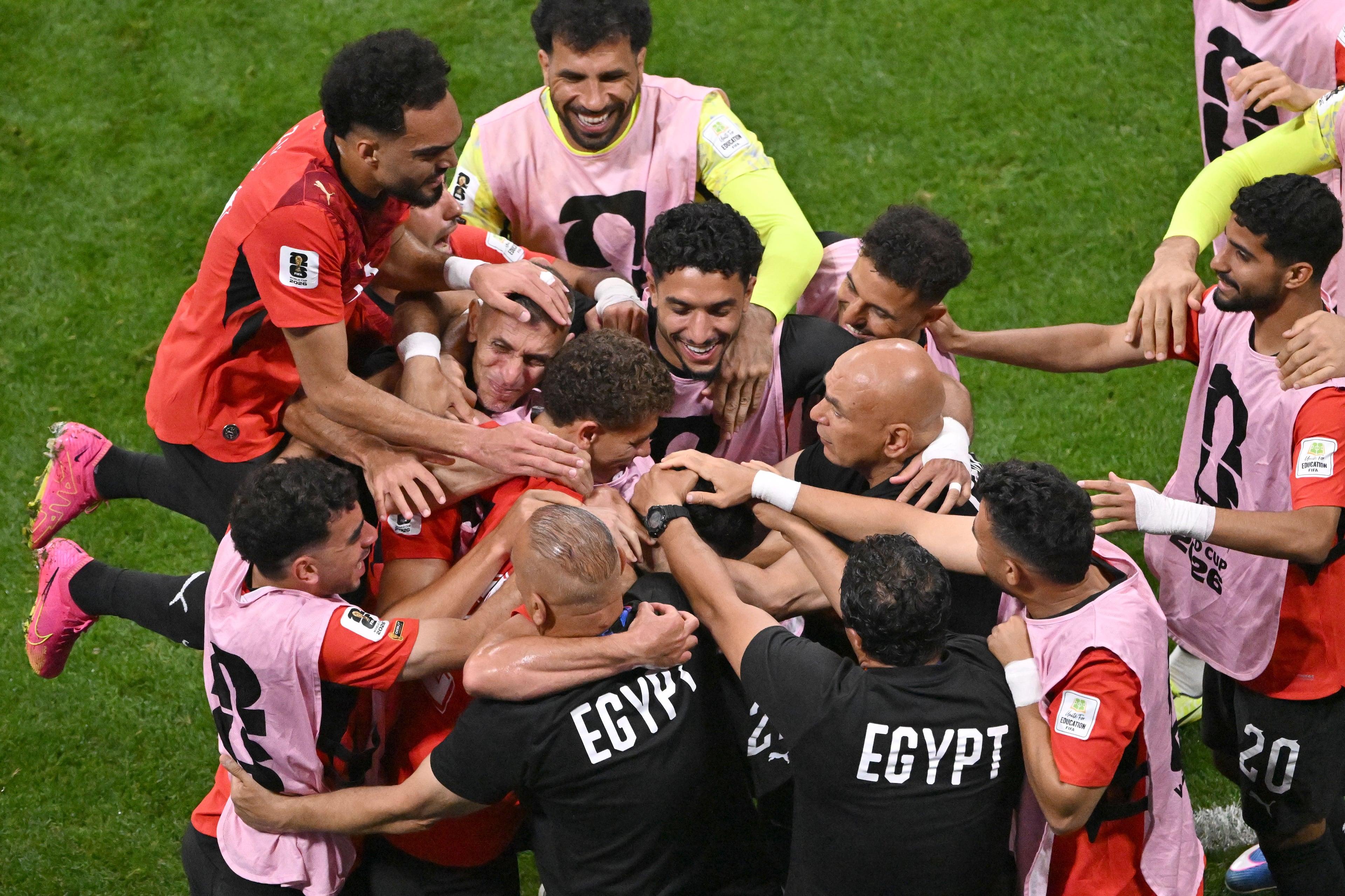
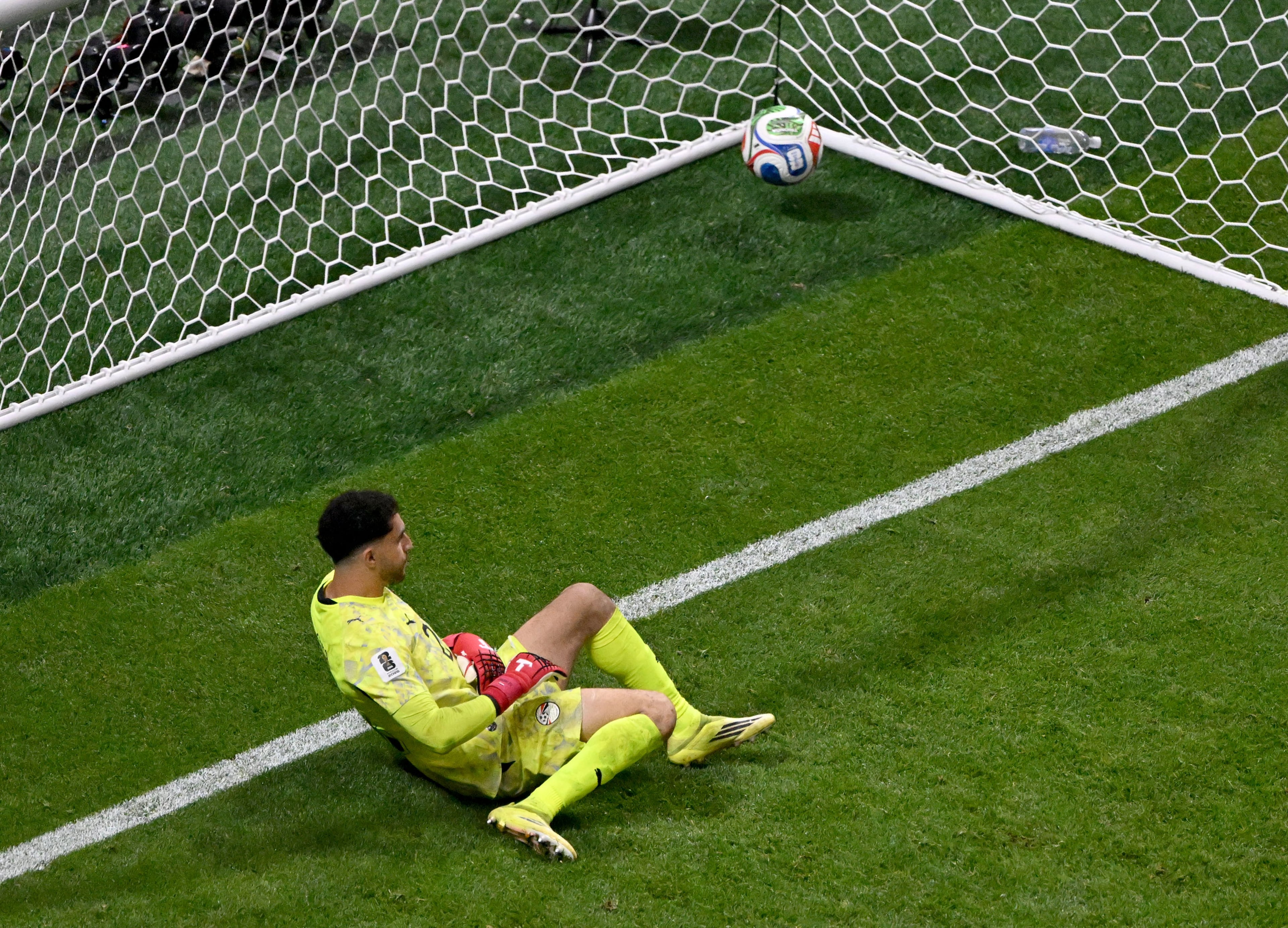
Even after an Egypt goal was disallowed by a highly questionable use of video replay, the fervor built when midfielder Mostafa Zico buried a crossing pass into the Argentina net for a 2-0 lead in the 67th minute.
After the goal, the thought crossed my mind that we could be witnessing Egypt’s “Miracle on Ice.”
Goosebumps.
Shortly after the second goal, the hydration break midway through the second half provided space for the now-obligatory playing of “Country Roads.”
Across the stadium, Egypt fans enthusiastically channeled their inner John Denver while many Argentina supporters remained seated, perhaps wishing they could indeed be taken home.
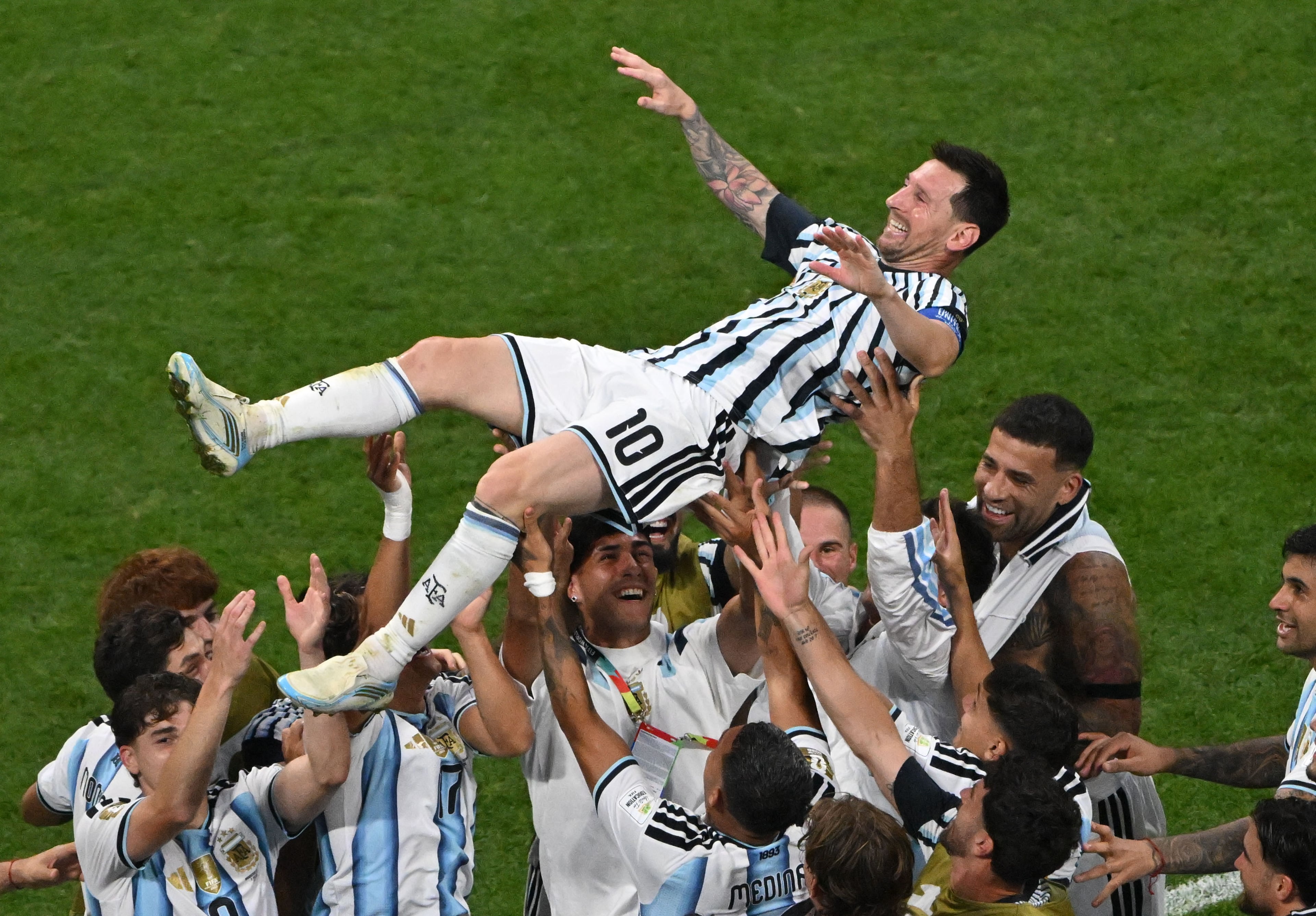
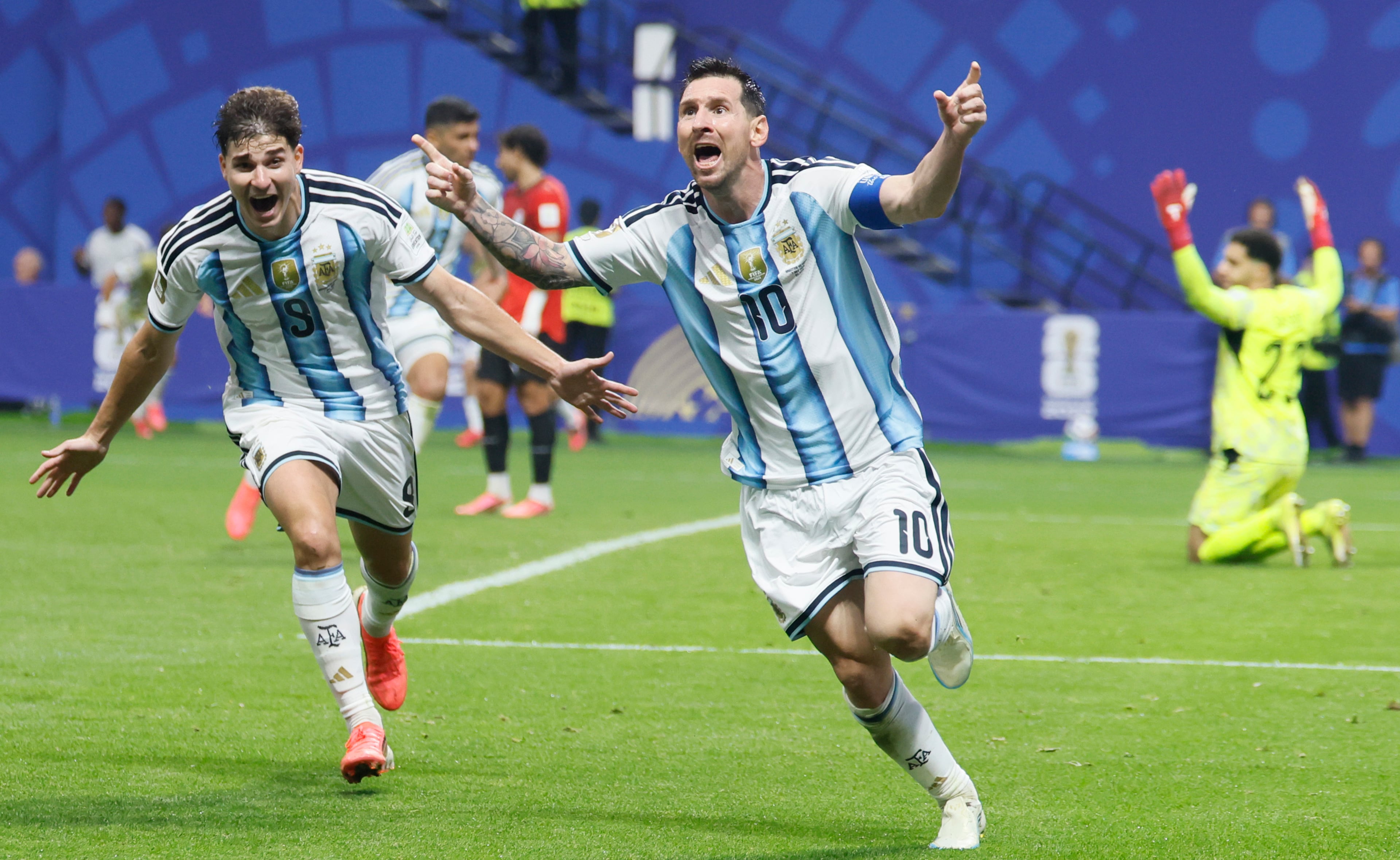
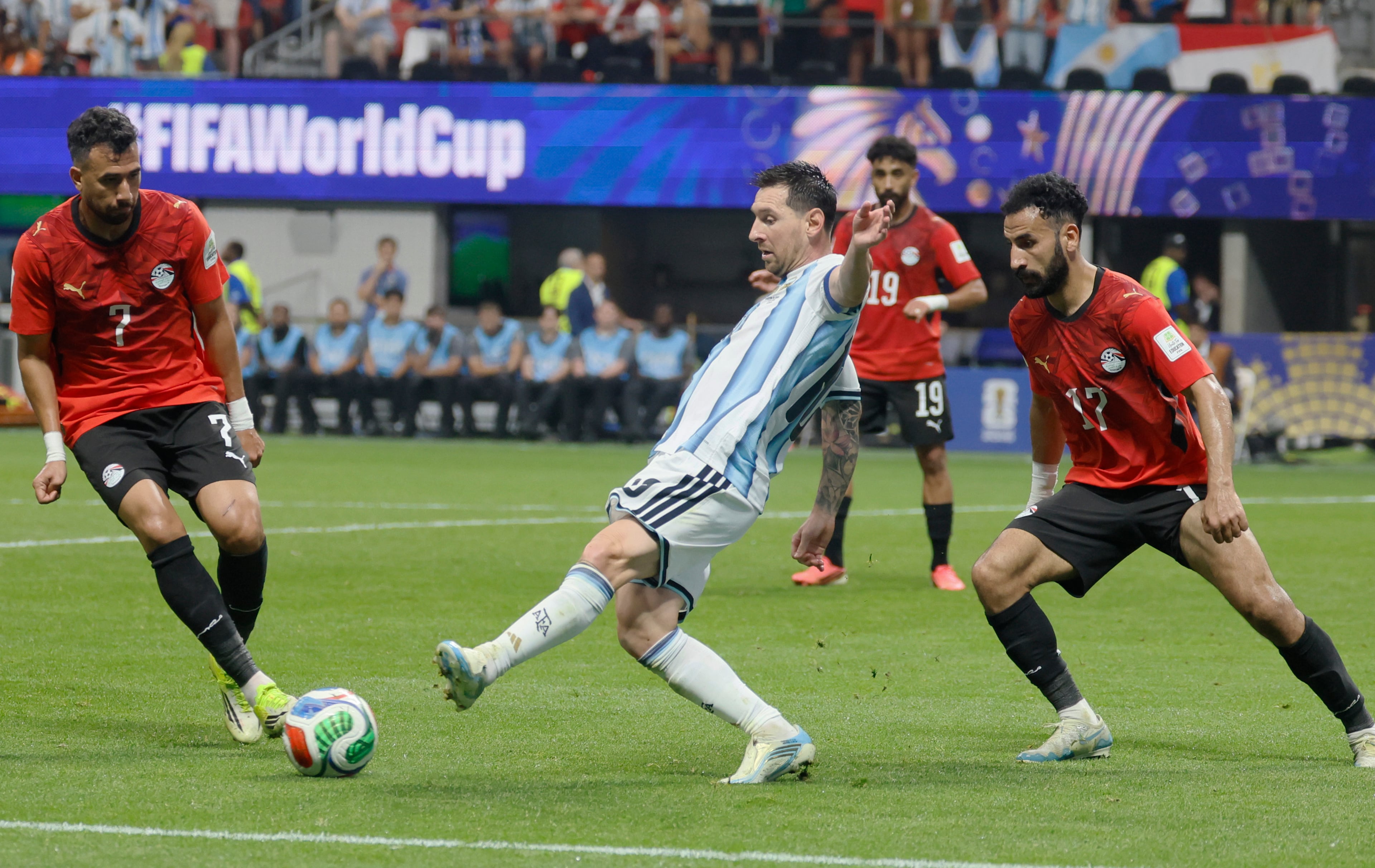
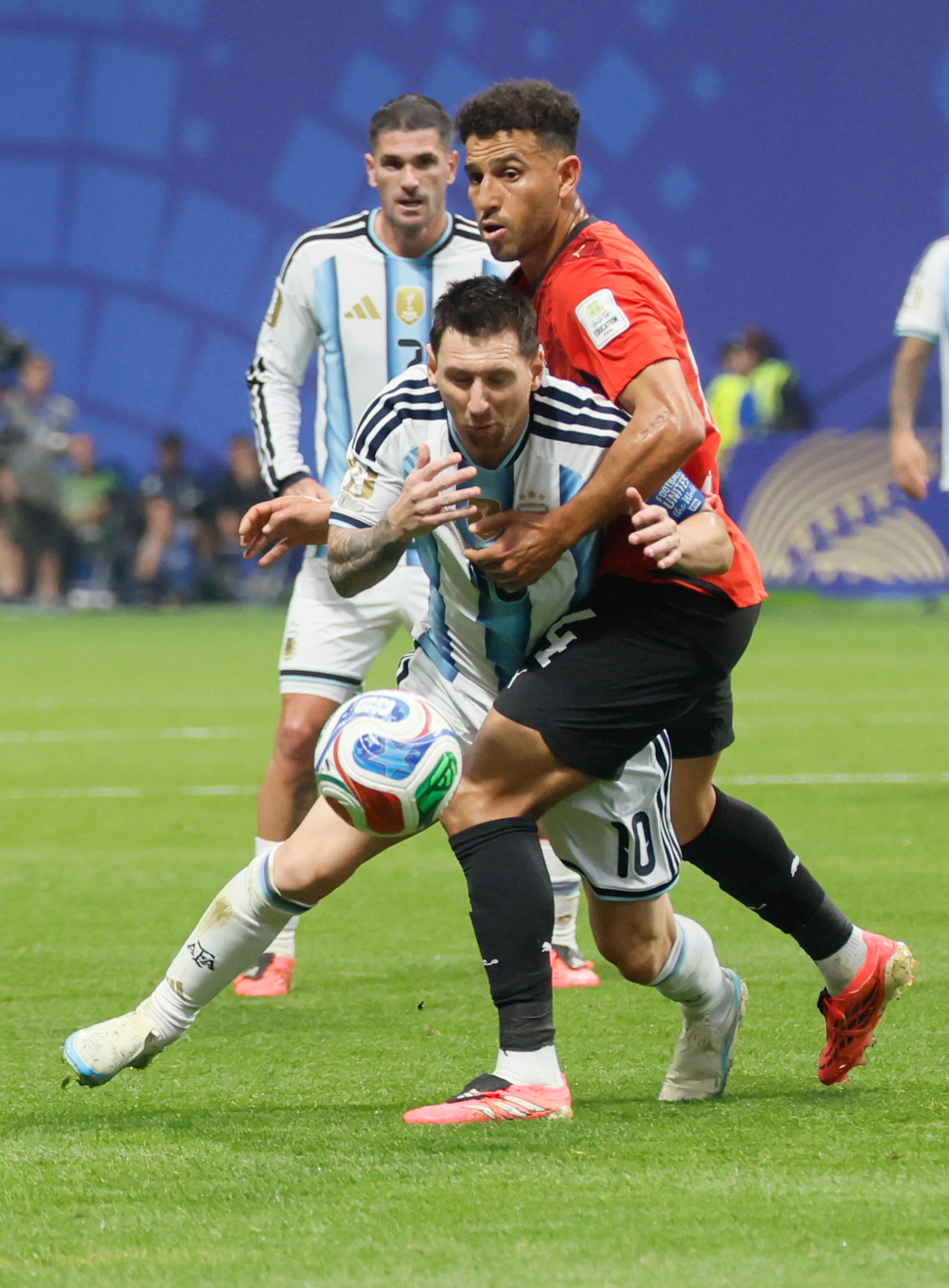
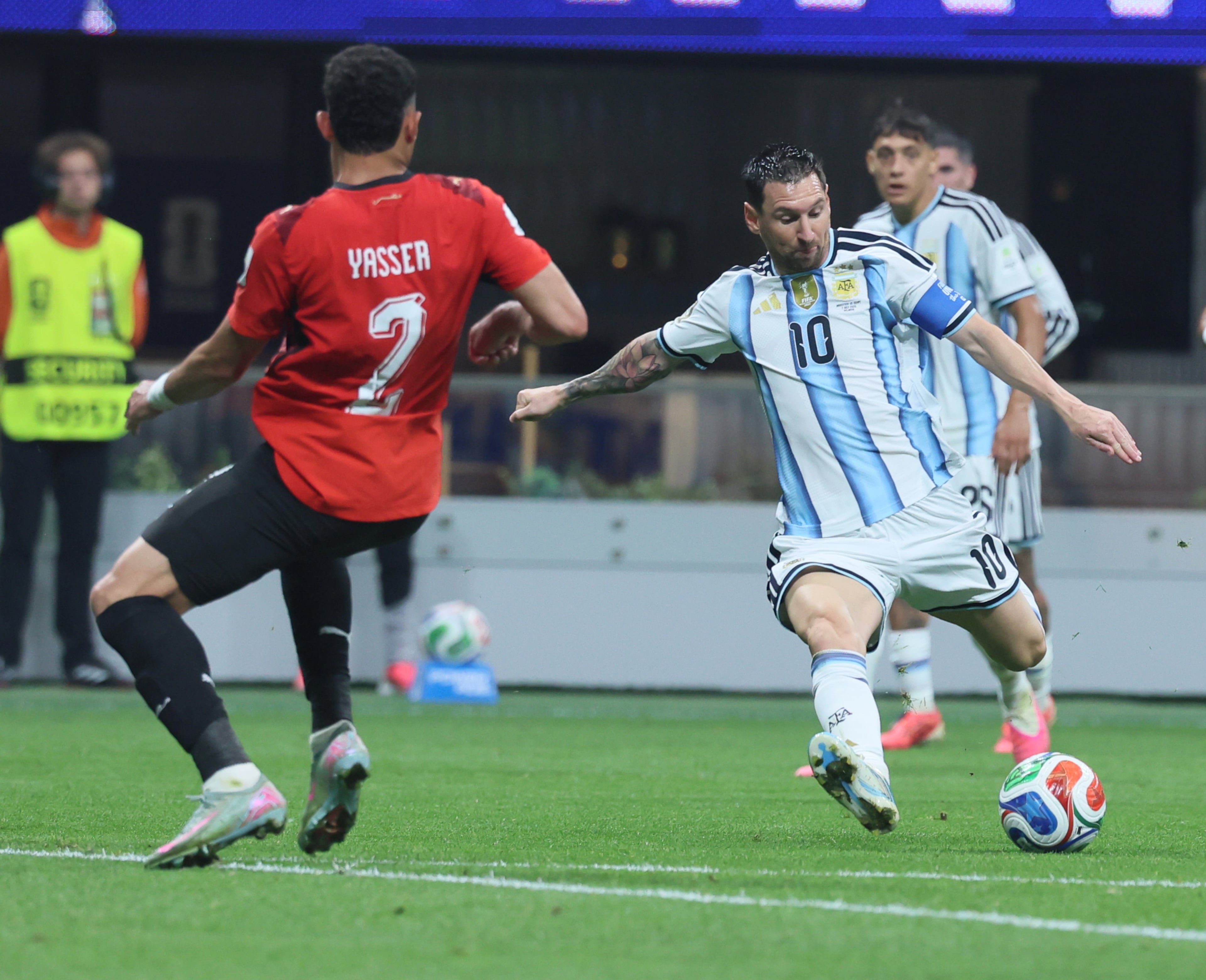
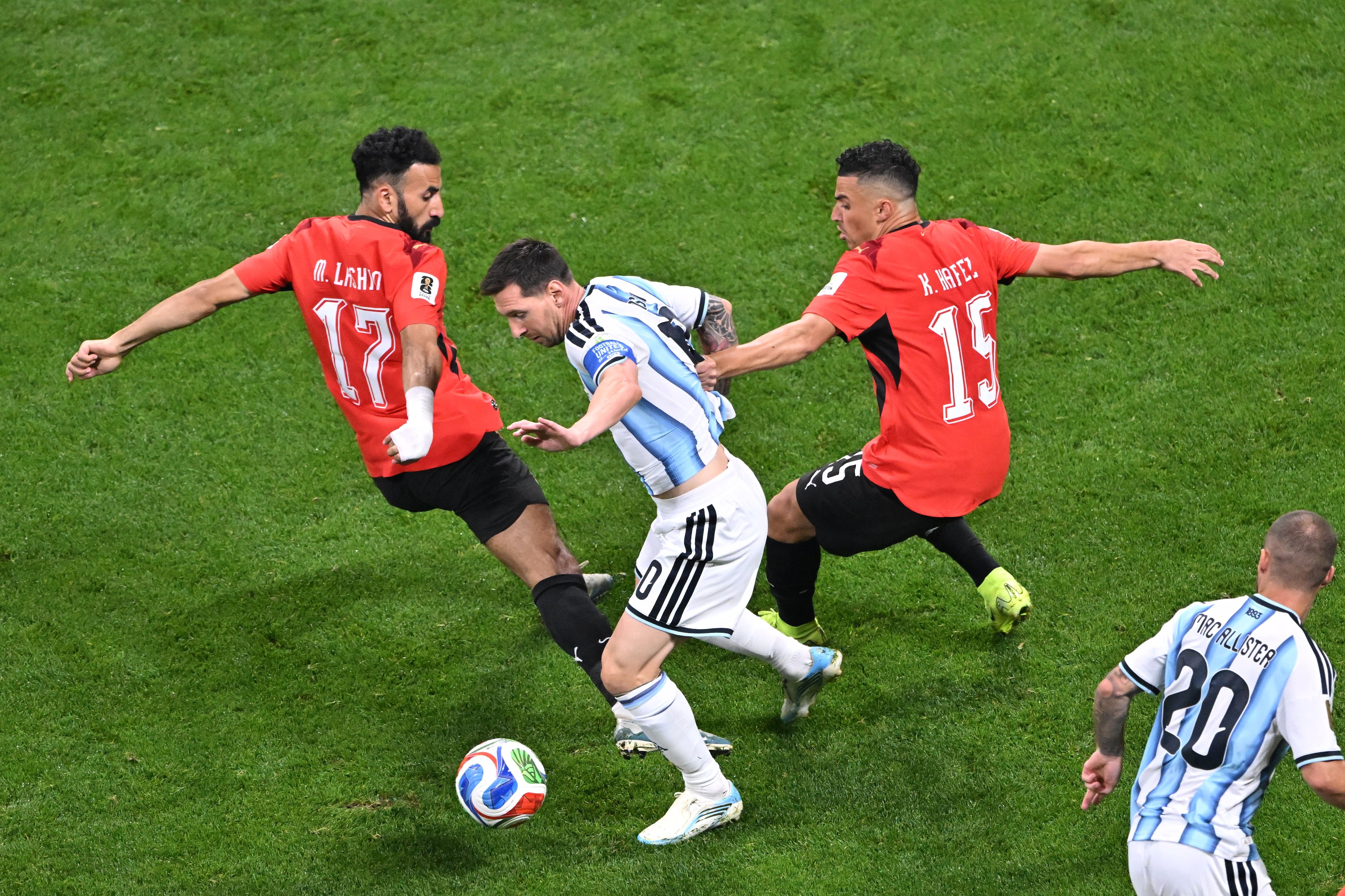
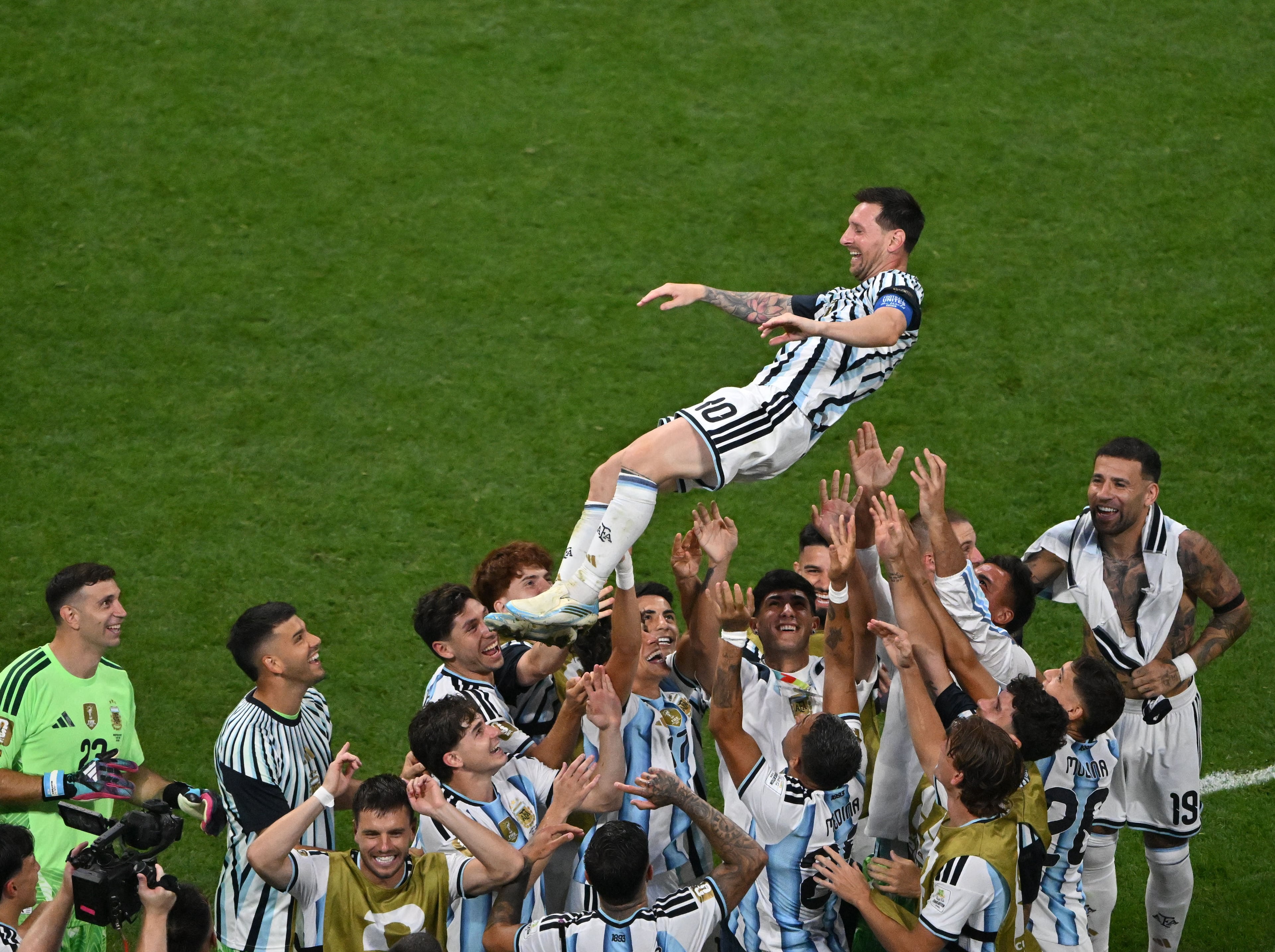
But then, surely and perhaps inevitably, the champions roared back, led by the indomitable Messi. He assisted on Argentina’s first goal in the 79th minute and delivered the half-volleyed equalizer off his left foot in the 83rd, the goal triggering an unusually exuberant celebration from the legend.
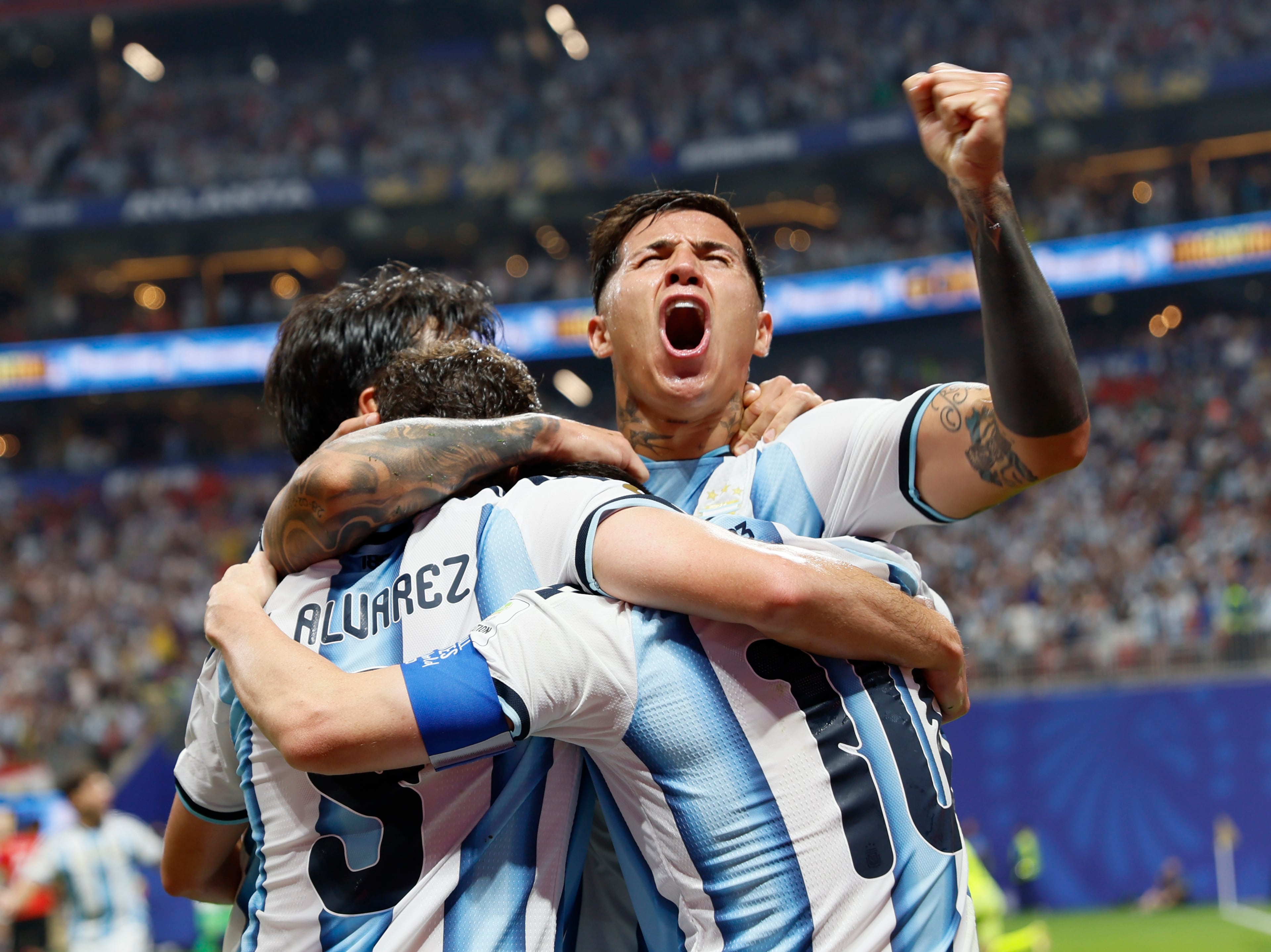
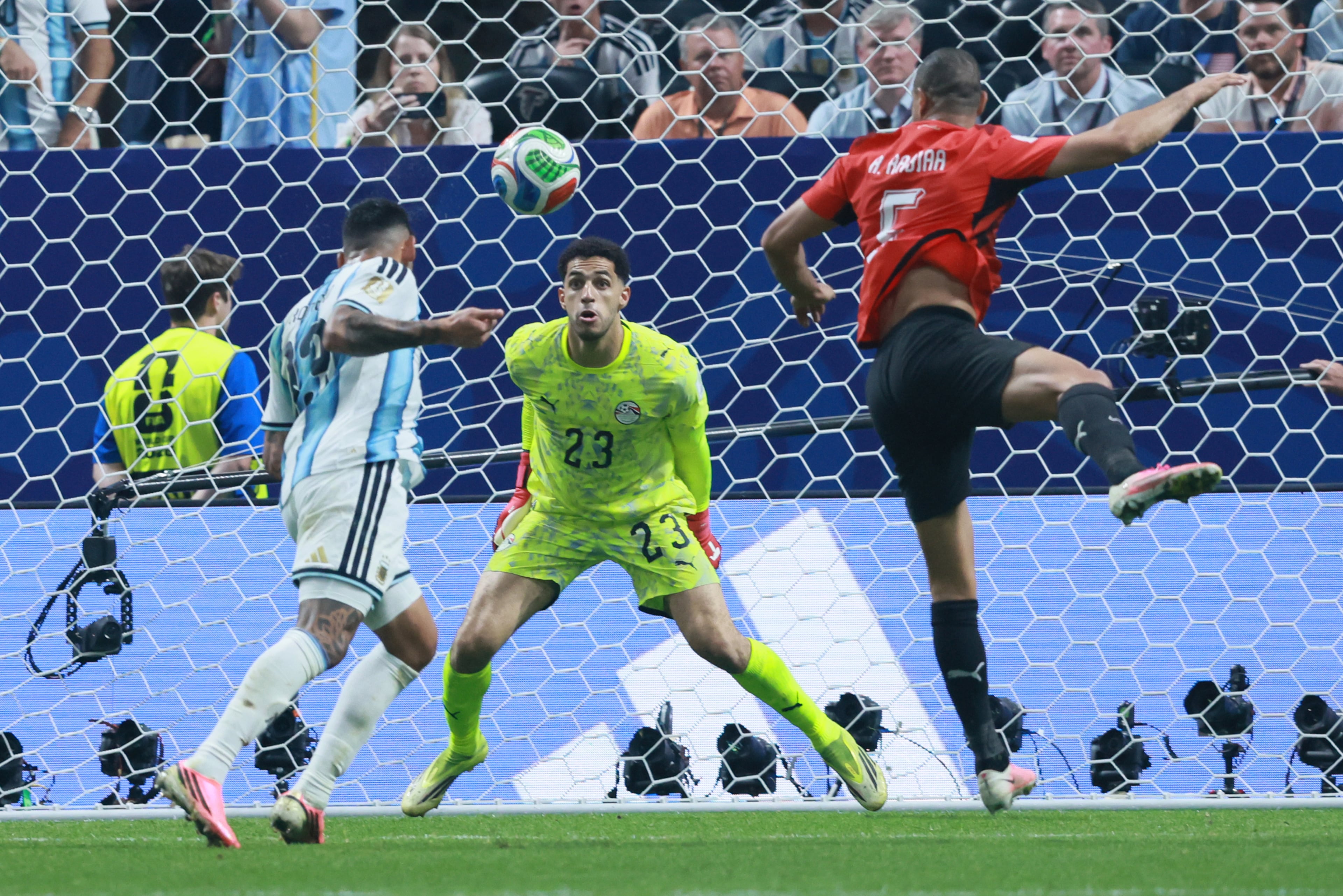
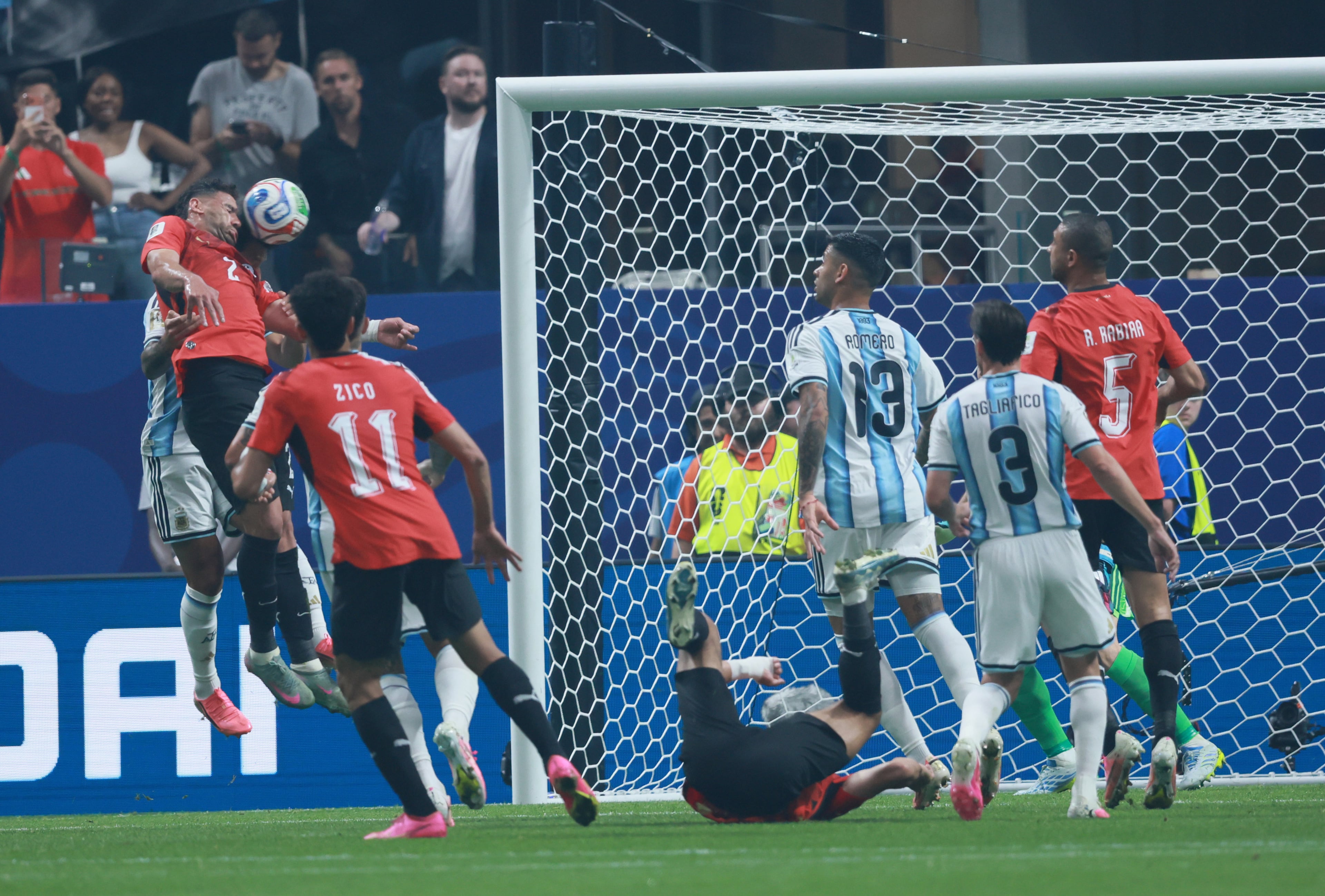
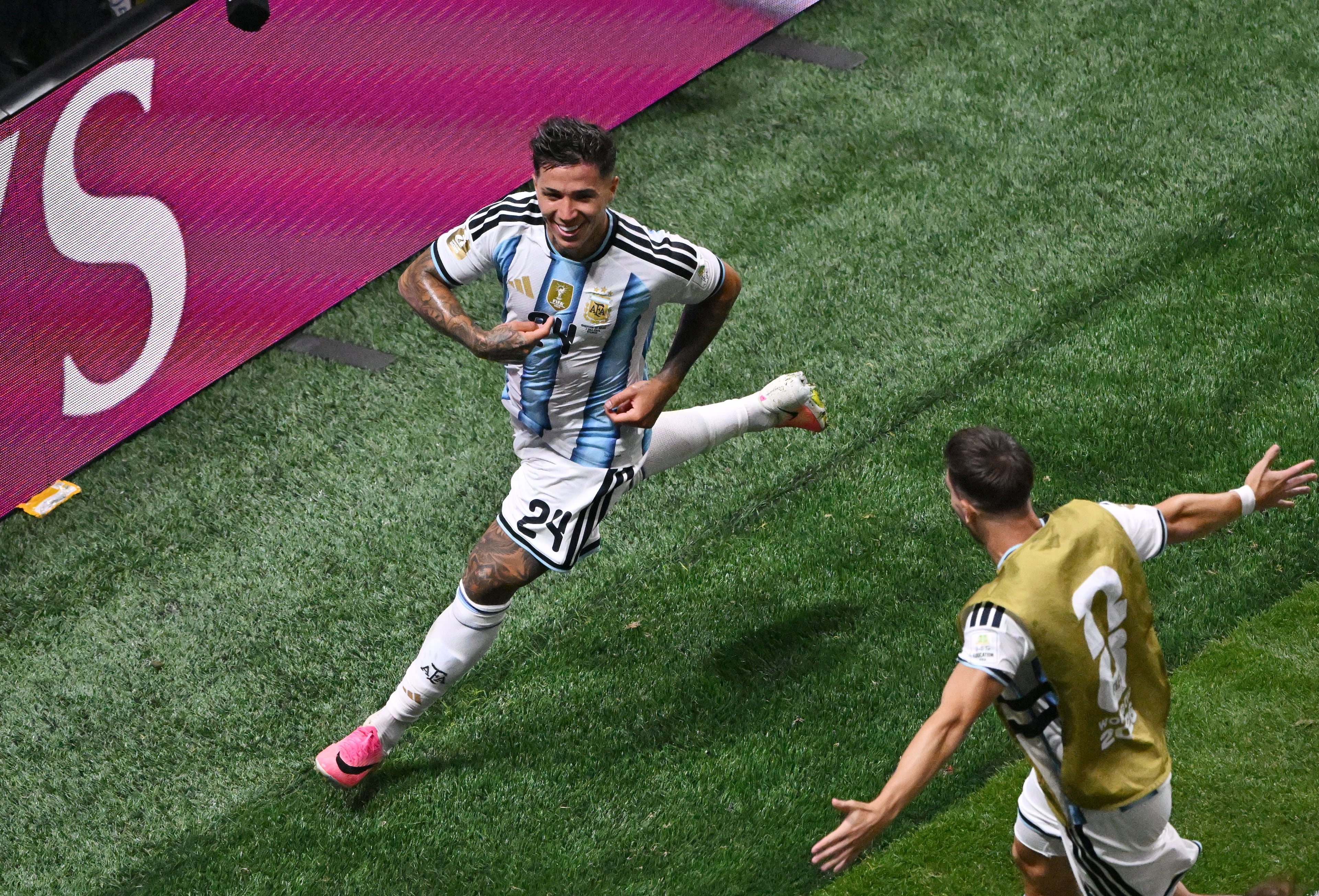
And then finally, staggeringly, came the game-winner in the second minute of stoppage time, an against-the-grain header to the back post by midfielder Enzo Fernández.
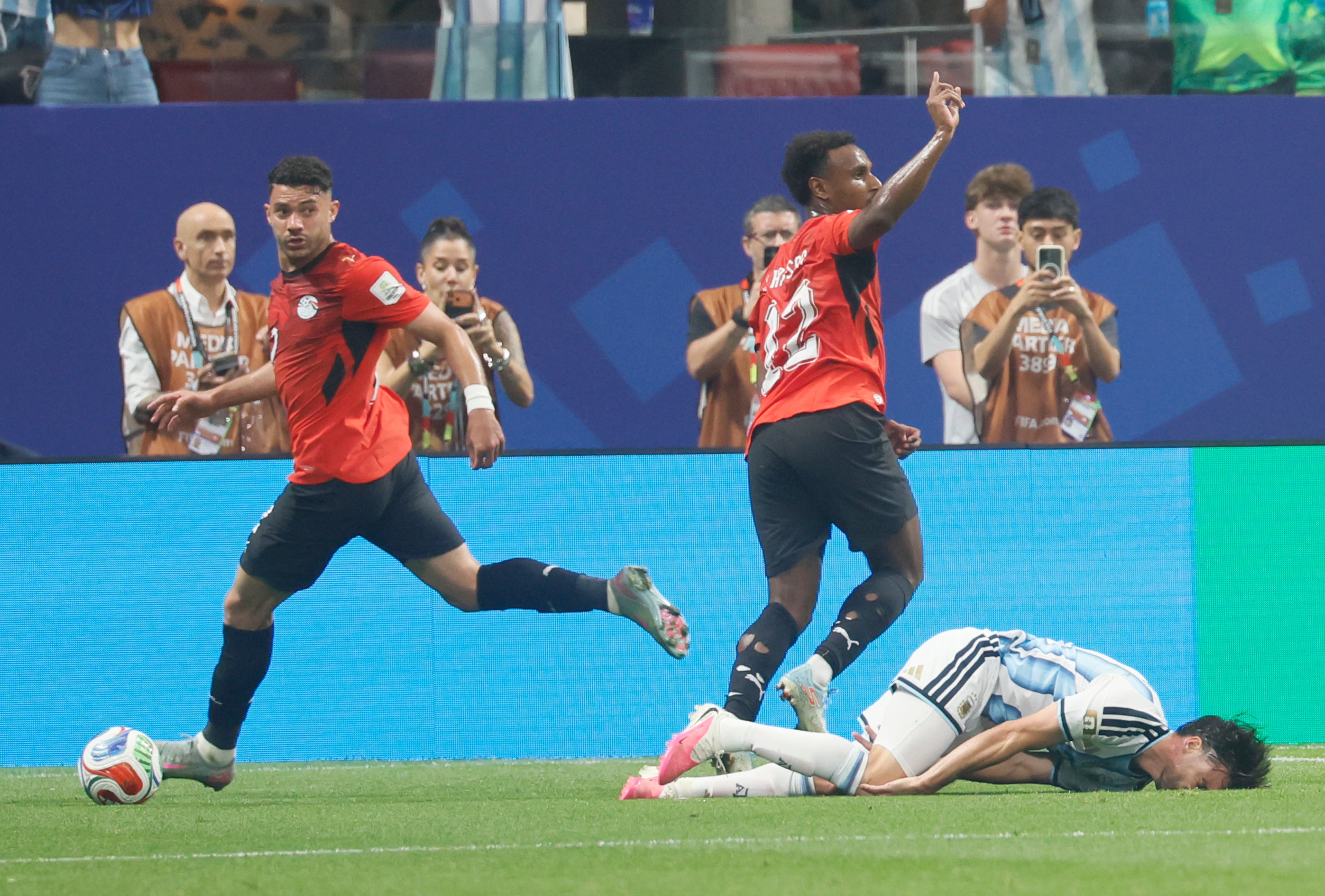
That goal prompted a protest from Egyptian players, likely arguing that referee François Letexier had ignored a foul in the Argentina 18-yard box before the successful counterattack.
It resembled the circumstances of Egypt’s disallowed goal. That would-be score was wiped out when video replay determined a foul had occurred at the time of an Argentina turnover deep in the Egypt end, about 15 seconds before the eventual goal.
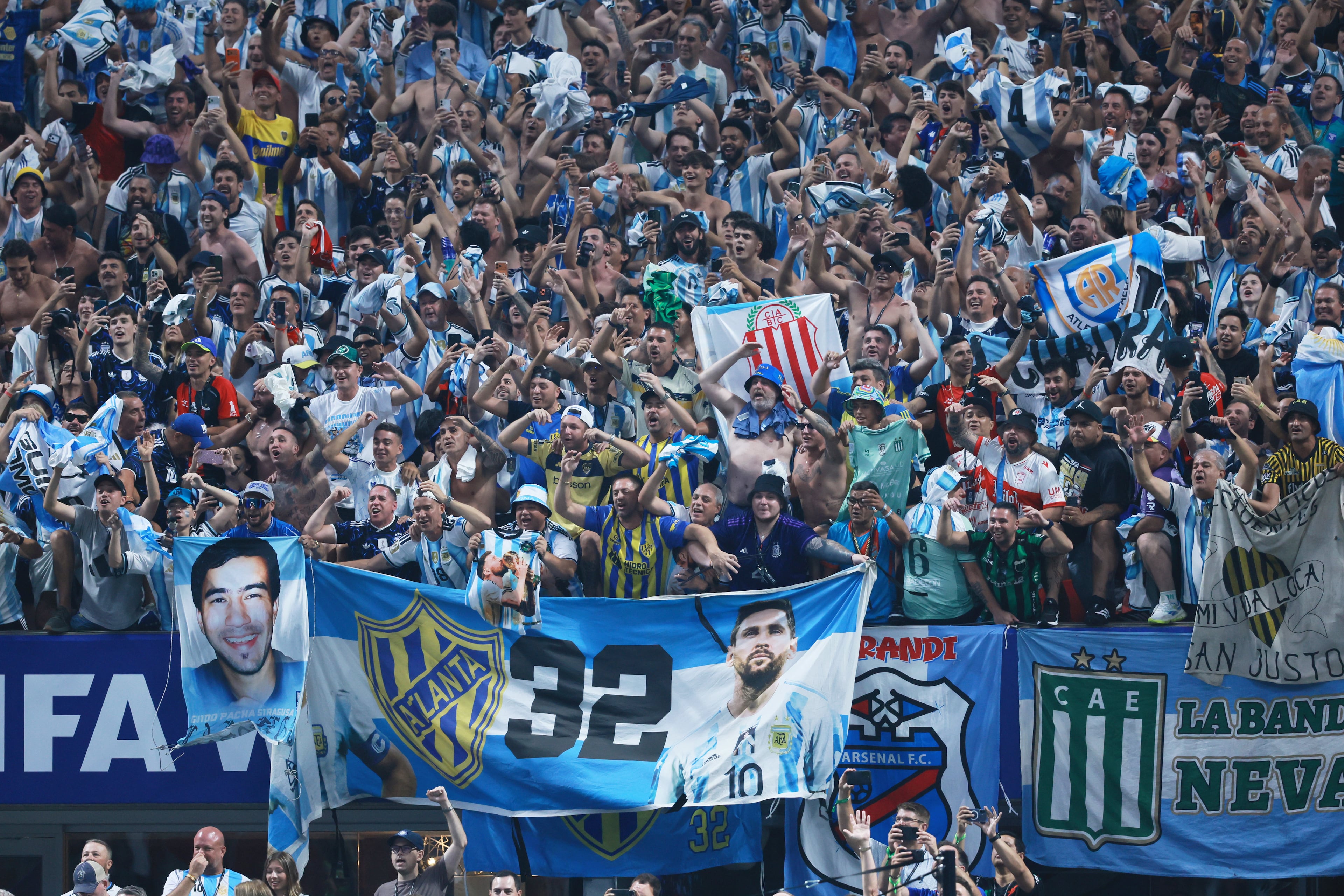
But the pleading went ignored, the minutes bled away and Argentina had its place in the quarterfinals. A stadium rang with singing, shouting, banging drums and celebrations with a volume and fervor that rivaled and perhaps outdid anything experienced here in an SEC championship game. Fans continued singing for more than an hour after the game.
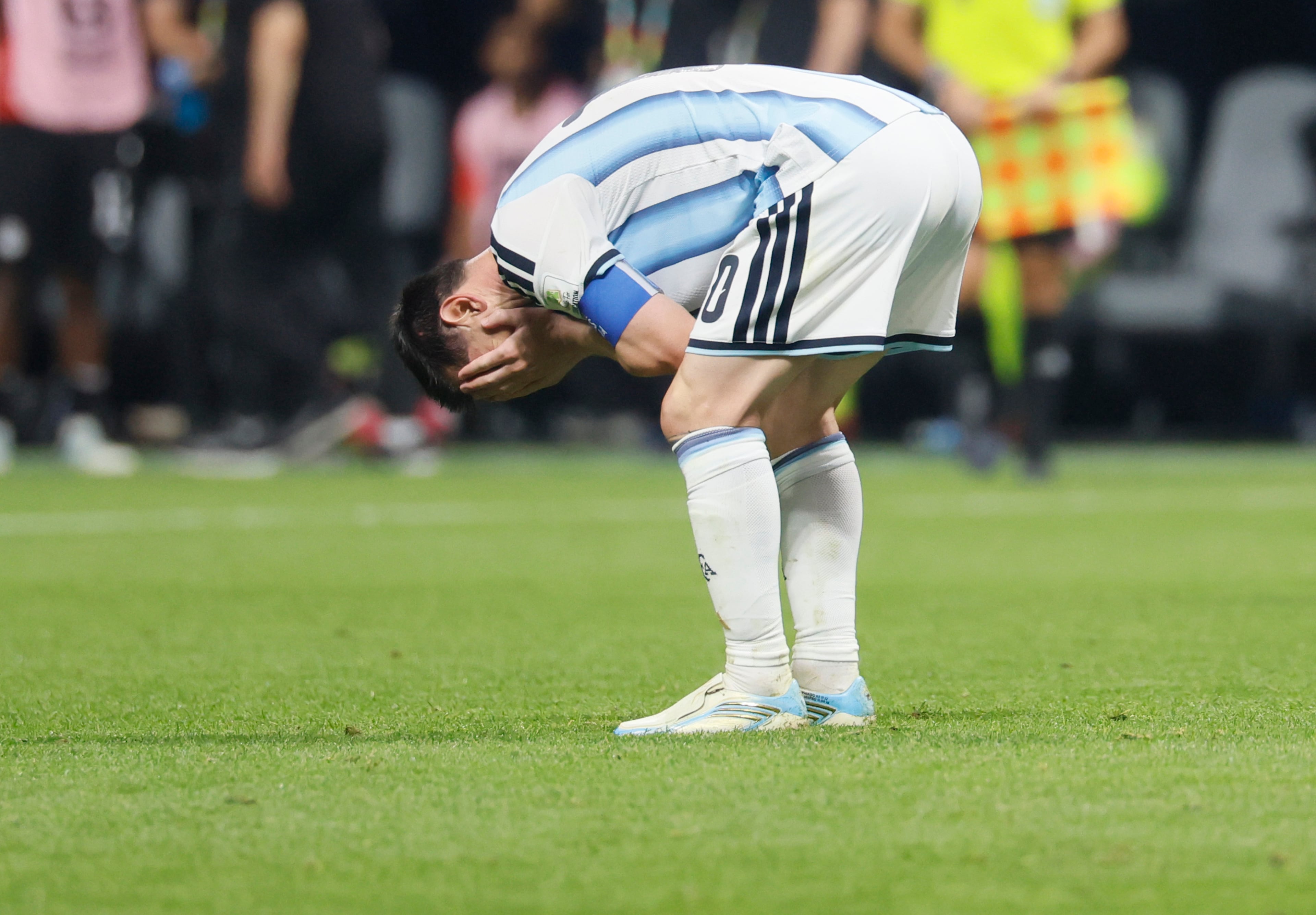
His time in the Argentina white and blue jersey extended, Messi shed tears after the final whistle, barely audible in the din. Likewise overcome, Zico did the same as he spoke with Egyptian media after the game.
On this wild afternoon, they surely weren’t alone.
You can now get my column sent straight to your inbox. Sign up for my newsletter here.