Pride of a nation: Congo’s World Cup run comes to an end
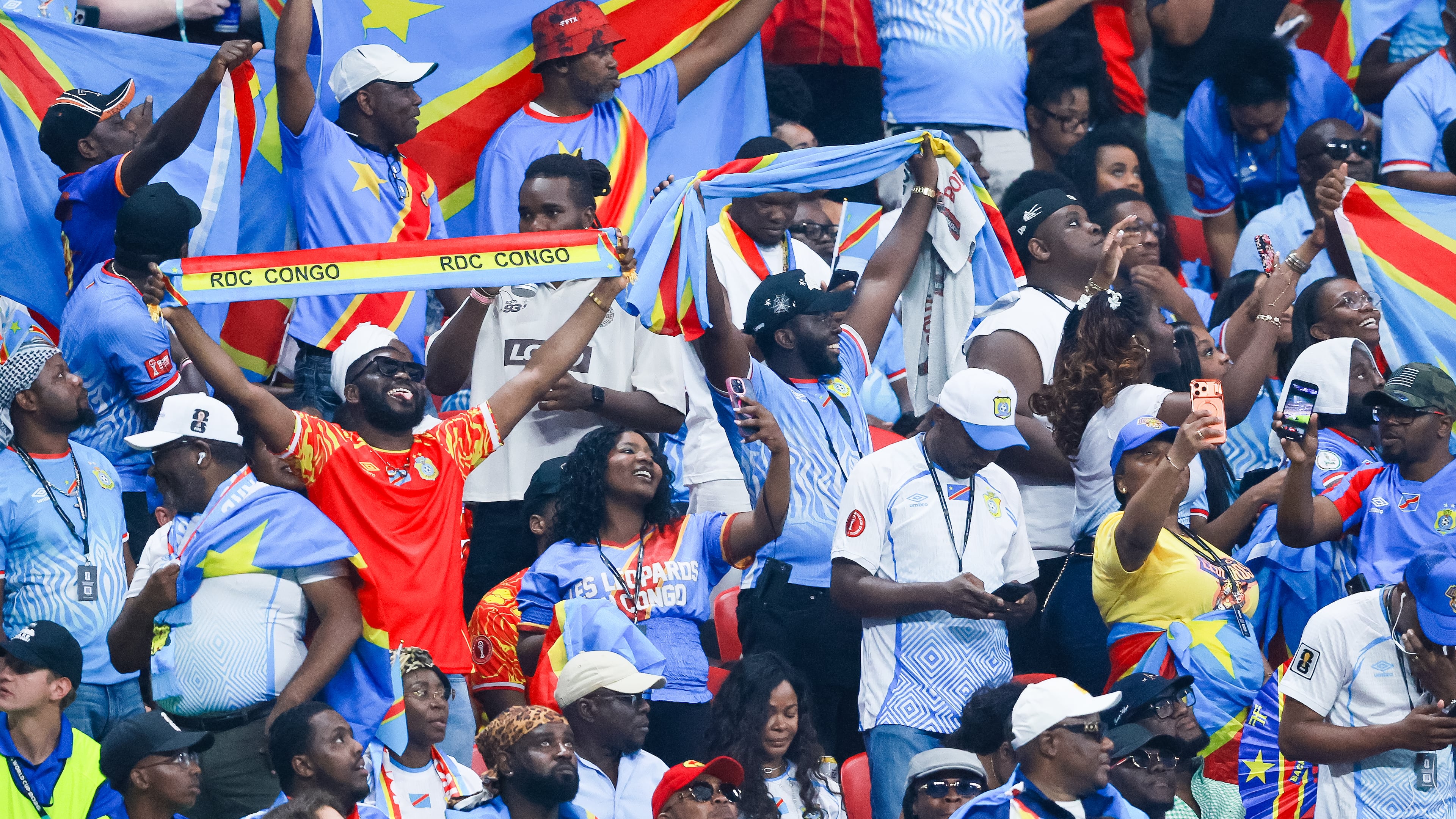
One word to sum up the Congo’s historic run in the 2026 World Cup: proud.
The team is proud, the coach is proud, the nation is proud — and they have a lot to be proud of.
The country watched their team compete in its first World Cup in more than half a century, and they made it to the knockout stage for the first time in history.
Despite the 2-1 loss to England in the round of 32 knockout stage at the World Cup, the team’s success to get this far in the tournament has sparked hope across a nation riddled with new and ongoing turmoil.
Amid the stress of Ebola and an ongoing war in the eastern part of the country, Moses Sawasawa, a photojournalist in Congo and cofounder of photography collective Collectif Goma Oeil, said there was only one message to convey to the team, no matter the result against England.
“Congratulations,” he said. “The Congolese are proud.”
“It has given hope back to an entire nation and proven that Congolese soccer has a place on the world stage.”

Sawasawa said the tournament has reduced stress among the Congolese people, and that just qualifying for the tournament — not to mention making it to the knockout stage — was a source of pride for every Congolese person.
“The DRC has been at war for over 30 years, but that didn’t stop the Congolese from celebrating their qualification,” Sawasawa said. “People are interested and are following the DRC’s game, even in the early morning or late at night.”
But public gatherings in some regions have become a source of danger, due to the ongoing threat of the Ebola virus.
“Ever since the World Cup started, people have been gathering to watch the games in restaurants, outdoor cafes, and nightclubs, but then a statement was issued banning all that ... because of the Ebola virus the government has banned all gatherings and group celebrations,” Sawasawa said.
The government issued a ban on public events and celebrations in four of its major provinces, due to the deadly Ebola virus outbreak.
The government cited concerns over proximity to those provinces that have been impacted presenting possible risk of transmission. On Monday the largest city in eastern Congo which is currently held under rebel control, banned any celebrations specifically tied to sports events.
The last time the country competed in the World Cup was in 1974 under the country name Zaire. The team lost all three of their group matches and was eliminated in the first round.
“Les Léopards,” French for “The Leopards,” as the team is known, is coached by Sebastien Desabre. When he took over the team four years ago, they were 72nd in the FIFA rankings — today, they are ranked 41st.
Desabre told The Atlanta Journal-Constitution Saturday night after they defeated Uzbekistan 3-1 and started looking ahead to Wednesday’s match against the powerful English team, that “we will, of course, be the challenger against England.”
He was right.
The outcome was not in their favor, but they didn’t make it easy for England. Les Leopards had the entire stadium believing they would win, for the majority of the match. With an early goal in the 7th minute scored by Congolese forward Brian Cipenga, England did not catch up until the 75th minute with a goal scored by England’s captain, Harry Kane. He then scored a brace in the 86th minute.
Yoane Wissa, a forward who scored three goals in the tournament, told reporters after defeating Uzbekistan 3-1 on Saturday he was not afraid to face the English side. “We deserve to play against England, one of the best in the world,” he said. Wissa was born in the UK and plays for Newcastle — he is one of six players on the DR Congo squad who plays in the English Premier League. If anyone knew the might of the Three Lions, it was him.
The weight of the country was on their shoulders, but according to the players, it was not a burdened weight. The country has already celebrated their accomplishments and was relishing their success.
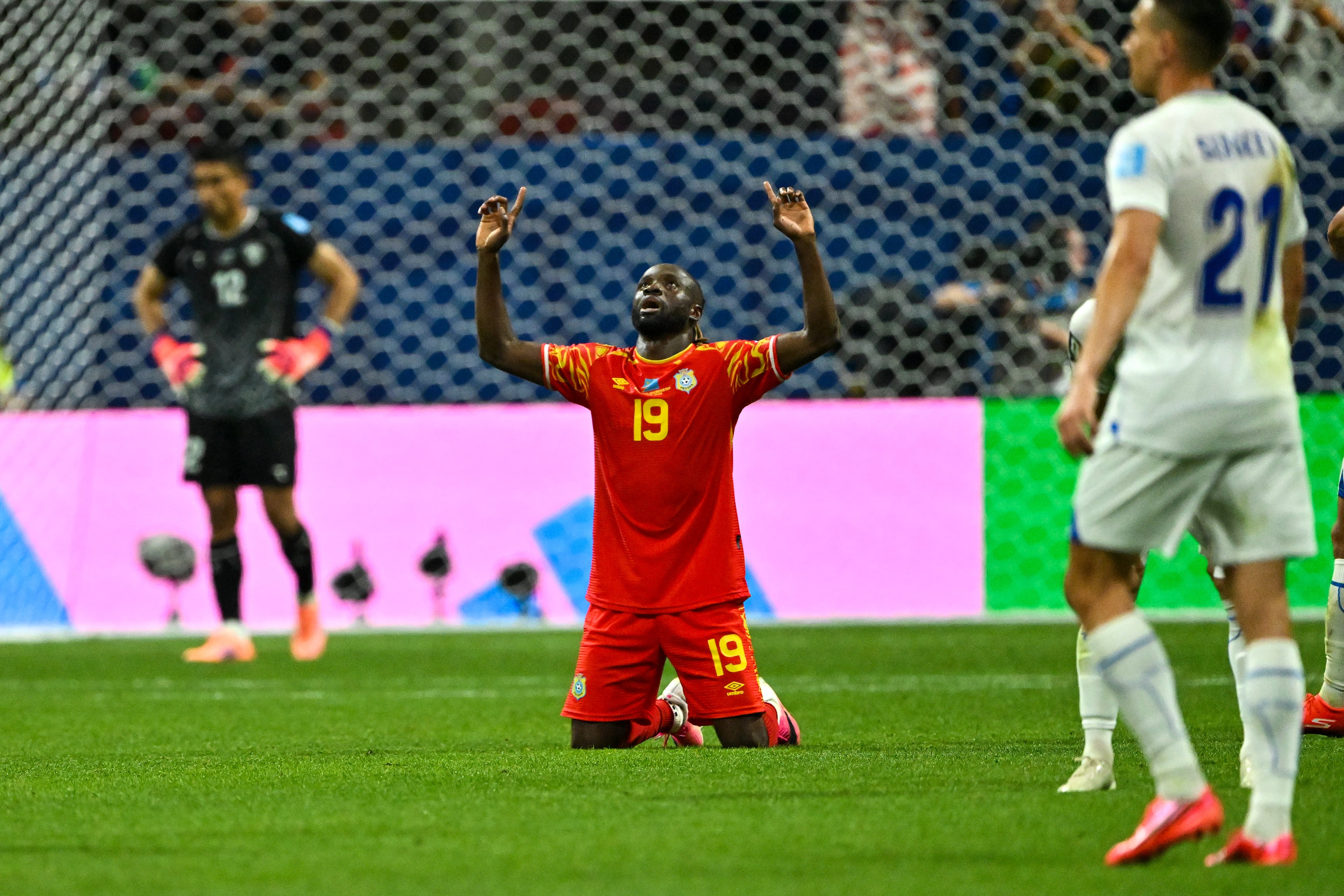
Fiston Mayele, another forward who scored one goal against Uzbekistan, said in an interview with FIFA that the team knows the impact their involvement in this tournament is having.
“It’s truly the only thing in the country that creates joy, a love for life, and brings us together,” he said.
Sawasawa called this team the hope of an entire generation.
“As a Congolese, this tournament means the world to me. It’s the first time in my life that I’ve seen my country compete in a World Cup. No matter the outcome, this team has already given us something unforgettable — the pride of seeing our flag among the greatest nations in soccer,” he said.
“It has given hope back to an entire nation and proven that Congolese soccer has a place on the world stage.”
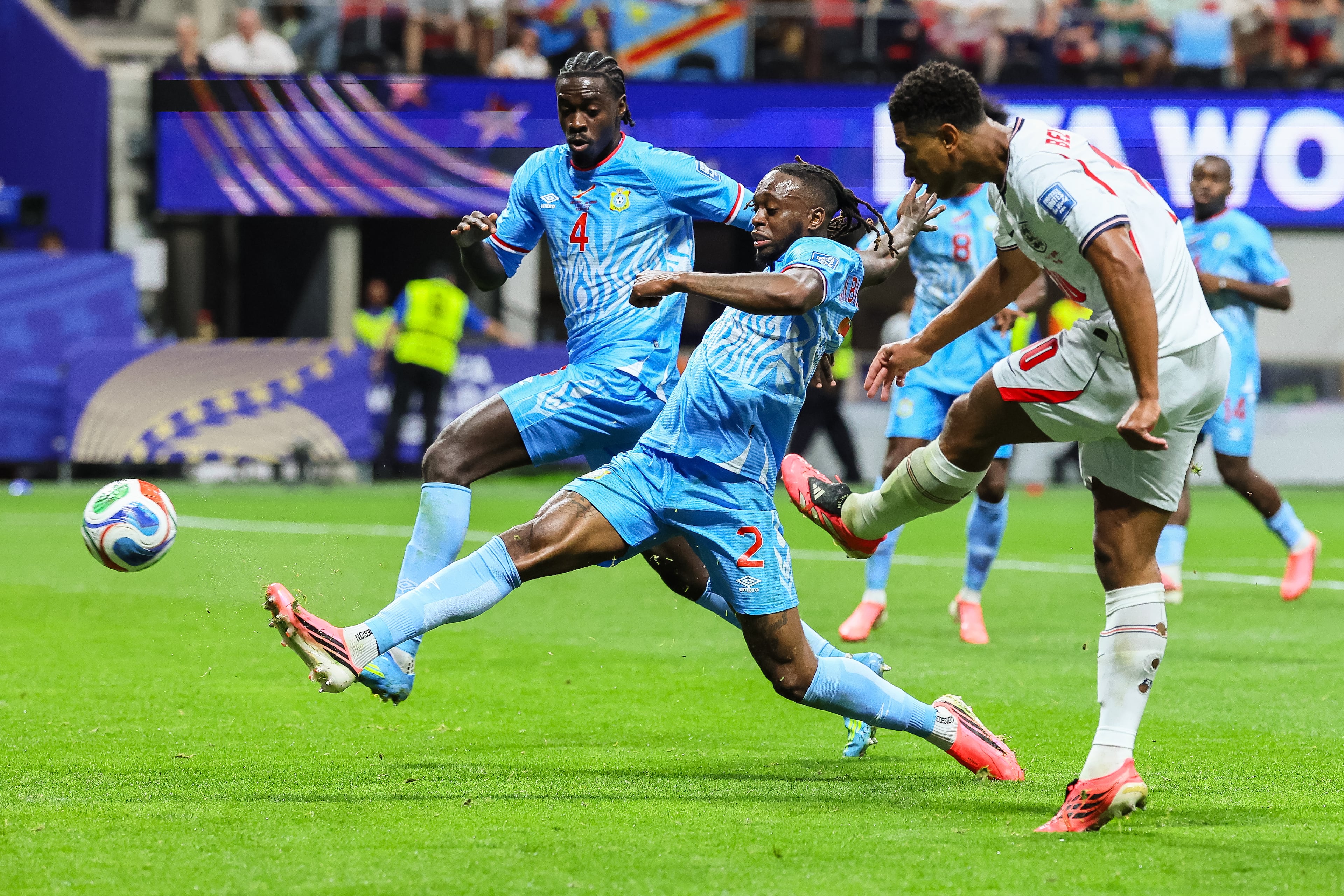
Axel Tuanzebe, a forward for the Congolese team told the media after the game on Wednesday that he takes the most pride in how far the team has come.
“From where we started, if you look at the whole World Cup campaign from qualifications to not quite getting that first position. And having to face adversity, having to play Cameroon, having to play Jamaica, having to play Nigeria and going through the long way to get to the World Cup’s good,” he said.
He said throughout the tournament, the team has shown its identity, and hopes that it will have an impact on others moving forward.
“I’m sure we’ve inspired a lot of other players who have eligibility to play for the national team, who want to step forward and represent. Hopefully, they can see what we’re doing and hopefully they’ll want to join.”