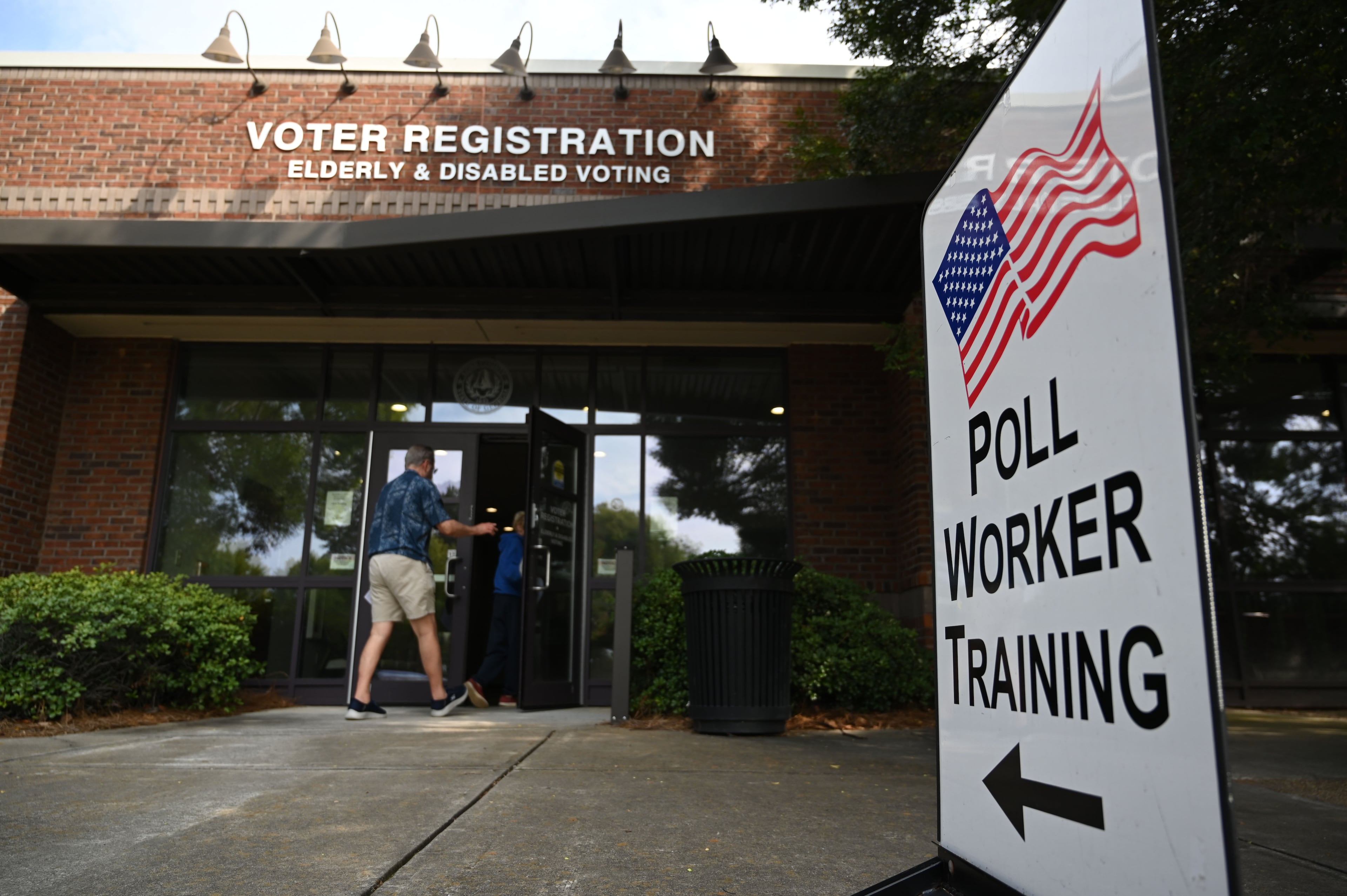
How Brad Raffensperger is still defying Trump in 2026
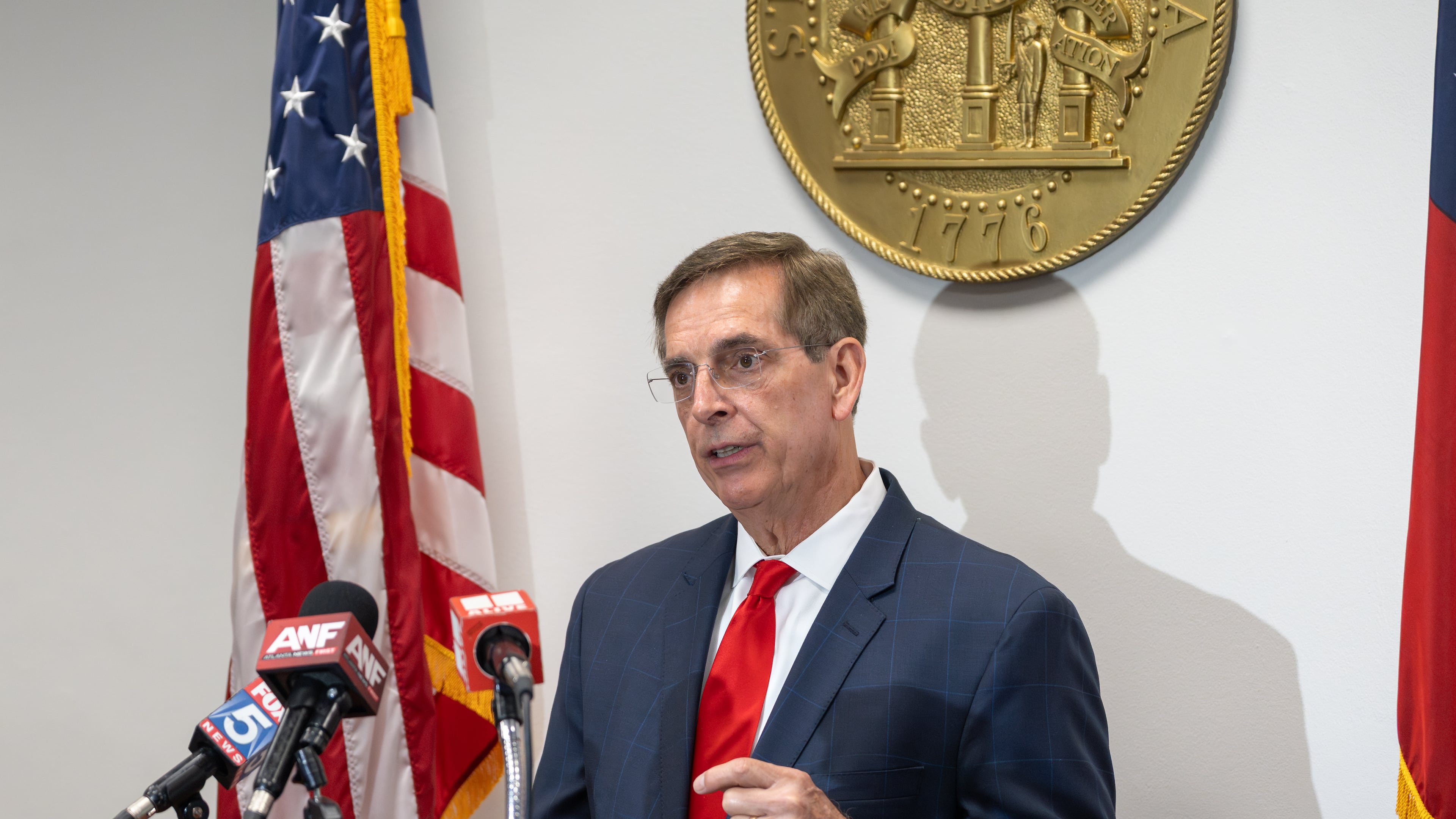
In his final year as Georgia’s secretary of state, Brad Raffensperger is trying to build confidence in the state’s elections at a time when the people running them are on edge.
President Donald Trump has never admitted that he lost Georgia in 2020, and his administration seized troves of Fulton County election records in January as part of an investigation into allegations of irregularities. Now, as the midterms approach, election workers in Cherokee County are being trained on what to do if federal agents show up at the polls.
“I feel more stressed than I do in 2022 and 2024,” Cherokee County Elections Director Anne Dover said.
Raffensperger became nationally known in 2020 as a Republican who refused to help Trump overturn the election results. This year, the 71-year-old engineer is gearing up for the last major election he’ll certify — all while the Trump administration attempts to assert more control.
Raffensperger has shied away from directly criticizing the president’s actions or rhetoric this year. But he has broadly opposed federal intervention in the electoral process and argued against the Trump administration’s plan to restrict access to mail ballots for the midterms. He’s also confronted the Republican majority on the State Election Board, prompting a lawsuit from the Republican nominee for lieutenant governor and others.
Raffensperger has characterized some of his actions as preserving the state’s authority to conduct elections. The U.S. Constitution grants states control over elections while giving Congress the power to pass election legislation. It doesn’t grant any explicit power to the president or the executive branch.
“At the end of the day, the states are running the elections and actually the counties do the hard work,” Raffensperger said in an interview.
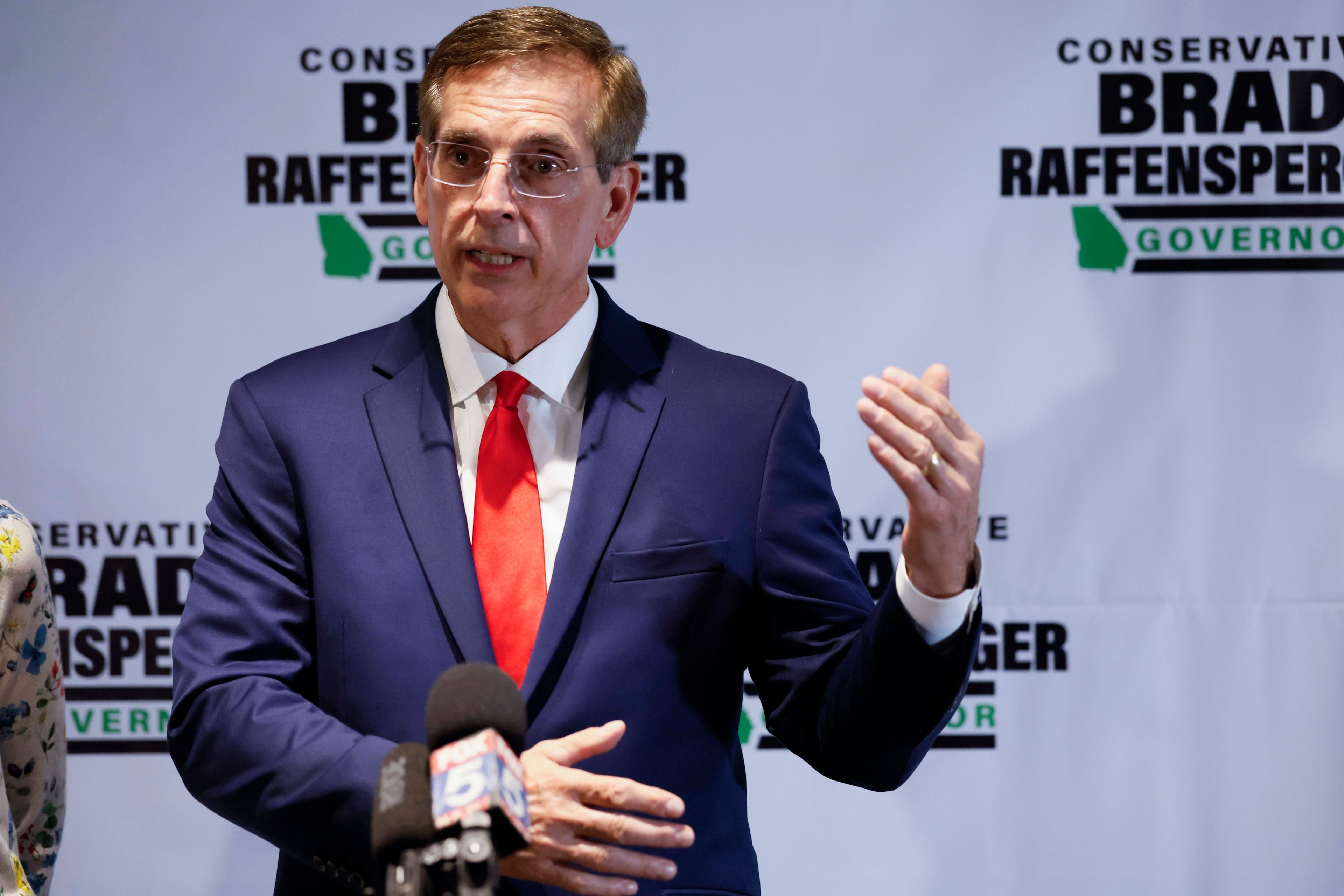
A rare spotlight
University of Georgia political science professor Charles Bullock said Raffensperger is likely among the most well-known secretaries of state in the nation, a position that whoever replaces him next year is unlikely to hold.
“It’s low profile here; it’s low profile everywhere,” Bullock said.
Often, secretary of state is a steppingstone along a politician’s path to higher office, as it was for Brian Kemp before he successfully ran for governor in 2018.
Raffensperger tried that as well. He built his 2026 campaign for governor on a reputation as a mainstream conservative Republican. He finished third in the primary, trailing MAGA-tinged opponents with deeper pockets.
Raffensperger has been hailed as a defender of democracy by liberals and old-school conservatives, who have commended his willingness to resist Trump. That reputation, however, has likely harmed his political career as a Republican in a party controlled by Trump. The president and some of his supporters have cast him as a scoundrel after the 2020 election — an election that, six years later, continues to influence Georgia politics.
That became clear earlier this year when the FBI seized troves of records from Fulton County apparently connected to Trump’s long-held false belief that the 2020 election was rigged. Some conservative activists are eagerly awaiting results of the criminal investigation. No charges have been announced months after the Jan. 28 raid. But threats against election officials have only escalated since then.

The U.S. Department of Justice in July warned election officials in Georgia and every other state they could face prosecution for knowingly letting noncitizens vote and has demanded states hand over sensitive voter registration information to the administration.
Raffensperger has refused to hand over Georgia’s sensitive voter data to the Justice Department, arguing doing so would be reckless and illegal. The Trump administration sued. The lawsuit is pending, but the administration has lost about two dozen similar cases against other states.
Raffensperger’s willingness to resist Trump has drawn ire from his Republican colleagues in the state Legislature. During this year’s legislative session, Republican state senators passed a resolution urging him to turn the voting records over to the administration.
The resolution characterized Raffensperger’s rebuff as the “latest example of a pattern of behavior by the Secretary and his office to refuse oversight of his administration of Georgia’s elections.”
Raffensperger has embraced other Trump administration efforts. He has long focused on identifying noncitizen voters. He’s championed using an overhauled federal database to determine voter eligibility and conducted voter roll reviews to identify noncitizens in Georgia — even as evidence shows such voters are rare.
But perhaps nowhere else have intraparty squabbles plagued him more in recent years than his relationship with the State Election Board. The Republican-controlled state Legislature made him a nonvoting member in a sweeping 2021 voting law, passed in the wake of the GOP losing both the presidency and Georgia’s two U.S. Senate seats. Lawmakers completely removed Raffensperger from the board in 2024.
In the years since, Raffensperger’s office has had skirmishes with the board, whose meetings conservative activists have used as a platform to cast doubts about the state’s elections.
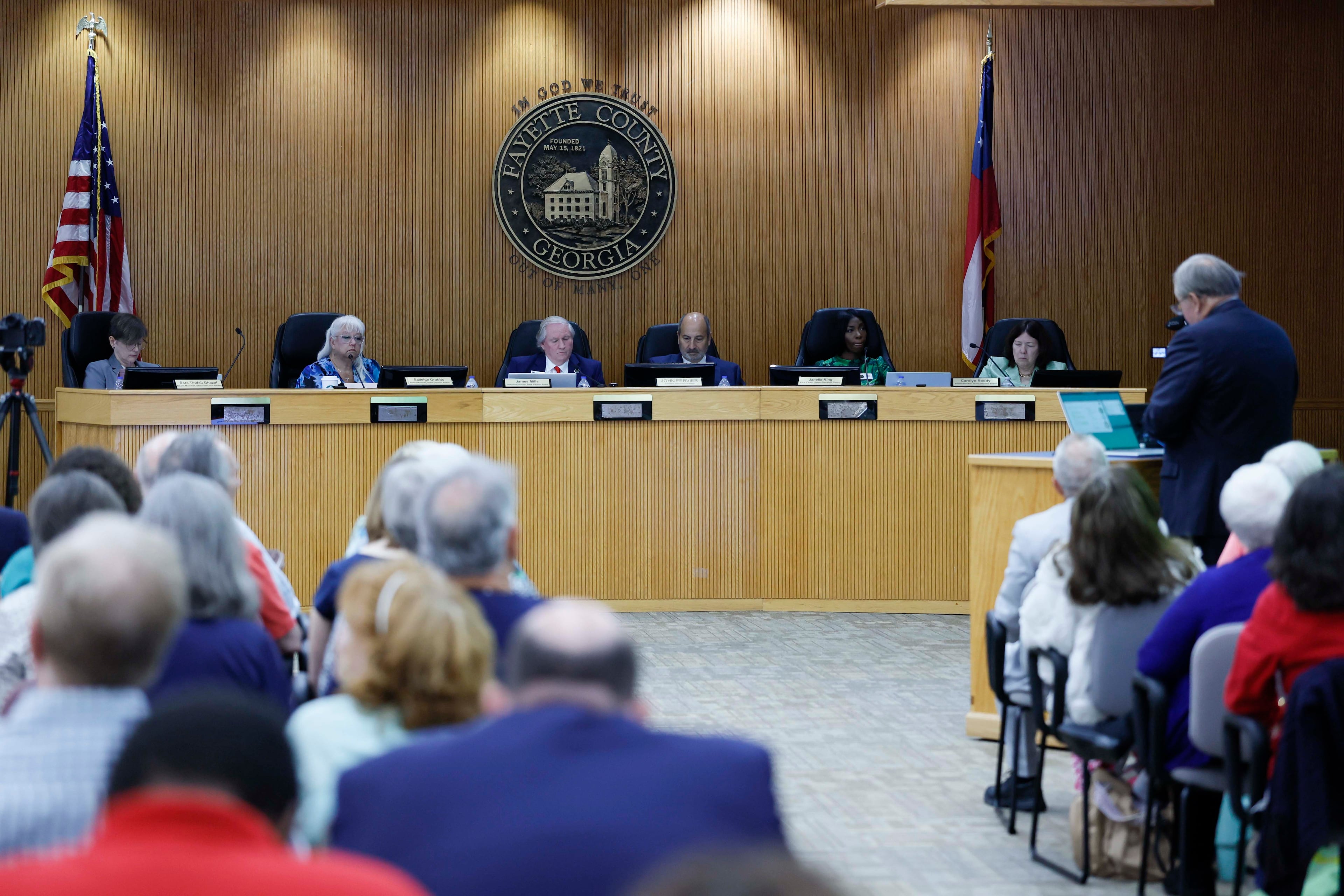
Salleigh Grubbs, an appointee of Republican Lt. Gov. Burt Jones, said Raffensperger has “not done his job to secure our election system,” pointing to the state’s voting system that has never been updated to address known security flaws. The board’s right-wing majority then adopted a resolution urging the secretary to implement such upgrades that would reportedly address a privacy flaw in the voting system.
That prospect seems unlikely. The Legislature has not approved funding to upgrades a system it expects to replace by 2028.
Raffensperger recently downplayed the board’s power and labeled it “dysfunctional.” He said the Legislature removing him from the board was “counterproductive.”
For now, Raffensperger has launched an initiative with a bipartisan group of local election officials and others aimed at bolstering confidence in Georgia’s system. He’s touted Georgia’s voting and auditing processes, plus its speed in reporting results on election night.
“We all have parents. They used to tell you nothing good happens after 11 p.m., be home by 11,” Raffensperger said at a recent Rotary Club of Atlanta Ascent meeting. “Well, I think the same thing with elections because what happens after when you don’t get the results in? It’s just a breeding ground of conspiracy theories.”