Most ‘noncitizen voters’ DHS found in Georgia were never voters at all
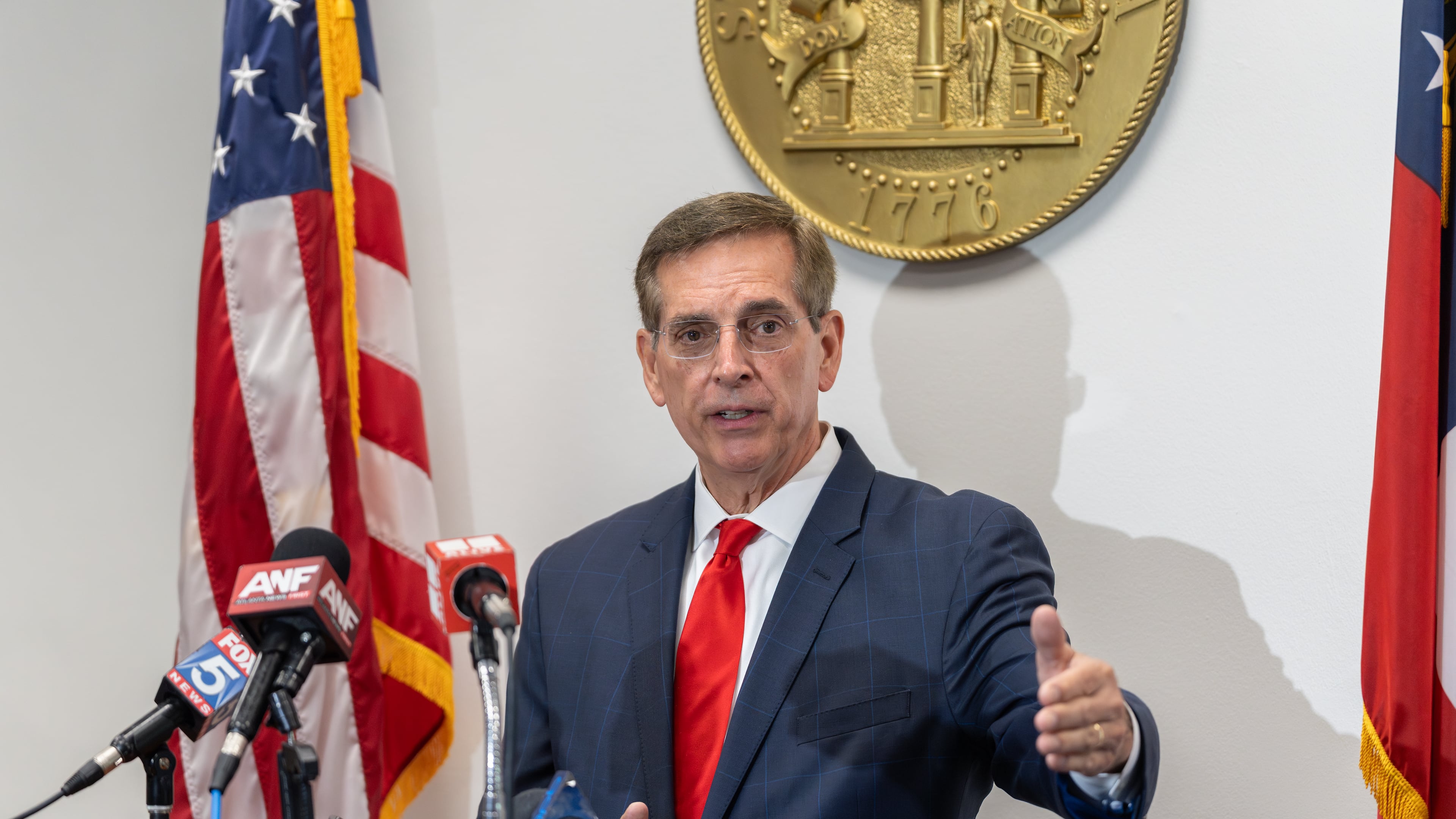

The U.S. Department of Homeland Security claims to have found about 2,500 noncitizen voters in Georgia, according to a report released during President Donald Trump’s speech Thursday on election security.
But it’s not that simple.
Most of the people flagged by DHS had applied to become registered voters but were in a “pending” status, according to the secretary of state’s office.
Other Georgians on the federal list were registered to vote but later moved to pending after the state received the DHS notification.
Georgia has 8.1 million registered voters as of Friday. But only about 150 registrants identified as possible noncitizens by DHS had previously voted, the secretary of state’s office said.
If a noncitizen wanted to vote in Georgia, there would be many legal hurdles. State law requires voters to show evidence of citizenship before registering to vote. And all voters must show ID before voting in person or by absentee ballot.
The Systematic Alien Verification for Entitlements database, a resource from DHS used to verify citizenship status, has been known to mistakenly flag American citizens as noncitizens in some states that use it to check voter rolls. Despite known inaccuracies in DHS’ system, Republican Secretary of State Brad Raffensperger has championed its use.
“As a national leader in election integrity, we continue to urge the Trump administration to restore access to the SAVE database so every state can verify citizenship and maintain accurate voter rolls, as Georgia does,” Raffensperger said in a statement after Trump’s speech.
Noncitizen voting is exceedingly rare. In Georgia, previous citizenship audits conducted by Raffensperger’s office have found minuscule numbers of noncitizen registrants. In 2024, the office found 20. Only nine of those had actually voted in a Georgia election.
The SAVE program is used by government agencies across the country to help prevent government benefits from going to noncitizens. Georgia and other states have used it to check voter rolls after the Trump administration expanded its search abilities last year — part of the administration’s efforts to insert the federal government into elections.
But the recently revamped SAVE database has already been tangled in court. Two federal judges have offered conflicting rulings over changes to the system, including a Social Security number search.
Trump has long made specious claims about widespread noncitizen voting — rhetoric he continued during his primetime speech Thursday. In addition to claims of large numbers of noncitizens casting ballots, the Trump administration recently warned states they could be criminally charged if they knowingly allowed noncitizens to vote.
On Friday, U.S. Homeland Security Secretary Markwayne Mullin doubled down on dubious claims about noncitizens voting en masse and warned that state officials could miss out on funding or face punishment if they fail to comply with Trump’s purported effort to secure elections.