Bottoms challenges Jackson to trio of televised debates in governor’s race

Today’s newsletter highlights:
- Some House members worry the Senate could adjourn early again.
- GOP lawmakers kept Brian Kemp’s bad month from getting worse Monday.
- The U.S. Senate approved a bill aimed at making housing more affordable nationwide.
The debate stage

Democratic nominee for governor Keisha Lance Bottoms called for three televised debates against Republican nominee Rick Jackson, including at least one town hall-style event where voters can ask questions directly.
Bottoms has already committed to the Atlanta Press Club’s Oct. 12 debate and said her campaign is seeking additional forums in other regions of the state.
The move puts the pressure squarely on Jackson, who notably skipped a head-to-head debate with Lt. Gov. Burt Jones during the Republican runoff campaign.
If he accepts Bottoms’ challenge, the three forums would mark the largest number of Georgia gubernatorial debates in more than a decade.
“Georgians deserve to hear directly from their candidates for governor,” Bottoms said. “I look forward to continuing to share my vision for Georgia on the debate stage, and I call on Rick Jackson to join me.”
Things to know
Good morning! Here are three things to know today:
- Republican leaders tamped down two of Georgia’s most politically explosive issues before the 2026 election. But that doesn’t mean the party’s activist base is happy about it, writes Greg Bluestein.
- Georgians will have to wait at least one more day to see how votes will be counted this fall and beyond, Caleb Groves and David Wickert report.
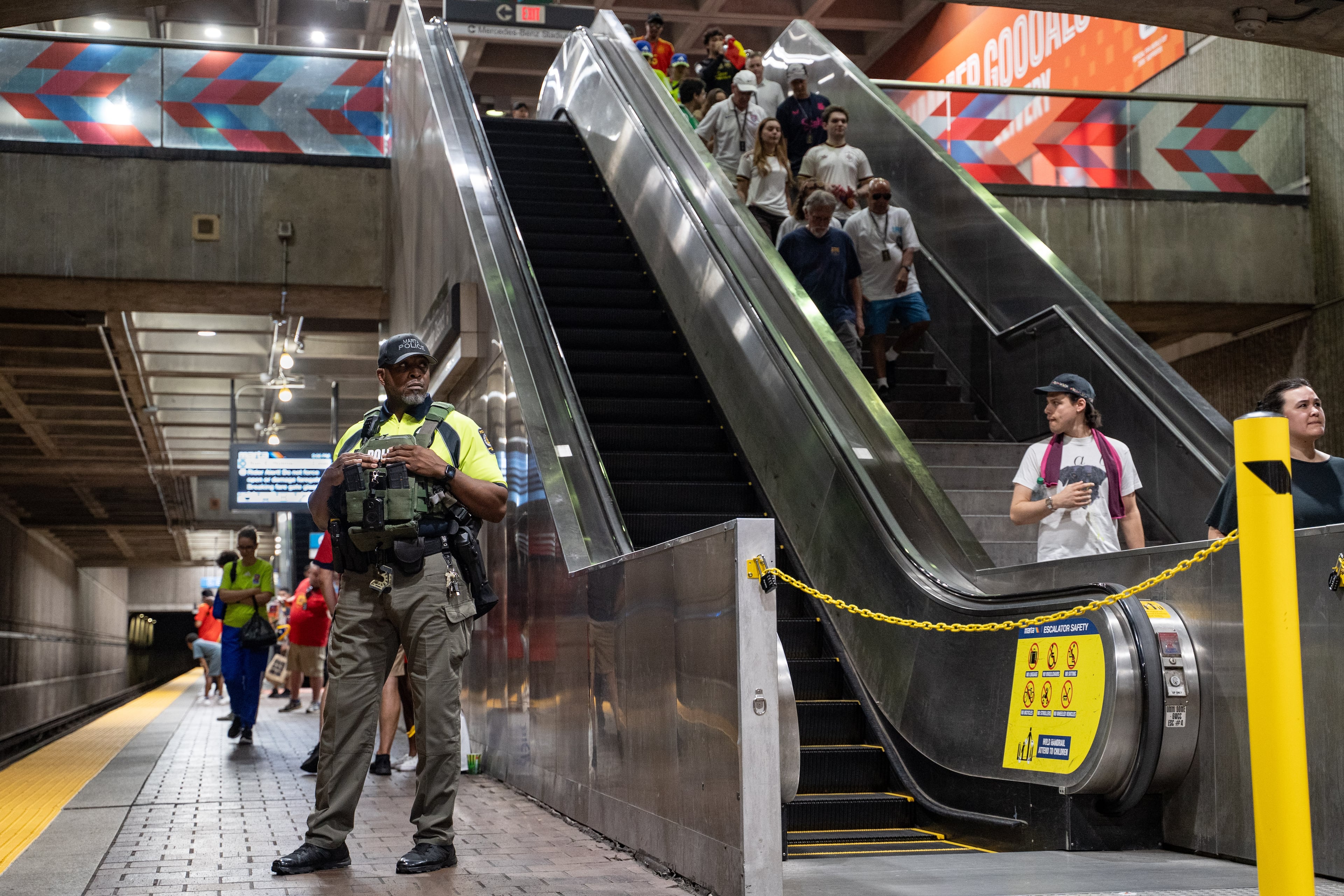
- The U.S. Attorney General hasn’t decided yet whether a man accused of fatally stabbing a 66-year-old woman on a MARTA train will face the death penalty, Rosie Manins reports.
Testing Kemp
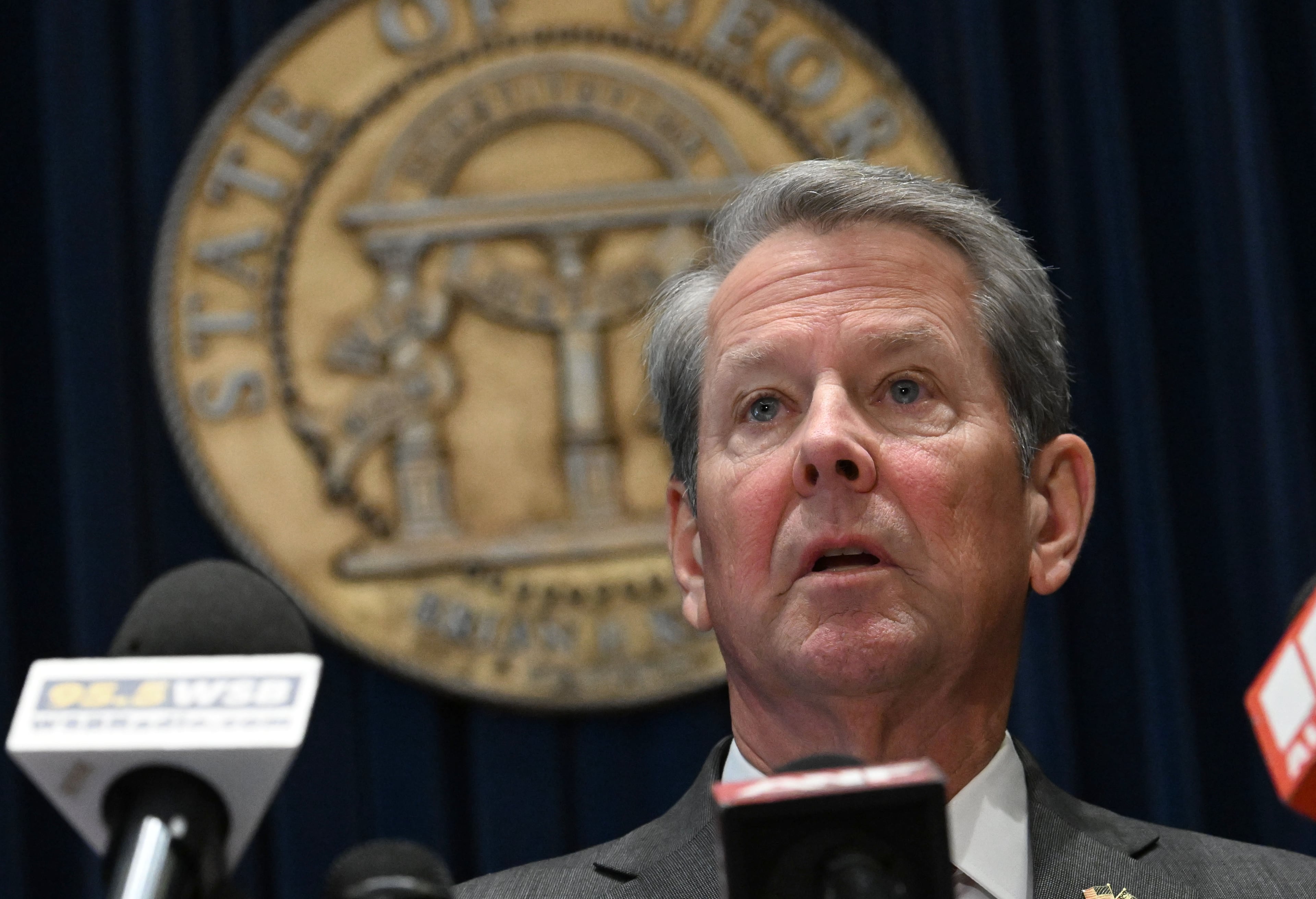
It’s been a very bad month for Gov. Brian Kemp. But his Republican allies kept it from getting worse on Monday.
House Republicans blocked a Democratic attempt to override one of Kemp’s vetoes after the bill’s sponsor said she was working with the governor on an alternative.
The measure would have streamlined how key state health agencies use state funds. Kemp vetoed it, warning it would insert lawmakers into the “operational oversight of executive branch agencies.”
But the fight was never really about the bill. An override would have been a rare public rebuke of Kemp from a Legislature controlled by his own party.
That hasn’t happened in Georgia in 18 years. Overriding a governor’s veto takes a two-thirds vote in both chambers, requiring significant bipartisan support. Governors also have plenty of ways to make life difficult for lawmakers who cross them.
Still, the fact that the override push even surfaced — and that several Republicans privately told us they were eager to support it — shows how much has changed.
Kemp is a lame duck leaving office next year. The candidates he backed for governor and U.S. Senate lost last week. So did John F. Kennedy, a close Kemp ally who was running for lieutenant governor.
For years, Republicans were wary of even hinting at rebuking Kemp. Now some are testing how much power he has left.
Don’t get greedy
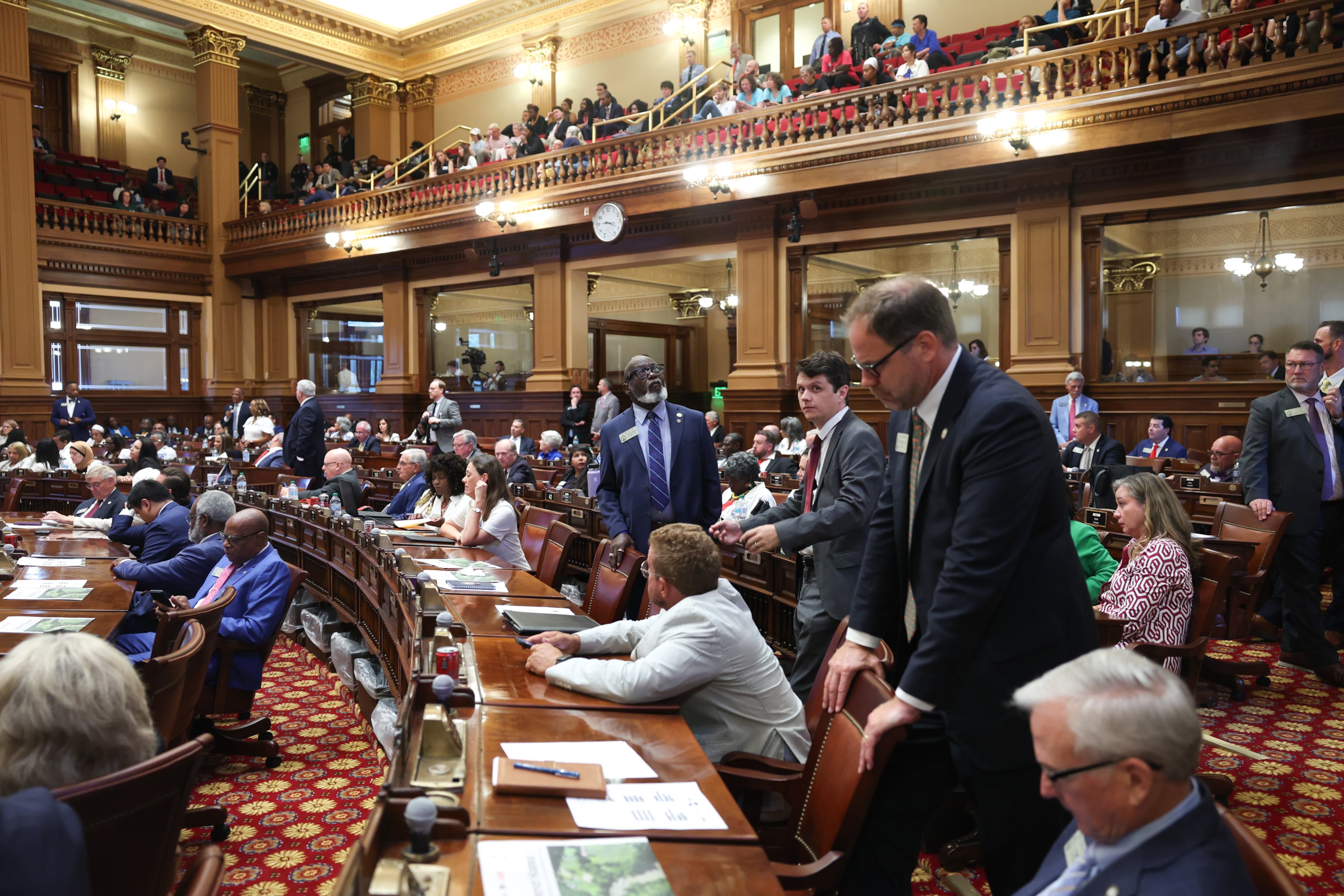
When the governor calls the Legislature into a special session, lawmakers can only pass bills on topics the governor chooses. But sometimes, lawmakers just can’t help themselves.
More than 100 years ago, lawmakers used a pair of special sessions to impose a new tax on imitation alcoholic beverages, impose a 30 mph speed limit and ban drunken driving.
The Georgia Supreme Court upheld the tax on imitation alcoholic beverages. But they threw out the laws creating a speed limit and making DUI a crime, ruling they were outside the scope of the special session.
Both cases could be relevant to Georgia’s special session this year. The Senate on Saturday passed a law giving Georgia more time to use its current vote-counting system. But Republicans added a provision that would require hand recounts for the top two races on the ballot. Some Democrats, including state Rep. Debra Bazemore, questioned whether that went too far.
Stuart Morelli, an attorney with the Legislative Counsel’s office, told lawmakers he believed Kemp’s call is broad enough to include the hand-count provision. But the courts would ultimately decide.
Long memories

The House could soon vote on a bill that would resolve a crisis over Georgia’s vote-counting system. But some lawmakers will be keeping one eye on the state Senate.
It was just over a year ago that the Senate adjourned early on the final day of the 2025 regular session, a surprise move that prevented the House from making any changes to legislation.
State Rep. Mary Margaret Oliver, D-Decatur, worried the same thing could happen this year.
“Are there any communications or any discussions where the Senate plans to adjourn early (on Tuesday) and not allow the House to weigh in on this bill?” Oliver asked state Sen. Max Burns, R-Sylvania.
“I’m committed to staying as long as the Legislature needs to conduct business,” Burns replied. “I’m a voice, not the decision maker in that. I will certainly advocate for that.”
Listen up

Today on the “Politically Georgia” podcast we explain how Democrats blocked a Republican tax plan in the state Legislature and why a fight over Georgia’s voting system remains unresolved.
You can listen and subscribe to “Politically Georgia” for free on Apple Podcasts, Spotify, YouTube or wherever you get your podcasts.
Have a question or comment for the show? Email us at politicallygeorgia@ajc.com or give us a call at 770-810-5297 and you could be featured on a future episode.
Affordable housing
The U.S. Senate on Monday overwhelmingly approved a bill intended to make housing more affordable across the country. The House could follow suit today, sending the 21st Century ROAD to Housing Act to President Donald Trump by midweek.
The road to get here, pun intended, was rough for a spell. The Senate’s initial version got a cold reception in the House, which stripped out a provision backed by U.S. Sen. Raphael Warnock and others that required large companies to sell off houses built to serve as rental properties within seven years.
Other limits on investor-owned housing were ultimately preserved. The House also insisted on adding language regarding community banks and local lending.
The Senate vote was 85-5; five conservative Republicans opposed the bill. The legislation will be fast-tracked in the House using a process that will require a two-thirds majority for passage.
Some hard-line House Republicans, including Georgia U.S. Rep. Andrew Clyde, have said they will vote against the housing bill to protest Senate Republicans’ refusal to change the filibuster and pass the SAVE America Act, a measure related to voter registration and eligibility.
Today in Washington
- Trump will give a speech on affordability at a truck manufacturing plant near Reading, Pennsylvania.
- The House is expected to vote on the 21st Century ROAD to Housing Act.
- The Senate will vote on more Trump nominations and on a House-passed war powers resolution to limit more strikes in Iran.
Shoutouts

Today’s birthdays:
- State Rep. Inga Willis, D-Atlanta.
- Austin Sumter, a faithful reader of this newsletter.
Want a birthday shoutout in the Politically Georgia newsletter? There’s a form for that. It’s not just birthdays. We’re also interested in new jobs, engagements, birth announcements, etc.
Before you go

AJC politics columnist Patricia Murphy remembers WDUN radio host Martha Zoller, who died on Monday.
That’ll do it for us today. As always, you can send your best scoops, gossip and insider information to greg.bluestein@ajc.com, tia.mitchell@ajc.com, patricia.murphy@ajc.com and adam.beam@ajc.com.