CDC confirms warning on romaine lettuce is lifted
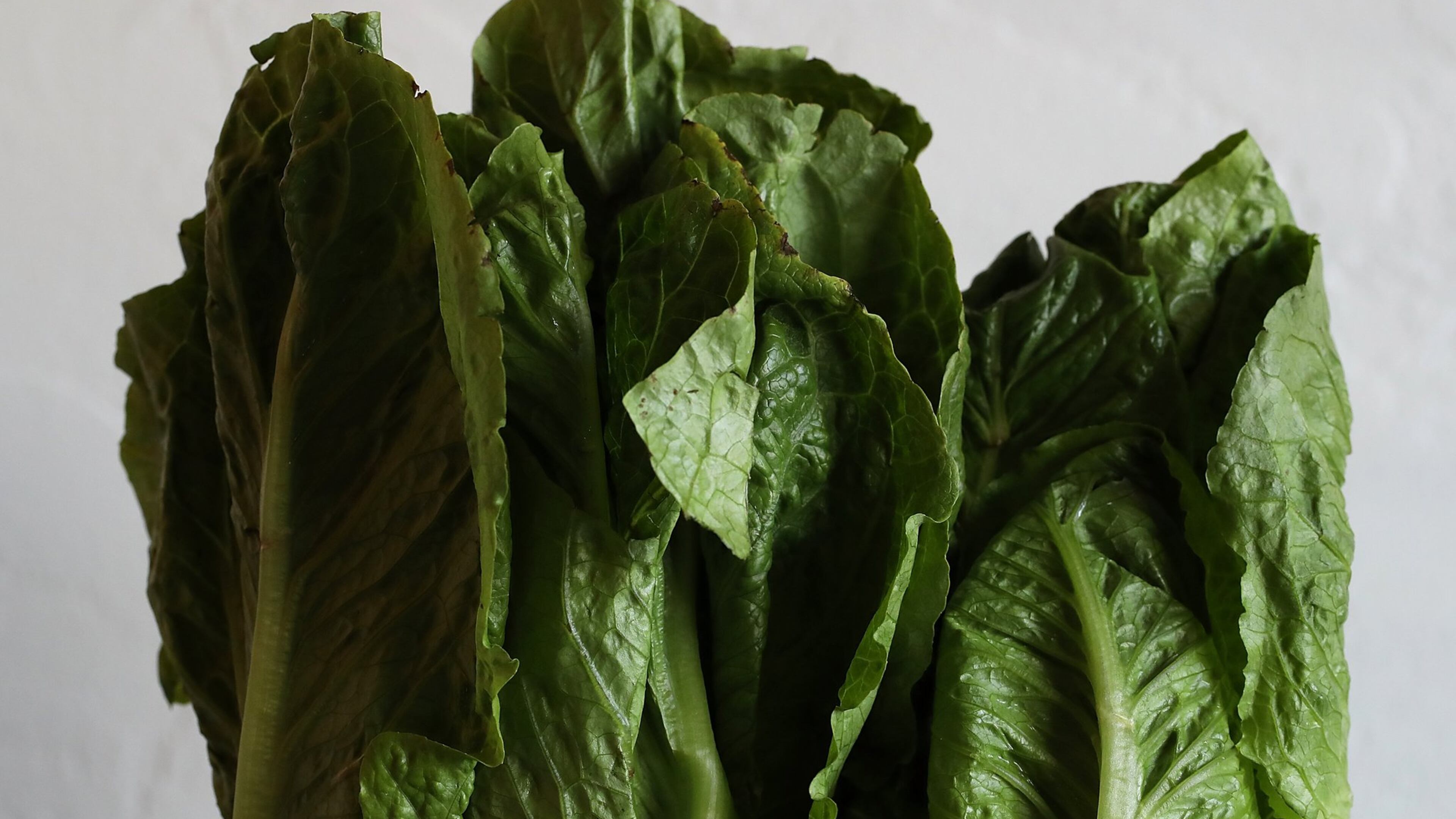
Romaine lettuce is no longer under a government health warning, the U.S. Centers for Disease Control and Prevention has confirmed.
An outbreak of sickness from E. coli bacteria was linked to romaine lettuce grown in the Yuma, Ariz., region and led to five deaths, according to figures the Atlanta-based CDC released Friday. None of the deaths were in Georgia, although five Georgians got sick as part of the outbreak, public health officials confirmed. As a result of the outbreak, the CDC had warned people not to eat romaine unless they could be sure where it came from, and then be sure that it didn't come from the Yuma area.
But that region’s growing season is well over. And fresh lettuce from there would be well past its shelf life, the CDC said.
So on May 16 the CDC dropped the warning.
Although the CDC on Friday reported 25 new cases as part of the national total, the latest one began May 12. Most are people who became sick when contaminated romaine was still available for sale. Some did not report eating romaine but became sick after close contact with others who were sick.
Asked Friday whether that meant it was now safe to eat romaine, the CDC spoke cautiously.
“While we can never guarantee any food is totally safe to eat, romaine lettuce linked to this outbreak is past its shelf life and is likely no longer being sold in stores or served in restaurants,” spokeswoman Brittany Behm said in an email.
The five deaths occurred in Arkansas, California, Minnesota and New York. Nationwide, 197 cases were confirmed by government labs.
About the Author

Ariel Hart is a reporter on health care issues. She works on the AJC’s health team and has reported on subjects including the Voting Rights Act and transportation.


