What is a 'false flag' and what we know about the Russian hacking claims
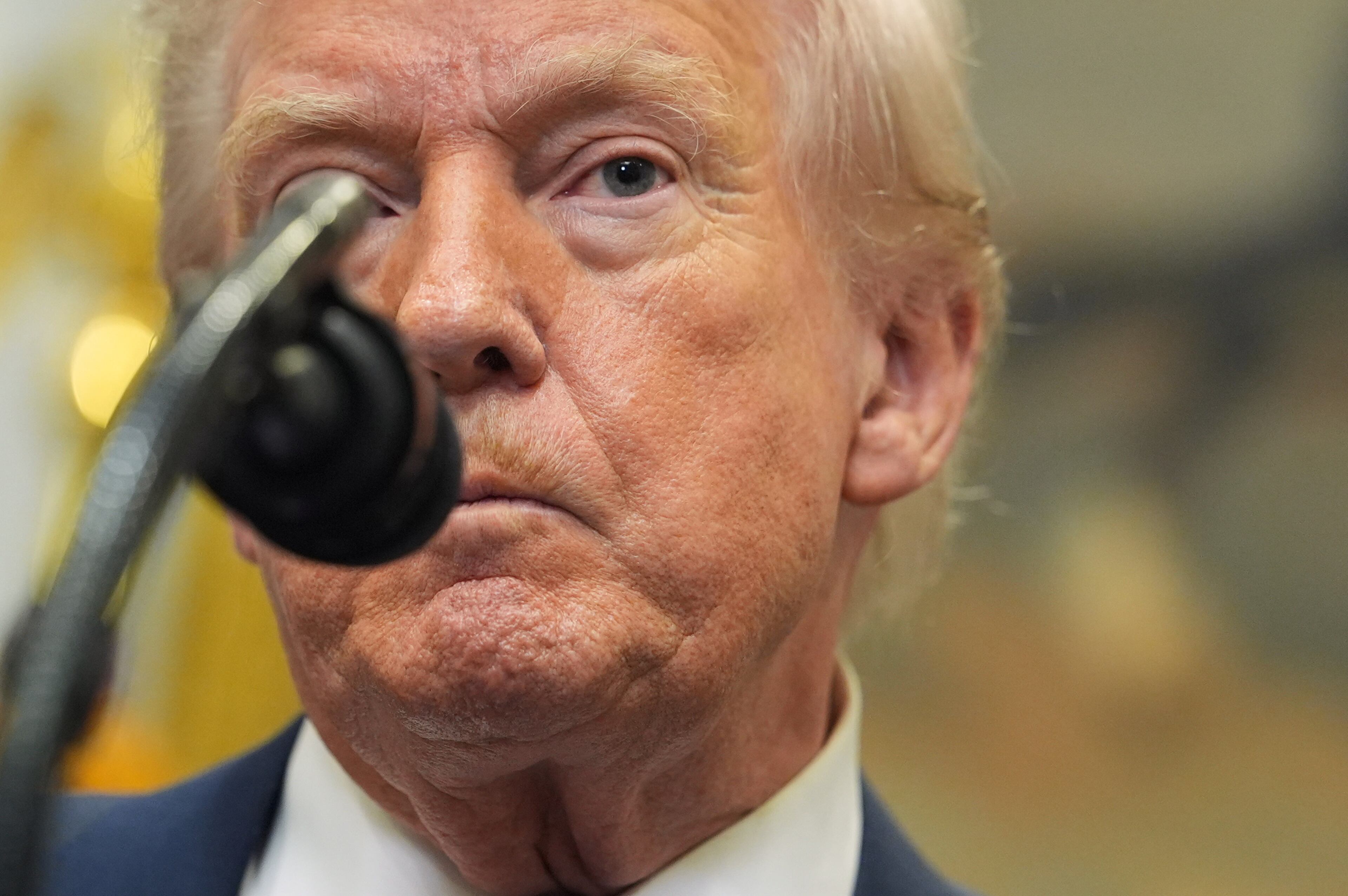
President-elect Donald Trump on Sunday dismissed reports of Russian interference in the 2016 election, saying that he didn’t know if Moscow ordered the hacking of the Democratic National Committee, but if they did, it did not affect the outcome of the election.
Trump told “Fox News Sunday” host Chris Wallace, "Once they hack if you don't catch them in the act you're not going to catch them. They have no idea if it's Russia or China or somebody. It could be somebody sitting in a bed some place."
"I don't want anyone hacking us, and I'm not only talking about countries," Trump said. "I'm talking about anyone, period. But if you're going to do that, I think you should not just say 'Russia.' You should say other countries also, and maybe other individuals."
Later on Sunday, John Bolton, who is said to be up for consideration for secretary of state or deputy secretary of state, implied during an interview with Fox that the intelligence community’s conclusion that the hacking was done by Russia could be a “false flag."
In the interview Sunday, Bolton told Fox News’ Eric Shawn, “It is not at all clear to me, just viewing this from the outside, that this hacking into the DNC (Democratic National Committee) and the RNC (Republican National Committee) computers was not a false flag operation.” Shawn asked Bolton, “Are you actually accusing someone here in the administration or in the intelligence community of trying to throw something?”
Bolton answered: “We just don’t know,” he replied. “But I believe that intelligence has been politicized in the Obama administration to a very significant degree.”
The term “false flag” is used by some to describe an attempt by the U.S. government to make it seem like certain covert activities it is carrying out are in fact being carried out by another country of group.
Here’s what we know about the accusations that Russia was behind a cyber attack during the 2016 presidential election:
- The Washington Post reported Friday that U.S. intelligence agencies concluded Russia intervened in the 2016 presidential race to help Trump win.
- There is a disagreement between the Central Intelligence Agency and the Federal Bureau of Investigation about the conclusiveness of the evidence, officials said this weekend.
- The New York Times is reporting that administration officials say they believe Russia tried to interfere in the election because they hacked both the Democratic and the Republican national committees, but released information from the DNC only. The Republicans have denied they were hacked, saying there has been no evidence their files were attacked.
- According to multiple reports, the FBI still hasn't confirmed whether the RNC or other Republican groups were hacked.
- White House deputy press secretary Eric Shultz said in a statement Friday, "The president, earlier this week, instructed the intelligence community to conduct a full review of the pattern of malicious cyber activity related to our presidential election cycle."
- Sen. John McCain, R-Ariz., is calling for a select committee to investigate Russian interference in the presidential election. "[I]t's clear the Russians interfered," he said on "Face the Nation" Sunday. "Whether they intended to interfere to the degree that they were trying to elect a certain candidate, I think that's a subject of investigation. But facts are stubborn things. They did hack into this campaign."
- According to a Washington Post story, "In their closed-door briefing, CIA officials told senators that a growing body of evidence from multiple sources made it "quite clear" that Russia wanted to help elect Trump." Administration officials told members of Congress that evidence pointed to Russia's role in cyber attacks in at two states and in hacking emails from the DNC and individuals.
- Kellyanne Conway, Trump's former campaign manager, said on CBS' "Face the Nation," the notion of Russian interference was "laughable and ridiculous" and criticized The Post story. "He thinks that people are trying to re-litigate the election," Conway said of Trump's reaction to the story.
- RNC Chairman Reince Priebus, who will be Trump's chief of staff, said on ABC's "This Week," that Russian hacking had nothing to do with the outcome of the election. Instead, he said, Clinton "lost because her ideas were bad."