Obama ends 'wet foot, dry foot' immigration status for Cuban migrants
In what could be one of President Barack Obama's last major foreign policy initiatives, the administration has stopped the special status for migrants leaving Cuba.
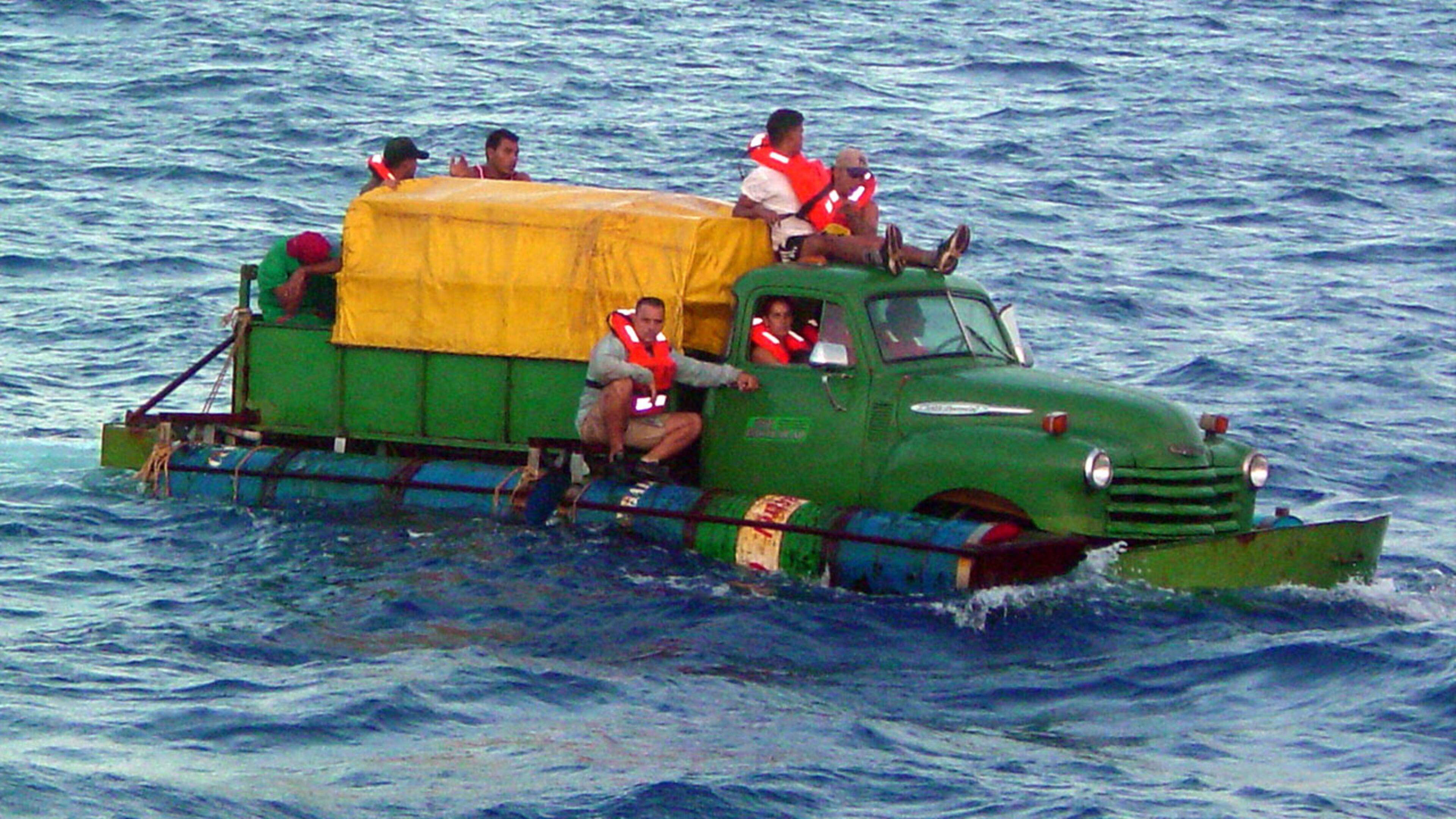
Prior to Thursday, migrants fleeing communist Cuba were allowed to stay in the United States under what was called a "wet foot, dry foot" policy, The Washington Post reported.
>> Read more trending stories
It had allowed those escaping Cuba to the United States without a visa to become permanent residents, CNN reports.
Now migrants from Cuba will need visas like those from any other country.
The "wet foot, dry foot" policy stated that Cubans picked up at sea were returned to their home country, but those who made it to land were allowed to stay under President Bill Clinton's administration.
But that wasn't the first time Cubans were allowed into the U.S. without official paperwork. President Lyndon Johnson started the "open door" policy for refugees, CNN reported.
The Cuban government agreed to the change in policy, saying in a statement that the change is "an important step in the advance of bilateral relations" guaranteeing "regular, safe and orderly migration," The Washington Post reported.