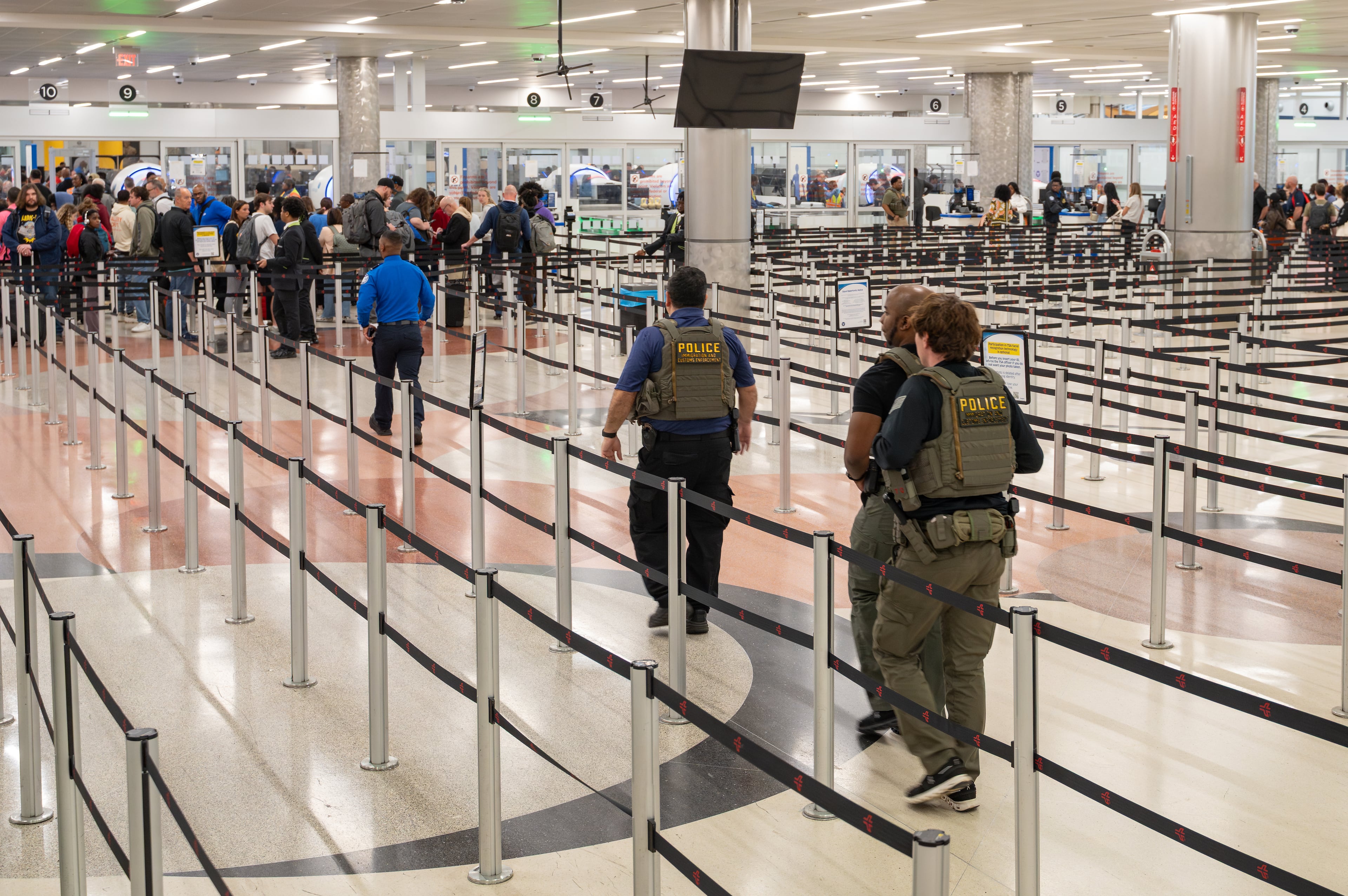
Citizens Review Board battles Atlanta mayor, police
Frustrated and feeling ignored, the members of the Atlanta Citizen Review Board said they have had no support from the city’s new mayor.
The board and its members say they have been unable to get a meeting with the new mayor, that numerous attempts to set up an appointment with Kasim Reed have been ignored.
Reed said he would meet with the board "immediately."
"The executive director and the board have requested meetings numerous times. The Mayor has not responded,” said executive director Cristina Beamud, adding that she or other board members had reached out nine times since December, the month before Reed took office.
"I support the role of the Citizen Review Board … to serve as an independent forum where complaints and accusations against police officers can be assessed,” Reed said in a written response to questions from The Atlanta Journal-Constitution. “But I think it is critical to understand that the CRB only has limited civil administrative review powers and has no power over police discipline. It is not a court of law and is not intended to substitute for any form of legal action against the police department or the city.”
The board’s frustration comes out of numerous efforts to get police officers to respond to complaints. So far, 36 officers have refused to answer questions on various complaints but most of the recent attention is on allegations Atlanta police officers abused patrons of a gay bar and subjected them to insults about their homosexuality. In that matter, involving the Atlanta Eagle Bar, there also is a criminal case pending in Municipal Court and a civil suit pending in federal court.
Reed said he supports the panel’s mission, but members need to step carefully because their investigations could make the city vulnerable in civil suits.
“If the officers testify before the CRB while the city is facing a lawsuit, their testimony could provide the attorneys representing the plaintiffs in the suit with two opportunities to hear testimony from the officers,” Reed, an attorney, said. “Providing the plaintiff's counsel with two bites at the apple could jeopardize the city's ability to defend itself against the active civil lawsuit.”
Beamud said in response Wednesday: “There is only one truth and we should be confident that police officers are capable of telling the truth more than once.”
She also noted that officers' testimony in the pending civil and criminal cases as well as questions answered in depositions also could be used in lawsuits. “What’s so extraordinary about expecting somebody to tell the truth twice?” Beamud said.
The board said it has received almost no help from the previous police and city administrations or the current administration.
“Since the inception, I believe we’ve been treated like an orphan,” said board Chairwoman Joy Morrissey.
The Citizen Review Board was re-established after a deadly police shooting during a botch drug raid on Nov. 21, 2006. City Council revived the panel after an angry public demanded to know why 92-year-old Kathryn Johnston was killed while sitting in her living room.
Three former Atlanta police officers are now serving prison sentences ranging from five to 10 years for covering up details about the raid.
Meanwhile, the board, APD and police officers have squabbled about whether officers have to answer CRB questions.
Officers are showing up when called before the board, as required by APD policy, but they were refusing to answer questions.
Last week, the board successfully asked the City Council to subpoena 18 APD officers to answer questions raised in complaints brought after a raid at the Atlanta Eagle Bar last September. Only one has complied so far, Beamud said.
“This is a remarkable waste of time when the police chief could simply require officers to answer questions that are related to the work performed for the city of Atlanta,” Beamud said.
An APD spokesman said the agency’s decision not to require officers to answer CRB questions was based on reviews of practices in other cities, and none those police agencies considered required officers to answer questions.
The officers have said their comments before the board can be used against them in a criminal case unlike the protections they have when they participate in an internal APD investigation.
"We have been dealing with this issue of officers' refusal to cooperate for a long time," attorney Seth Kirschenbaum, vice chairman of the review board, said during the CRB’s most recent meeting.
More Stories
The Latest