Thousands in Georgia expected to drop ACA plans as open enrollment begins
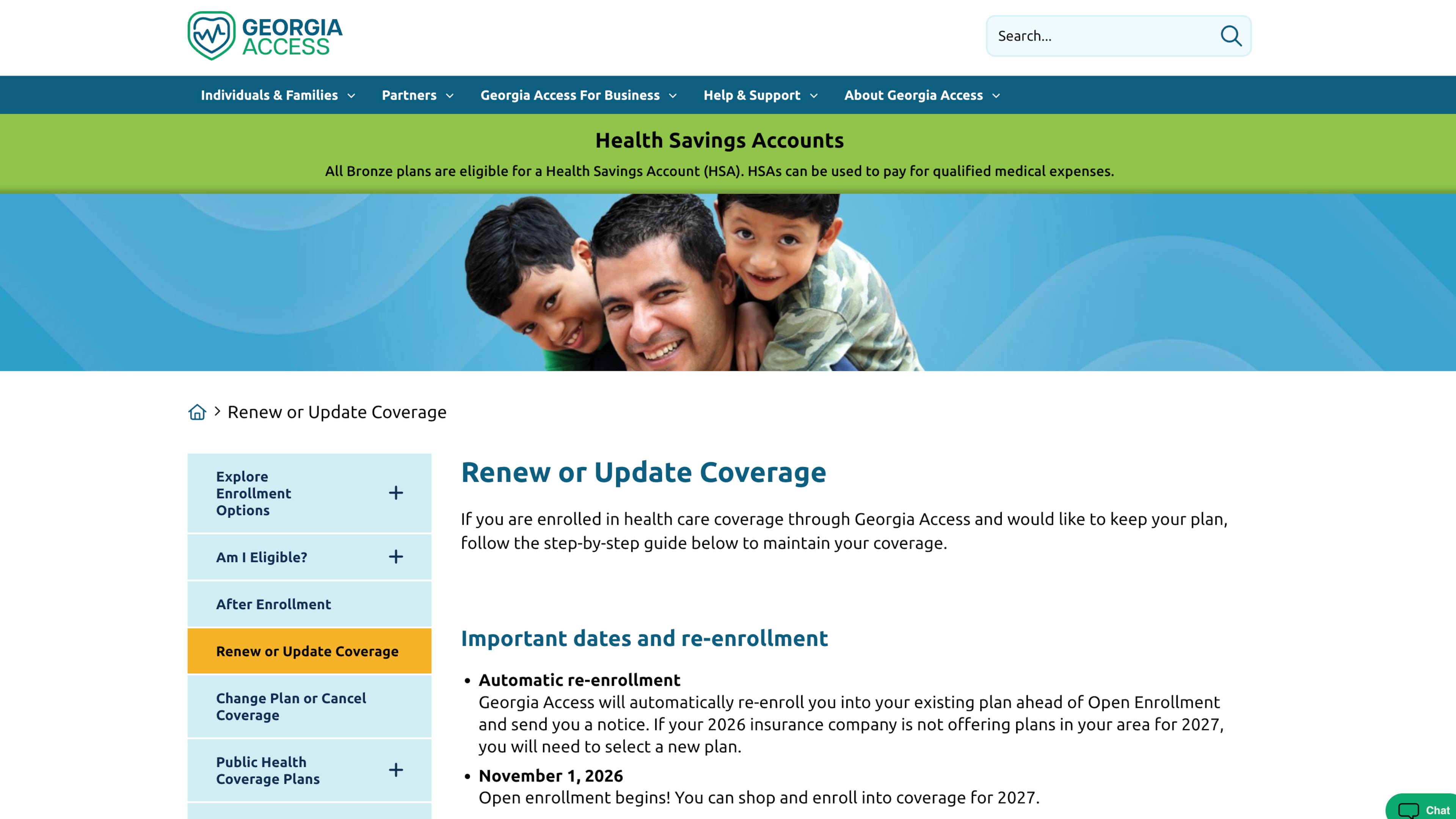

Organizations that help people sign up for health insurance on Georgia’s Affordable Care Act marketplace are expecting many of their clients to balk at the substantial price increases unveiled during the open enrollment period, which began Sunday.
The eight insurers participating in Georgia Access, the state’s Obamacare marketplace, recently finalized 2027 rates that are 11% to 29% higher than last year. Rates will vary based on age, location and other factors, but the average statewide premium will be nearly $932 per month, up roughly 51% from two years ago.
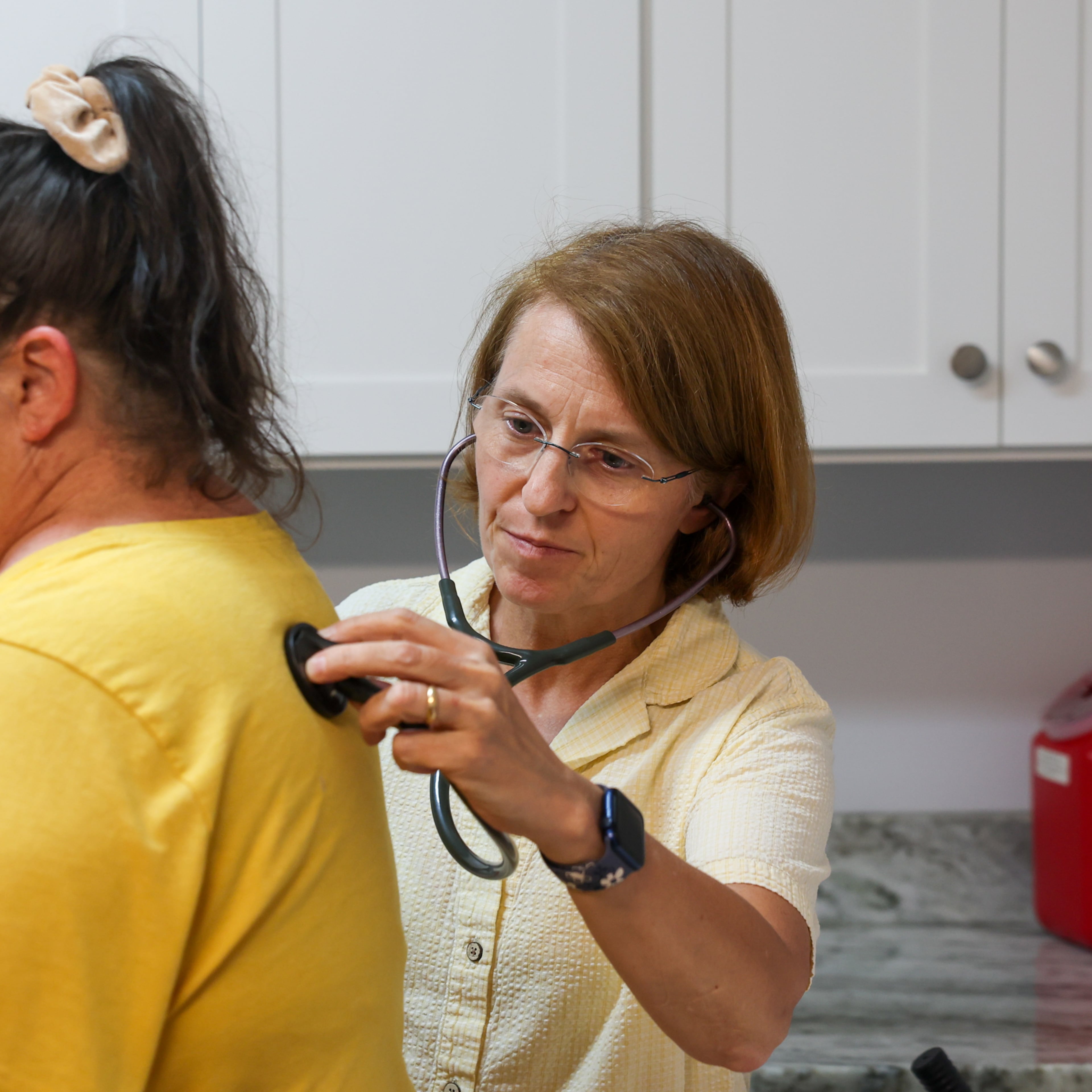
Agents and counselors said they expect some clients to opt for cheaper plans with higher deductibles — and for others to forgo health insurance coverage entirely.
“I think this year is probably going to be a tough one, and more so even than last year,” said Melissa Camp, director of agency for the Macon-based Insure Georgia. Clients “have to make a choice between being able to pay their rent, buy groceries and pay their health insurance premium, and many of them have had to let it go because they just simply can’t continue.”
Enrollment in Georgia Access has plunged by roughly one-third since Congress declined to extend enhanced COVID-era subsidies at the end of last year. Those extra-generous subsidies helped many lower- and middle-income people afford healthcare coverage, some for the first time in years.
Georgians who earn an income of between 100% and 400% of the federal poverty level, or roughly $16,000 to $64,000 for an individual, still receive some federal subsidies to help pay for their health insurance plans.
But since the extra help from Washington ended, upward of 430,000 Georgians have dropped their ACA plans, according to state figures. The Georgia Office of the Commissioner of Insurance, which regulates and reviews insurers’ plans, expects the number of participants will dip by roughly 54,000 people for 2027 plans.
Insurers have cited factors such as inflation, labor shortages and the rising cost of delivering healthcare — including the wider adoption of expensive GLP-1 drugs and AI for healthcare provider billing — for the rate increases.
Observers have also noted the compounding effect of the higher premiums. Camp said her younger clients are now more willing to take a chance and go without health insurance, while her sicker clients do what they can to keep their plans.
“They know … they cannot drop because their medical bills would completely drown them,” she said. “And that’s a negative for the insurance company because that increases the loss ratios, which in turn increases the premiums.”
A spokesperson for the Department of Insurance, which oversees Georgia Access and approves rate increases, did not respond to requests for comment.
Relying on ERs
Deanna Williams, an enrollment assister for Georgians for a Healthy Future, said premiums are becoming so expensive that more of her clients are growing deterred from purchasing even cheaper, high-deductible plans. More are asking about alternatives, such as relying on community clinics that charge sliding fees for care based on income, she said.
Williams said she advises them that those clinics do not provide “comprehensive coverage, so in case of an emergency you will be left uninsured and having to deal with that financial outcome from going to a hospital.”
But she’s also aware of the difficult financial choices her clients are forced to make as the cost of living rises.
“You also have to understand that these people are choosing between, can they afford to pay their rent or their mortgage, and then having to pay for healthcare on top of it,” Williams said.
Hospitals around the state have reported a surge of patients seeking care in their ERs who do not have insurance.
In June , the number of uninsured patients in Georgia ERs was up nearly 30% compared to a year earlier, according to the Georgia Hospital Association. Many of those patients cannot afford to pay their medical bills, presenting a major challenge to hospital balance sheets.
A hospital association spokesperson said many of its members have also witnessed a decline in outpatient visits and elective procedures, which suggests patients are opting to delay care — and could ultimately wind up in ERs later when they are sicker and are in need of more costly intervention.
“Georgia’s hospitals are committed to providing high-quality affordable care to their community members, but these uncompensated care costs will quickly force tough decisions for many hospitals that cannot afford to absorb them at this rate,” the spokesperson said.

Employers feel pinch
Consumers shopping for ACA plans are not the only ones hurting. Employers are also contending with higher costs for insuring their workers.
“We have had to limit our full-time employees because our rates went astronomical,” said Kim Gibson, executive director of Disability Link, a Tucker-based nonprofit that connects disabled people to community services.
Gibson’s organization opted for a high-deductible plan to keep costs more manageable after premiums soared.
This year, Disability Link is one of only two organizations to receive state funding to be a health insurance navigator.
In past years, the state paid many more groups to offer free, unbiased help to people as they shopped for plans. But the Trump administration gutted funding for the program.
Gibson said some of the disabled people on whom her organization focuses have more intensive medical needs and face tough decisions. Do they go back to the workforce and buy an ACA plan on Georgia Access, or stay on Social Security Disability Insurance so they can stay on their health plans?
“Having access to health insurance is one of the main deterrents from actually going back into the workforce,” Gibson said. They’re “afraid of losing the medical insurance that they need so desperately.”
Open enrollment began Nov. 1 on georgiaaccess.gov and runs through Jan. 15. After that window closes, people cannot shop for 2027 plans unless they have a legally approved reason such as moving, getting divorced or having a child.