Private shipping terminal planned along Savannah River moves forward

SAVANNAH ― Another shipping terminal is coming to Savannah’s crowded working riverfront, this one closer to the Atlantic Ocean than facilities operated by the Georgia Ports Authority and other cargo handlers.
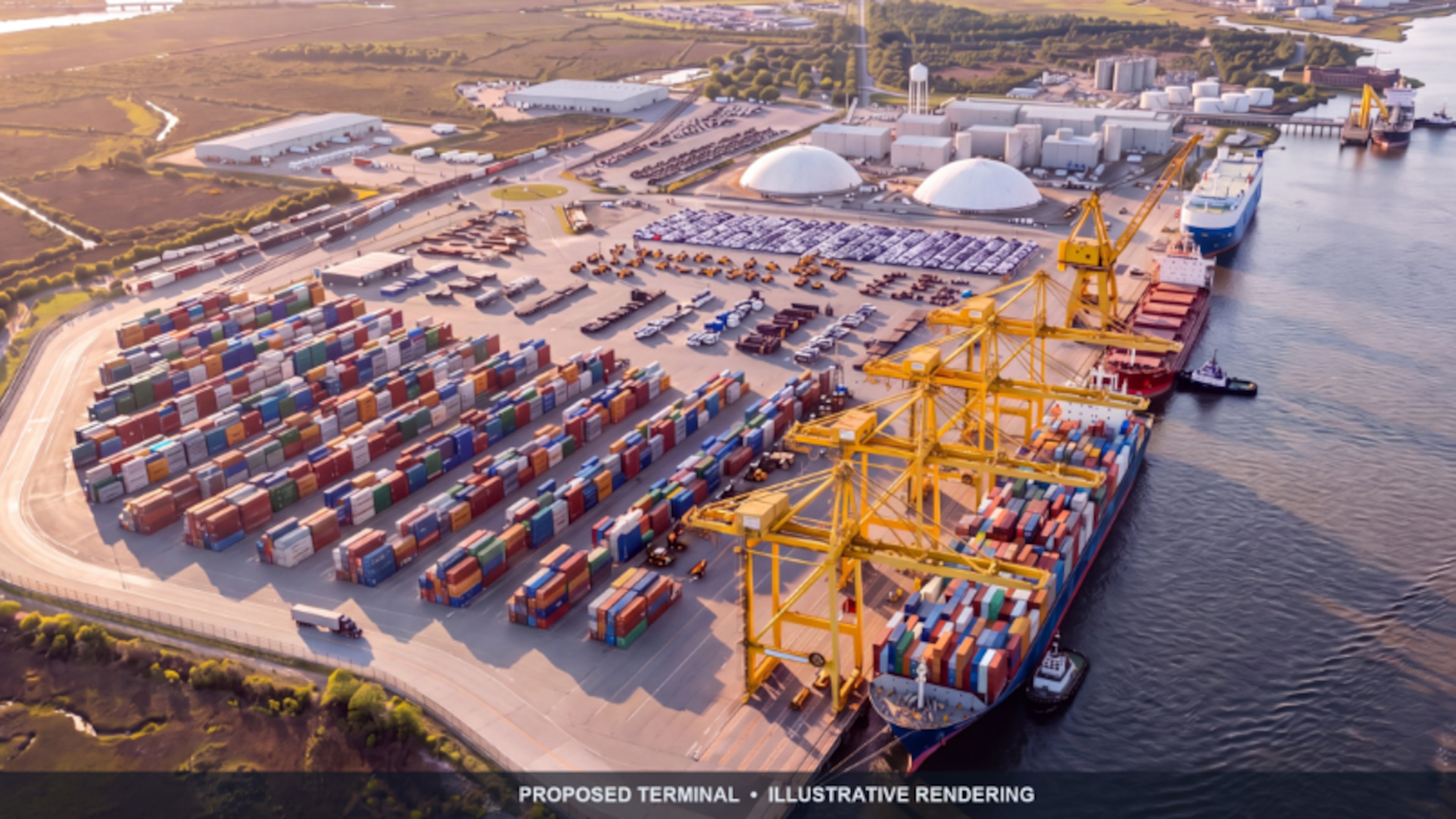
Construction is scheduled to begin next year on the long-planned SeaPoint Industrial Marine Terminal. The privately owned port project is part of a 755-acre site 5 miles downstream from Savannah’s River Street and will include a 3,000-foot-long ship berth, long enough for multiple vessels to dock for loading and unloading.
SeaPoint’s owner, Savannah industrialist Reed Dulany, has spent much of the last three years on a sea wall to allow for that berth. The work was temporarily delayed by objections raised by the Georgia Ports Authority, part of a long-running feud between GPA leaders and Dulany.
The Ports Authority in 2017 considered and rejected the site for a cargo terminal and later balked when SeaPoint marketing materials highlighted the property’s potential as a container port.

Dulany said Tuesday developing the dock and a multiuse terminal at SeaPoint is meant to put the site in “ready-to-go mode” for a larger economic development project, such as a manufacturer. The terminal is planned for 226 acres, less than a third of the site.
As a multiuse terminal, SeaPoint will have the capability to handle containers. A rendering released Tuesday by the firm hired to design the terminal, GHD, prominently features container operations.
A 3,000-foot-long berth, like the one planned at SeaPoint, can handle two to three ships at a time. At the Garden City Terminal, GPA’s largest terminal on the Savannah River, nine ships can dock at once.
Dulany has experience and expertise in cargo handling. He owns a bulk cargo facility, known as SeaGate, upriver from SeaPoint. SeaGate handles products that are too big or heavy to be shipped in containers.
Riverfront accessibility at SeaPoint makes the site more attractive for economic development, said Trip Tollison, CEO of the Savannah Economic Development Authority.
“We’ve brought quite a few prospects in to look at it, and they’ve been excited about what the site offers,” he said.
One longstanding reservation about SeaPoint as a cargo terminal — what it will mean for traffic — needs to be addressed as the start of construction nears, Tollison said. SeaPoint is located east of downtown, and truck and rail routes serving the site pass through the city.
Traffic concerns were cited by the Georgia Ports Authority as one reason it rejected the site for a container terminal.
“Now that more and more is transpiring at SeaPoint, it’s important that we engage community leaders as we plan for traffic improvements and other infrastructure enhancements,” Tollison said.
Construction on the SeaPoint terminal comes as the Georgia Ports Authority moves to expand its container capacity in Savannah. GPA already operates the third-largest and fastest-growing container port in the nation at the Garden City Terminal and is bringing two more container facilities online in the next decade.
One, Ocean Terminal, is being renovated and will fully reopen next year. The other, the Savannah Container Terminal, recently obtained a permit and construction will begin in 2028 on Hutchinson Island.
The GPA facilities are all upstream from SeaPoint.

Another planned container port, a joint venture between GPA and the South Carolina Ports Authority known as the Jasper Ocean Terminal, was abandoned earlier this year after nearly two decades of planning. The SeaPoint property sits on the Georgia side of the Savannah River, across from the Jasper site in South Carolina.
Ports Authority officials did not immediately respond to a request for comment on the SeaPoint plans. CEO Griff Lynch was in Brunswick on Tuesday for the annual State of the Port luncheon at the Jekyll Island Convention Center.
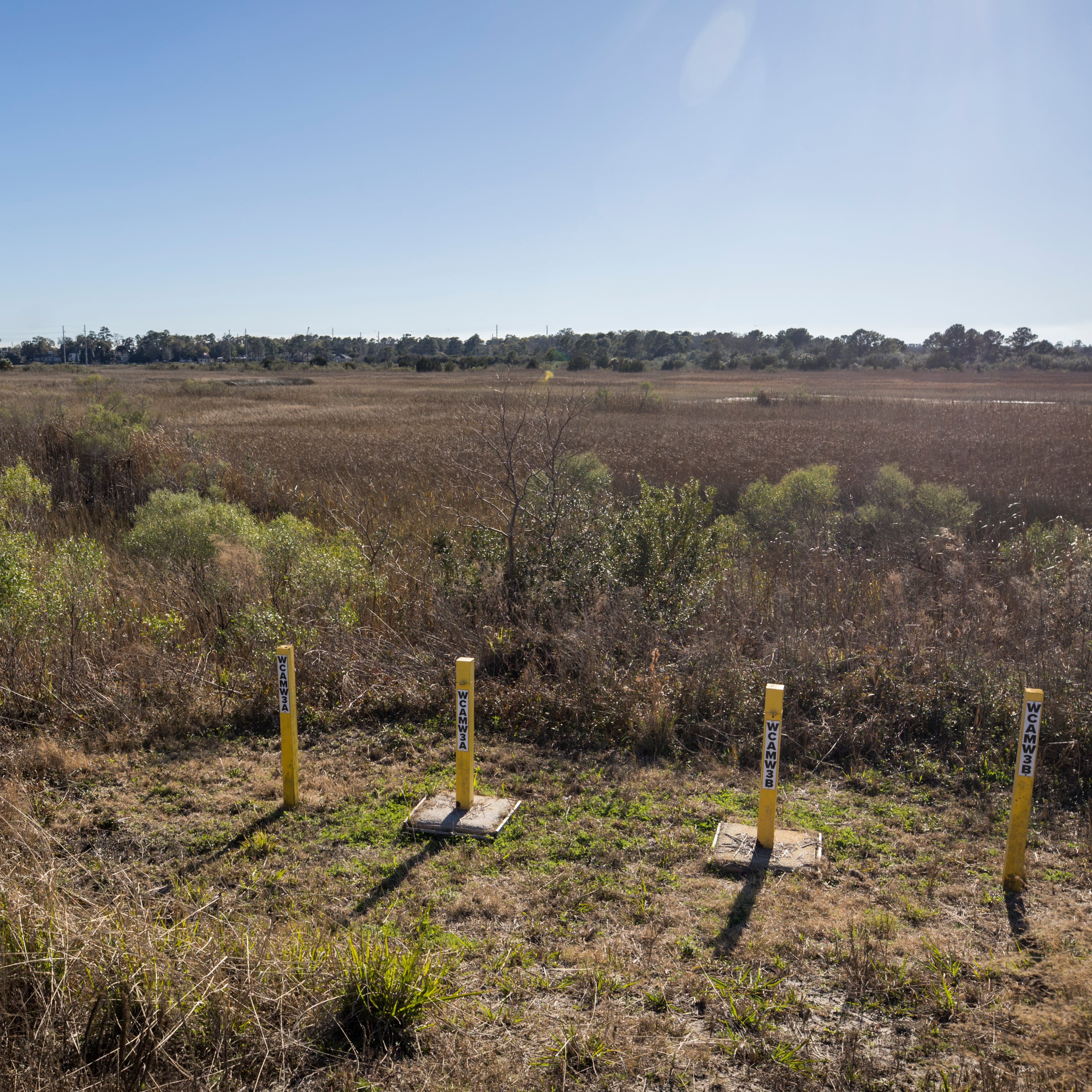
The SeaPoint terminal’s construction will mark another milestone for the property, once among the most polluted in the nation. Chemical processors had manufactured titanium dioxide, a whitening chemical used in products such as toothpaste, paint and foods, on the site for half a century until 2010.
Dulany acquired SeaPoint in 2014 and spent $38 million to clean up the property. He completed that remediation in 2022. A year later, Dulany received a national award for outstanding environmental remediation for SeaPoint.
Dulany’s environmental efforts on the site go beyond the pollution cleanup. SeaPoint includes a solar farm and sulfuric acid processing plant that together produce enough electricity to make the property energy neutral.